10 Subtle Ways Dogs Detect Human Stress Before They Do

Canine senses register tension long before awareness.
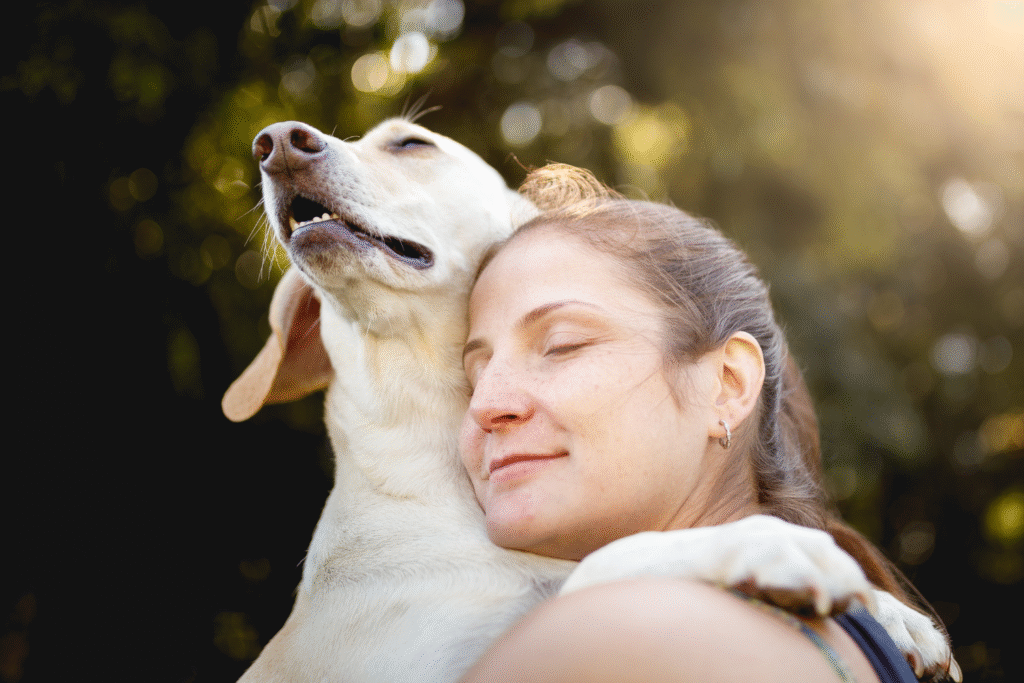
©Image license via Canva

Stress rarely arrives with a clear signal. It seeps into breathing, posture, chemistry, and daily rhythm before the mind catches up. Dogs live close enough to notice every shift. Their perception is rooted in biology shaped by thousands of years alongside humans. While people normalize discomfort or stay distracted, dogs respond to the earliest cues. They track scent, sound, and movement continuously, building a real time picture of emotional state. What feels like intuition is actually precise observation unfolding quietly inside familiar spaces.

Read more

10 Dogs That Can Turn Violent Without Warning, According to Behaviorists

When instinct, stress, and context collide suddenly.

©Image license via Canva

Dogs rarely act without reason, yet some reactions feel sudden because the warning signs are quiet, missed, or misunderstood. Behaviorists studying canine aggression often trace these moments back to genetics, early social gaps, pain, or environmental pressure. In clinics, shelters, and homes, patterns repeat across breeds and mixes. The danger is not evil intent but speed, when escalation outpaces human awareness. Understanding which dogs are more likely to flip without obvious cues helps owners manage risk with humility, preparation, and respect for what dogs are, not what we wish them to be.

Read more

Dogs Raised With Cats Develop Social Habits Most Owners Don’t Expect

Shared homes reshape social rules in subtle ways.

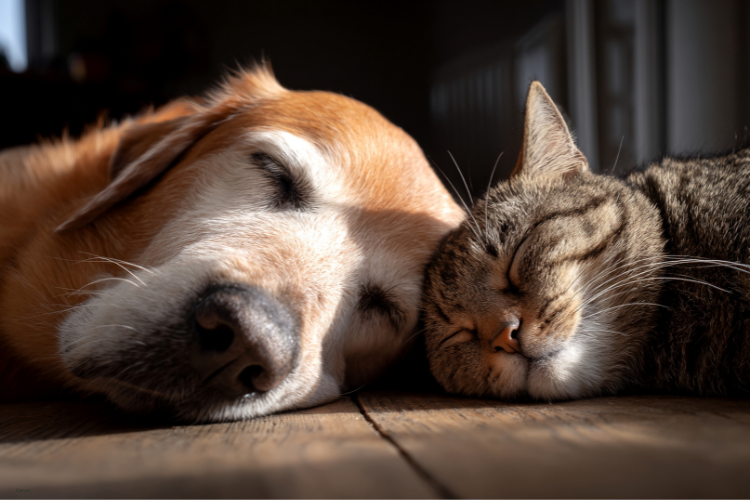
©Image license via Canva

In mixed pet households across the US, dogs and cats negotiate tiny treaties every day. A puppy learns fast that a cat’s patience has limits, and a cat learns which dog manners feel safe. Over months, that constant feedback changes how the dog greets, plays, waits, and even relaxes. None of it looks dramatic, but owners notice the difference when that dog meets other animals or navigates a busy home. The result is a dog with a slightly different social toolkit, tuned by feline boundaries.

Read more

Why Some Dogs Develop Acute Kidney Disease Without Warning and What to Do

Sudden organ failure often begins quietly.

©Image license via Pizabay/guvo59

Dogs can seem completely fine, then suddenly stop eating, vomit, or collapse within days. Acute kidney disease moves fast because kidneys handle blood filtration every minute. When something disrupts that flow, damage compounds quickly. Emergency veterinarians across the U.S. see spikes after heat waves, storms, and seasonal toxin exposure. The danger is not drama, it is silence. Early signs look minor, but the internal damage accelerates. Knowing how these failures start helps owners act before the window for recovery closes.

Read more

What It Means When a Dog Stares at Nothing, According to Animal Behaviorists

That empty gaze usually has a real cause.

©Image license via PetsnPals/ChatGPT, Golden retriever staring at owner

Dog owners notice this behavior everywhere, from living rooms late at night to quiet sidewalks during walks. A dog suddenly stops, locks its eyes on a blank space, and seems fully absorbed. No sound, no movement, nothing obvious to explain it. The moment can feel eerie, but it is usually rooted in how dogs process information. Their senses, memory systems, and emotional regulation work very differently from ours. What looks like nothing to a human is often a meaningful signal to a dog’s brain.

Read more