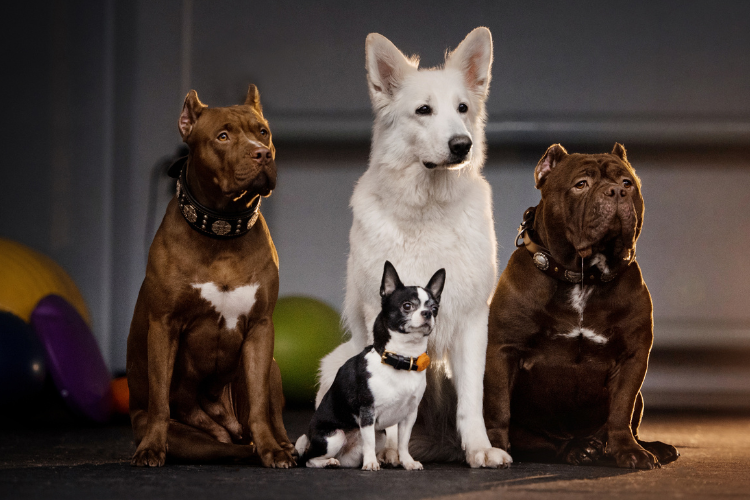
If You Have Anxiety, These Dogs Are Not For You

The wrong match can make everything harder.

Choosing a dog is often framed as comfort, routine, and emotional support. What rarely gets said is how certain breeds and traits can amplify stress instead of easing it. Constant vigilance, unpredictable behavior, or relentless energy can chip away at calm, especially for someone already managing anxiety. Most of the time, the mismatch does not show up on day one. It builds slowly through broken sleep, skipped plans, and the pressure to always stay one step ahead. The dog is not the problem. The pairing is. And for some people, that difference matters more than anyone admits.

Read more

What to Expect in the First 3 Days, 3 Weeks, and 3 Months with Your Rescue Dog

The timeline is real, and it surprises almost everyone.

©Image license via iStock

The first hours feel emotional, the first days feel uncertain, and then the ground shifts again. Rescue dogs do not unfold all at once. They arrive in stages, often out of order, sometimes contradicting what you thought you understood. What shows up on day one is rarely the whole dog, and what emerges weeks later can catch even experienced owners off guard. Knowing what tends to surface at each point can make the difference between panic and patience, especially when progress looks uneven.

Read more

These 10 Medication Side Effects Can Harm Dogs, and Many Owners Miss Them

Treatment meant to help can quietly create danger.

©Image license via Canva

Medications prescribed to dogs are meant to heal, yet side effects often unfold slowly and without drama. Vets across the United States report that many adverse reactions go unnoticed until damage is already underway. Subtle changes in appetite, posture, or behavior are easy to dismiss, especially when a dog seems otherwise stable. The risk grows when multiple drugs overlap or when owners rely on familiar human medications. Understanding which side effects matter, when they appear, and why they escalate can change outcomes before harm becomes permanent.

Read more

Owners Keep Saying ‘Never Again’ After Raising This Breed

The regret often comes long after attachment forms.

©Image license via Canva

Across the United States, shelters, trainers, and veterinarians hear a familiar phrase from exhausted dog owners. The decision usually begins with excitement, confidence, and affection. Over time, reality introduces strain that affection alone cannot fix. These breeds are not failures or mistakes, but they demand environments many families cannot sustain. The tension grows quietly, surfacing years later when owners admit the experience reshaped their limits. Saying never again does not mean lack of love, it means the cost became clearer only after living it.

Read more

What Resource Guarding Is, 9 Dog Breeds Most Prone to it, and How To Stop It

A common behavior can escalate faster than owners expect.

©Image license via PetsnPals/Growling Dog Resource Guarding

Resource guarding is one of the most misunderstood dog behaviors seen in homes, shelters, and training facilities. It can appear suddenly, intensify quickly, and leave owners shaken when a friendly dog growls, snaps, or freezes over food or objects. Trainers see it across breeds, ages, and backgrounds, often triggered by stress or insecurity rather than aggression. Left unaddressed, it can worsen and become dangerous. Understanding where it comes from, which dogs are more prone, and how professionals approach treatment matters more than blame or punishment.

Read more