12 Dog Breeds That Are the Worst Choice for First-Time Owners

Experience matters more than affection alone.

©Image license via Canva

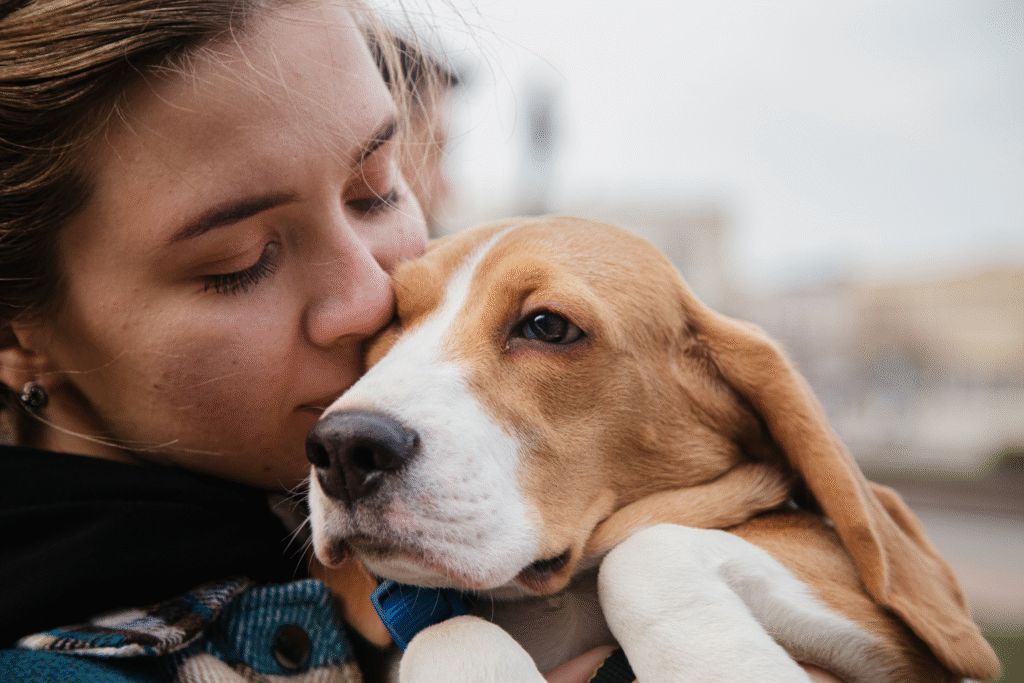
First time dog ownership often begins with good intentions and a friendly face. What many people discover later is that some breeds demand far more structure, time, and emotional steadiness than beginners expect. Veterinarians and trainers across the United States see the same pattern repeat in clinics and shelters. Dogs are surrendered not for bad behavior, but for mismatched expectations. These breeds are not bad dogs. They are simply demanding in ways that surprise new owners quickly.
Read more

When a Dog Falls in Love With You, These 8 Behaviors Appear

Love shows itself through quiet, consistent choices.

©Image license via Canva

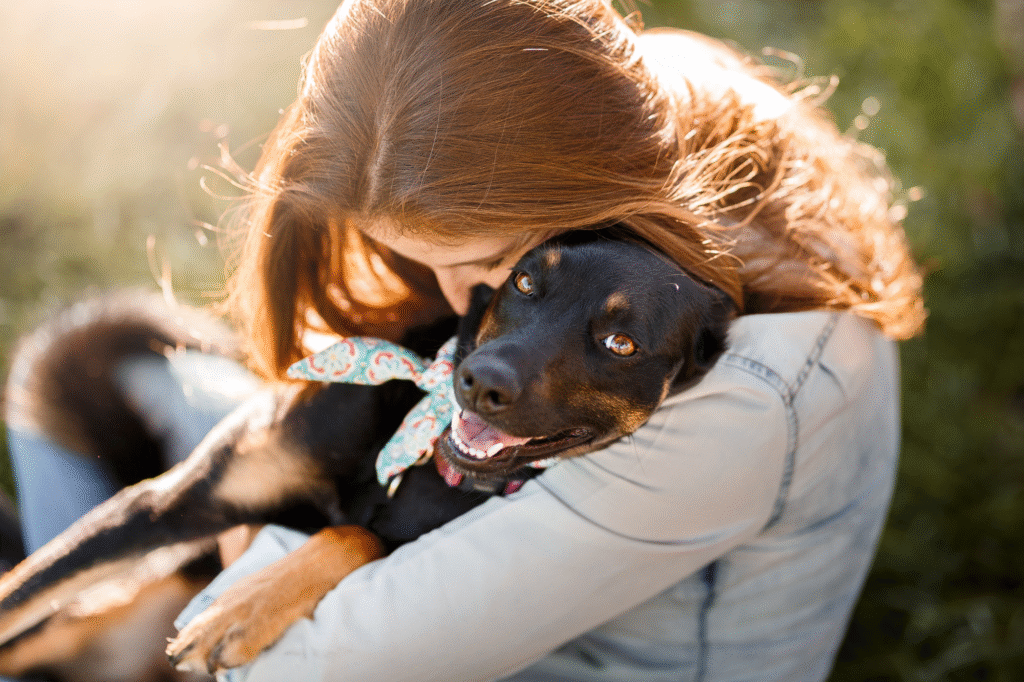
Love in dogs rarely arrives as a single moment. It builds quietly through shared routines, repeated safety, and emotional trust. Veterinarians and behaviorists often recognize it during moments of stress, recovery, or aging, when dogs reveal who they rely on most. These behaviors are not tricks or training results. They emerge naturally when a dog feels emotionally bonded. The signs are subtle, steady, and deeply personal. Once you notice them, the relationship begins to feel intentional rather than accidental.

Read more

Why Dogs From Shelters Often Bond Differently Than Puppies Raised at Home

Attachment grows from history as much as home.

©Image license via Canva

Dogs do not arrive in new homes as blank slates. Where they came from, how many people passed through their lives, and what stability looked like early on all shape how connection forms later. Shelter dogs and home raised puppies often love just as deeply, but they bond differently. Veterinarians and behaviorists in cities like Phoenix Chicago and Raleigh have long noticed distinct attachment patterns emerge within weeks of adoption. These differences are not flaws. They are adaptive responses shaped by experience memory and survival.

Read more

Why Some Dogs Recognize Illness in Humans Before Symptoms Appear

Their senses register biological shifts long before pain.

©Image license via PetsnPals/ChatGPT

Some dogs behave differently before illness becomes obvious. They hover, watch closely, or refuse to leave one person alone. These changes can appear days or even weeks before symptoms. The reason is not instinct or emotional projection. Dogs track scent, motion, breathing, and routine with precision humans cannot match. When internal chemistry shifts, dogs notice immediately. Medicine usually detects illness once disruption becomes measurable. Dogs sense it while the change is still quiet, unfolding beneath awareness.

Read more

What Your Dog’s Paw Size Can Reveal About Their Health

Subtle clues hide in every step they take.

©Image license via Canva

A dog’s paws quietly reflect how their body is functioning beneath the surface. Size shape texture and symmetry shift in response to growth weight joint health and metabolic balance. Veterinarians often observe paw changes during routine exams in cities like Seattle Austin and Toronto before owners notice anything unusual. When paws become larger smaller wider or uneven it is rarely cosmetic. These changes often appear months before visible pain stiffness or mobility loss. Learning to notice paw differences helps catch health concerns earlier while dogs still appear comfortable and active.

Read more