New Blood Test Could Detect Dog Arthritis Before It Starts

Early diagnosis could change everything for aging dogs.

©Image via Canva

Arthritis is one of the most common causes of chronic pain in dogs, often going unnoticed until stiffness and limping set in. But scientists are now developing a breakthrough blood test that could detect the disease years before symptoms appear. This technology analyzes molecular markers circulating in the bloodstream—tiny clues that joints are beginning to degenerate. If proven effective, it could shift veterinary medicine toward true prevention rather than late treatment. For dogs and their owners, it might mean catching arthritis before pain ever takes hold.
Read more

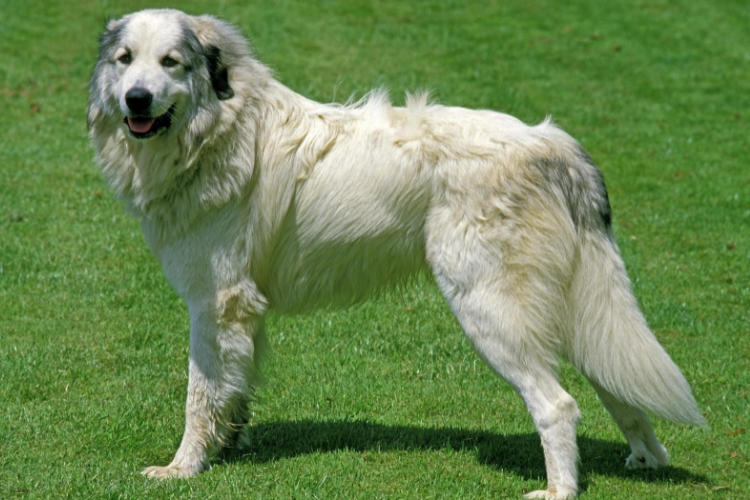
Great Pyrenees Look Majestic Until the All-Night Barking Starts

That giant fluff might be working overtime at night.

©Image license via Shutterstock

If you’re charmed by the regal silhouette of the Great Pyrenees—its thick white coat, calm approach and loyal guard-dog legacy—you’re not alone. But behind that majestic look lies a very real trait: persistent barking, especially at night. This working-breed origin means the Pyr is wired to patrol, alert and vocal. In this article we’ll walk through 10 reasons why those serene evenings can turn into full-on bark marathons, and how knowing the causes helps you manage the behaviour with respect and empathy.

Read more

13 Dog Breeds Scientists Say Are More Susceptible to Climate Stress

Heat, humidity, and altitude affect more than you think.

©Image license via Canva

As global temperatures climb, dogs face rising health risks that depend heavily on breed. Climate stress doesn’t affect all dogs equally—some breeds are built for arctic air, others for high speed, and many simply can’t cool down fast enough. Scientists studying canine physiology have found that body shape, coat thickness, and breathing structure all determine how well a dog can tolerate heat or cold. The findings paint a clear picture: climate change isn’t just a human issue anymore. It’s already reshaping how dogs live, breathe, and survive outdoors.

Read more

9 Hidden Dangers Behind Sudden Weight Loss in Dogs

When pounds drop fast, something deeper could be wrong.

©Image license via Shutterstock

A dog losing weight unexpectedly isn’t just a cosmetic change—it’s a biological alarm bell. While gradual weight loss can come from aging or activity shifts, a sudden drop often points to underlying disease. It’s easy to assume they’re just eating less or burning more, but what’s happening inside their body can be far more complex. Veterinarians warn that unexplained weight loss can signal organ failure, hormonal imbalance, or infection long before other symptoms appear. The sooner you notice it, the better their odds of recovery.

Read more

10 Early Clues Your Dog Might Have Thyroid Disease

The smallest hormone shifts can cause big changes.

©Image license via Canva

It often sneaks in quietly. One day your dog seems slower, the next they’re packing on weight despite eating the same amount of food. Thyroid disease in dogs is common but easily missed in its early stages. The thyroid gland, tucked neatly in the neck, controls metabolism and energy, so even slight dysfunctions ripple through the whole body. Spotting these clues early can mean catching the disease before it becomes lifelong medication and chronic fatigue. Here’s what to watch for before the symptoms blend into everyday aging.

Read more