Do Dogs Really Know Who’s Nice? New Science Questions the Myth

The idea that dogs judge character may not be as simple as we thought.
©Image license via Canva

For years, dog owners have repeated the story that dogs have a sixth sense about people. If your dog growls at someone, it must mean that person is untrustworthy. But new research suggests the truth isn’t so straightforward. Dogs respond to cues, not morals, and what we think of as character judgment might actually be something else entirely.

Scientists studying canine behavior found that dogs make decisions based on body language, tone of voice, and consistency of actions. That means what looks like “knowing who’s nice” may be a reflection of subtle signals humans don’t realize they’re giving off.

Read more

47,000 Dogs Studied: Scientists Say They Lost a Skill They May Never Get Back Since Covid

A worldwide study uncovered behavioral changes no one expected.

©Image license via Canva

During the pandemic, humans weren’t the only ones forced into isolation. Dogs, too, experienced a world stripped of their usual social cues, busy sidewalks, and everyday strangers. Now, research covering more than 47,000 dogs suggests that this disruption left a permanent mark. Some of the skills dogs once relied on to navigate human society may not return.

Scientists point to changes in how dogs interact with unfamiliar people and new environments. The absence of social exposure during critical development windows left gaps in behavior that can ripple into adulthood. What seems like a small shift could affect how dogs adapt to the world around them for years to come.

Read more

Are DNA Tests the Future of Early Dog Disease Detection?

Genetic testing is reshaping how we catch illnesses before they take hold.

©Image license via Canva

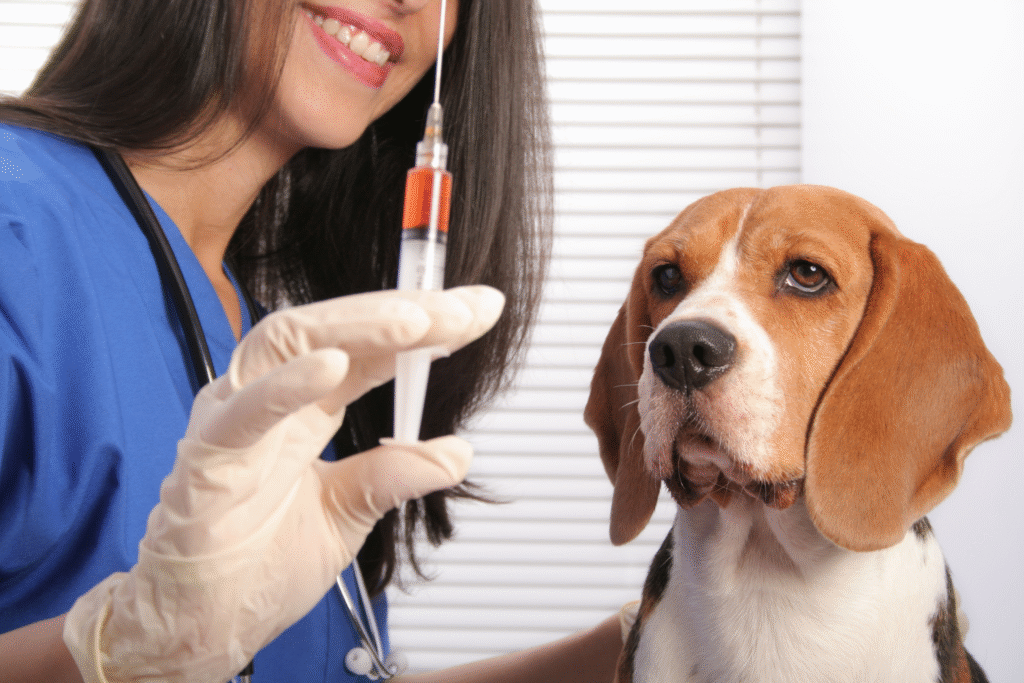
For decades, pet owners relied on visible symptoms and vet visits to uncover disease. By the time the signs appeared, it was often too late for early intervention. Today, DNA testing is shifting that balance, offering a look into a dog’s health long before trouble begins. It’s not science fiction—it’s diagnostics built on decoding genetic markers.

What makes this so compelling is that the technology isn’t limited to breeders or labs. Affordable at-home kits and advanced veterinary panels are already in circulation, quietly changing preventive care. The deeper we peer into canine DNA, the more we uncover about what might lie ahead.

Read more

Can Your Dog Actually Understand You? 12 Ways We Think They Do

Science and daily life keep showing us that dogs grasp more than we imagine.

©Image license via Pexels/Bob Jenkin

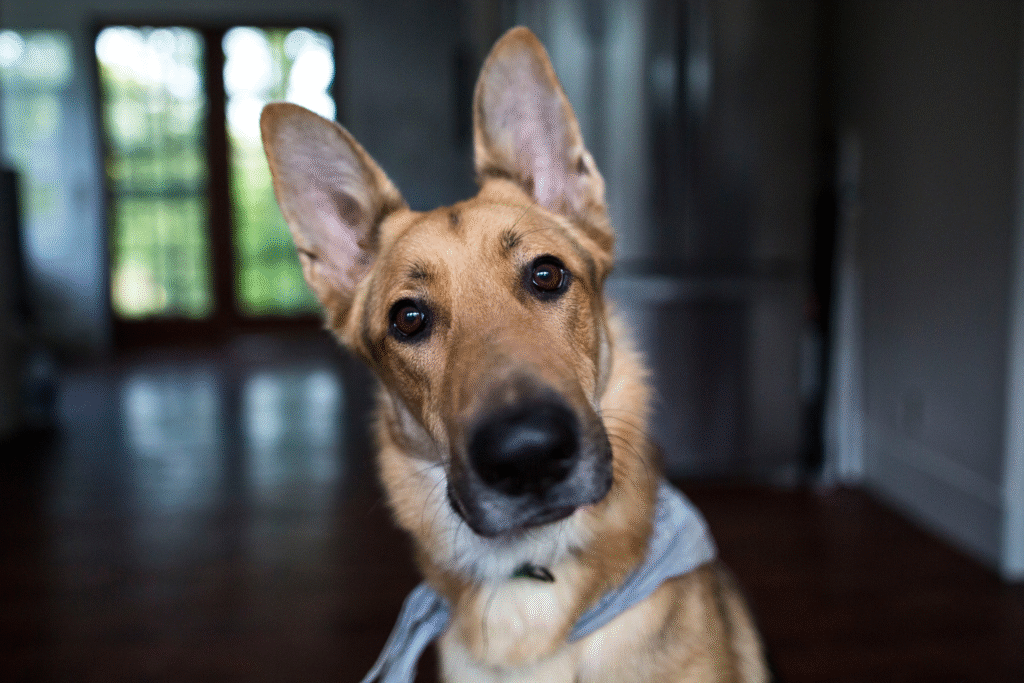
Ask any dog owner, and they’ll swear their dog gets them on some level. It’s not just the way tails wag at certain words, but how dogs tilt their heads, follow tone, and seem to anticipate actions before they’re spoken. Researchers have been studying these moments, and what they’re finding adds depth to what people already sense.

Dogs may not understand us like humans do, but they decode our cues with remarkable accuracy. From words to gestures to emotions, their comprehension reveals itself in everyday ways that are impossible to ignore once you start paying attention.

Read more

Rotterdam Mourns: Deadly Dog Attack Prompts National Crackdown

Animal welfare experts urgently demand sweeping policy reforms.

©Image license via Pexels/Gustavo Santana

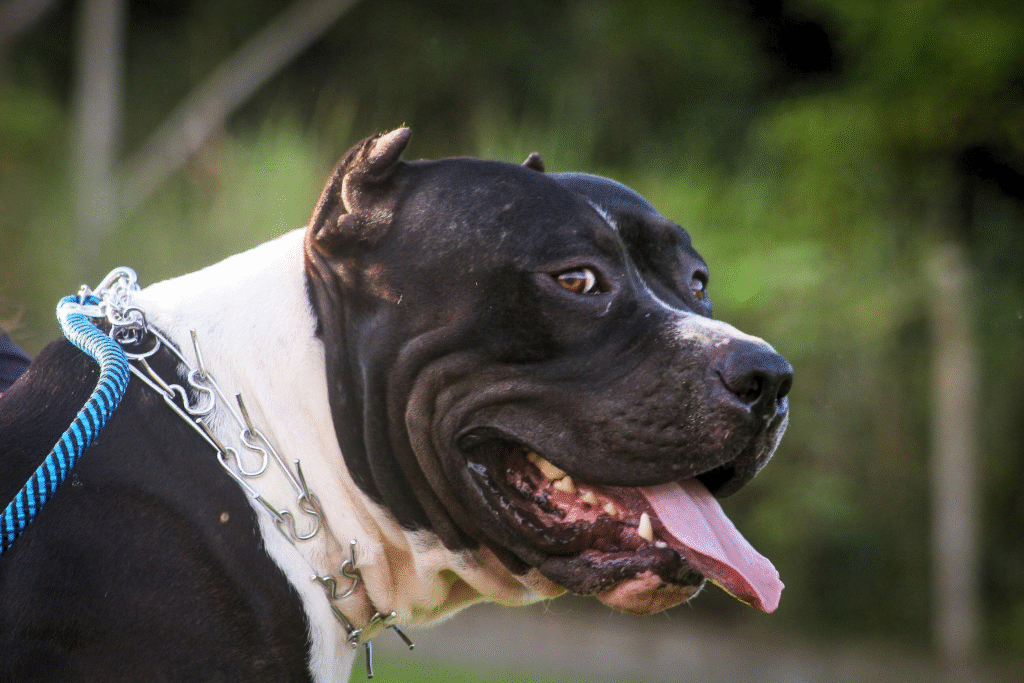
The Netherlands confronts a grim reality after two American Bully XL dogs killed a 66-year-old Rotterdam man in his own home last weekend. What began as a family tragedy has evolved into a catalyst for nationwide legislative pressure, with experts, politicians, and advocacy groups calling for immediate action to prevent future fatalities.

The incident has reignited debates about dangerous dog breeds, owner responsibility, and the adequacy of current safety measures across Dutch municipalities.

Read more