Scientists Develop Anti-Aging Drugs For Dogs: FDA Approval By 2026

Revolutionary longevity treatments are transforming veterinary medicine with promising clinical results.
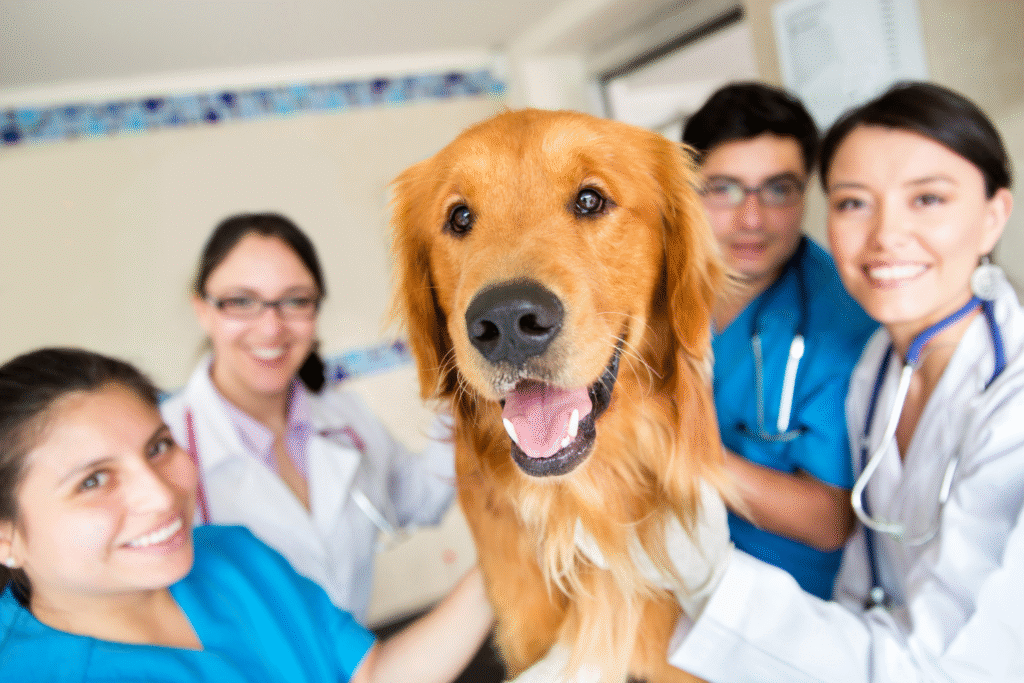
©Image license via Canva

Veterinary medicine stands at the threshold of a groundbreaking era where anti-aging drugs for dogs are moving from experimental labs to clinical reality. Multiple biotech companies are conducting advanced trials with compounds that target the fundamental mechanisms of aging in canines, showing remarkable early results in extending both lifespan and healthspan.

The momentum behind these developments has accelerated dramatically, with regulatory approval timelines becoming increasingly concrete. Dogs serve as ideal translational models for human aging research, experiencing similar environmental factors and age-related diseases while having naturally shorter lifespans that allow researchers to gather data more rapidly than would ever be possible with human studies.


Read more

10 Oldest Dog Breeds Still Roaming the World

These ancient companions have walked beside humans longer than most civilizations.

©Image via Canva

Dogs have been our partners for thousands of years, shaping the way we farm, hunt, guard, and even love. Some breeds carry stories in their very bones, their existence tracing back to ancient temples, nomadic camps, and royal courts. They are living history, walking proof that loyalty outlives empires.

When you look at these dogs, you aren’t just seeing pets—you’re seeing the descendants of creatures that stood guard over pharaohs, followed caravans across deserts, and slept beside hunters in ice-cold caves. These ten breeds have endured famine, war, and changing borders, yet still walk among us today.

Read more

Your Dog’s Gut Bacteria Could Be the Hidden Key to Their Anxiety

Tiny microbes in the stomach may hold more power over behavior than you think.

©Image via Canva

We often imagine a dog’s personality as something shaped by training, environment, or maybe even genetics. But researchers are finding that some of the biggest influences on behavior may be invisible, living quietly in the gut. Those trillions of microbes could be whispering signals straight to the brain, fueling stress or calming nerves.

If your dog paces the floor during storms or trembles in crowded spaces, it might not just be temperament. Science is uncovering surprising connections between digestion and emotion, suggesting that solving anxiety could begin not with obedience classes, but with the balance of bacteria in the belly.

Read more

Researchers Cracked the Code on a Dog’s Pain Face—And It Could Save Lives

Subtle changes in expression are revealing what words never could.

©Image license via Canva

Dogs have always communicated with us through wagging tails, eager eyes, and plaintive whines, but pain is a harder secret to unlock. Too often it’s hidden behind stoicism or mistaken for bad behavior. Researchers, however, have now decoded a set of facial cues that signal when a dog is suffering, and the implications are profound.

This discovery means veterinarians and owners alike might finally have a universal tool to recognize distress before it spirals into tragedy. A look that once went unnoticed could now be the difference between early treatment and needless suffering. Here’s what they’ve learned about the faces we thought we knew.

Read more

The Bizarre Habit of Dogs Sleeping With Their Head Hanging Off the Bed

This weird sleep habit actually makes perfect sense once you know why.

©Image license via Canva

You know that moment when you walk into your bedroom and find your dog completely zonked out with their head dangling off the side of the bed like they’ve given up on life. It looks absolutely ridiculous, and you probably wonder if they’re even comfortable sleeping like that.

Turns out, this goofy sleeping position isn’t random at all. Your dog has actually figured out some pretty clever reasons for sleeping this way, and once you understand what’s going on, you’ll realize they’re kind of genius for doing it.

Read more