15 Dog Breeds That Practically Train Themselves

The difference shows up the moment training begins.

©Image license via Canva

Training a dog often starts with the same routine for every owner: simple commands, plenty of repetition, and a lot of patience. Yet some dogs respond in a way that quickly stands out. They watch carefully, connect patterns faster than expected, and begin responding as if they already understand the goal. Trainers often notice this shift within the first few sessions, when certain breeds start anticipating cues rather than just reacting to them. What looks like natural talent is actually a mix of focus, memory, and eagerness to work with people. Once you recognize these traits, it becomes easier to see why some dogs seem to master training almost effortlessly.

Read more

Vets Say Kidney Failure in Dogs Often Begins With Hidden Triggers

Subtle warning signs many dog owners overlook.

©Image license via Canva

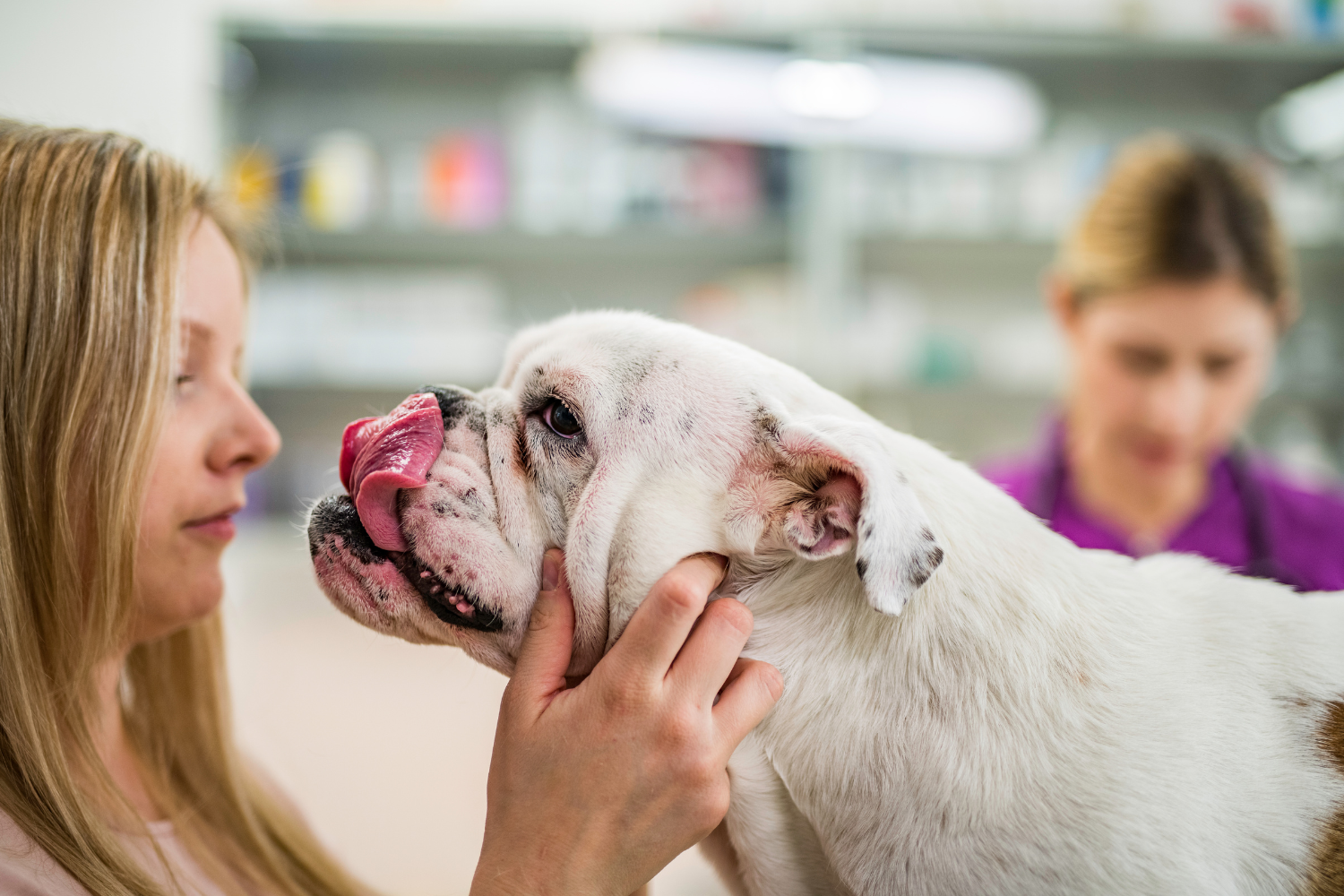
Kidney failure in dogs rarely begins with a dramatic warning. The first changes often unfold quietly, hidden beneath normal routines that seem harmless at first glance. A dog drinks a little less water one week, picks at food another, or seems slightly more tired after play. These subtle shifts can mask a deeper process already underway inside the body. Veterinarians say many of the triggers that damage canine kidneys are surprisingly ordinary, woven into daily life where they easily escape notice. By the time obvious symptoms appear, much of the damage may already be done. Understanding these hidden risks can help owners recognize trouble long before it becomes irreversible.

Read more

Vets Warn Owners of These 11 Dog Breeds And Costly Allergy Problems

Certain dog breeds carry higher risk for costly allergies.

©Image license via Canva

For many dog owners the first sign of allergies begins with a simple scratch. A paw chewed raw, ears that keep returning to infection, or a patch of skin that refuses to calm down. What appears minor can quietly grow into months or even years of treatments, special diets, medications, and veterinary visits. Veterinarians say some breeds arrive with a hidden disadvantage written into their genetics. Their immune systems react more aggressively to pollen, dust, food proteins, or environmental triggers. Understanding which dogs carry this risk can help future owners prepare for the possibility that the most expensive part of companionship may not appear until long after adoption.

Read more

Why Some Dogs Act Like Every Goodbye Is the End of the World

The behavior may reveal more about their instincts.

©Image license via Canva

Some dogs treat a simple trip out the door as if something far more serious is happening. The moment keys jingle or shoes scrape the floor, their mood shifts. Whining begins, pacing starts, and the calm rhythm of the house seems to unravel before anyone even reaches the handle. To people it can look exaggerated or theatrical. Yet inside the dog’s mind, something more complicated may be unfolding. Researchers studying canine behavior say departures can trigger powerful emotional responses shaped by attachment, memory, and biology. What appears to be a dramatic goodbye may actually be a glimpse into how deeply dogs experience the idea of being left behind.

Read more

10 Dogs That Simply Don’t Belong in Small Homes

Some breeds simply need far more space.

©Image license via Canva

Not every dog is built for compact living. While many breeds adapt comfortably to apartment life, others carry instincts, energy levels and physical presence that quietly collide with confined spaces. At first the mismatch can appear minor, a restless pace across the room or a burst of energy that rattles furniture. Over time those small signs grow into patterns owners struggle to manage. The problem is rarely about training or temperament alone. Certain dogs were shaped by work, movement and territory that extend far beyond apartment walls. When those needs remain unmet, the tension inside a small home can build faster than anyone expects.

Read more