12 Dogs That Never Get Adopted No Matter How Long They Wait

Shelters are filled with familiar faces that never seem to find a home.
©Image license via Canva

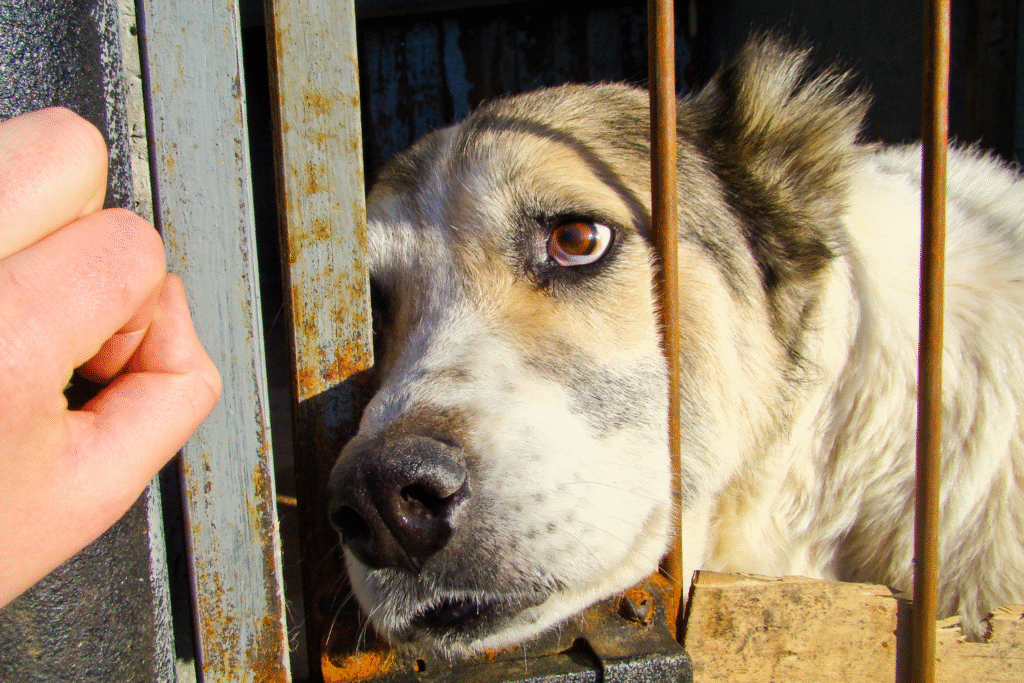
Every shelter has dogs that leave quickly—puppies, trendy breeds, the fluffy ones with big eyes. Then there are the others. They wait, day after day, while people walk right past their kennels. Volunteers know their names by heart because they’ve been there the longest.

The reasons vary. Some are unfair stereotypes, some are quirks that make them harder to place, and others are tied to looks alone. But all of them share the same heartbreaking reality: their chance at a forever home keeps slipping further away.
Read more

Top 15 ‘They’re So Ugly They’re Cute’ Dogs

Every lopsided smile and scruffy face hides a charm you cannot ignore.

©Image license via iStock

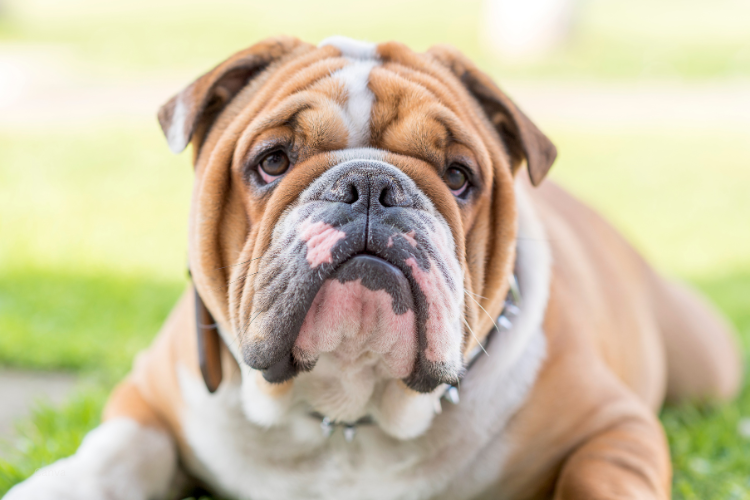
Beauty in the dog world does not always look polished. Sometimes it waddles in with too many wrinkles, an underbite, or a patchy coat that seems stitched together in chaos. These so-called “ugly” dogs, the ones overlooked at first glance, often end up stealing the most hearts.

What makes them irresistible is not perfection but personality. Their quirks, their odd shapes, their unforgettable faces—those are what make people fall in love. These fifteen breeds and mixes prove that ugly can be the most beautiful kind of love.

Read more

The Truth Behind Why Dogs Smile And What it Means

Scientists finally cracked the code on canine expressions after decades of research.

©Image license via Canva

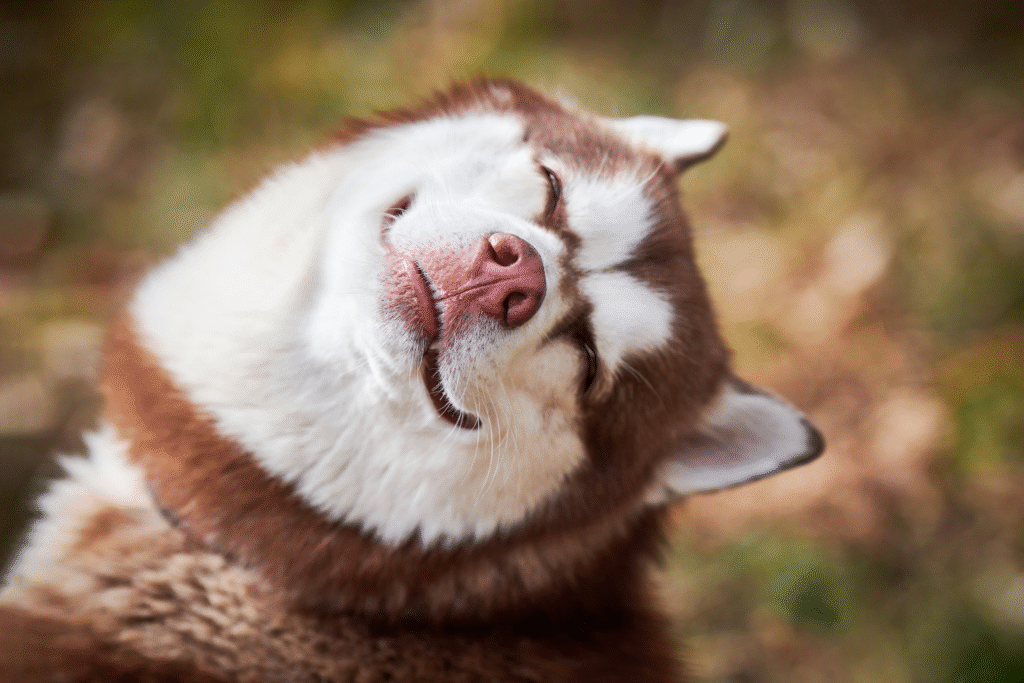
That goofy grin spreading across your dog’s face when you walk through the door isn’t just your imagination running wild. Dogs do make facial expressions, and they’re far more sophisticated than we ever realized. Recent breakthroughs in canine behavioral science have revealed that our four-legged companions use their faces to communicate in ways that would make a human diplomat jealous.

For years, scientists dismissed animal facial expressions as purely involuntary emotional displays. Now we know better, and the research is reshaping everything we thought we understood about inter-species communication.

Read more

Is Your Dog’s Underbite A Sign Of Hidden Health Problems Or Just Quirky Looks?

Underbites tell stories about genetics and health.

©Image license via Canva

That adorable lower jaw jutting out beyond your dog’s upper teeth might seem like nothing more than a charming quirk that makes their personality shine through their facial expressions, but the reality of canine dental architecture tells a far more complex story about skeletal development, genetic inheritance patterns, and potential health complications that extend well beyond cosmetic considerations.

While some underbites represent harmless genetic variations that create distinctive breed characteristics without compromising function, others signal underlying developmental issues or breeding practices that can lead to serious complications affecting everything from eating efficiency to respiratory function throughout your dog’s lifetime.

Read more

Effortless Companions: 12 Low-Maintenance Breeds For Busy Lives

These breeds evolved to thrive with minimal human intervention while maximizing companionship rewards.

©Image license via Canva

Modern life demands efficiency in everything, including our choice of canine companions, yet most people assume that all dogs require the same intensive daily maintenance routines that can consume hours of precious time. The reality reveals itself through evolutionary biology and selective breeding programs that have produced remarkable breeds whose genetic programming actually favors independence, self-regulation, and contentment with moderate exercise and attention levels.

These naturally low-maintenance breeds didn’t develop their easy-going characteristics by accident, but through centuries of purposeful development where survival depended on thriving without constant human oversight, creating dogs whose temperaments, grooming needs, and exercise requirements align perfectly with contemporary lifestyles that prioritize meaningful connection over time-intensive pet care routines.

Read more