How Lawmakers Helped Farm Animals in 2025

A wave of change quietly swept through barns and grocery aisles this year.
©Image via Canva

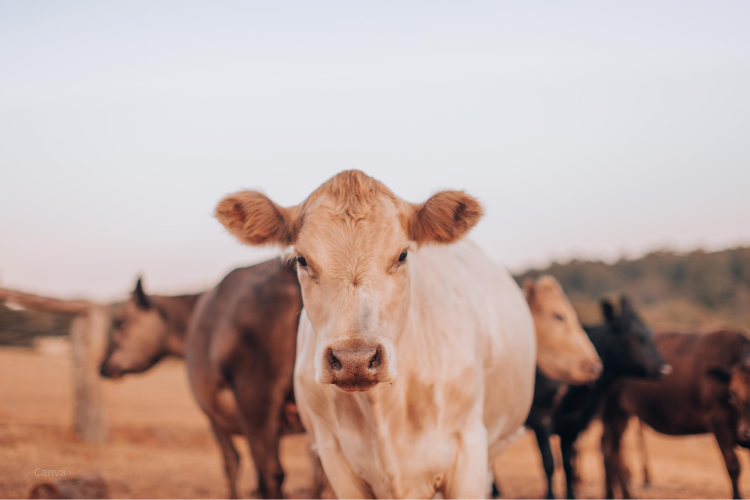
It’s not often that policy conversations feel like they’re actually improving lives—especially farm animal lives—but this year delivered more than talk. From state mandates to emergency pauses, lawmakers made real moves that ripple through how food is produced and sold.

And it wasn’t a tidy path. Political pushes collided with disease outbreaks and price surges, yet even amid chaos, change stuck. Let me walk you through eight shifts that reshaped the barnyard conversation.

Read more

People Are Being Arrested And Their Pets Are Paying the Price

Families vanish in an instant, and animals are left stranded.

©Image license via Picryl

When Immigration and Customs Enforcement shows up at a door, the focus is usually on the people being detained. But behind those doors are dogs waiting for their daily walk, cats expecting dinner, and birds relying on a familiar hand. In those moments, animals are left in limbo.

The arrests ripple out past the families themselves. Pets end up confused, abandoned, or funneled into overburdened shelters. Some never see their owners again. The human cost of detention is already heavy, but the silent suffering of pets has gone largely unreported.

Read more

10 Reasons Why Some People Think Domesticated Animals Should Not Exist

This controversial perspective challenges everything we assume about our relationship with pets and farm animals.

©Image license via Canva

Most of us grow up believing that domesticated animals are happy, natural parts of human civilization. We see dogs wagging their tails, cats purring on our laps, and cows grazing peacefully in pastures, assuming these relationships benefit everyone involved. The idea that domestication itself might be fundamentally wrong seems almost unthinkable to pet owners and animal lovers.

But a growing number of philosophers, ethicists, and animal rights advocates argue that domestication represents one of humanity’s greatest moral failures. They believe we’ve created entirely dependent species that can no longer survive without us, trapping billions of animals in relationships they never chose and cannot escape.

Read more

Housing Crisis Forces 72% of Pet Owners to Struggle Finding Affordable Pet-Friendly Rentals

The search for housing is hard enough, but adding a pet makes it nearly impossible.

©Image license via iStock

Across the country, renters are running into a wall. Landlords know demand is sky high, and many use that leverage to limit or exclude pets. For households already stretched by soaring rents, that added restriction can push people into heartbreaking choices.

It is not just about finding a place to live, but about keeping the family together. Pets are part of the home, yet the housing market often treats them like a burden. The gap between affordable rent and pet-friendly rent keeps growing, and it is tearing households apart.

Read more

Experts Warn Rising Temperatures Are Endangering Livestock As Farmers Struggle to Save Their Cattle

The financial devastation hitting agricultural communities is far worse than most people realize.

©Image license via Canva

The sight of cattle seeking shade under trees on a blazing summer day might seem normal, but scientists say we’re witnessing the early stages of an agricultural catastrophe that could reshape global food production. As temperatures climb relentlessly upward due to climate change, livestock across the world are facing unprecedented heat stress that’s literally killing animals and bankrupting farmers who can’t afford increasingly expensive cooling systems. What started as isolated incidents of heat-related livestock deaths has evolved into a systematic threat to global food security, with economic losses already reaching billions of dollars annually. The most troubling part is that this crisis is just beginning, and the farmers bearing the brunt of these losses are often the least equipped to adapt to our rapidly warming world.

Read more