Rescue Groups Are Seeing a Spike in Abandoned Pets After Disasters

When crises hit, pets are often left behind.

©Image license via PetsnPals/ChatGPT, Rescued cat during flood

After floods, fires, and storms, rescue groups across the United States report a troubling pattern. As communities scramble to recover, animals are surrendered, left behind, or found wandering damaged neighborhoods. The spike is not random. It follows evacuation orders, housing loss, financial strain, and overwhelmed shelters. From hurricanes in Florida to wildfires in California, the same outcome repeats. Pets become collateral damage when disaster response systems fail to fully account for them.
Read more

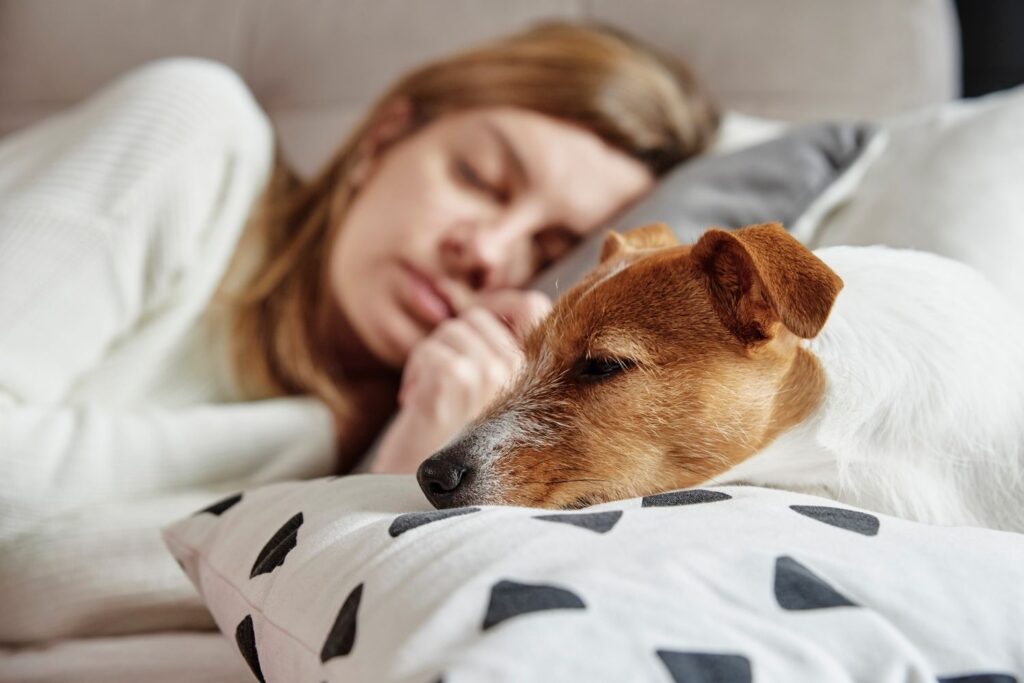
If Your Pet Sleeps in Your Bed, You Most Likely Have These 8 Traits

Science links sleep habits to emotional wiring.

©Image license via Canva

Sharing a bed with a pet often starts as a small exception and quietly becomes routine. Over time, that choice reflects how someone handles closeness, stress, and comfort when defenses are lowest. Sleep is one of the most neurologically vulnerable states humans enter each day. Who we allow into that space reveals patterns in attachment, regulation, and empathy that show up elsewhere in life. Research in psychology and neuroscience suggests that people who sleep beside their pets tend to cluster around specific emotional and behavioral traits shaped by both biology and experience.

Read more

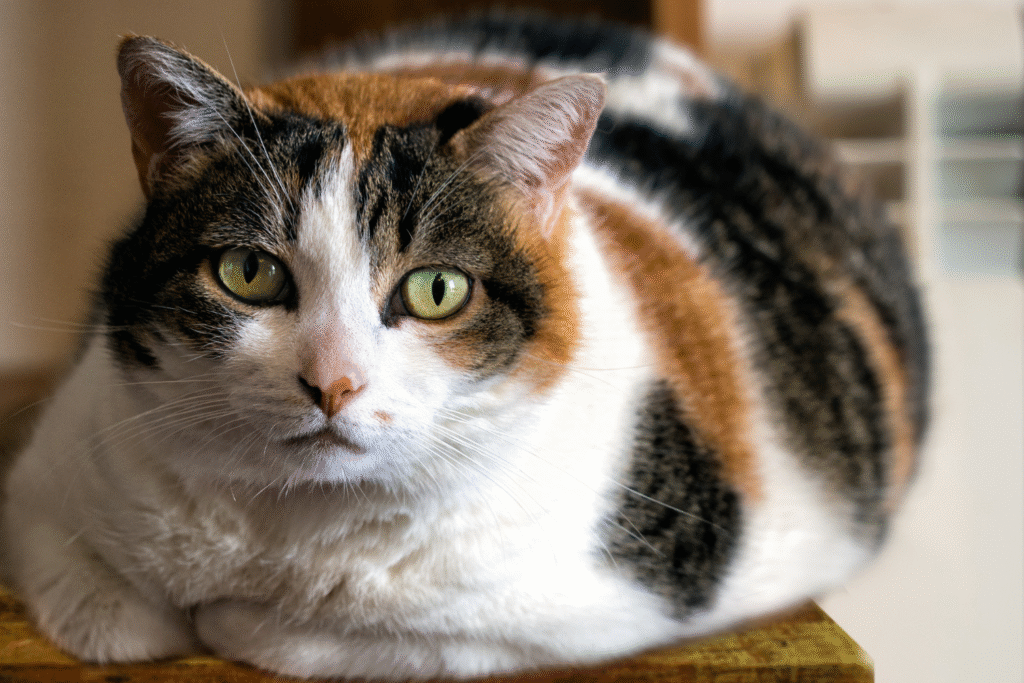
60 Percent of Dogs and Cats Are Now Too Fat to Stay Healthy, According to a New Global Study

A startling rise in pet obesity trends.

©Image license via Canva

Pet owners around the world are now facing a sobering statistic: more than half of dogs and cats may be overweight or obese. A sweeping global survey indicates that 60 percent of domestic dogs and cats now carry excess weight, raising serious health concerns. The trend reflects diet changes, less activity and evolving lifestyles that affect pets as much as people. Over the next eleven points we’ll explore the causes, consequences and what this means for the animals we love, in a way that helps make sense of the problem and what might be done about it.

Read more

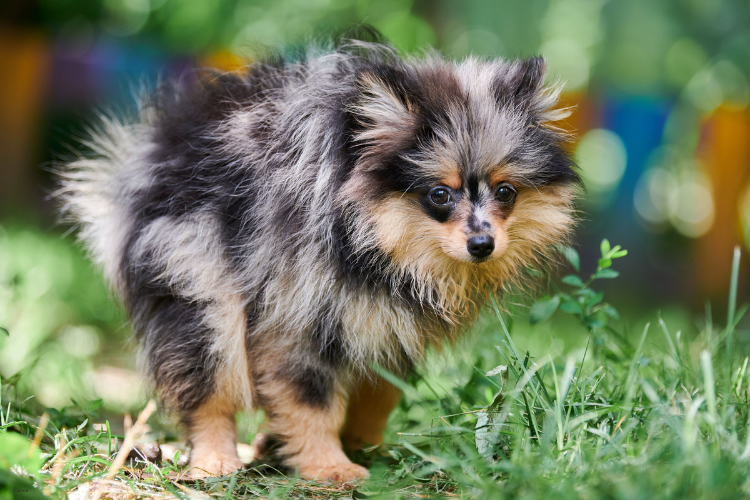
Ever Wonder Why Your Pet Stares at You While They Poop?

Science explains your pet’s bathroom weirdness perfectly.

©Image license via Canva

Every pet owner has experienced that moment—your furry friend assumes the position, locks eyes with you, and maintains unwavering contact throughout their entire bathroom experience. It’s simultaneously hilarious and slightly uncomfortable, leaving you wondering if you should look away or acknowledge this intimate moment. Turns out, there’s actual science behind this bizarre behavior that goes way deeper than you’d expect. Your pet isn’t being weird for the sake of being weird—they’re displaying complex evolutionary behaviors that reveal just how much they trust and depend on you.

Read more

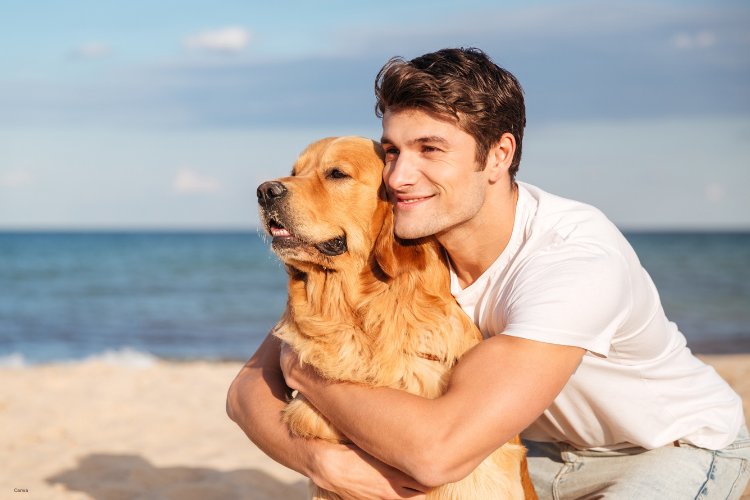
More People Admit They’d Rather Cuddle a Pet Than Their Partner: 10 Reasons Why

Science explains our furry friend preferences clearly.

©Image license via iStock

Modern relationships face an unexpected rival for affection, and it has four legs, a tail, and an irresistible urge to snuggle. Recent surveys reveal a surprising trend that’s reshaping how we think about intimacy and companionship in the digital age. A growing number of people openly admit they prefer cuddling their pets over their human partners, with studies showing that 66% of pet owners would choose their furry friends for comfort over their significant others. This phenomenon isn’t just about cute animals—it’s rooted in fascinating psychological and physiological mechanisms that reveal fundamental truths about human bonding, stress relief, and our deepest emotional needs.

Read more