Locked in Ice for 30,000 Years, Ancient Viruses Are Now Reappearing

The Ice Is Not as Silent as It Looks

©Image license via Flickr/Asia Society

For thousands of years, the Arctic has acted like a vault no one could open. Beneath its frozen ground lie layers of soil untouched by sunlight, sealed away from air, pressure, and time itself. But that seal is weakening. As temperatures climb and ancient permafrost softens, scientists are beginning to glimpse what has been preserved below the surface. It is not just bones or plant remains. It is something far smaller, far older, and far less understood. What is emerging from the thaw is forcing researchers to reconsider what the frozen Earth has been holding in suspension all along.
Read more

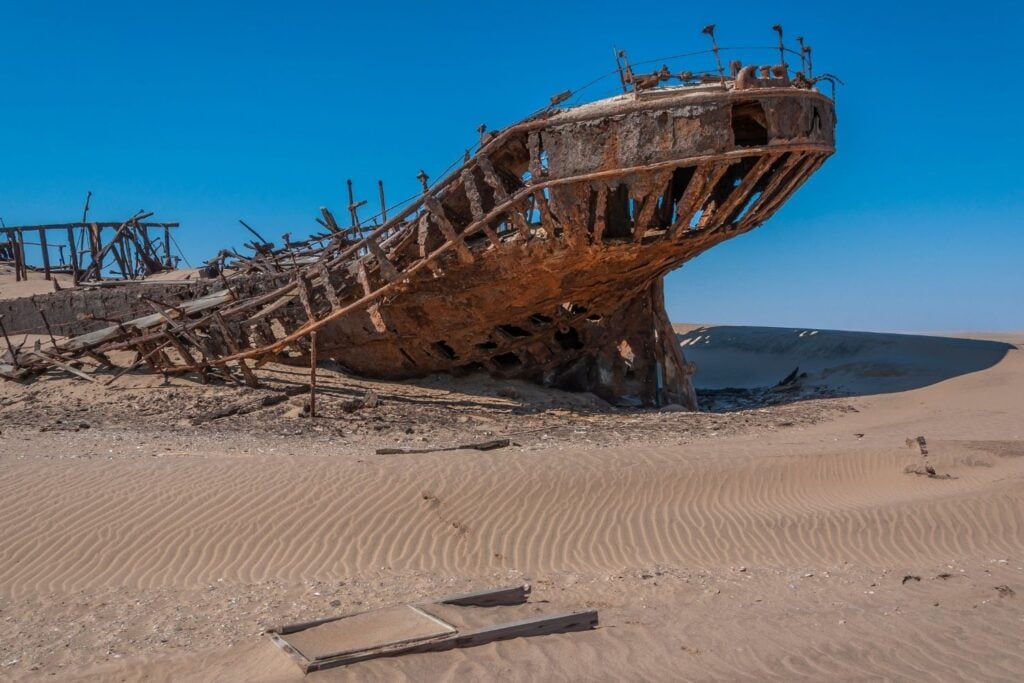
Buried in the Desert for 500 Years, and Possibly Loaded With Gold

A Ghost Ship Waited Beneath the Sand for Centuries

©Image license via Canva

It sounds like the opening scene of a legend. A ship vanishes at sea during the Age of Discovery, its cargo rumored to glitter with fortune, its crew erased from record. Then, centuries later, in one of the driest places on Earth, the past breaks the surface. Beneath wind-swept desert and hardened sediment, timbers, metal, and treasure emerge as if time miscalculated. What was once swallowed by ocean and sand now forces historians to confront a frozen moment from half a millennium ago. The question is no longer whether the ship existed. It is what else has been waiting, perfectly preserved, for this exact discovery.

Read more

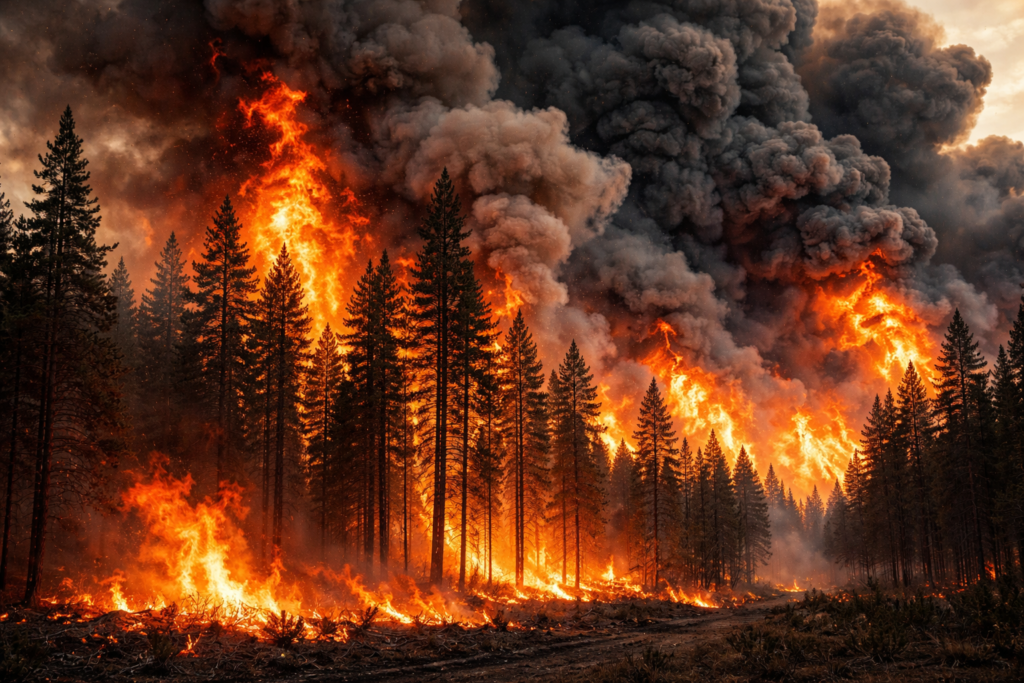
New Analysis Shows Wildfire Smoke Emerging as a Major Killer in a Warming World

The smoke itself is becoming the threat.

©Image PetsnPals/AI generated image

When wildfires burn, the danger feels distant, contained within flames and evacuation lines on a map. But something far less visible drifts beyond the fire zone and settles into cities, suburbs, and lungs. The haze that blurs skylines carries particles small enough to slip past the body’s defenses, triggering crises that unfold quietly in emergency rooms and living rooms alike. What researchers are uncovering suggests the true toll of wildfire seasons may not be measured in acres lost, but in lives altered long after the sky clears.

Read more

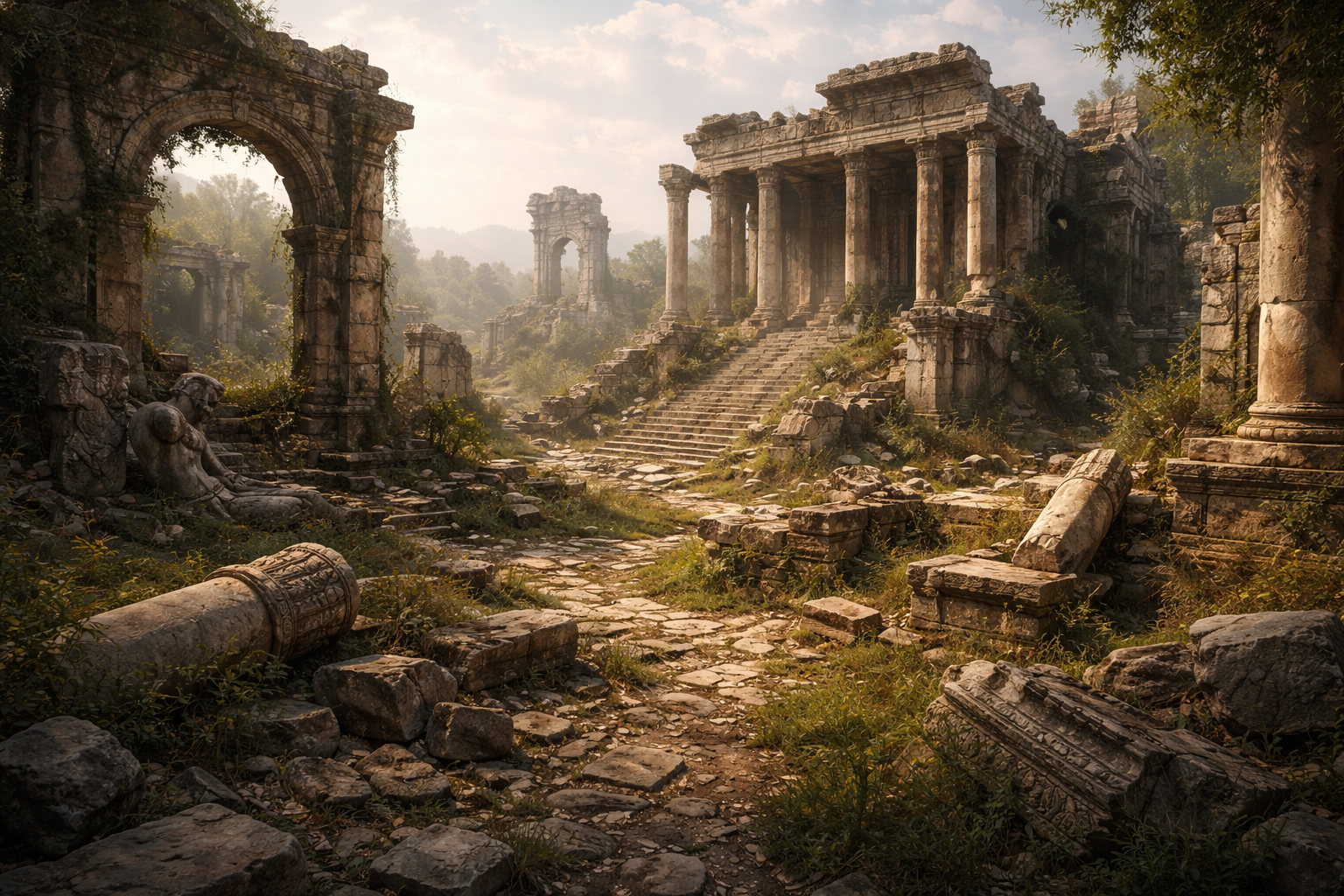
Did Humanity Inherit a World Shaped by Someone Else?

Earth may have forgotten someone.

©Image PetsnPals/AI generated image

It sounds impossible at first. Our species prides itself on being the first to shape landscapes, alter climate, and leave lasting scars on the planet. Yet when scientists began asking how long such scars truly endure, the answers grew unsettling. Geological time erases cities, metals, even continents with quiet efficiency. If another intelligent society had risen and fallen millions of years ago, would we even know? The question is no longer confined to fiction. It has become a scientific exercise in how to read a planet’s deepest layers for traces that might not want to be found.

Read more

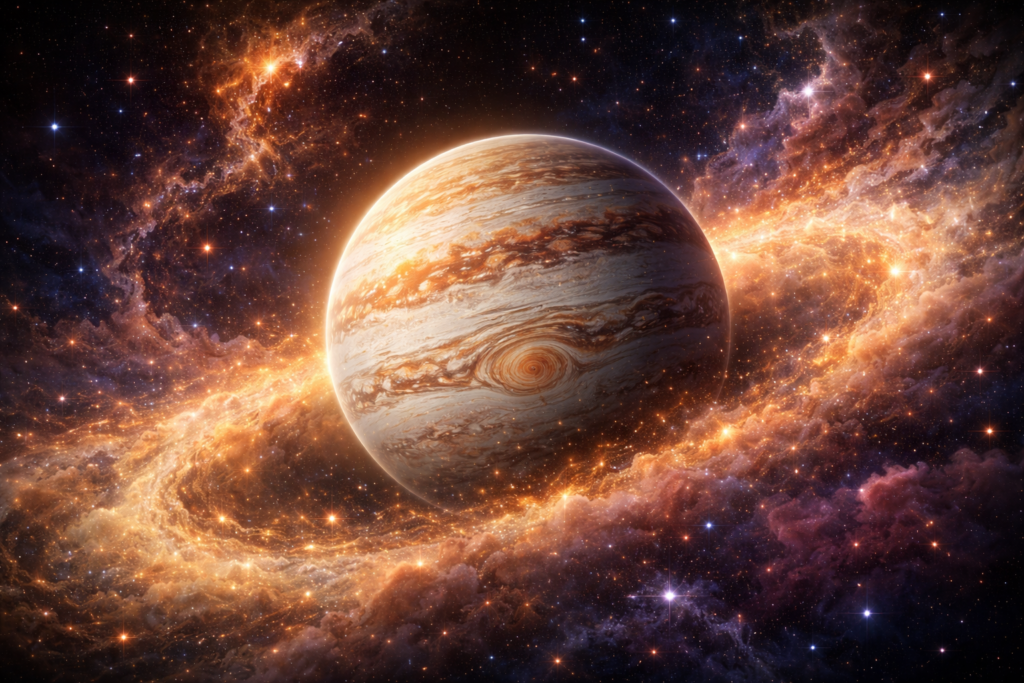
Scientists Uncover Signs of a Violent Chapter in Jupiter’s Deep Past

The largest planet holds clues we were not meant to see.

©Image PetsnPals/AI generated image

For centuries, Jupiter appeared as little more than a striped giant circling far beyond Earth, its secrets sealed beneath endless clouds. But deep inside that churning world lies evidence of a beginning far more violent than once imagined. New measurements have forced scientists to reconsider how the solar system’s first giant truly came into being. The story emerging is not one of slow, orderly growth, but of chaos, shattered cores, and impacts powerful enough to reshape planetary destinies. In understanding Jupiter’s birth, we may finally be understanding our own.

Read more