Hubble’s Deepest Ultraviolet Survey Just Revealed Something Enormous

A deeper look reveals a sky far less empty than we believed.
©Image license via Picryl

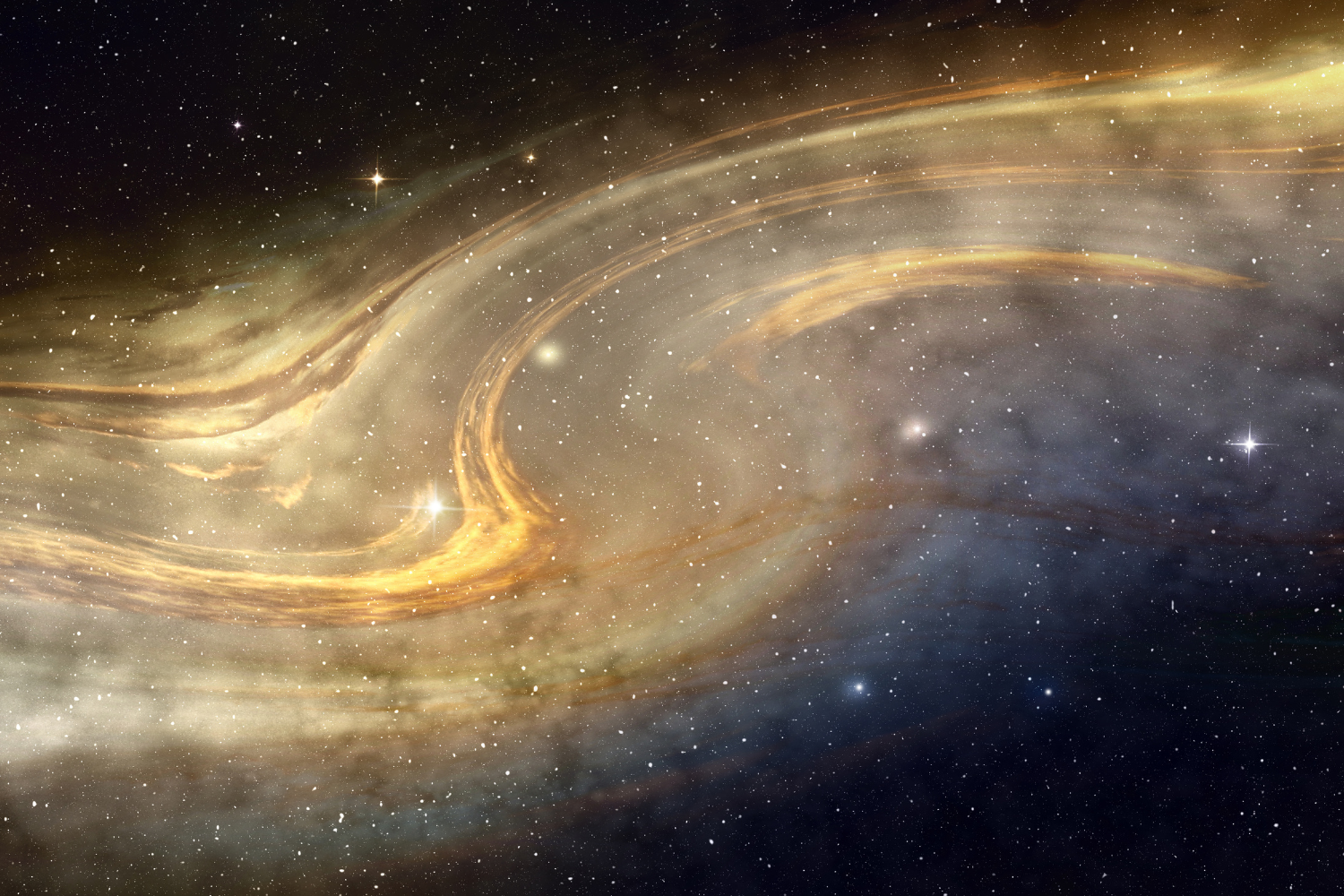
For decades, astronomers have stared into patches of darkness and counted what they could see. Each improvement in technology added a few more galaxies to the ledger, stretching our sense of scale just a little further. But when Hubble turned its attention to the universe in ultraviolet light, something unexpected happened. Regions once thought sparsely populated began to glow with hidden structure. The familiar cosmic map started to feel incomplete. What looked like distant emptiness now hints at staggering abundance, and the implications ripple through every model of how the universe formed and evolved.
Read more

Ancient Wrappings Concealed His Face for 3,000 Years Until Now

A royal face has emerged from silence.

©Image license via Wikimedia Commons/Saleem and Hawass

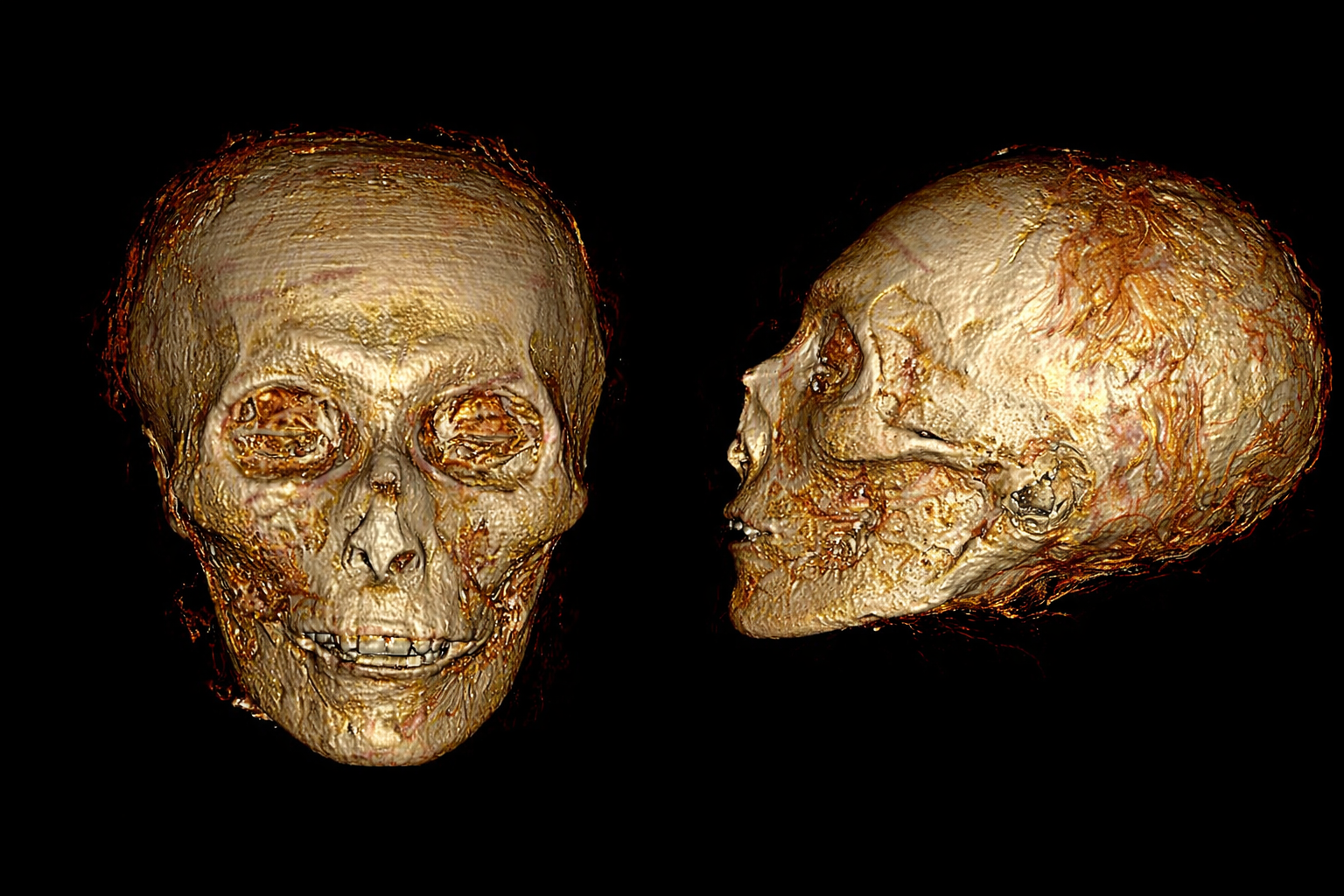
For generations, one Egyptian king remained sealed behind perfect linen, his features hidden even as other mummies were unwrapped in the name of curiosity and science. His wrappings stayed intact, untouched out of caution and reverence. Yet beneath those layers rested a story frozen in time, preserved with astonishing care. Modern imaging has now done what chisels and hands never dared, slipping through fabric without tearing a thread. What appears beneath is not just bone and ornament, but something far more intimate, a presence that feels less like an artifact and more like a man.

Read more

The ‘Climate Change Is Natural’ Argument Has Collapsed

The data tells a very different story.

©Image license via Canva

It sounds reasonable at first. Climate has shifted before. Ice ages came and went. Volcanoes erupted. The Sun pulses in cycles. So maybe this is just another turn of Earth’s long natural rhythm. That explanation has lingered for years because it feels comforting. If change is natural, then it is beyond blame. But when scientists began stacking ice cores, satellite readings, isotope ratios, and atmospheric measurements side by side, something unsettling emerged. The patterns did not line up with past cycles. They pointed somewhere far more specific, and far closer to home.

Read more

9 Newly Discovered Worlds May Be Capable of Supporting Life

Nine distant worlds are closer to answering an ancient question.

©Image PetsnPals/AI generated image

Somewhere beyond our night sky, nine planets circle their stars at just the right distance to keep a delicate balance. Not too hot. Not too cold. For decades, astronomers have searched for places that mirror Earth’s quiet stability, wondering how rare that balance truly is. Now, new detections are forcing scientists to reconsider how common such worlds might be. These planets are not identical to ours, and they are not close enough to visit. But their existence shifts something fundamental about what we thought was possible. And the implications stretch far beyond astronomy.

Read more

Webb Telescope Captures Objects Scientists Have Never Seen Before

Tiny red lights hint at something far stranger.

©Image PetsnPals/AI generated image

In the deepest images ever taken of the early universe, faint crimson dots appear where nothing so compact should exist. They are too bright for their size, too small for their glow, and too numerous to dismiss as flukes. Astronomers expected young galaxies. Instead, they found objects that refuse to fit neatly into known categories. Some researchers now suspect these specks could represent a hidden stage in cosmic history, one involving black holes wrapped in thick veils of gas. If that idea holds, it suggests the universe’s first chapter unfolded very differently than scientists once believed.

Read more