There Are Planets With No Sun at All, Scientists Just Cracked the Case

They drift through the galaxy, cold and completely alone.
©Image via Canva

For most of modern astronomy, planets were defined by a simple rule. They circled stars, warmed by their light and shaped by the gravity of their solar systems. But over time, astronomers began spotting faint signals that didn’t fit that tidy picture. Strange objects appeared where no star seemed to exist, moving through space in silence. At first, the idea sounded improbable. A planet without a sun seemed like a contradiction. Yet observations kept hinting at the same possibility again and again. As telescopes improved and new detection methods emerged, scientists realized they were glimpsing something far stranger than expected: entire worlds traveling the galaxy alone.

Read more

Why So Many Young Adults Feel That Things Are Falling Apart

A generation senses instability long before systems admit it.

©Image license via Canva

For millions of younger adults entering adulthood today, the ground beneath everyday life feels less stable than it once did. Housing costs surge, student debt shadows early careers, and the future of work itself appears uncertain. Global crises stream into phones every hour. The result is not just stress, but a creeping sense that the systems meant to provide stability may be fraying. What younger generations are feeling is not simple pessimism. Something deeper may be unfolding.

Read more

A Giant Space Object Is Set to Pass Unusually Close to Earth

Its trajectory brings it nearer than many orbiting satellites.

©Image license via Canva

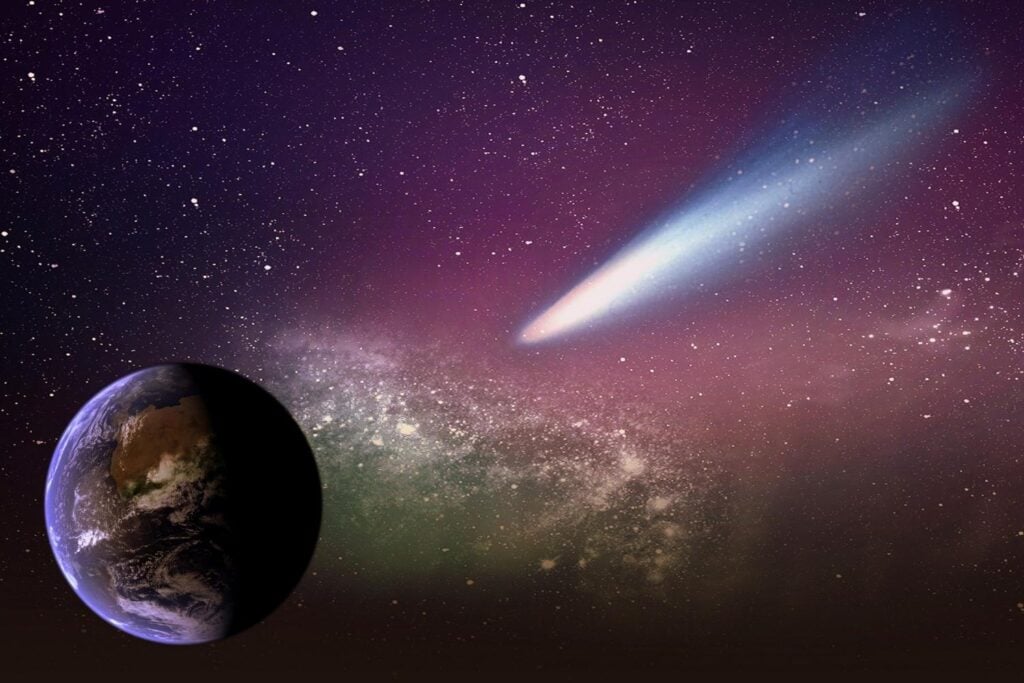
Astronomers spend most of their time watching objects that remain safely distant, tiny specks of light moving predictably across the sky. But every so often, something far larger enters the picture and suddenly the margins between Earth and space feel much thinner. A massive asteroid known as Apophis is preparing for one of the closest flybys scientists have ever tracked for an object of its size. The approach has drawn intense attention from observatories around the world, not because it threatens a collision, but because encounters this close almost never happen. For a brief moment, a mountain of rock from deep space will sweep astonishingly near our planet.

Read more

Something Is Changing the Chemistry of the Oceans

Marine ecosystems may be facing unexpected biological stress

©Image license via Canva

For generations the ocean seemed limitless, stable, and largely immune to human influence. But scientists say something fundamental is changing beneath the waves. As the atmosphere fills with more carbon dioxide, the ocean is absorbing vast amounts of it, quietly altering the chemistry of seawater itself. Researchers are now tracking shifts that ripple through marine life, from microscopic plankton to the fish that feed billions of people. What appears to be a subtle chemical change could reshape entire ocean ecosystems.

Read more

The Prospects of Finding Alien Life Just Increased

The cosmic census just became far more interesting.

©Image license via Canva

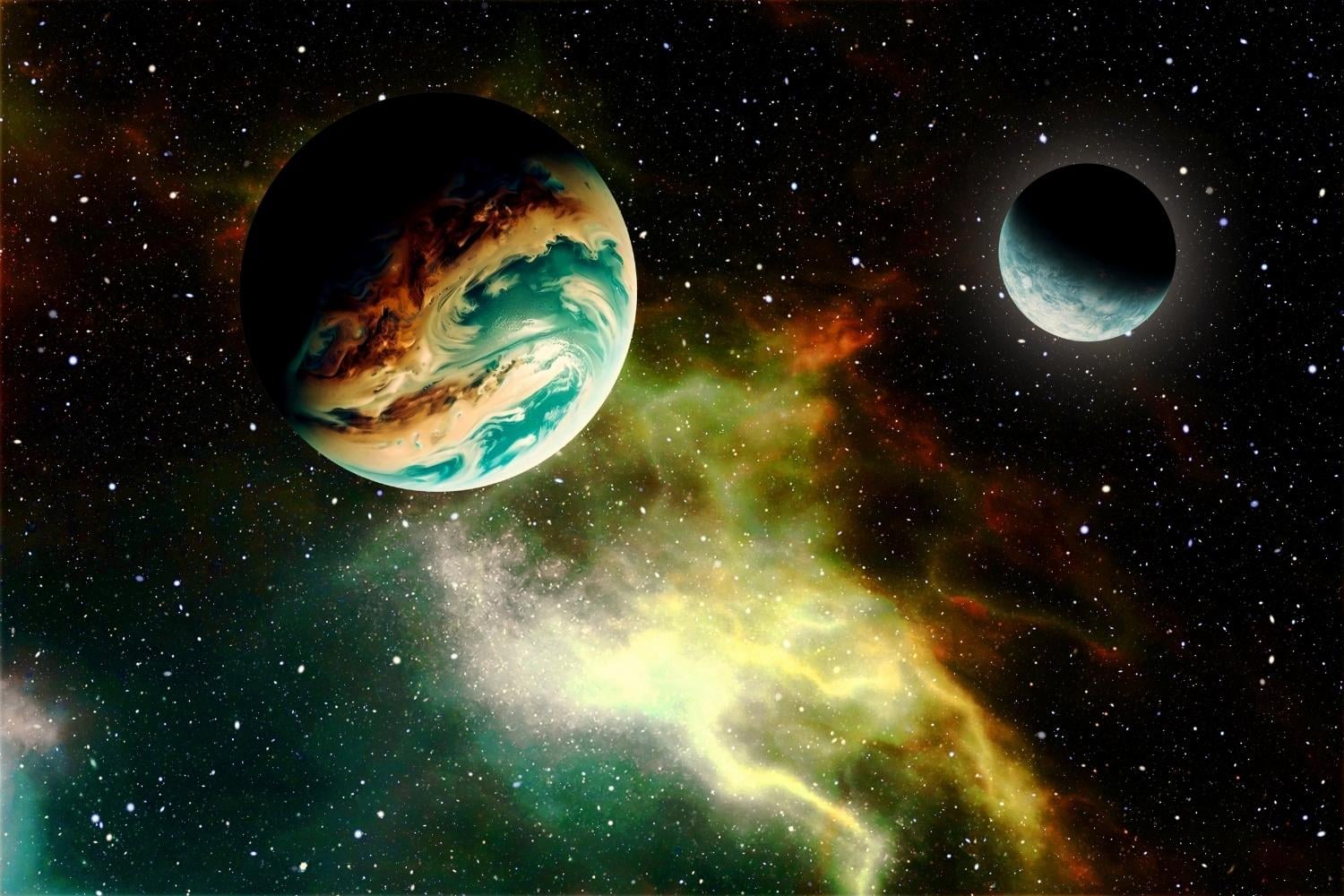
Astronomers once wondered whether planets existed anywhere beyond our solar system. Now the question has flipped entirely. With more than six thousand confirmed exoplanets cataloged, the night sky no longer feels like an empty expanse dotted with stars. It looks more like a vast archipelago of hidden worlds, each orbiting its own distant sun. Some scorch under constant stellar heat, others drift through deep cold, and a few sit in zones where liquid water might exist. The growing list is doing more than adding numbers to a database. It is steadily changing how scientists estimate the odds that life might arise somewhere beyond Earth.

Read more