Tourist Files Lawsuit After Being Gored by a Bison

A violent encounter raises unanswered questions in New Mexico.
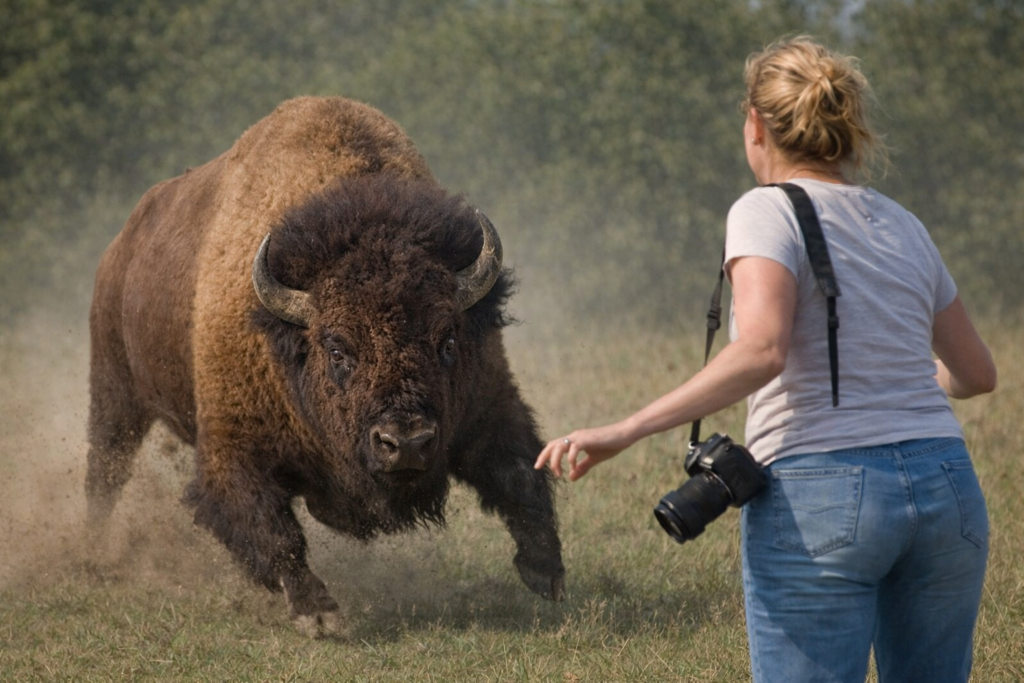
©Image license via PetsnPals/ChatGPT, Illustration of Bison Charging Tourist

A vacation in northern New Mexico ended in bloodshed, confusion, and now a courtroom battle. A tourist says she was seriously injured during what was presented as a routine, even charming, animal interaction at a rural property near Truchas. A lawsuit now alleges negligence, inadequate warnings, and preventable risk. What happened that day, who bears responsibility, and how the encounter unfolded are now matters of legal record. The facts emerge slowly, shaped by competing accounts, official filings, and mounting questions about safety where wildlife and tourism overlap.
Read more

Orange Water Is Appearing in Alaska’s Wild Rivers, Raising New Alarms

The color is only the first signal of a deeper shift.

©Image license via Canva

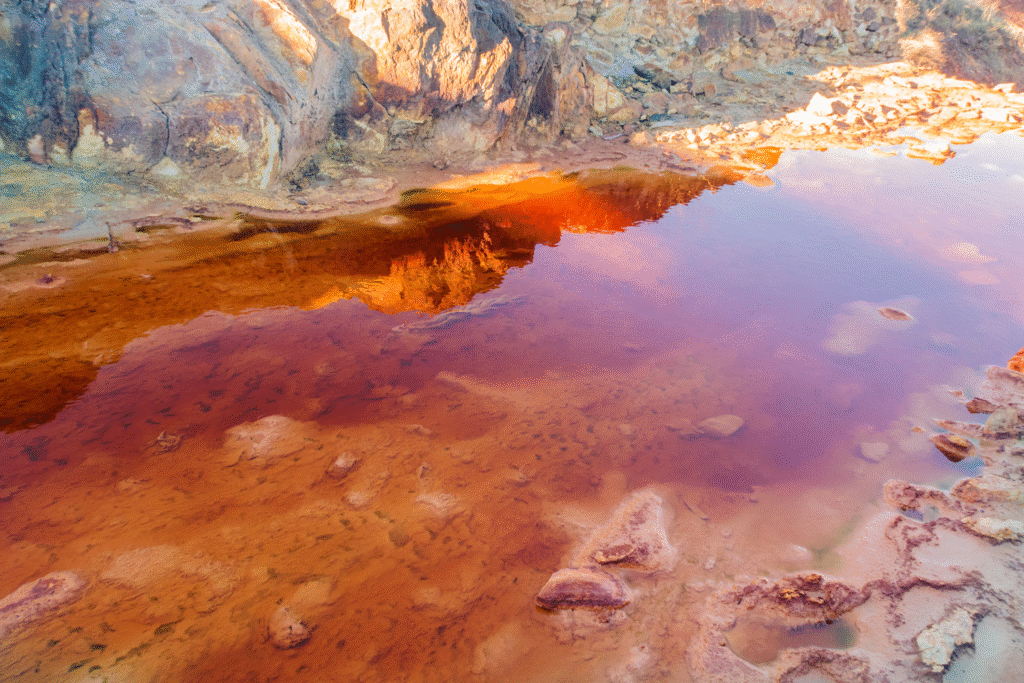
In Alaska’s remote backcountry, rivers once known for their icy clarity are taking on an unexpected orange hue. The change is appearing in watersheds long considered beyond disturbance, far from roads, mines, or industry. What unsettles researchers is not just the color, but how widely it is spreading. Streams that once ran clear year after year are shifting in ways that do not match normal seasonal patterns.

The transformation carries consequences that reach beyond appearance. These waters support wildlife, fisheries, and communities that depend on their stability. Scientists tracing the source are finding signals that point deep underground, where frozen landscapes are beginning to change. What emerges is not simple sediment, but water altered at its source. The orange tint is the first visible sign of a process still unfolding beneath the surface.

Read more

A Growing Threat Is Pushing Madagascar’s Rarest Frogs Toward Extinction

The warning signs are there, but they don’t point to a single cause.

©Image license via Flickr/MantellaMan

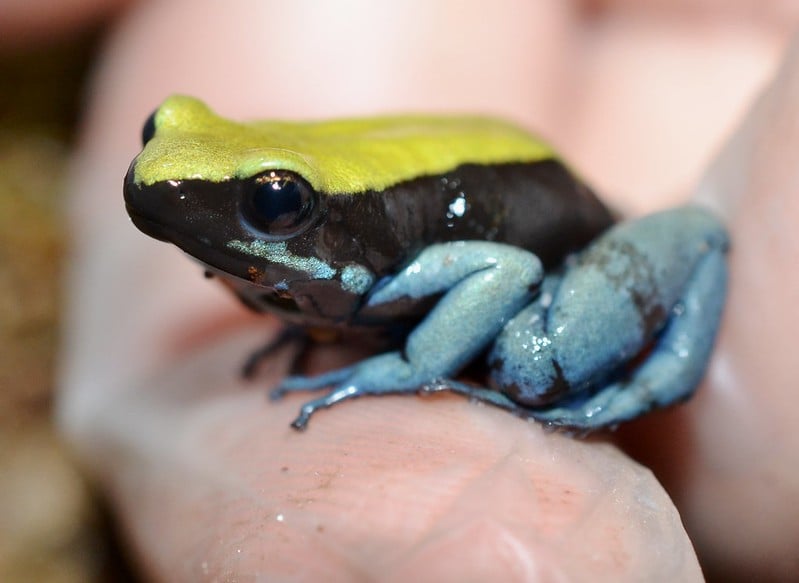
Madagascar’s rainforests are home to frogs found nowhere else on Earth, species so tightly bound to the island that they exist within single valleys, streams, or elevations. Some are no larger than a fingernail, others shimmer with colors that seem unreal. That extreme specialization makes them extraordinary, and dangerously vulnerable. When one population disappears, there is no backup elsewhere.

Because these frogs are endemic, their loss would erase entire evolutionary lineages, not relocate them. Their calls once signaled healthy forests and stable food webs, regulating insects and cycling nutrients in ways that kept ecosystems steady. Now researchers are finding silence where abundance should still exist, suggesting an extinction wave already moving through the canopy. The pattern suggests not isolated loss, but a broader unraveling already underway.

Read more

14 Signs Kids Are Growing Up in Survival Mode

When simply getting through the day starts to matter more than growing up.

©Image via Canva

For many kids, childhood no longer feels like a protected stretch of trial and error. It feels monitored, compressed, and quietly heavy. Small behaviors are shifting first, the way they plan, worry, conserve, and adapt. Adults often mistake these changes for maturity or resilience, but something else may be happening underneath.

Survival thinking does not announce itself loudly. It settles in slowly, reshaping priorities before anyone realizes play has been replaced by preparation. This list looks at the subtle signals that suggest childhood is being rewritten in real time.

Read more

The Snake Responsible For the Most Deaths Worldwide is Not What You Think

Its danger hides in places people least expect.

©Image license via Canva

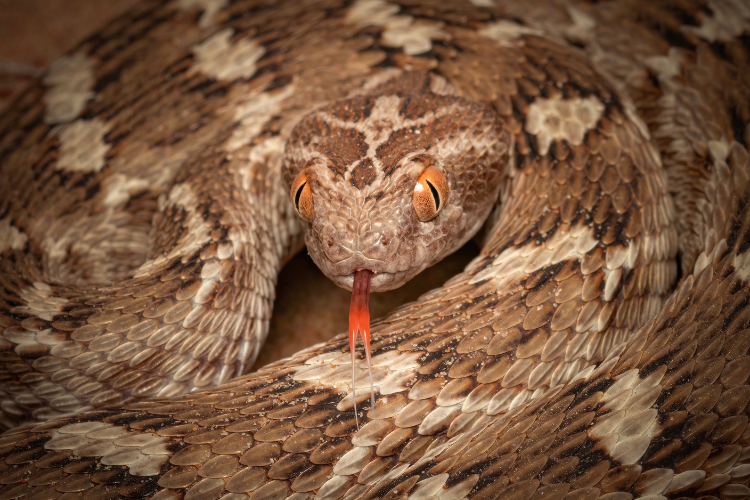
Fear usually follows spectacle. Bright colors, raised hoods, dramatic strikes. Yet the deadliest snake on Earth does not rely on fear to succeed. It lives close to people, moves through ordinary landscapes, and rarely announces itself before contact occurs. Deaths accumulate not through rare encounters, but through repetition. Across multiple continents, the same pattern unfolds again and again, where routine activities intersect with biology, limited medical access, and a predator that thrives in human proximity. The danger is not exotic. It is familiar, underestimated, and deeply embedded in daily life.

Read more