The forces driving up your grocery bill are more complex than you think.
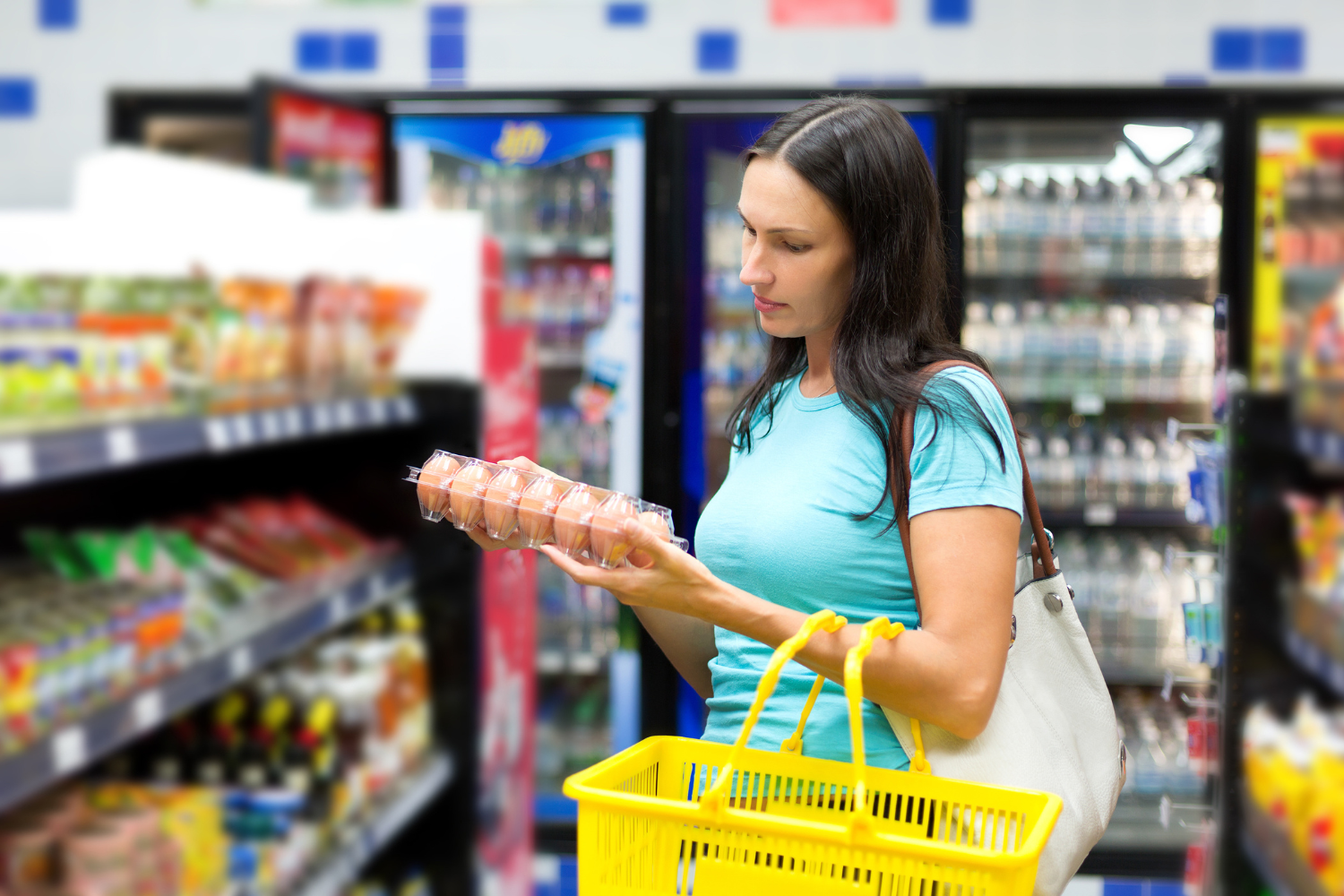
At the checkout, the numbers feel personal, almost arbitrary. Prices climb item by item, while the reasons stay oddly vague. It is easy to blame a single cause, a bad harvest, a strike, a policy shift, yet the increases keep coming even when those explanations fade. Behind the shelves, forces are stacking in ways most shoppers never see.
Some are slow and structural. Others move suddenly, triggered far from farms or factories. Together, they are reshaping what food costs and how fragile the system really is. What feels like sticker shock may be an early signal of something far larger quietly tightening its grip.