Floods in Texas Just Exposed a Predator and Its Prey Frozen in Stone

The ground recorded a moment that never finished unfolding.
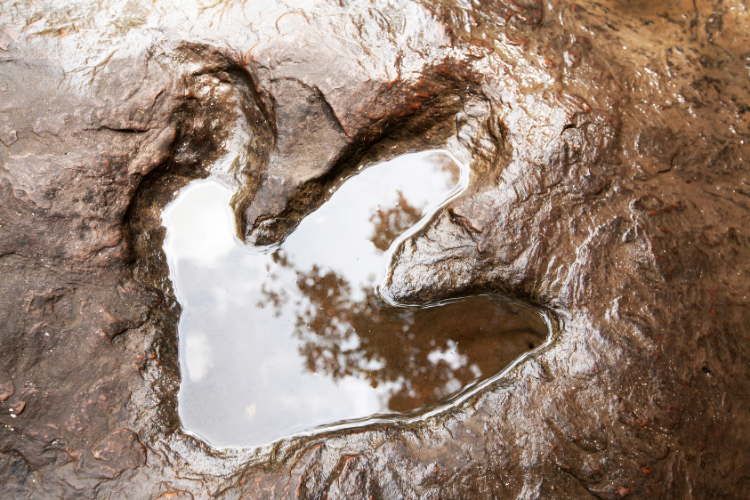
©Image license via Canva

When floodwaters finally receded from a Texas riverbed, they left behind more than exposed stone. Pressed into the surface were shapes that did not belong to the present, impressions made by movement, weight, and urgency millions of years ago. The tracks were not scattered at random. They appeared together, aligned in a way that suggested interaction rather than coincidence.

One set belonged to a massive predator, the other to plant eating dinosaurs moving through the same space. Preserved side by side, the footprints hint at pursuit, proximity, and tension frozen mid event. What the floods uncovered was not just evidence of dinosaurs, but a single moment locked into the landscape and waiting to be seen again.
Read more

Why More Than One Billion Marine Animals Have Vanished From the Pacific Northwest

A billion lives ended in days, and the coastline still bears the weight.

©Image license via Canva

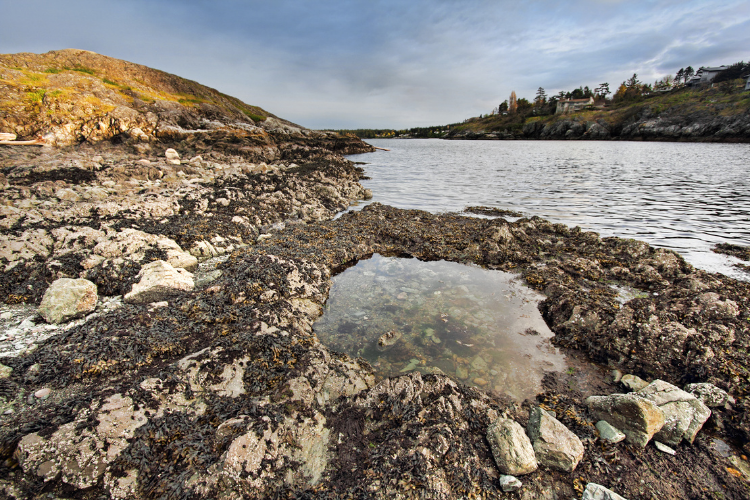
One unusually hot summer altered the Pacific Northwest coastline in ways that were not immediately visible. There was no single moment of collapse, no clear boundary between normal and wrong. Heat settled in and stayed. Tides continued their cycles. Along the shore, life followed familiar patterns until subtle failures began accumulating out of sight, in places few people monitor closely.

Only later did scientists recognize the scale of what had occurred. Entire communities of intertidal life had disappeared across wide areas and multiple species. As surveys expanded, the numbers kept growing. What initially seemed localized became something far larger, forcing researchers to confront how quickly coastal balance can unravel under extreme conditions.

Read more

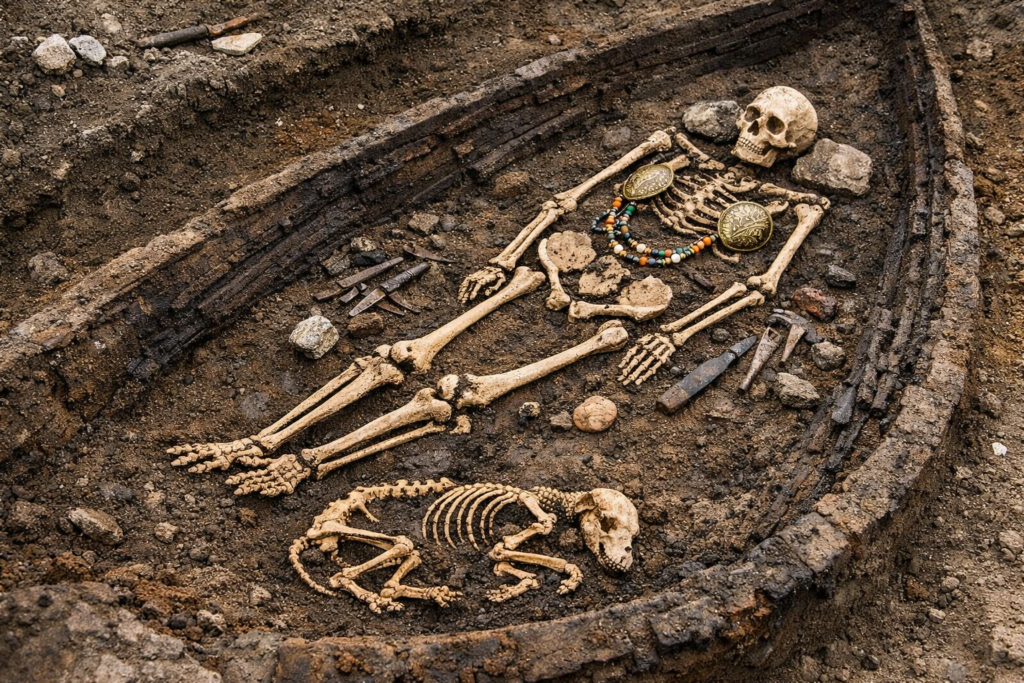
A Dog Buried With a Viking Woman Is Rewriting a Small Piece of History

The arrangement was intentional, but the reason remains unclear.

©Image PetsnPals/ChatGPT

When archaeologists exposed the outline of a Viking boat burial in Norway, one detail stood out immediately. A woman had been laid carefully at the center. At her feet, the remains of a dog, positioned with the same attention. The arrangement was precise, suggesting a shared purpose rather than coincidence.

Boat burials were reserved for significance, but the inclusion and placement of the dog complicates that meaning. Its position hints at roles that went beyond ritual habit, pointing toward ideas of loyalty, protection, or status that scholars are still working to interpret.

Read more

Tourist Files Lawsuit After Being Gored by a Bison

A violent encounter raises unanswered questions in New Mexico.

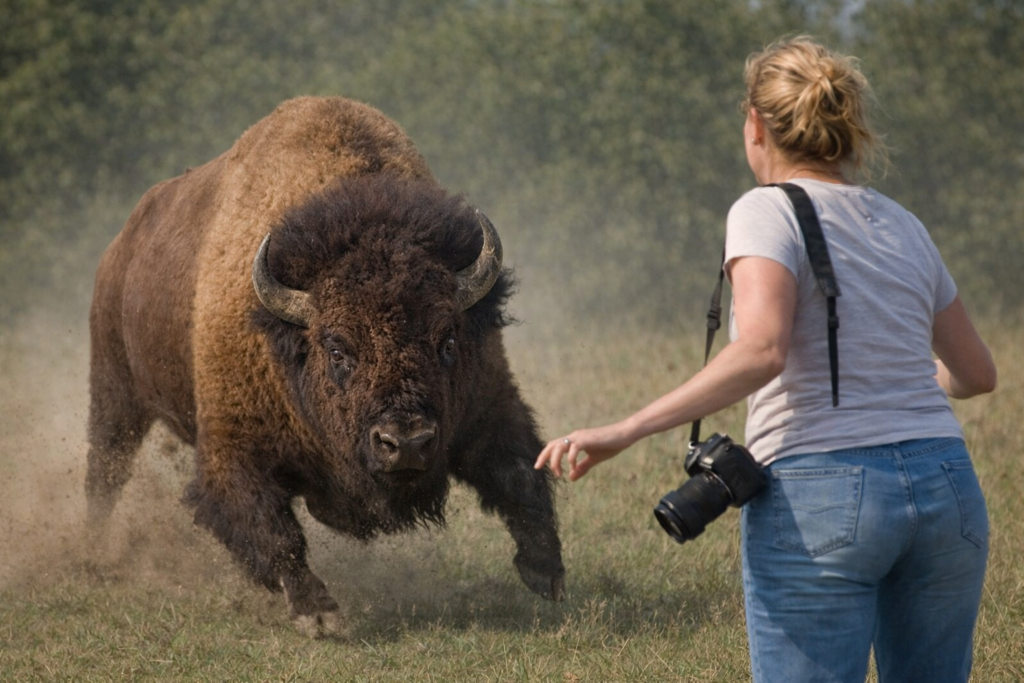
©Image license via PetsnPals/ChatGPT, Illustration of Bison Charging Tourist

A vacation in northern New Mexico ended in bloodshed, confusion, and now a courtroom battle. A tourist says she was seriously injured during what was presented as a routine, even charming, animal interaction at a rural property near Truchas. A lawsuit now alleges negligence, inadequate warnings, and preventable risk. What happened that day, who bears responsibility, and how the encounter unfolded are now matters of legal record. The facts emerge slowly, shaped by competing accounts, official filings, and mounting questions about safety where wildlife and tourism overlap.

Read more

Orange Water Is Appearing in Alaska’s Wild Rivers, Raising New Alarms

The color is only the first signal of a deeper shift.

©Image license via Canva

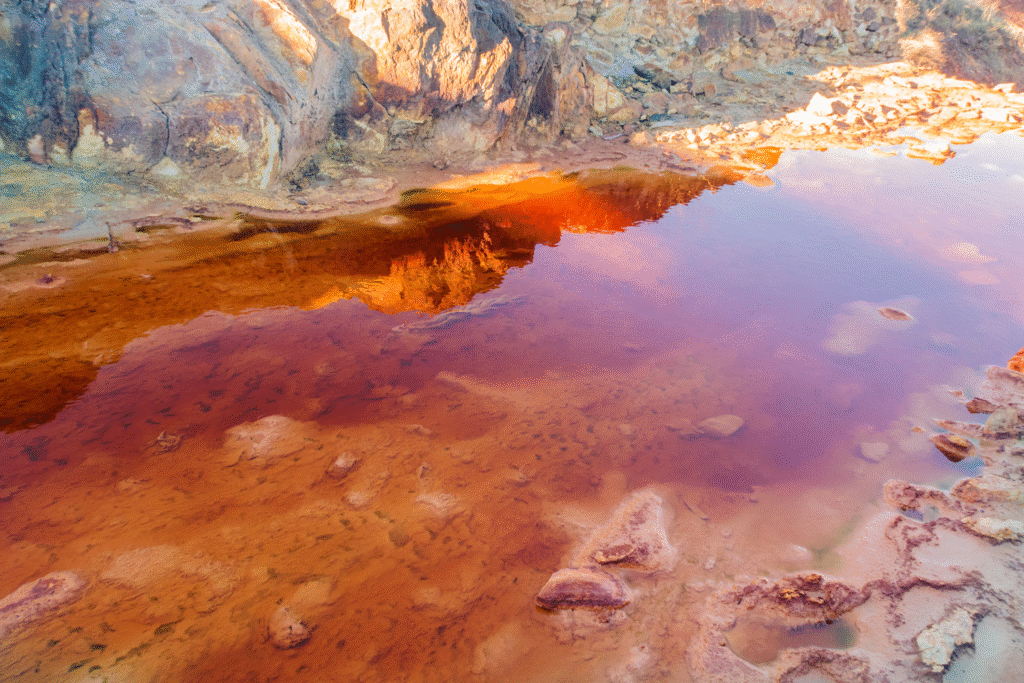
In Alaska’s remote backcountry, rivers once known for their icy clarity are taking on an unexpected orange hue. The change is appearing in watersheds long considered beyond disturbance, far from roads, mines, or industry. What unsettles researchers is not just the color, but how widely it is spreading. Streams that once ran clear year after year are shifting in ways that do not match normal seasonal patterns.

The transformation carries consequences that reach beyond appearance. These waters support wildlife, fisheries, and communities that depend on their stability. Scientists tracing the source are finding signals that point deep underground, where frozen landscapes are beginning to change. What emerges is not simple sediment, but water altered at its source. The orange tint is the first visible sign of a process still unfolding beneath the surface.

Read more