Brazilian River Closed After Piranha Attack Injures 10 People

What looked safe hours earlier turned suddenly dangerous.
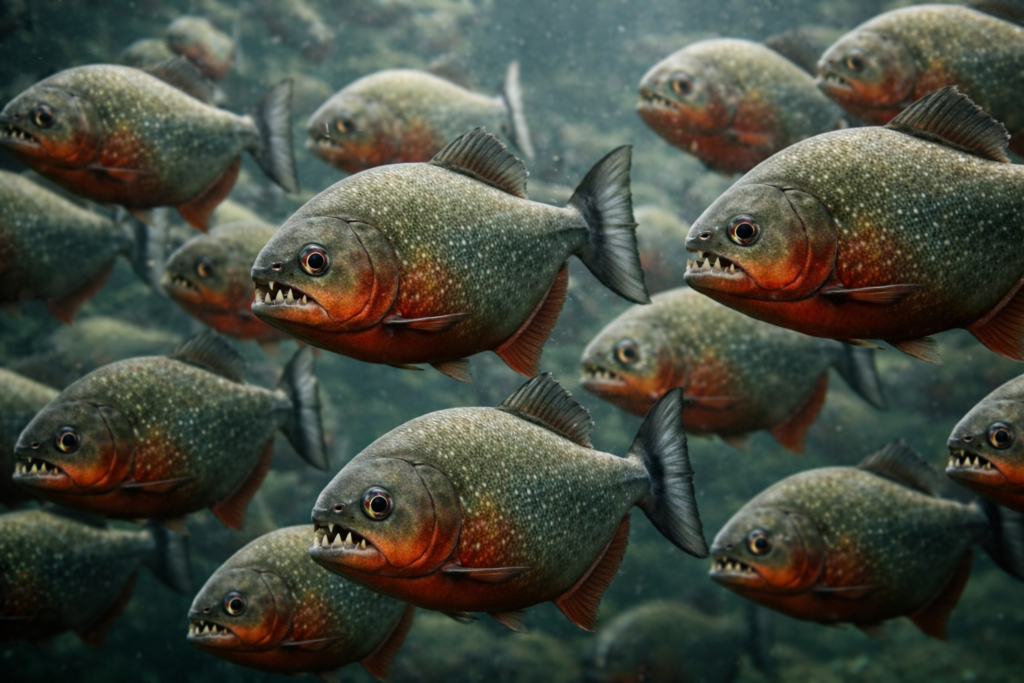
©Image license via PetsnPals/ChatGPT, School of Piranhas

A popular Brazilian river was abruptly closed after a cluster of piranha attacks injured ten people within a short window, alarming local authorities and residents. The incident unfolded during peak swimming hours, when families were already in the water. Officials moved quickly, citing uncertainty about whether conditions had stabilized or if further attacks were likely. Similar events in past years show how fast circumstances can change in freshwater systems. What triggered this surge, and how officials decide when rivers are safe again, remains unsettled as investigations continue.

Read more

Chinese Trash Collector Heard Infants Crying in the Garbage

What she kept encountering was never supposed to surface.

©Image license via PetsnPals/ChatGPT

Each morning began the same way, with bags, bottles, and silence. Then a sound would break routine, faint, human, impossible to place. Lou Xiaoying did not set out to become part of a national reckoning. She was trying to survive. But across decades, her daily route intersected with choices others felt forced to make in secret. What she found again and again was not meant to be seen, only discovered. The reasons unfolded slowly, shaped by fear, policy, and the hope that someone, somewhere, would stop and listen.

Read more

9 Animal Species That Almost Never Sleep

For some animals, rest comes in fragments.

©Image license via Canva

Sleep is often assumed to be universal, yet across the animal kingdom it varies dramatically. Some species survive with almost no true sleep, relying instead on brief pauses, partial brain shutdowns, or constant low alert states. Scientists studying animals in oceans, skies, and harsh terrestrial environments have documented patterns shaped by predation risk, migration demands, and physiology. The stakes are high because losing awareness can mean death. These animals challenge long held assumptions about why sleep exists at all and how little of it life can endure.

Read more

Top 10 Most Dangerous Animals Swimming in Amazonian Waters

Beneath calm surfaces, survival rules the river.

©Image license via Canva

Amazonian rivers appear calm, yet danger moves beneath the surface. From flooded forests to murky channels near Manaus and Iquitos, animals evolved to hunt, defend, and survive in low visibility water. Swimmers, fishermen, and river communities share space with predators that rely on speed, electricity, venom, or sheer mass. Encounters are rare but consequences can be severe when they happen. Understanding which species pose the greatest risk helps explain why locals treat these waters with caution year round daily seriously.

Read more

DNA From Ancient Remains Confirms Long-Distance Trade Between Arctic and Pacific Coast Peoples

Genetic clues reveal ancient connections once considered impossible.

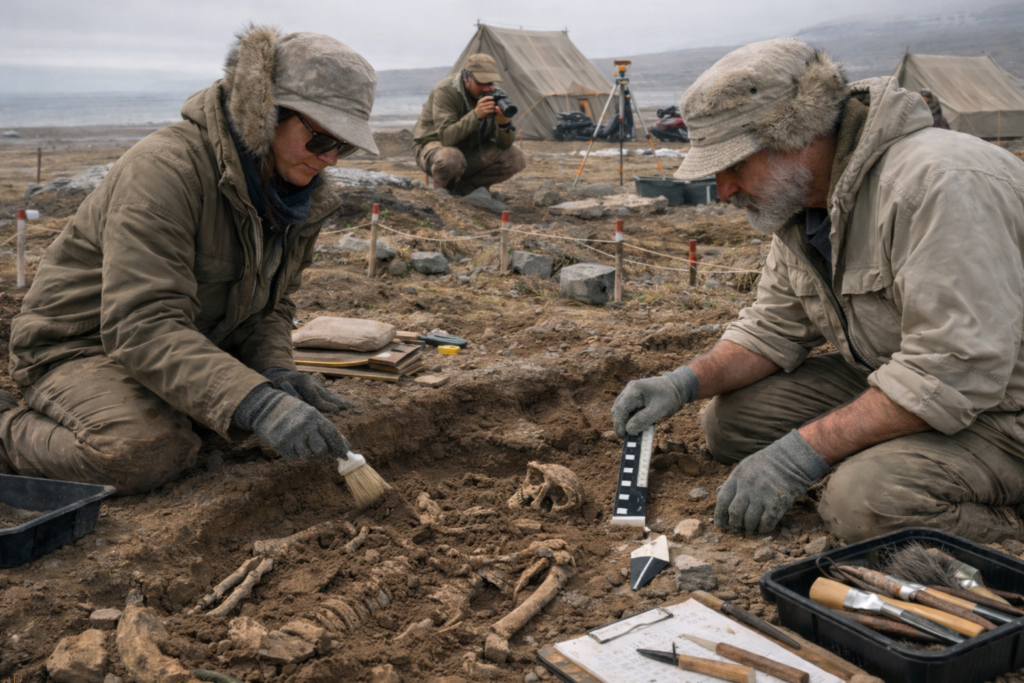
©Image license via PetsnPals/ChatGPT, Archeological Excavation Site

Archaeologists long assumed Arctic societies were shaped mostly by isolation, constrained by ice, distance, and extreme seasons. Artifacts hinted otherwise, but evidence remained circumstantial. Recent genetic analysis of ancient human remains has changed that balance. DNA recovered from burial sites across northern Alaska now raises the stakes, suggesting repeated contact across thousands of miles. These findings force researchers to reconsider how people moved, traded, and maintained relationships in environments once thought to limit long distance exchange.

Read more