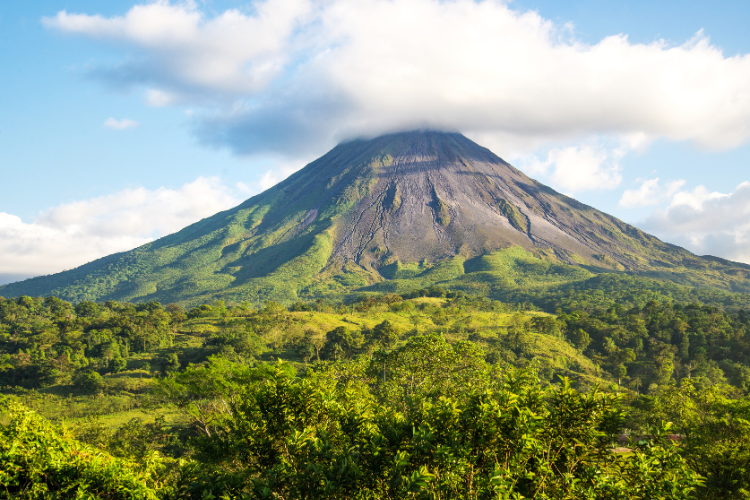
Ireland Is Facing an Event It Was Never Meant to See This Soon

The timeline held for centuries, then quietly gave way.
©Image license via Canva

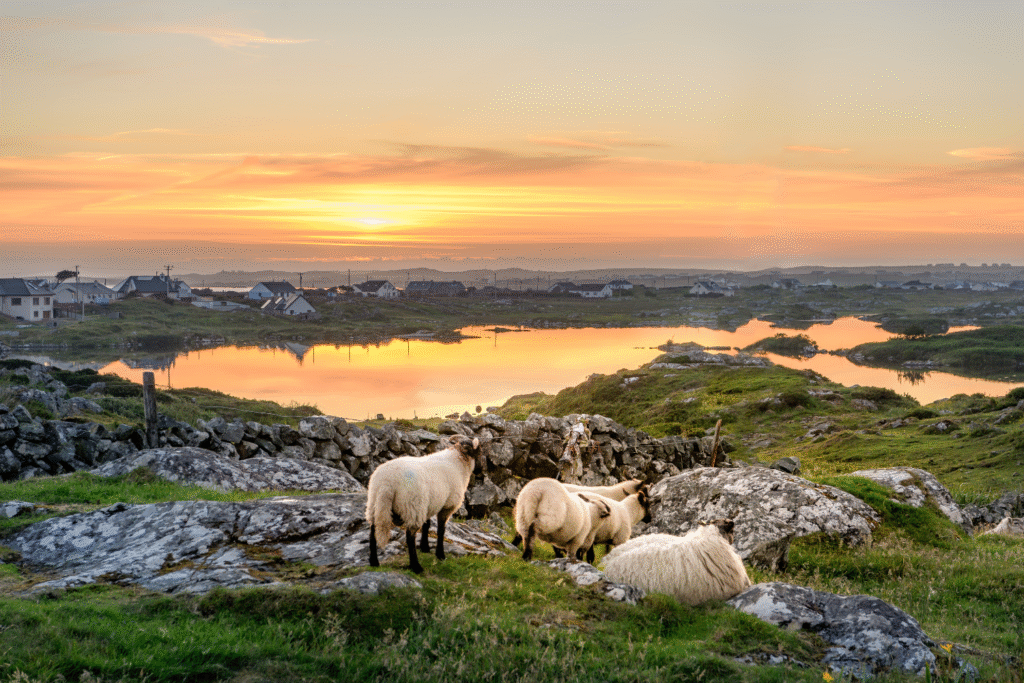
For generations, this moment existed as a distant marker in Ireland’s future, something measured in centuries rather than lifetimes. Models assumed long gaps, slow cycles, and enough time to adapt between each occurrence. New research suggests that buffer is no longer reliable.

The conditions that once spaced this event far apart are shifting, compressing time in ways that feel unsettling rather than dramatic. Nothing has arrived all at once. Instead, signals are appearing early, patterns are tightening, and expectations built on the past are losing their footing. What Ireland is facing was never meant to happen this soon, and that acceleration changes how the present must be understood.
Read more

Microplastics Found in Places They Should Never Be

Something crossed a boundary scientists assumed still held.

©Image license via Canva

Until recently, some parts of the body were considered protected by biology itself. Barriers existed for a reason. They filtered, blocked, and decided what was allowed through. New findings are now challenging that assumption. Researchers examining a place meant to protect life found traces of something entirely foreign, material designed to last, not belong. The discovery raises questions about how far modern pollution has traveled and what it means when substances created for convenience begin appearing where separation was once absolute.

Read more

How Wildlife Proves Climate Change Is Real

Animals are responding faster than the arguments.

©Image license via Canva

Animals are responding faster than the arguments.

Across forests, oceans, and skies, something is shifting in ways that are difficult to explain away. Species are moving, breeding, arriving, and disappearing on altered schedules, often in places they have never been recorded before. These changes are not isolated or symbolic. They are measurable, repeated, and unfolding in real time.

Long before climate models reach consensus or policies catch up, wildlife is already reacting to new conditions. The signals appear in migration routes, nesting failures, shrinking ranges, and unexpected arrivals. Taken together, they form a pattern that does not rely on belief or politics. The natural world is adjusting to a changing planet, whether humans are ready to acknowledge it or not.

Read more

The Dire Wolf’s Possible Return Is Stirring Uncomfortable Questions

Resurrection sounds powerful until responsibility enters the room.

©Image via Canva

The idea of bringing back the dire wolf has shifted from myth to laboratory discussion, and that shift carries weight. Genetic tools now make revival feel plausible, even tempting. Yet beneath the excitement sits a thicket of unresolved questions about habitat, impact, and intent. This animal vanished in a world that no longer exists.

The ecosystems it shaped have changed, adapted, and filled the gap. Reviving a predator is not just about DNA. It is about accountability. As science edges closer to possibility, the harder question is not can we do this, but what happens after the wolf opens its eyes.

Read more

Scientists Detected Disturbing Signals in Trees Near Active Volcanoes

The warning may arrive through leaves, not lava.

©Image license via Picryl

Scientists have discovered that trees growing along volcanic slopes may react before an eruption ever breaks the surface. The changes are quiet and easy to miss, subtle shifts in leaf behavior, growth patterns, and the gases trees release as pressure builds underground. There are no cracks, no smoke, no dramatic signals. Yet the response appears consistent enough to draw serious attention. Researchers working with satellite data and field measurements say these biological changes could act as early indicators, revealing unrest long before instruments detect movement. The forest, it seems, may sense danger while the volcano still looks asleep.

Read more