If You See a Fox Coming Toward You in Broad Daylight, Don’t Shrug It Off

Daylight fox encounters can quietly signal rising risk.
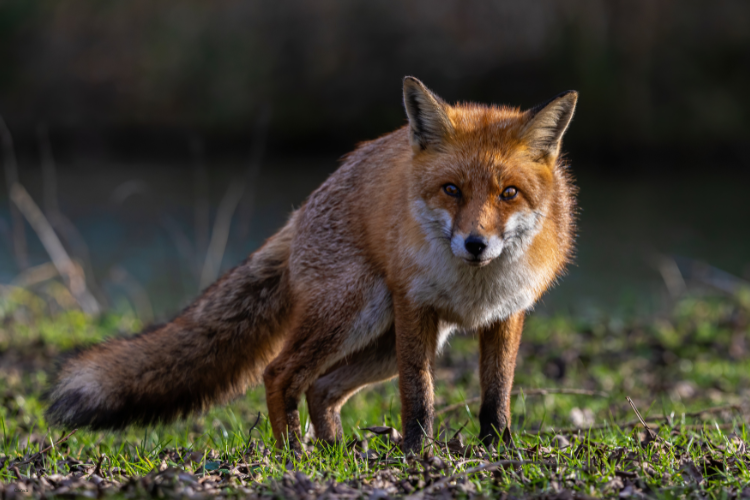
©Image via Canva

An adult fox moving toward a person in full daylight breaks an unspoken rule of the wild. These animals are typically cautious, crepuscular, and quick to vanish. When that instinct falters, something has already shifted. Across neighborhoods, parks, and rural roads, daylight fox sightings are increasing, and not always for comforting reasons. Timing, distance, and behavior matter more than species charm. This moment, brief as it seems, can carry layered meaning tied to health, food pressure, and human expansion. The explanation is rarely simple, and the stakes can escalate faster than expected.

Read more

6 Cooking Sprays Have Been Removed From Shelves Due to Health and Safety Concerns

Why chemical scrutiny reshapes everyday kitchen products.

©Image license via PetsPals/ChatGPT, Employee Removing Cooking Oil Spray Bottles from Shelf

Cooking sprays look simple, but the science inside the can has never been simple. For decades, these products combined oils, chemical propellants, stabilizers, and pressurized gases designed to behave safely near heat. As chemistry advanced, some of those ingredients raised alarms. Environmental damage, fire risk, and long term exposure questions began surfacing. One by one, certain sprays disappeared or changed form. The shifts were driven by rules, research, and risk assessments, reshaping what reaches kitchen shelves without most shoppers realizing how much science was involved.

Read more

If a Wild Animal Doesn’t Run When You Yell, Something Is Wrong

Silence after shouting can mean rising danger.

©Image license via iStock

Most people expect wildlife to flee at human noise. Yelling, clapping, or talking loudly usually triggers distance. When that reaction fails, instincts hesitate. The animal remains still, watches, or moves closer. That pause matters. It suggests altered behavior shaped by stress, illness, or proximity to people. Across parks, suburbs, and trails, these moments are becoming more common. Understanding why an animal does not retreat can change what happens next, and sometimes determine whether an encounter ends safely or spirals quickly.

Read more

They Look Harmless Until It’s Too Late, 10 Cute but Very Dangerous Wild Animals

Adorable appearances often conceal serious survival level threats.

©Image license via Canva

Soft fur, round eyes, and small size trigger trust in the human brain almost instantly. That instinct evolved for babies, not wildlife. Across continents and climates, animals that appear gentle or even charming account for serious injuries and deaths each year. The danger rarely comes from aggression alone. It comes from toxins, disease, defensive reflexes, or sheer strength hidden behind a harmless exterior. These encounters often unfold quietly, without warning, leaving little time to reassess what looked safe only moments before.

Read more

What Ancient Shell Piles Reveal About Early Coastal Tribes

These heaps look boring until you read them.

©Image PetsnPals/ChatGPT, Coastal excavation of ancient shell midden

Along coastlines from the Pacific Northwest to Scandinavia and Japan, archaeologists keep finding the same strange landmark, huge piles of shells mixed with ash, bone, and broken tools. They are called shell middens, and they are basically ancient trash dumps that refuse to stay quiet. Because coastal food is seasonal and tides are predictable, these piles record habits with surprising precision. In many cases, they even preserve material that ordinary soils destroy, letting researchers reconstruct daily life in detail.

Read more