Mice Found Resuscitating Their Friends

In a controlled setting, mice begin helping in unexpected ways.
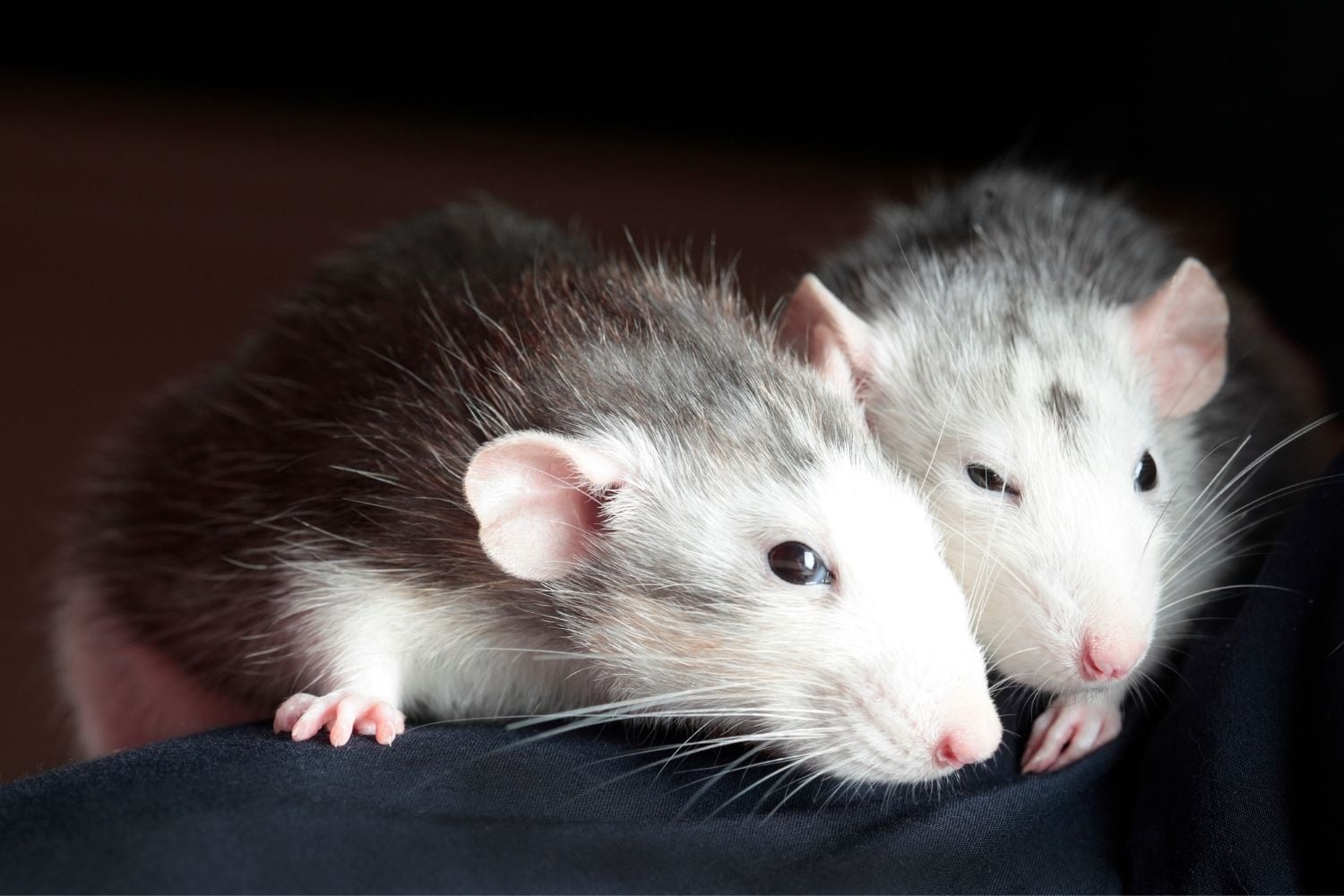
©Image license via Canva

A controlled study involving laboratory mice produced a pattern researchers did not expect. The behavior appeared under specific conditions and repeated across multiple trials with consistent timing. At first, it resembled normal social interaction between cage mates. Closer observation suggested something more deliberate was taking place. The sequence followed a clear order rather than random movement. Brain activity supported that distinction, showing coordinated responses tied to social awareness. Researchers say the findings may challenge how animal behavior is classified when one individual becomes unresponsive, raising new questions about how animals recognize and respond to distress in controlled environments today.

Read more

11 Animals Experts Say Should Never Be Released into the Wild

For some animals, freedom is not in the cards

©Image license via iStock

Releasing animals into the wild is often seen as a humane or compassionate act, but experts say it can lead to serious ecological consequences. Many species that enter new environments either lack the ability to survive or become highly disruptive to native ecosystems. These outcomes can include competition with local wildlife, spread of disease, habitat damage, and long term population imbalance. In some cases, the effects take years to become visible, making them difficult to trace and even harder to reverse. Understanding which animals pose the greatest risks helps explain why wildlife professionals strongly discourage certain types of releases.

Read more

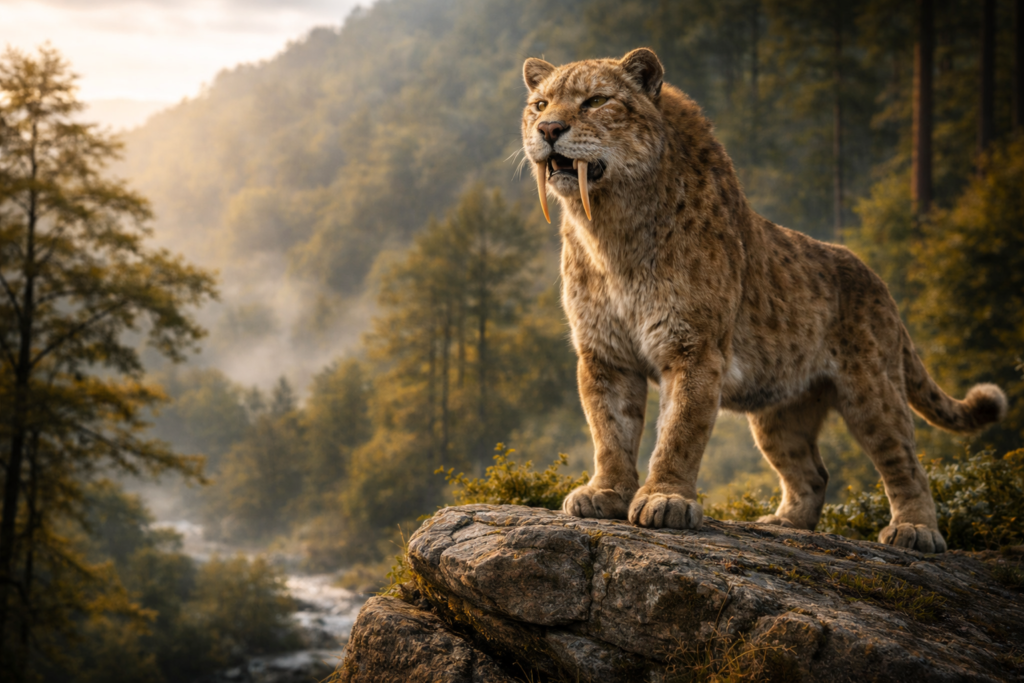
These Extinct Mammals Once Ruled Entire Landscapes

Time passed, and these extraordinary creatures slipped away forever.

©Image PetsnPals/AI generated image

There was a time when the world looked very different, filled with animals that feel almost unreal by today’s standards. Not just bigger or stranger, but entirely unfamiliar in ways that are hard to picture now. They moved through landscapes that still exist, under skies that have not changed, yet something about them feels distant, almost impossible. One by one, they disappeared, some slowly, others all at once, until nothing remained but fragments and records. What is left behind tells part of the story, but not all of it. The rest is something we are still trying to piece together.

Read more

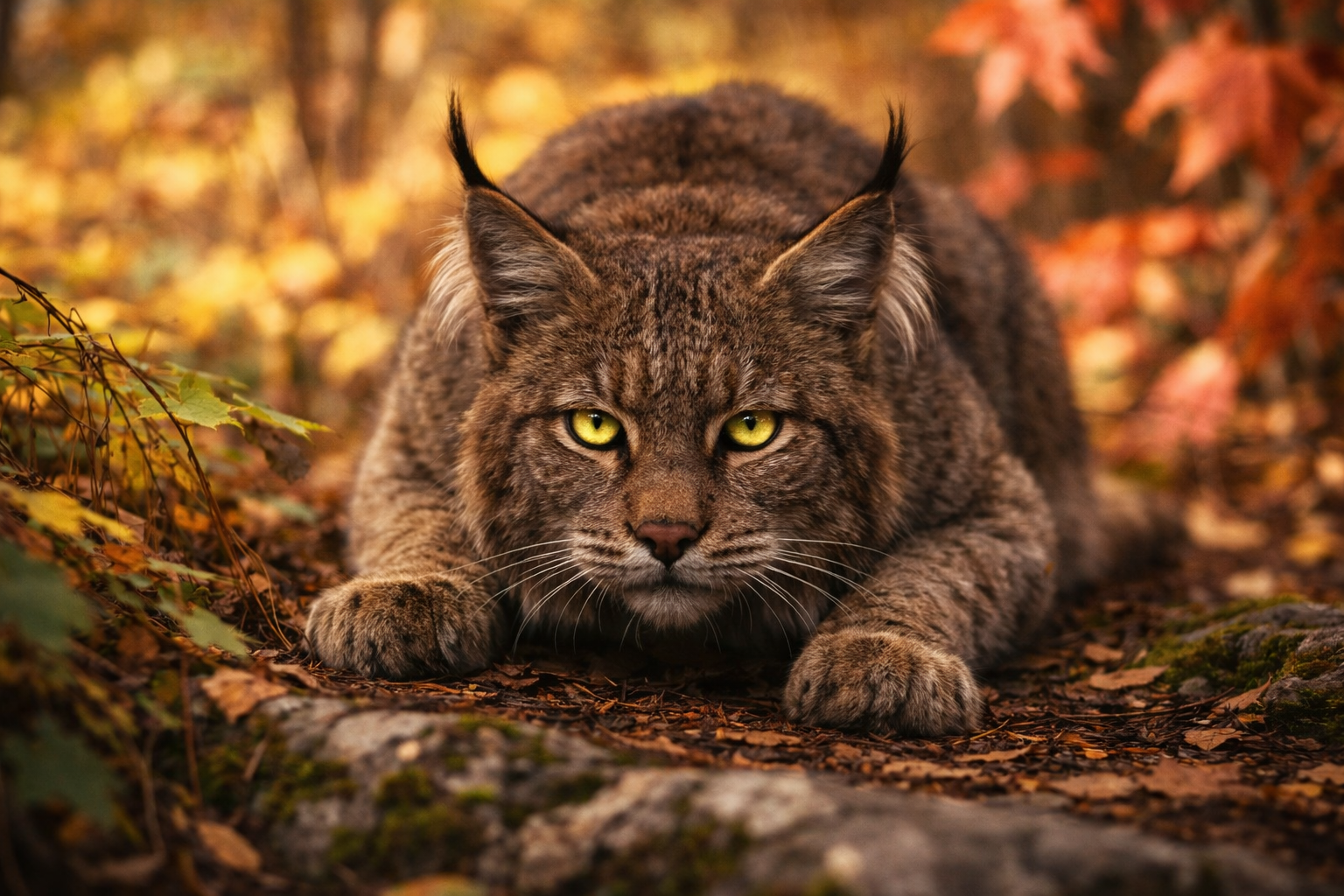
The Presence of These 14 Wild Animals Often Goes Unnoticed

You were not alone, and something was watching.

©Image PetsnPals/AI generated image

You move through the world assuming you would notice something unusual, especially something alive, something watching, something close. But that assumption starts to break down once you realize how many creatures are built to disappear without ever leaving. They do not run, they do not warn, and they do not need distance to stay hidden. They simply remain still, blending so completely into your surroundings that your brain filters them out entirely. You could be standing beside one, brushing past another, or stopping right in front of something that has already seen you first, and still walk away convinced you were alone.

Read more

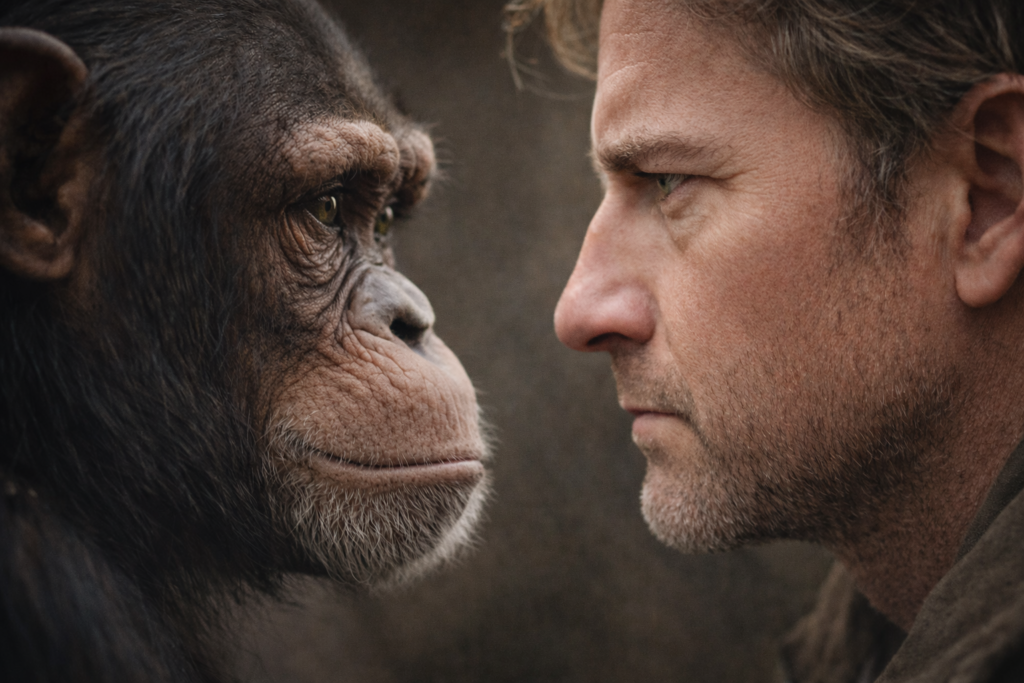
Monkeys Are Copying Humans in 11 Unexpected Ways and It’s Starting to Go Wrong

The closer the reflection, the sharper the conflict.

©Image PetsnPals/AI generated image

At first it shows up in small ways that are easy to laugh off. A monkey opens a bag, watches a crowd, hesitates just long enough to make a move. It feels clever, almost familiar, like watching something learn in real time. But the pattern does not stop there. The behaviors begin to repeat, spread, and take shape in ways that feel less like coincidence and more like change. In places where people and monkeys live side by side, those changes are becoming harder to ignore. What looks like adaptation on the surface is quietly reshaping how both species live, react, and respond to each other.

Read more