Eco-Nightmare Unfolds as Florida Faces Burmese Pythons and an Army of Invaders

The Sunshine State is turning into a survival zone.

©Image license via Shutterstock

Florida’s wild landscape is being eaten alive, literally. A wave of invasive species, led by the infamous Burmese python, is rewriting the state’s ecosystem in real time. From backyard canals to the heart of the Everglades, predators and pests not native to North America are spreading faster than experts can stop them. Each one seems to open a new ecological front, from snakes swallowing deer to lizards overrunning neighborhoods. The balance of Florida’s wilderness isn’t tipping, it’s collapsing, and scientists are scrambling to understand how deep the damage already runs.
Read more

A Rare Water Frog Survived Dinosaurs, But Now Battles Climate Threats

An ancient survivor faces a modern crisis.

©Image license via Wikimedia Commons/José Grau de Puerto Montt

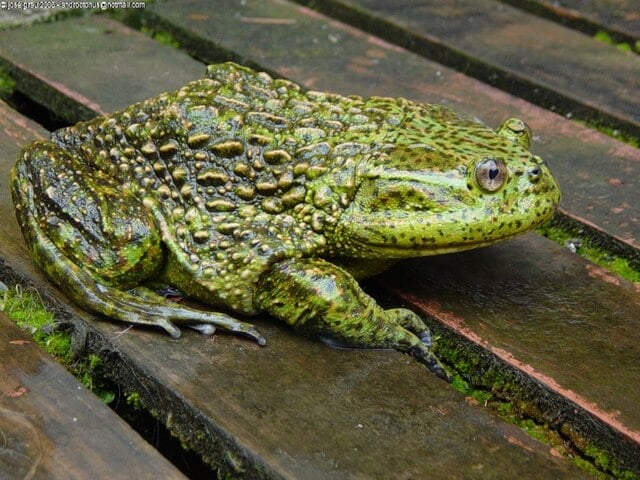
A frog that once shared the planet with dinosaurs still clings to life today, quietly enduring in the highland waters of Chile. This ancient amphibian, known as the Helmeted Water Toad (Calyptocephalella), has seen the rise and fall of continents and climates. Yet the one force it never evolved to survive is humanity. Habitat loss, pollution, and global warming now press on it harder than any prehistoric cataclysm. The species is a living time capsule, but even relics of deep time can crumble under the pressures of a rapidly changing world.

Read more

The First Mammal Lost to Climate Change Has Finally Been Officially Declared Extinct

A small island rodent disappears forever.

©Image license via PetsnPals/AI

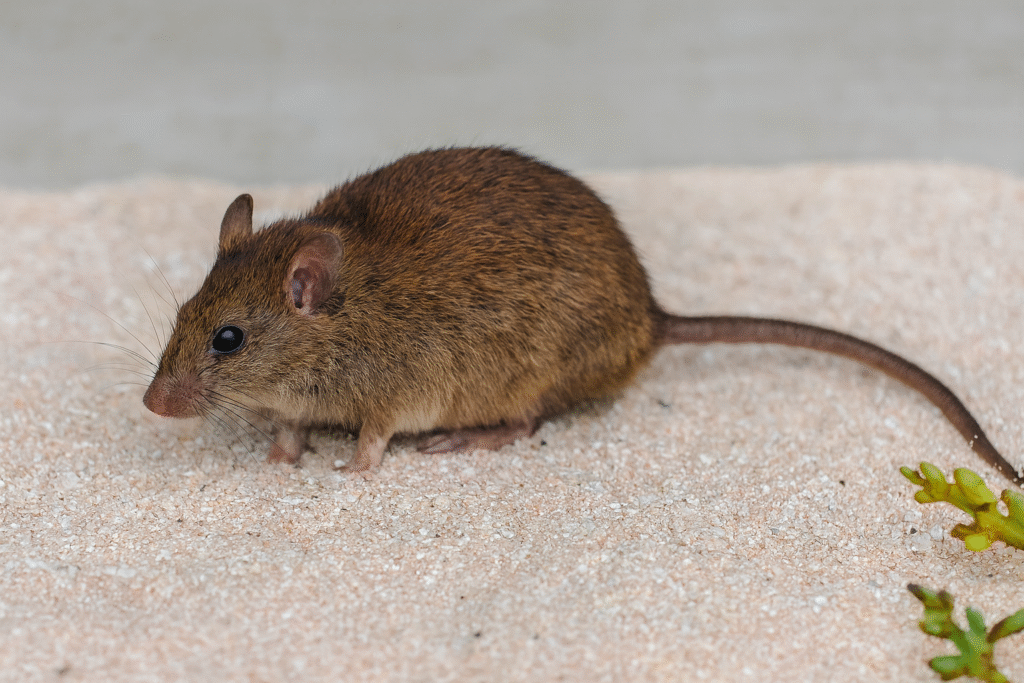
The Bramble Cay melomys, a tiny rodent that once lived on a remote coral cay in the Torres Strait, has now been officially declared extinct. Scientists had long warned that rising seas and stronger storms were destroying its only habitat, a low island barely above water. When exhaustive surveys failed to find a single surviving animal, it became clear the species was gone for good.

This marks a grim first in the modern era. It is the only mammal known to have vanished primarily because of climate change, and its loss has become a symbol of how fast warming seas can erase isolated life.

Read more

Scientists Unearth a Giant River Dolphin That Roamed Amazon Rivers Millions of Years Ago

A colossal freshwater dolphin emerges from the past.

©Image license via Canva

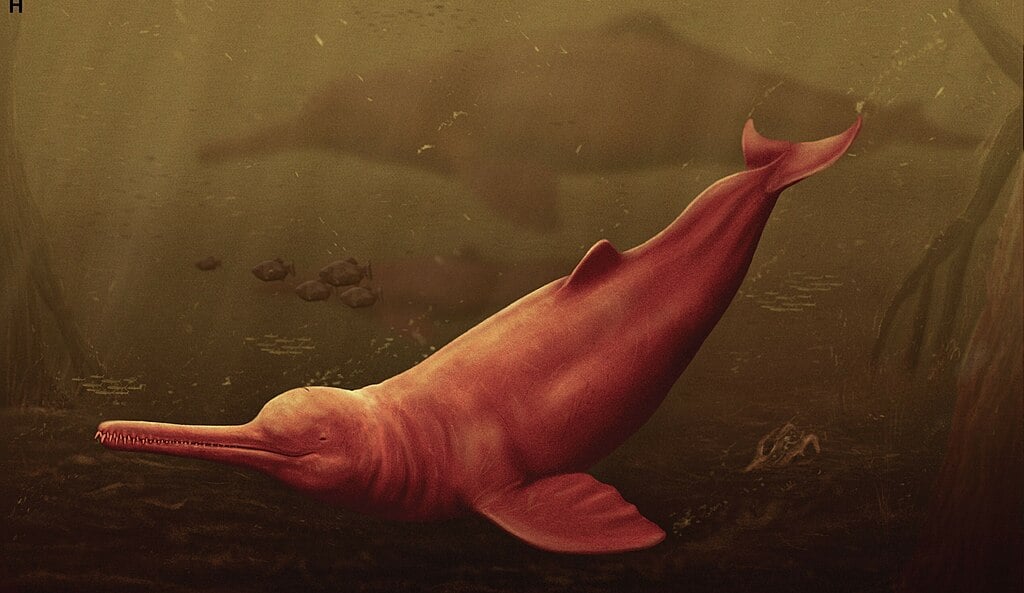
Paleontologists have uncovered the skull of a newly described river dolphin species in the Peruvian Amazon, believed to have swum those waters around 16 million years ago. The creature, named Pebanista yacuruna, is considered the largest known freshwater dolphin ever found, measuring between 3 and 3.5 meters in length. The surprise is that it’s more closely related to South Asian river dolphins than to modern Amazonian ones, suggesting a long and unexpected evolutionary path.

Read more

New Snake With Dozens of Teeth Is Named After Leonardo DiCaprio

A striking snake steals a celeb’s name.

©Image Credit Virender Bharadwaj via Mirza, Bhardwaj, Pal, Lalremsanga, Vogel, Campbell, Patel

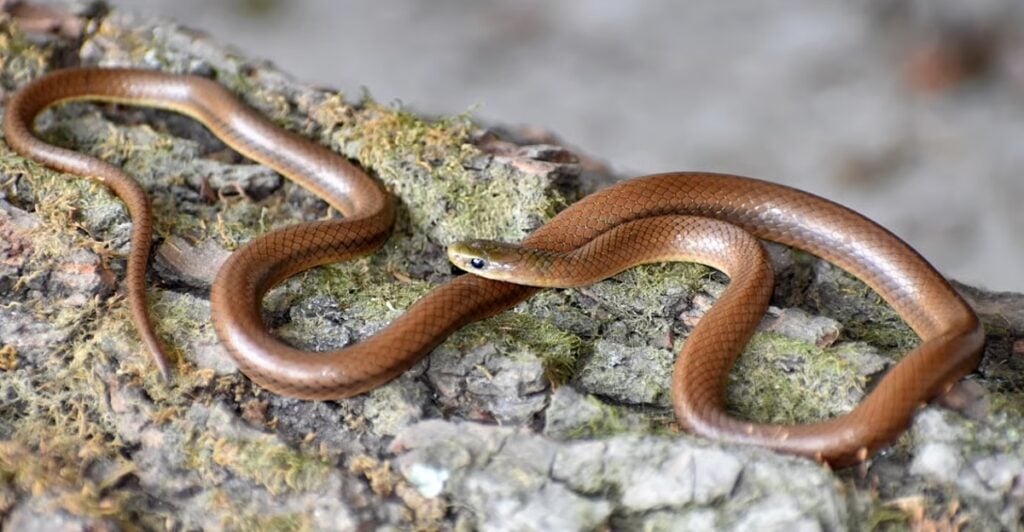
A team of herpetologists has announced a new snake species in the western Himalayas, notable for its many teeth and distinctive features, and named Anguiculus dicaprioi in honor of Leonardo DiCaprio. The species was first observed in 2020, and detailed DNA and morphological work later confirmed it as new to science. Its name also recognizes DiCaprio’s long standing commitment to conservation and biodiversity.

This snake is small in size, about 22 inches long, and bears a copper tone, large nostrils, a short head, and a steeply domed snout. It inhabits high elevations up to roughly 6,100 feet across parts of Nepal and the Indian Himalayas.

Read more