Why Israel’s Mollusk Populations Plummeted Ninety Percent and What That Means

Mediterranean marine life faces unprecedented ecological collapse.
©Image license via Canva

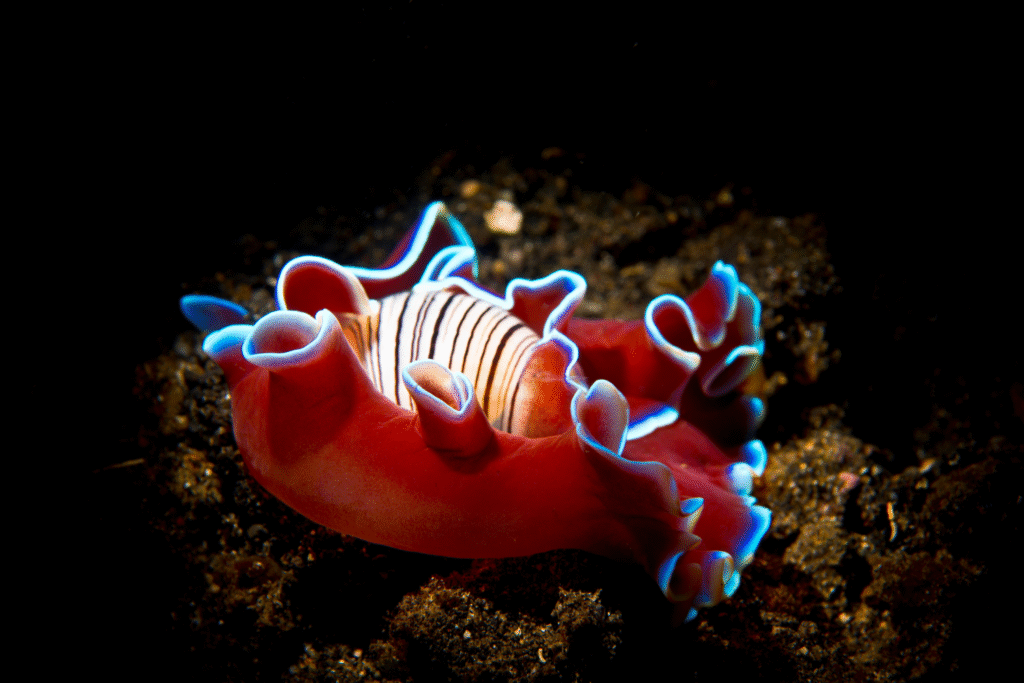
Something terrible has happened to the creatures living along Israel’s Mediterranean coastline, and most people haven’t even noticed. Mollusks, those soft-bodied animals that include snails, clams, and octopuses, have virtually disappeared from waters that once teemed with diverse marine life. The numbers are staggering when you really think about them – a ninety percent decline represents one of the most dramatic ecosystem collapses documented in modern times. This isn’t just about losing a few shells on the beach; it’s about the complete unraveling of an ancient marine ecosystem that supported countless other species and human communities for millennia.

Read more

Study Finds Anti-Anxiety Drugs Found in Rivers Push Salmon to Take Deadly Risks Affecting Population

Pharmaceutical pollution creates fearless fish populations.

©Image license via Canva

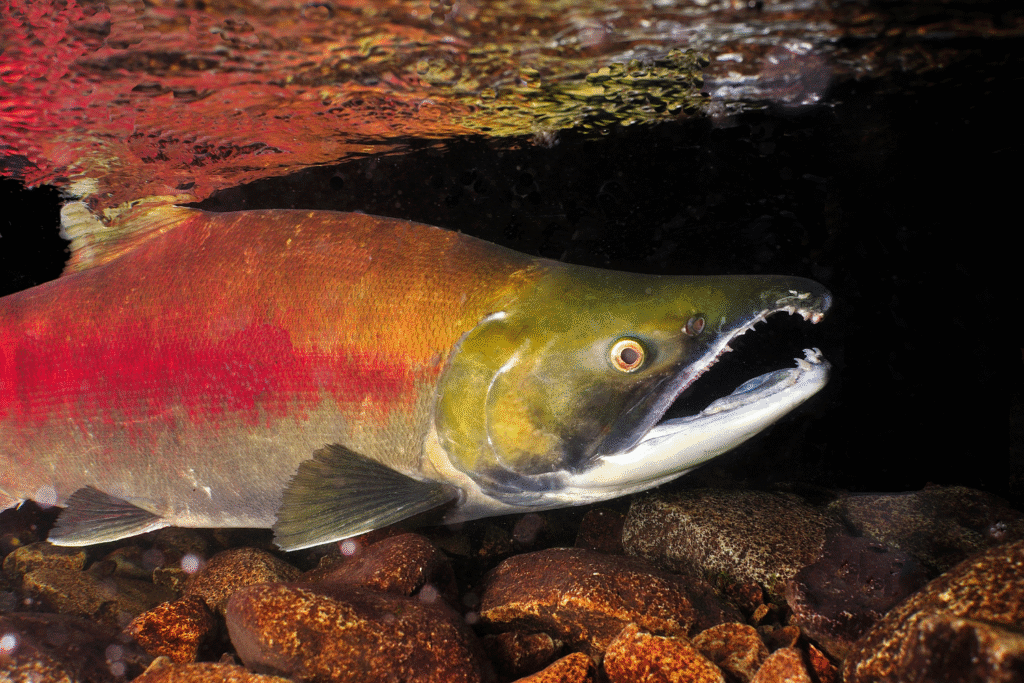
Rivers across North America are becoming inadvertent drug delivery systems, carrying human medications from wastewater treatment plants directly into salmon habitats. Anti-anxiety medications like benzodiazepines and selective serotonin reuptake inhibitors don’t break down completely during water processing, creating chemical cocktails that fundamentally alter fish behavior. Salmon exposed to these pharmaceutical traces lose their natural caution around predators and begin taking risks that would normally trigger their survival instincts. The consequences extend far beyond individual fish, as these behavioral changes ripple through entire populations and threaten species that already face mounting challenges from climate change and habitat loss.

Read more

NASA Tracks School Bus-Sized Asteroid 2024 PT5 as It Makes Second Close Approach to Earth

A Familiar space rock returns for another Earth visit.

©Image license via Canva

A small asteroid that briefly became Earth’s temporary companion is heading back for another close encounter. During its first visit in late 2024, asteroid 2024 PT5 spent nearly two months dancing around our planet before breaking free from Earth’s gravitational embrace. Now this school bus-sized space rock is preparing for its second act, giving scientists another opportunity to study one of nature’s most elusive cosmic visitors. While most people will never see this asteroid with their own eyes, its return offers valuable insights into the behavior of near-Earth objects.

Read more

10 Subtle Signs of Resource Guarding Most Dog Owners Miss

Your sweet pup might be silently claiming territory.

©Image license via Pexels/cottonbro studio

Most dog owners think resource guarding looks like a snarling, snapping beast protecting a bone. But the reality is way more subtle and happens right under our noses every single day. While we’re busy thinking our dogs are just being quirky or cute, they’re actually displaying early warning signs of possessive behavior that could escalate into serious problems. These aren’t the dramatic scenes you see in dog training shows. Instead, they’re the small behaviors that seem harmless until you realize your dog has been systematically training you to stay away from their stuff. The scary part is that many of these subtle signs actually work in the dog’s favor, so the behavior gets reinforced without anyone realizing what’s happening. By the time most owners recognize resource guarding, it’s already become a deeply ingrained habit.

Read more

10 Ways Mangrove Restoration Made Enemies Friends and Saved an Entire Community’s Economy

Trees underwater became gold mines for fishing families.

©Image license via Canva

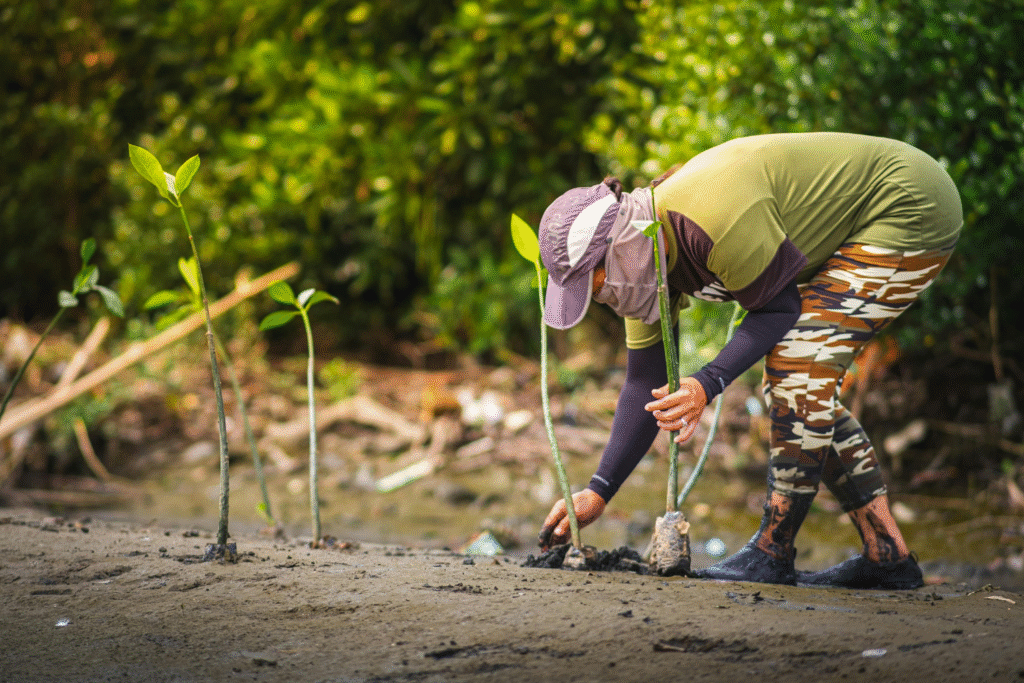
Picture an entire fishing community watching their livelihood disappear into murky, lifeless water. That’s exactly what happened along Mexico’s Pacific coast when decades of shrimp farming and coastal development destroyed thousands of acres of mangrove forests. The twisted, salt-tolerant trees that looked like nature’s afterthought turned out to be the foundation of everything. When the mangroves vanished, so did the shrimp, the fish, and the economic backbone of communities that had thrived on these resources for generations. But then something remarkable happened. Local fishermen, scientists, and government officials figured out how to bring it all back by replanting the very trees they’d once considered worthless obstacles to development.

Read more