Experts Warn Our Internet Could Collapse From Climate Change

Rising seas threaten to flood thousands of miles of internet cables within the next decade.

©Image license via Canva

Next time you scroll through social media or stream a video, think about this unsettling reality: the physical cables that carry your internet connection are sitting just inches above rising seawater along America’s coastlines. Most people assume the internet lives “in the cloud,” but it actually runs through thousands of miles of fiber optic cables buried underground, and many of those cables are about to get very, very wet.

Climate scientists and internet infrastructure experts have been studying what happens when these two forces collide, and their findings should make anyone who depends on reliable internet connection deeply concerned. Sea levels are rising faster than anticipated, and the bulk of America’s internet backbone was installed decades ago when nobody thought ocean water would reach inland fiber networks.
Read more

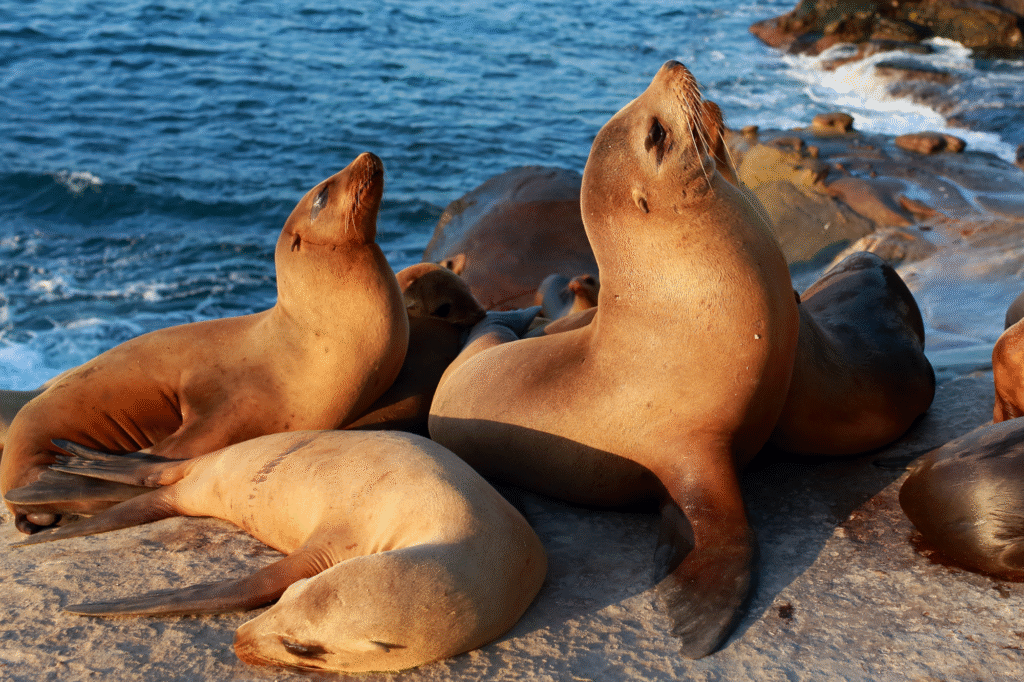
Why Sea Lions Are Suddenly Showing Up Hundreds of Miles Inland

These marine mammals are trading ocean waves for river systems in record numbers.

©Image license via Canva

Picture a California sea lion basking on a dock in San Francisco Bay. Now imagine that same sleek marine mammal lounging beside a freshwater river 150 miles from the nearest ocean. This isn’t some fever dream or maritime tall tale—it’s becoming the new reality across the American West.

From the Columbia River to California’s Central Valley, sea lions are venturing deeper into inland waterways than ever before. Marine biologists are scrambling to understand why these typically coastal creatures are abandoning their saltwater homes for lengthy freshwater adventures that would have seemed impossible just decades ago.

Read more

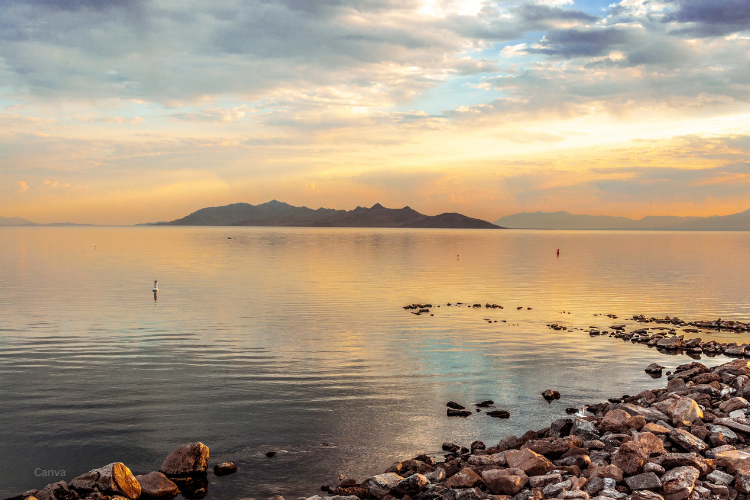
Great Salt Lake Chemistry Forever Changed By Two Human Decisions According To New Study

Scientists found two moments when humans completely rewired this ancient lake.

©Image license via Canva

Imagine a body of water that stayed basically the same for 8,000 years, then suddenly transformed twice in two centuries because of human choices. That’s exactly what happened to Utah’s Great Salt Lake, and the story emerging from muddy sediment cores is more dramatic than anyone expected.

New research shows that what we’re seeing today isn’t just drought or climate change. Two specific human decisions permanently altered how this massive lake works, pushing it into conditions not seen for at least 2,000 years.

Read more

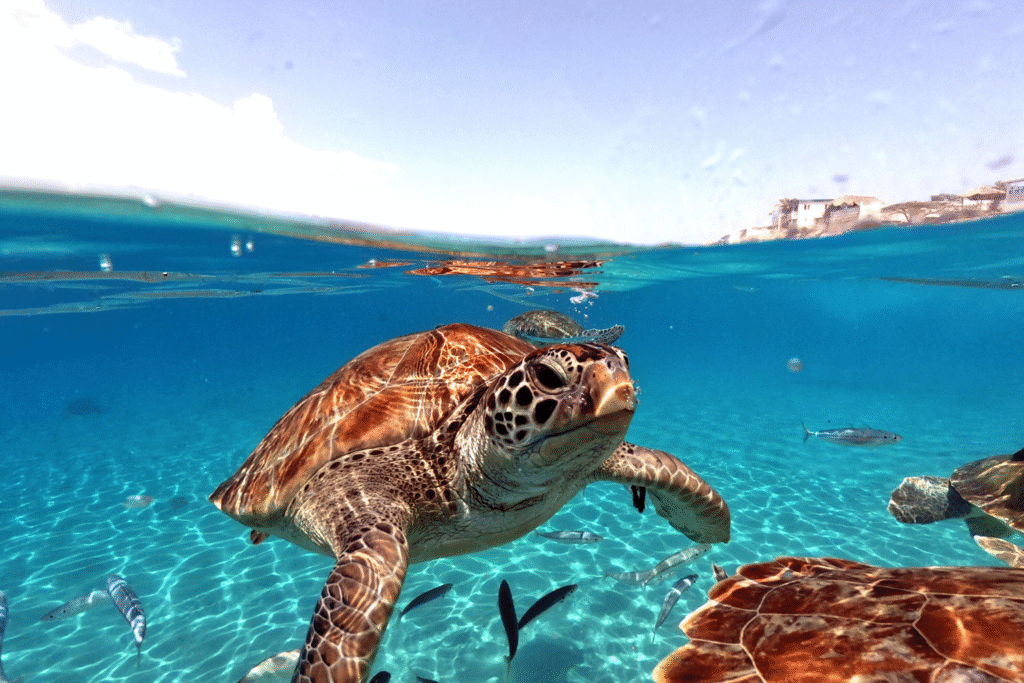
Sea Turtles Forced Into Busy Shipping Lanes As Climate Change Alters Their Migration Routes

Ancient mariners are swimming straight toward humanity’s most dangerous ocean highways.

©Image license via Canva

Climate change is rewriting the ocean atlas that sea turtles have followed for millions of years, pushing these ancient navigators out of tropical waters and directly into some of the planet’s busiest shipping corridors. Scientists studying all seven sea turtle species have discovered a troubling pattern emerging across the world’s oceans.

Research published in 2025 reveals that more than half of current sea turtle hotspots could vanish by 2050, forcing these vulnerable creatures to seek cooler waters closer to the poles. Unfortunately, that’s exactly where massive cargo ships, oil tankers, and cruise vessels converge in dense traffic patterns that turn migration routes into maritime highways of death.

Read more

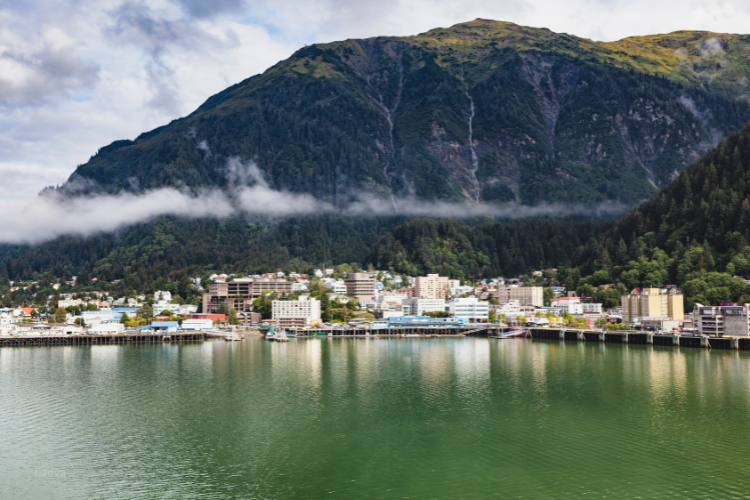
Juneau, Alaska Neighborhoods Evacuated After Unprecedented Flooding From Rapidly Melted Glaciers

Record-breaking waters forced over 1,000 residents from their homes as a glacial dam burst.

©Image license via Canva

Alaska’s capital city just experienced its worst natural disaster in decades. Water rushed down from melting glaciers with unprecedented force, creating a flood that broke every record in the books. Suicide Basin, a massive glacial lake perched above the city, released its entire contents in a matter of hours after reaching maximum capacity. Scientists had been monitoring the situation for weeks, but nobody predicted the sheer volume of water that would come crashing down the mountain.

Water levels peaked at a record-breaking 16.65 feet on Wednesday morning, August 14, smashing the previous record set just last year. Emergency crews scrambled to evacuate neighborhoods as billions of gallons of glacial water poured into residential areas across Juneau’s valley floor.

Read more