New Marine Heat Wave Emerges Off West Coast, Resembles Devastating ‘Blob’ Event

Scientists warn NEP24A could trigger ecosystem collapses like those that devastated marine life a decade ago.
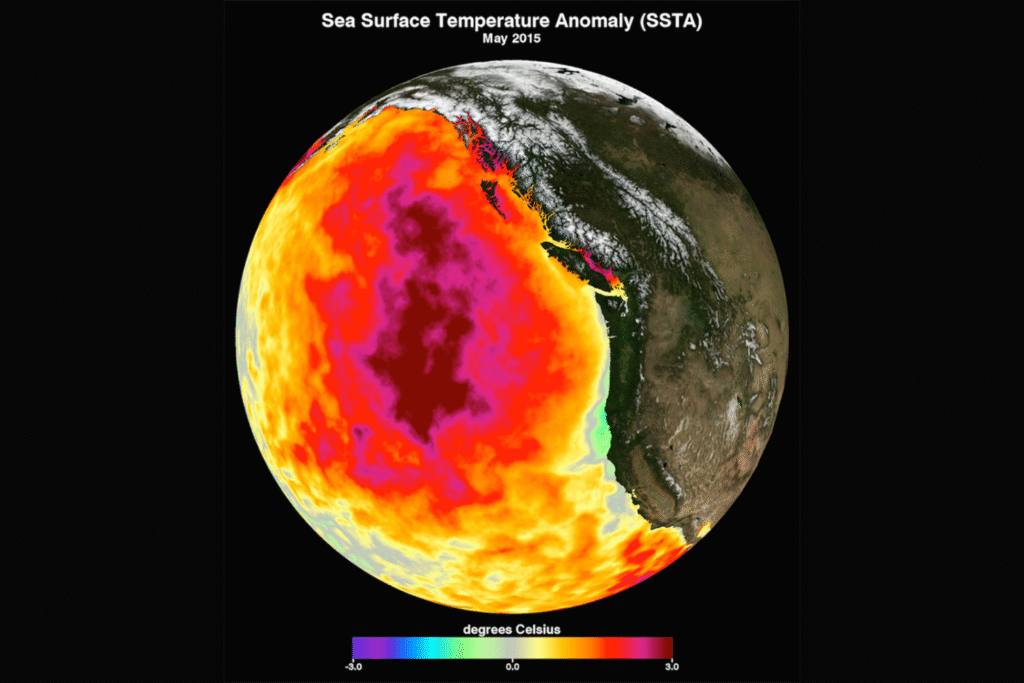
©Image license via Wikimedia Commons/NASA Physical Oceanography

Ocean temperatures off the West Coast are climbing to dangerous levels again, creating a massive warm water patch that scientists are tracking with growing concern. This new marine heat wave, designated NEP24A, reached its peak size of 5.5 million square kilometers in October 2024 and bears an unsettling resemblance to the early stages of “the Blob” that wreaked havoc from 2014 to 2016.

The timing couldn’t be worse for marine ecosystems still recovering from previous heat waves. NOAA researchers report that large marine heat waves have occurred each of the last six years, with five ranking among the largest on record since satellite monitoring began in 1982. What makes this latest event particularly troubling is its persistence and the vulnerable state of West Coast marine life heading into what could become another devastating warming period.
Read more

10 Critically Endangered Species Face Extinction Threat in 2025, Conservation Groups Warn

Time is running out faster than anyone imagined.

©Image license via Canva

The global extinction crisis has reached a breaking point. More than 10,000 species currently sit on the IUCN Red List’s “critically endangered” category, meaning they could vanish within our lifetime. This isn’t just another conservation warning. Some species have populations so small they could disappear within the next few years, not decades. The clock isn’t ticking anymore—it’s nearly stopped entirely.

Read more

Arctic Ice Melts at Record Pace as Scientists Warn of Critical Tipping Points by 2030

The Arctic Ocean could experience its first completely ice-free day as early as 2027

©Image license via Wikimedia Commons/Sharada Prasad CS

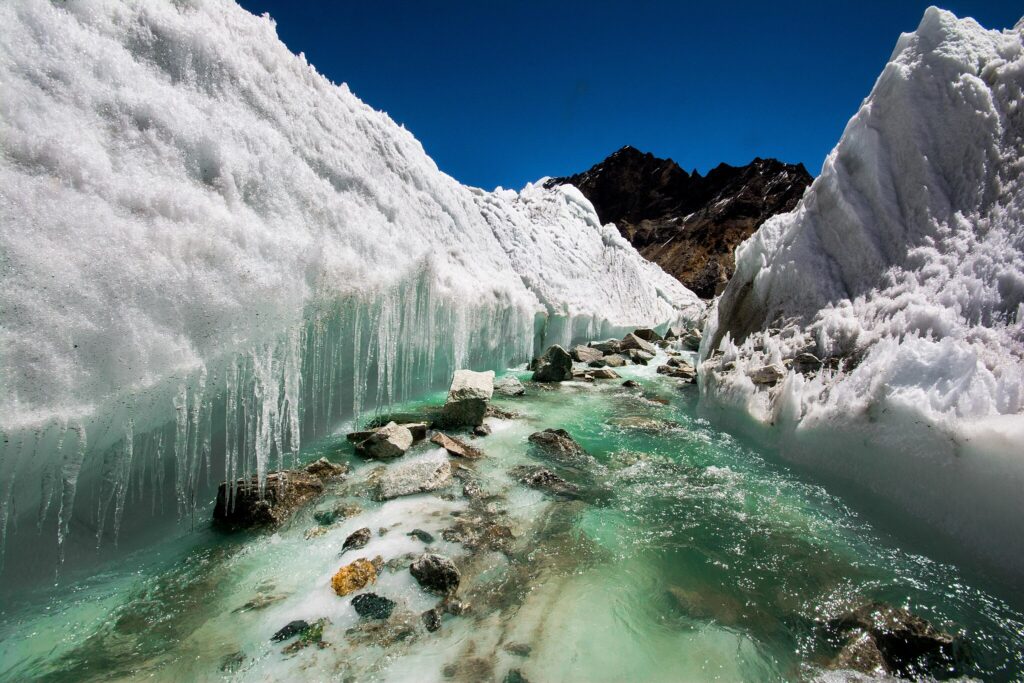
The Arctic is melting faster than many scientists expected, and the latest research reveals we’re approaching a climate milestone that seemed decades away just a few years ago. Scientists now project that the Arctic Ocean could experience its first completely ice-free day within the next few years, and honestly, that’s a pretty big deal for all of us.

Winter sea ice in the Arctic hit its lowest maximum extent ever recorded in March 2025, breaking the previous record in a way that has researchers genuinely concerned. Even the coldest months can no longer build the thick ice cover that once defined the region. While scientists are careful to emphasize that understanding the timeline requires analyzing multiple factors, the overall picture isn’t great.

Read more

Food Prices Soar as Extreme Weather Devastates Crops Worldwide Impacting US Citizens

Climate chaos is turning grocery shopping into financial warfare.

©Image license via Canva

American families are feeling the sting of a global food crisis that’s hitting wallets harder than expected. Extreme weather events across the world have sent the prices of everything from coffee to cocoa skyrocketing, and those increases are landing directly on grocery store shelves from California to Maine.

The brutal reality is that climate change isn’t just an environmental issue anymore—it’s become an economic nightmare that’s making basic necessities unaffordable for millions of families. Recent studies show that weather disasters between 2022 and 2024 caused food price spikes that were so extreme they exceeded all historical precedent, creating a perfect storm of inflation that’s reshaping how Americans eat.

Read more

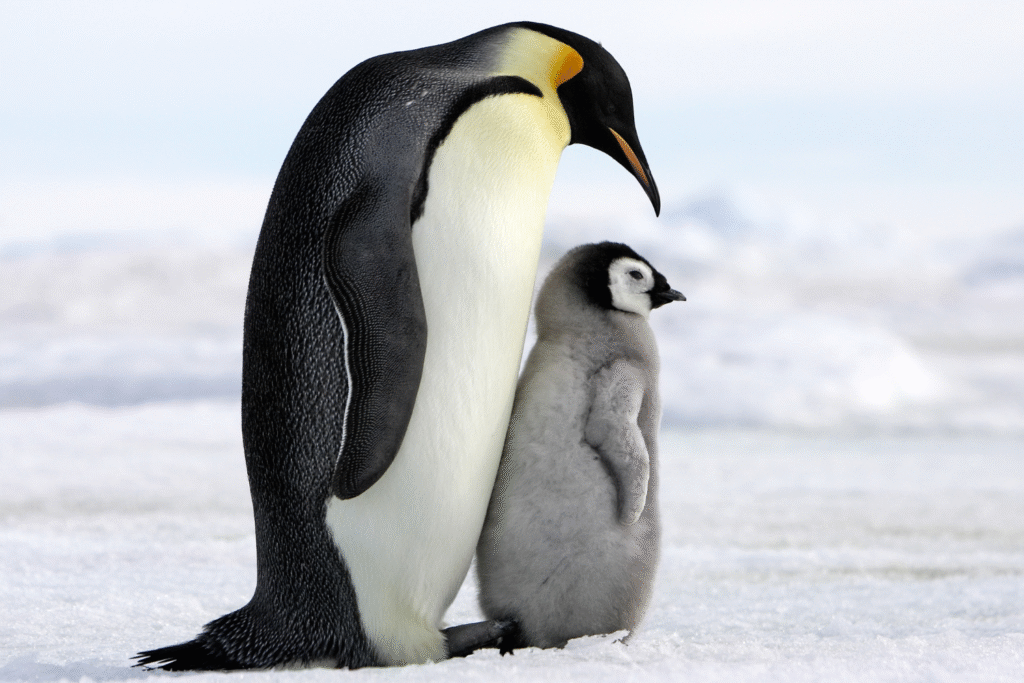
Antarctica’s Penguin Colonies Experience Unprecedented Breeding Failures Linked To Ice Melt

A sudden shift in sea ice has left thousands of chicks with slim chance of survival.

©Image license via Canva

The quiet edges of Antarctica, usually full of life, are turning into scenes of loss. Penguin colonies that once thrived in the predictable rhythm of ice and seasons are collapsing in real time. Entire generations of chicks are not making it past their first weeks.

The culprit is the ice itself. Melting earlier and faster than anyone expected, it’s leaving young penguins stranded. What once looked like a stable cycle has been thrown into chaos. These failures are not rare anymore—they’re becoming a grim new pattern.

Read more