When Sharks Invade: Real-Life Cage Diving Stories

The rare moments when cages fail remind us that the ocean always has the upper hand.
©Image via Canva

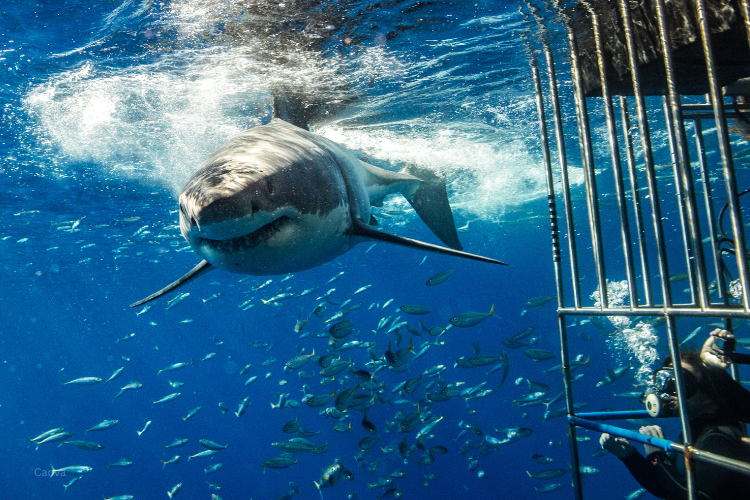
Cage diving is supposed to keep the wild on one side of the bars and humans safely on the other. For the most part, that promise holds. But when it doesn’t, the results are the kinds of stories divers replay for the rest of their lives. The steel bends, the water erupts, and for a few seconds, it feels like the ocean has broken through.

These incidents are rare but real, captured on camera or reported by stunned survivors. They don’t just shake the divers inside those cages, they force the industry and communities to rethink safety and confront the limits of control in an environment where sharks call the shots.

Read more

Global Warming Crushes U.S. Frog Populations By Nearly 4 Percent Per Year

These American amphibians vanish from habitats at alarming rates across every region.

©Image via Canva

U.S. frog populations are collapsing at a staggering rate of 3.7 percent annually, according to comprehensive federal research that reveals how climate change is systematically destroying amphibian communities from coast to coast. These aren’t just numbers on a spreadsheet—they represent the disappearance of entire species from ponds, streams, and wetlands where they’ve thrived for millions of years, creating silent springs across American landscapes.

The decline affects every region and every type of habitat, from protected national parks to suburban neighborhoods, demonstrating that even our most pristine environments cannot shield these vulnerable creatures from the cascading effects of global warming, disease, and environmental destruction that are reshaping ecosystems faster than evolution can respond.

Read more

10 Dangerous Animals That Are More Afraid of Us Than We Are of Them

Fear responses evolved to help predators survive human encounters.

©Image license via Wikimedia Commons

The animals that inspire our deepest fears through their razor-sharp claws, venomous fangs, and crushing strength actually spend most of their lives desperately trying to avoid any contact with humans, whose massive size, loud voices, and erratic behavior patterns trigger every evolutionary alarm system these creatures possess for detecting dangerous threats. Their impressive weaponry evolved for hunting specific prey species and defending against natural enemies, not for confronting the bizarre bipedal giants who create thunderous noises, emit strange chemical scents, and move through environments in ways that violate every natural pattern these animals understand.

While horror movies and sensationalized documentaries portray these creatures as relentless human hunters, the reality reveals itself through countless behavioral studies showing that even apex predators will abandon prime hunting territories, skip meals, and endure significant stress rather than risk encounters with humans whose unpredictable nature makes them appear more dangerous than any natural threat these animals evolved to handle.

Read more

Hurricane Erin Exploded In Intensity Raising Urgent Questions About Superstorms Becoming The New Normal

The first Atlantic hurricane of 2025 rewrote the rules of storm intensification.

©Image via Canva

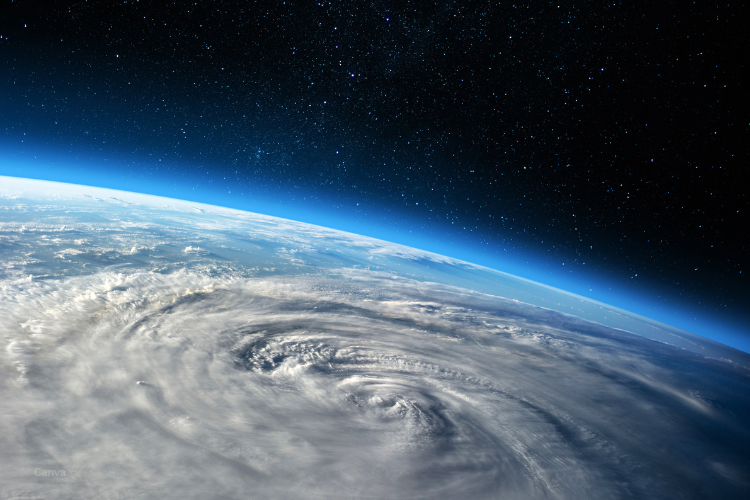
Hurricane Erin’s transformation from tropical storm to Category 5 monster in just 24 hours represents one of the fastest intensification rates ever recorded in the Atlantic basin, stunning meteorologists and forcing scientists to confront uncomfortable realities about how climate change is supercharging storm development. The storm’s explosive growth from manageable weather system to apex predator occurred with a speed that left forecasters scrambling to issue warnings and coastal communities with dangerously little time to prepare.

What makes Erin particularly alarming isn’t just its record-breaking intensification rate, but how it demonstrates that the extreme weather events climate scientists predicted are happening with increasing frequency, suggesting that rapidly intensifying storms are becoming a regular feature of Atlantic hurricane seasons rather than rare exceptions.

Read more

Operating Rooms Become Death Traps as Finland’s Hospitals Hit Dangerous Temperatures

Nordic infrastructure crumbles under temperatures it was never designed to handle.

©Image license via Canva

Finland’s hospitals are cancelling non-emergency surgeries and moving patients to basement levels as record-breaking heat waves push temperatures above 35°C in a country where air conditioning remains rare. The Nordic nation’s healthcare system, built for sub-zero winters rather than Mediterranean summers, faces unprecedented strain as elderly patients flood emergency rooms with heat-related illnesses. Operating rooms without climate control have become dangerously hot for both patients and medical staff, forcing administrators to postpone procedures that require sterile environments. Public health officials warn this crisis represents a preview of Finland’s climate future, where infrastructure designed for Arctic conditions must adapt to increasingly extreme weather patterns that threaten basic medical care.

Read more