Scientists Discover the Answer to the Climate Crisis Growing Under Our Feet

The solution to our planet’s biggest problem might be hiding right beneath our feet.

©Image license via Canva

While governments debate carbon taxes and corporations engage in elaborate greenwashing campaigns, researchers studying soil ecosystems have been quietly documenting something extraordinary: vast underground networks of fungi, bacteria, and root systems that sequester atmospheric carbon at rates that dwarf our most ambitious technological solutions. These subterranean webs span continents and store carbon in forms so stable they remain locked away for centuries, effectively removing greenhouse gases through biological mechanisms that scale automatically without requiring massive infrastructure investments. These underground communities actively recruit atmospheric carbon through coordinated efforts involving billions of microorganisms per gram of soil, processing and storing CO2 through processes so efficient they convert greenhouse gases into stable organic compounds within hours rather than decades.
Read more

Japan Dumps Radioactive Water Into The Pacific Amid Outcry From Scientists And Neighbors

Tokyo proceeds with controversial discharge despite fierce international opposition.

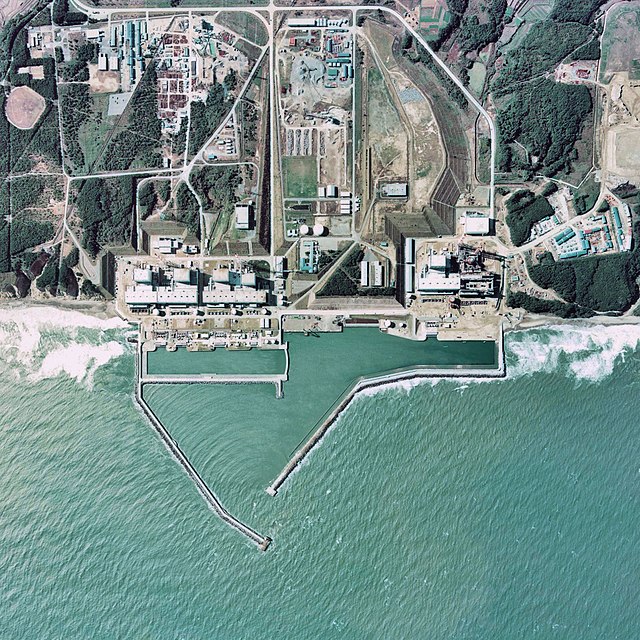
©Image license via Wikimedia Commons/Ministry of Land, Infrastructure, Transport and Tourism

In 2023, Japan began releasing over one million tons of treated radioactive wastewater from the damaged Fukushima nuclear plant directly into the Pacific Ocean, ignoring protests from neighboring countries and environmental scientists worldwide. The water, contaminated during the 2011 nuclear disaster, has been accumulating in storage tanks for over a decade. Tokyo claims the water meets safety standards after treatment, but critics argue the long-term environmental consequences remain unknown. China immediately banned all Japanese seafood imports, while South Korea expressed grave concerns about marine contamination. The discharge process is expected to continue for at least 30 years, making this one of the largest radioactive releases into the ocean in modern history.

Read more

Humpback Whale Death Toll Climbs Into The Thousands From Record North Pacific Heat Waves

Scientists document catastrophic marine ecosystem collapse.

©Image license via iStock

A comprehensive study published in Royal Society Open Science reveals the stark mathematics of climate-driven extinction. Between 2012 and 2021, approximately 7,000 humpback whales died in the North Pacific Ocean, reducing the population by 20 percent from its peak of 34,500 individuals. The culprit was “The Blob”—a marine heat wave that elevated sea surface temperatures by up to 7 degrees Fahrenheit across 2 million square miles of ocean for four consecutive years.

Population models constructed using artificial intelligence analysis of over 400,000 whale photographs demonstrate how rapidly climate change can unravel decades of conservation success. What required 40 years of international protection to achieve has been decimated in less than a decade by ocean warming patterns.

Read more

Ask the Arctic Fox—Why Animal Adaptations Prove Our Climate Is Shifting

These master survivors are scrambling to keep up with changes happening faster than evolution can handle.

©Image license via Canva

Meet the arctic fox, nature’s perfect snow machine that’s suddenly finding itself woefully unprepared for the world we’re creating. These remarkable creatures spent thousands of years perfecting survival strategies for one of Earth’s harshest environments, but climate change is rewriting the rules faster than they can adapt. What’s happening to arctic foxes right now offers a crystal-clear preview of how our warming planet is forcing wildlife into impossible situations. Their struggle represents a larger story unfolding across every ecosystem on Earth, where animals that once thrived are now desperately trying to reinvent themselves in real time.

Read more

12 Easiest Dog Breeds To Train, Backed By Science

These brilliant canines master commands faster than your smartphone learns your face.

©Image license via iStock

Your dog just stared at you blankly when you said “sit” for the tenth time this morning, didn’t they. Meanwhile, your neighbor’s pup seems to practically read minds, following complex commands like some sort of four-legged Einstein. The truth is, some dogs are genetically wired to be training superstars while others, well, prefer to think it over. Recent scientific research has cracked the code on which breeds excel at learning commands, solving problems, and actually listening when you call their name. These aren’t just random observations from dog parks but findings backed by rigorous studies examining everything from genetic markers to cognitive tests across thousands of dogs.

Read more