Covered in Scales and Trafficked More Than Any Other Mammal Alive

The animal that looks like a walking pinecone is hiding one of the most tragic survival stories on the planet.
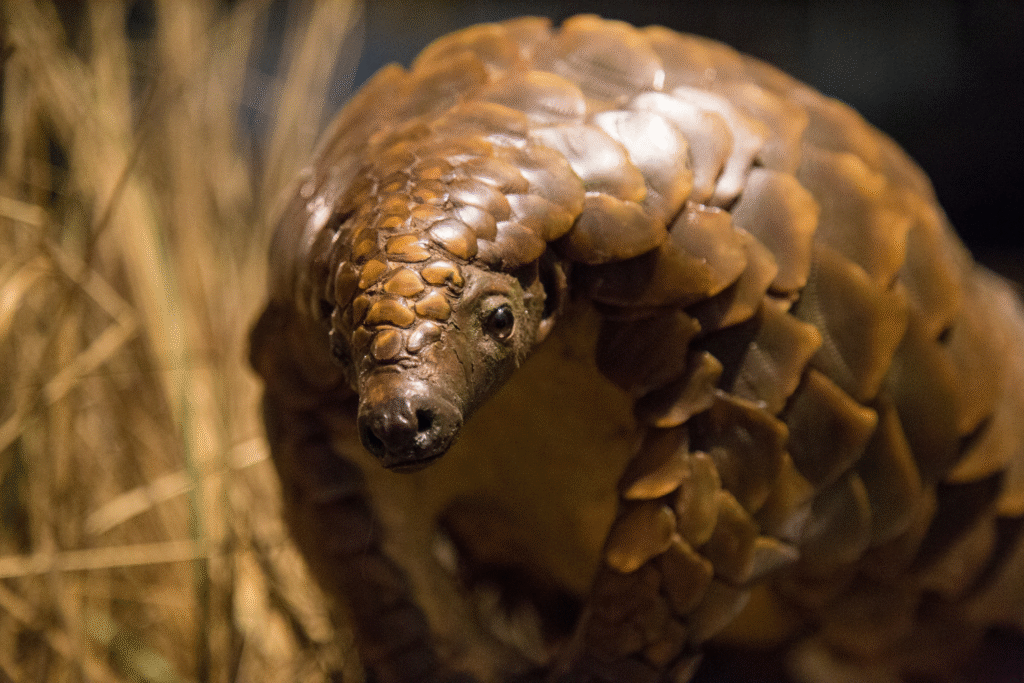
©Image license via Canva

If you’ve ever seen a pangolin, you’d probably think it wandered out of a fantasy novel. Wrapped in tough overlapping scales and curling into a perfect ball when scared, it feels more like a dragon’s cousin than a real mammal. But behind that incredible design lies a darker reality: pangolins are the most heavily trafficked mammal in the world. Their fate is tangled in myths, markets, and survival against impossible odds. The more you learn about them, the harder they are to forget.

Read more

Astronauts Say They’d Bring These 5 Animals to Mars for Survival

The secret to surviving the Red Planet might be swimming, buzzing, and crawling around us already.

©Image license via Canva

Space agencies have sent everything from fruit flies to monkeys into orbit, but the conversation about Mars colonization has taken an unexpected turn toward practical survival. With NASA targeting human missions to Mars by the 2030s, researchers are seriously considering which Earth creatures could help astronauts establish sustainable life on the Red Planet. After analyzing decades of space biology experiments and consulting with Mars mission planners, a fascinating pattern emerges from the data.

Read more

10 Reasons Why Skunks Are Popping Up in More Suburban Backyards Than Ever and What To Do

These masked bandits are adapting to human neighborhoods faster than homeowners can figure out how to deal with them.

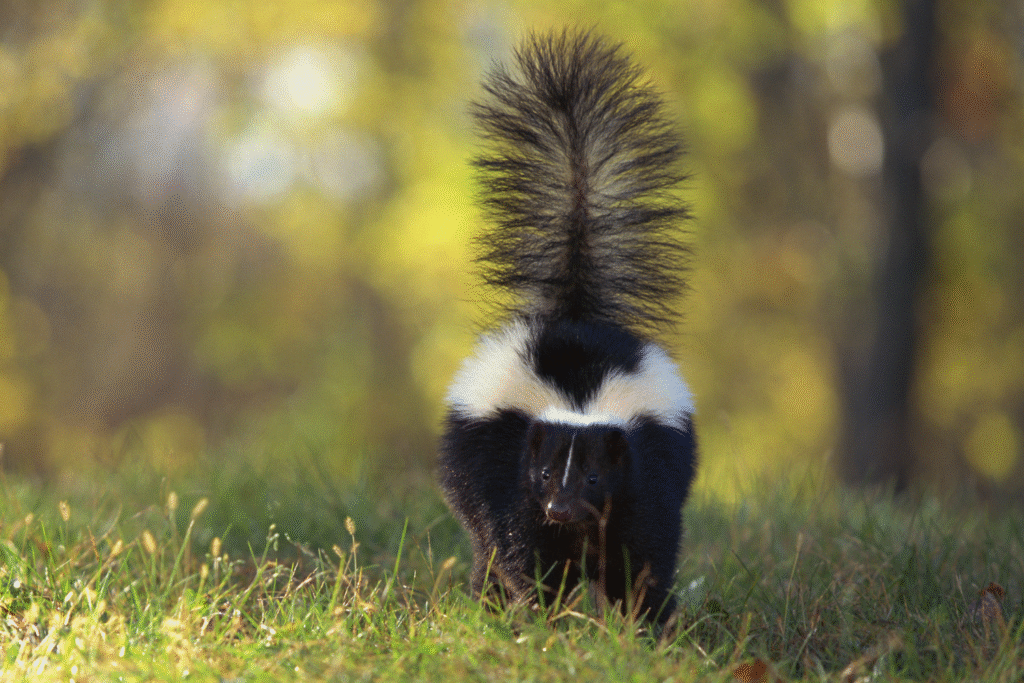
©Image license via Canva

Spotting a skunk waddling across your perfectly manicured lawn used to be a rare suburban event that sent families scrambling indoors and pets running for cover. These days, skunk sightings in residential areas have become so common that many neighborhoods have their own resident populations who treat backyard sheds like luxury condos and garbage cans like all-night diners. The reasons behind this furry invasion might surprise you, and the solutions require more strategy than simply hoping they’ll move along.

Read more

These Rats Are Saving Lives by Sniffing Out Landmines and Disease

What sounds like a bizarre science fiction plot is actually changing the world one sniff at a time.

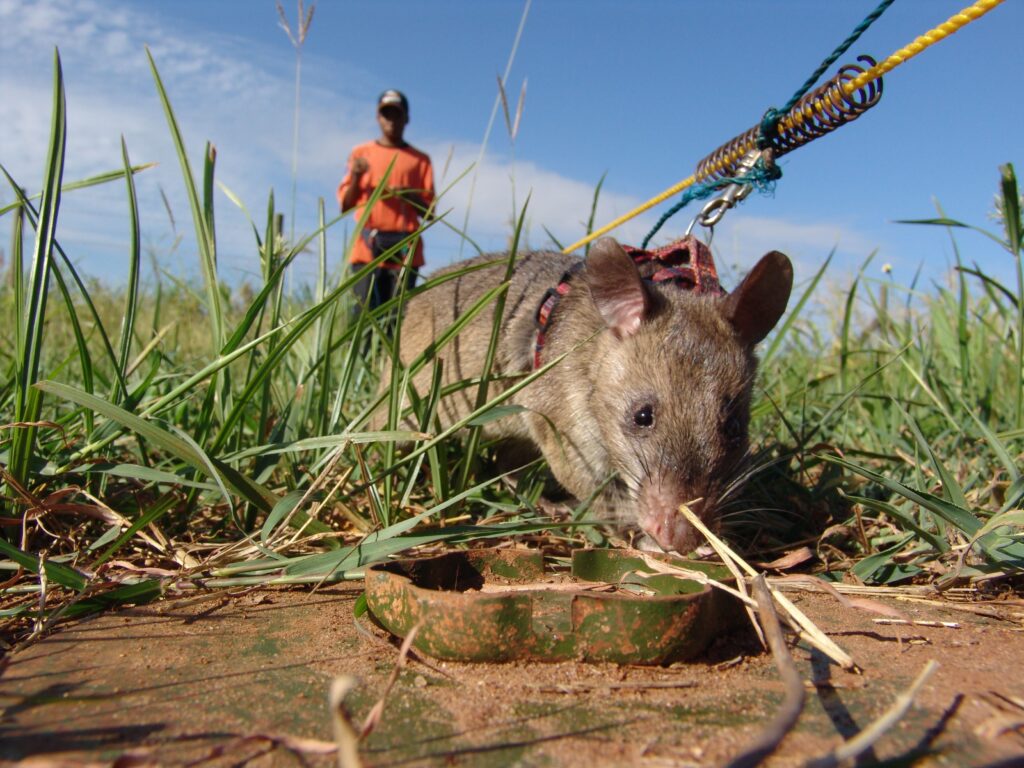
©Image credit to APOPO

Picture this scene that would make most people run screaming, but these furry heroes are literally sniffing their way through minefields and medical samples to save thousands of lives. The organization APOPO has turned African giant pouched rats into unlikely superheroes, training them to detect both buried explosives and tuberculosis with accuracy that puts many traditional methods to shame. These remarkable rodents have already helped clear over 155,000 landmines and identified more than 25,000 previously undiagnosed tuberculosis patients across multiple continents, proving that sometimes the smallest creatures can make the biggest difference.

Read more

Why Cities Are Using Trained Falcons Instead of Poisons to Control Pests

Discover how ancient hunting partnerships are solving modern urban wildlife problems more safely and effectively than chemicals.

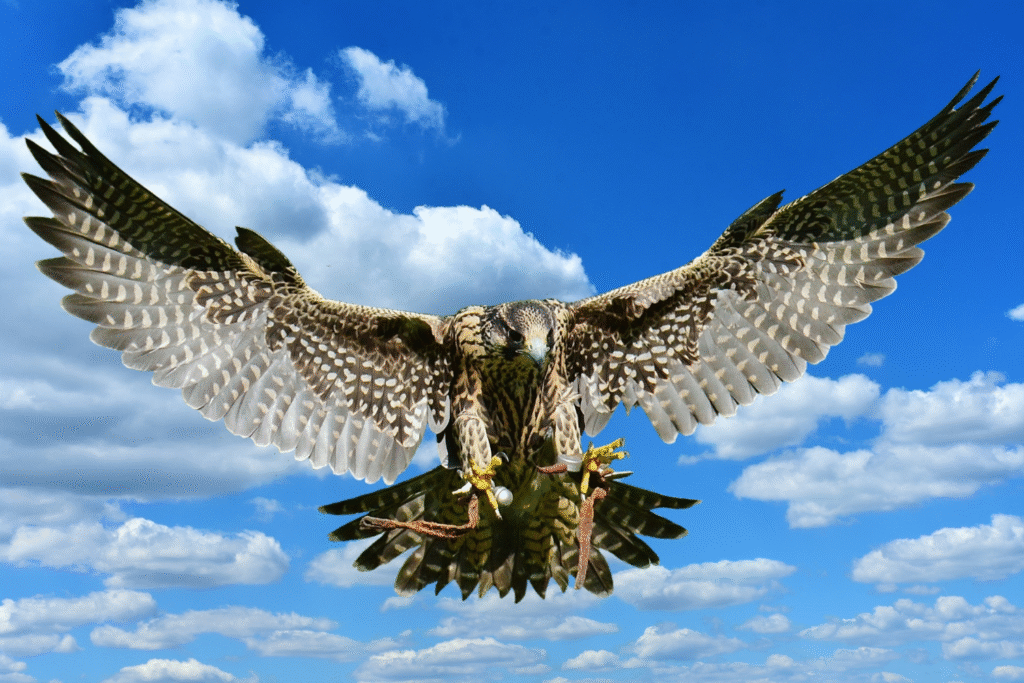
©Image license via Canva

Cities worldwide are rediscovering an age-old solution to pest bird problems by employing trained falcons and hawks to manage populations of pigeons, seagulls, and other nuisance species. This practice, known as falconry-based bird abatement, uses the natural predator-prey relationship to create long-term behavioral changes in pest bird populations without relying on harmful chemicals or lethal control methods.

The shift toward raptor-based pest management reflects growing awareness of the environmental and health risks associated with traditional poisoning programs, along with recognition that biological solutions often prove more sustainable and cost-effective over time. As urban wildlife conflicts intensify, falconry offers a proven alternative that addresses both immediate pest problems and underlying ecological imbalances.

Read more