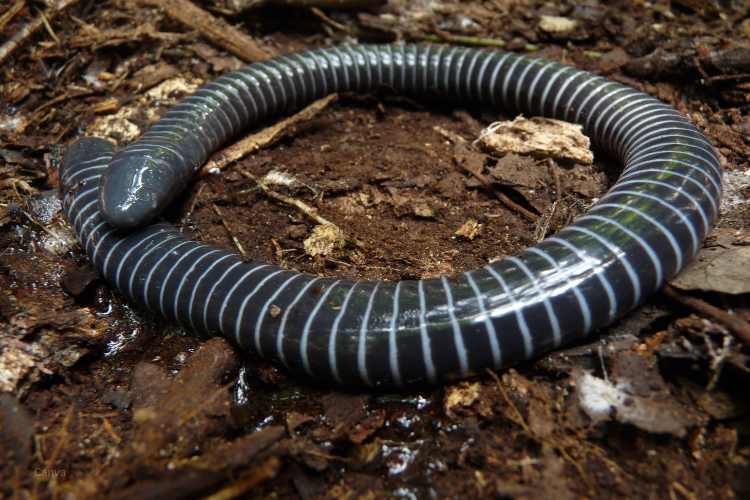
The Rio Apaporis caecilian isn’t famous, cute, or even remotely photogenic, which is exactly how it’s stayed hidden for so long. Found only in Colombia’s Apaporis River basin, this slick, wrinkly, noodle-shaped animal looks more like a cursed spaghetti noodle than a real vertebrate. But it’s real, rare, and ridiculously misunderstood. Most people don’t even know it exists, and that might be the most surreal part of all.
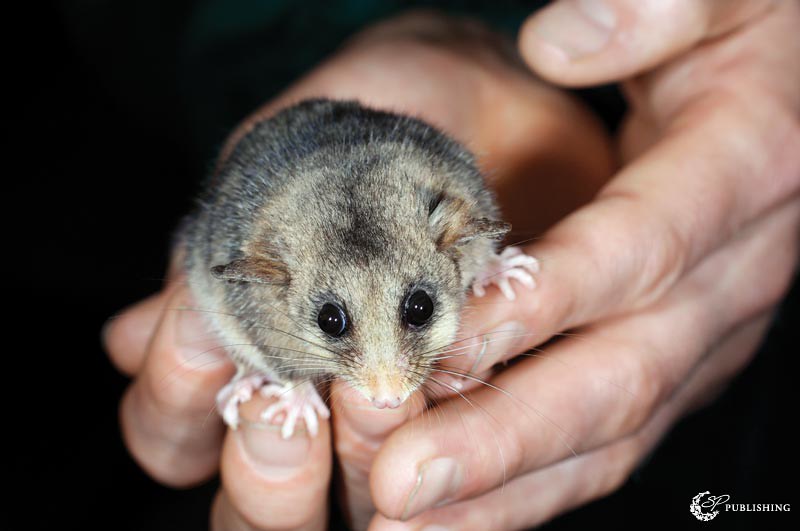
There’s a creature up in the Australian Alps that most people couldn’t identify if it crawled across their dinner plate. The mountain pygmy possum is smaller than a baked potato and older than a lot of fossils. It’s not supposed to still be here, and yet it is, tucked between snowmelt, granite, and crumbling ski infrastructure. If you thought Australia’s wildlife was all desert chaos and sunbaked predators, this furball is here to change your entire mental map.
There are raccoons doing things now that drivers aren’t even doing right. Bears are pausing at blinking lights. Coyotes are walking between painted lines like it’s part of a script. Wild animals are adapting to human infrastructure in ways that feel like satire, but they’re dead serious about survival. This isn’t just coincidence. In a world paved over with concrete and impatience, some animals are straight up learning traffic rules better than the tourists downtown. And they’re teaching each other how to do it.
Congress didn’t just pass a bill—they greenlit a $267 million rollback that hits all 433 national parks right where it hurts. The cuts take effect immediately, with impacts already beginning to show as of July 2025. Yellowstone and Yosemite are bracing for reduced staffing, canceled field projects, and fewer seasonal hires during peak months. Smaller parks like Guadalupe Mountains and Congaree, which already run on shoestring budgets, are facing potential closures of visitor centers, trail maintenance delays, and halted restoration work. The law slashes funds that were previously secured under the Inflation Reduction Act, unraveling climate resilience programs and pulling the plug on efforts to manage invasive species, protect endangered wildlife, and respond to wildfires. The public will feel the difference before summer ends—through longer wait times, shuttered services, and missing rangers. Wildlife won’t pause for bureaucracy. Once protections vanish, damage escalates fast. And without full-time rangers and biologists in place, everything from clean water to quiet habitats is suddenly fair game.
North Carolina has forests, swamps, barrier islands, and that sneaky blend of humid woods and calm lakes where danger looks almost peaceful. It’s not the place where creatures scream at you on sight. It’s the place where they blend in, move slow, strike fast, or leave a scar you never forget. Some are common. Some are protected. Some are just waiting for you to forget your bug spray or step off the trail.