Gopher-Proof Your Yard To Keep Them From Destroying Everything: 12 Ways To Get Rid of Them and Keep Them Out

Gophers will ruin your entire yard silently and fast, and they do not leave just because you yell at the ground.

©Image license via Flickr/matt “smooth tooth”

One day your garden looks great. Then the lettuce vanishes. Then the ground sinks a little near the edge. Then you see the dirt mounds and realize something has been tunneling through your yard like it owns the place. Gophers do not crash in loud. They show up quietly, set up a system, and wreck everything while you are just trying to live your life.

This is not about tossing a trap in the dirt and hoping for the best. It is about making your yard so annoying and unlivable that gophers take one look and go find someone else’s tomato patch. You do not have to turn your yard into a fortress, but you do have to stop making it easy for them. If they feel safe, they stay. If you make every inch of ground feel like a hassle, they move on.
Read more

How 16 Unusual Species Raise Their Young in Complete Darkness

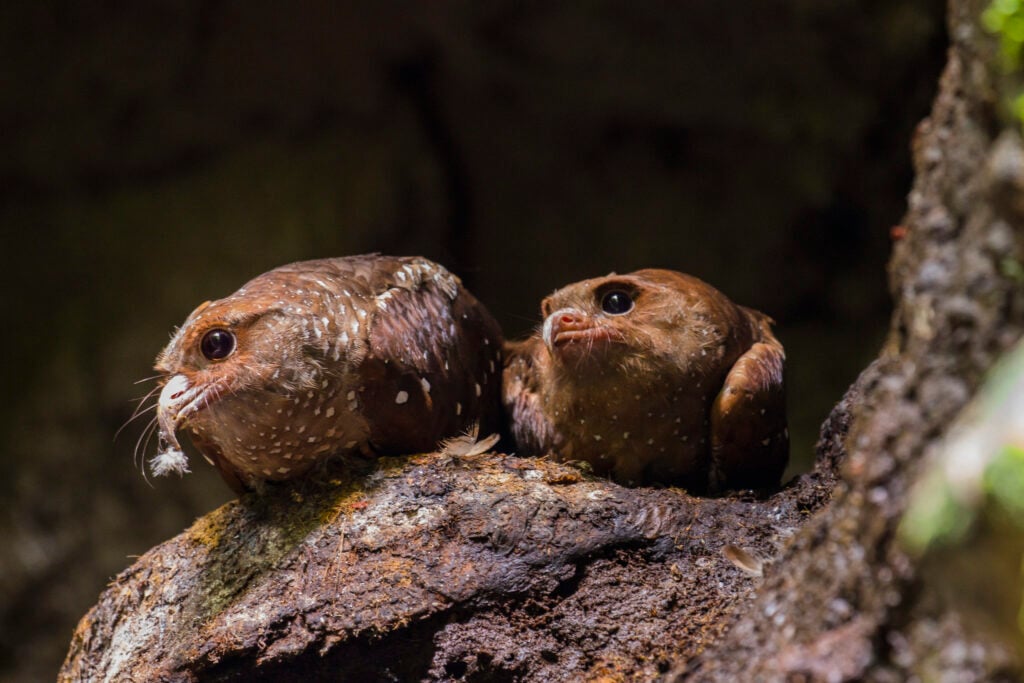
Not every creature needs sunlight to be a good parent, and some raise their young where no light ever reaches.

©Image license via Flickr/enalnomis

Most animals need at least a sliver of daylight to keep their young alive, but some have figured out how to skip that entirely. These species give birth, protect, and raise their offspring in total darkness, no moonlight, no filtered sunbeam, just pitch black. And somehow, they aren’t just surviving that way. They’re thriving. Their environments might sound claustrophobic to us, but for them, they’re exactly what the next generation needs.

Read more

10 Clever Ways to Protect Bird Feeders From Squirrels Without Hurting Them

Some squirrel-proofing tactics get cruel fast, but these clever fixes keep things fair.

©Image via Canva

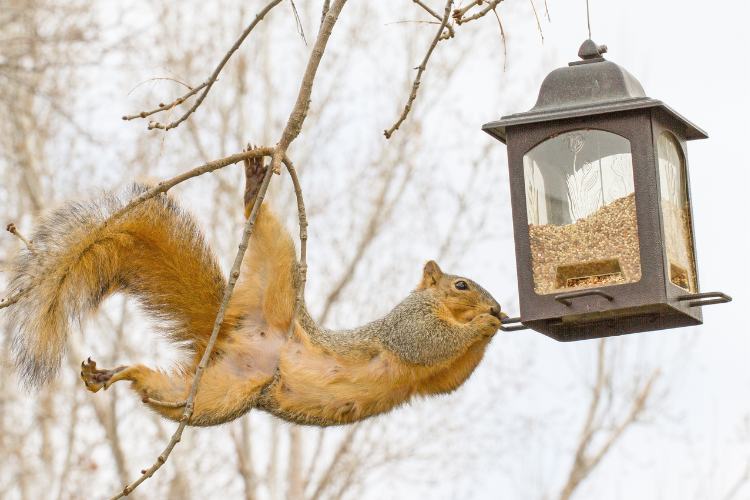
If you’ve ever watched a squirrel launch itself off a fence post like it’s auditioning for a Mission Impossible reboot, you know the war between birds and squirrels is not exactly subtle. What starts with “just a feeder” quickly becomes an acrobatic arms race. But not everyone wants to fight dirty. Greasing poles, setting traps, or using electric shock feeders feels a little intense when the so-called “problem” is just a furry, hungry gymnast trying to live.

That’s why a growing number of bird lovers are looking for methods that protect the seed without punishing the thief. You don’t have to be Team Squirrel to want them to leave your feeders alone without resorting to cruelty. Turns out, some of the smartest methods are also the most humane, and they work by outsmarting, not harming. Here are the first five ways people are keeping the peace in their yards.

Read more

12 Endangered Species That Might Not Survive the Next Decade And How We Are Helping

Some of the rarest animals on Earth are down to just hundreds, or dozens, and the clock is officially ticking.

©Image license via Canva

When we talk about endangered species, the usual image is a slow decline. But for some animals, the pace is anything but slow. Habitat is vanishing overnight. Temperatures are rising faster than they can adapt. Illegal trade, disease, and invasive species are pressing in from every side. Some of these animals are so close to the edge that one storm, one wildfire, one policy shift could tip the scales completely.

Still, not every story is doom. Around the world, people are stepping in with small, scrappy, sometimes wildly creative solutions. From last-ditch breeding efforts to Indigenous-led land protections, the work is happening. The question is whether it will be enough, and whether we’re doing it fast enough. These are the species balancing on that edge right now.

Read more

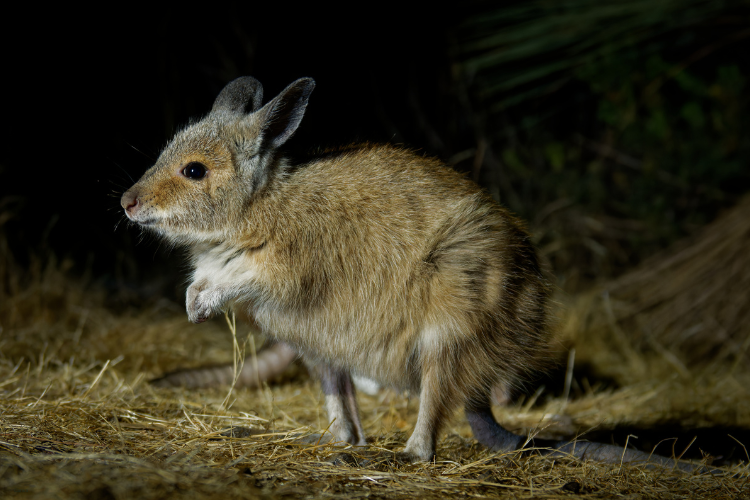
This Tiny Wallaby Disappeared, Reappeared, and Is Still on the Edge: 8 Reasons Why

It was declared extinct in the wild, but its comeback story is still in fragile territory.

©Image via Canva

For a wallaby that’s barely bigger than a rabbit, the mala, or rufous hare-wallaby, has been through enough plot twists to deserve its own documentary. It once hopped across vast stretches of central Australia, quietly thriving in the arid scrublands. But within a few decades, the species vanished from the mainland entirely, driven out by foxes, cats, and habitat loss. For a while, it seemed like the story had ended. Then scientists found surviving wild populations—barely clinging on—on remote islands off Western Australia. That’s when the comeback began.

Even now, though, this little marsupial hasn’t truly bounced back. It’s still listed as critically endangered, and every part of its recovery depends on human intervention. Reintroduction attempts are underway, but every project hinges on careful planning, intense predator control, and constant monitoring. The story of the mala is far from over. Here’s why its future is still hanging in the balance.

Read more