Wolves Near Human Communities Are Starting to Change Their Behavior

Researchers say the patterns are becoming harder to ignore.
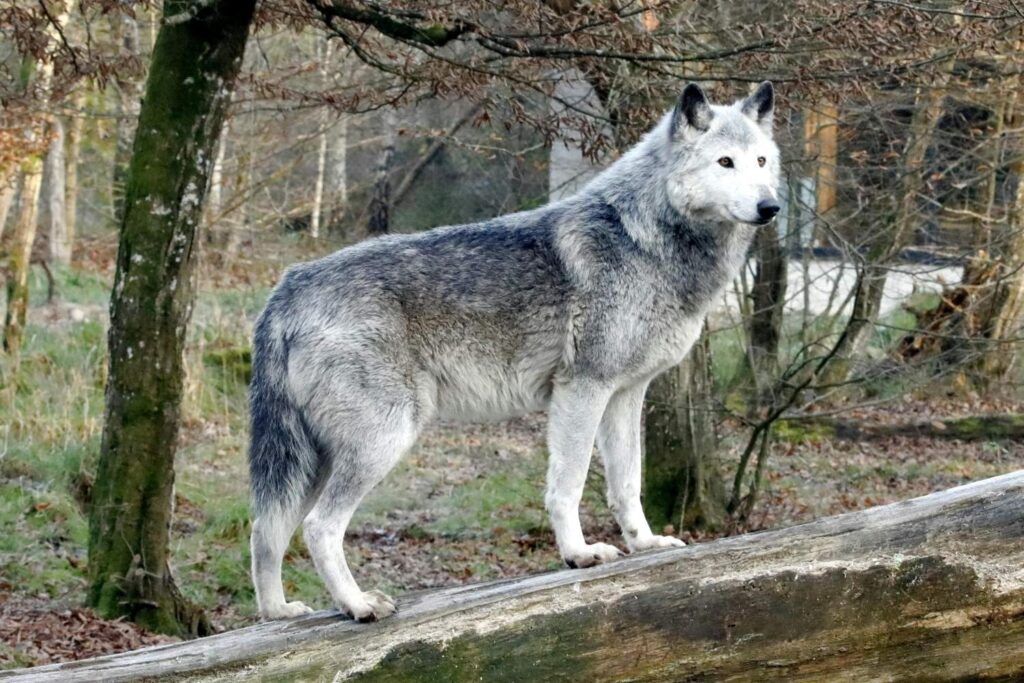
©Image license via Canva

Across many landscapes, the boundary between wilderness and human settlement is becoming harder to define. Roads stretch deeper into forests, farms edge against old migration routes, and towns rise in places that once belonged entirely to wildlife. Wolves now move through this changing terrain with a caution shaped by centuries of survival. Their paths cross our infrastructure more often, yet most people never realize how closely they share the same ground. As scientists watch these encounters unfold, a quieter story emerges about adaptation. The question is no longer whether wolves can survive near humans, but how their behavior transforms when the two worlds overlap.


Read more

12 U.S. States Where Massive Elk Herds Still Move Across the Landscape

In certain places, the ground still trembles at dawn.

©Image license via iStock

There are moments in the American wild when the air shifts before you see anything at all. A low echo rolls across frost covered grass. Branches snap somewhere beyond the treeline. Then movement begins, not one shape but dozens, sometimes hundreds, flowing through valleys as if time reversed itself. These are not relics or zoo animals behind fences. They are massive, breathing herds reclaiming landscapes that once nearly lost them. In a country stitched together by highways and subdivisions, there are still corners where something ancient gathers in numbers large enough to silence everything else.

Read more

Several Species Just Vanished From the Endangered List, But Not Because They Recovered

Their removal is raising questions conservationists did not expect.

©Image PetsnPals/AI generated image

For years, their names sat on the endangered list like a fragile promise. Then, almost quietly, several disappeared. Not crossed off because their habitats were restored. Not removed because their numbers rebounded. Just… gone. Federal records shifted. Classifications changed. And conservationists began asking a harder question. When a species vanishes from protection without a celebration, what exactly happened?

Read more

10 Animals Trapped in a Single Corner of the Earth

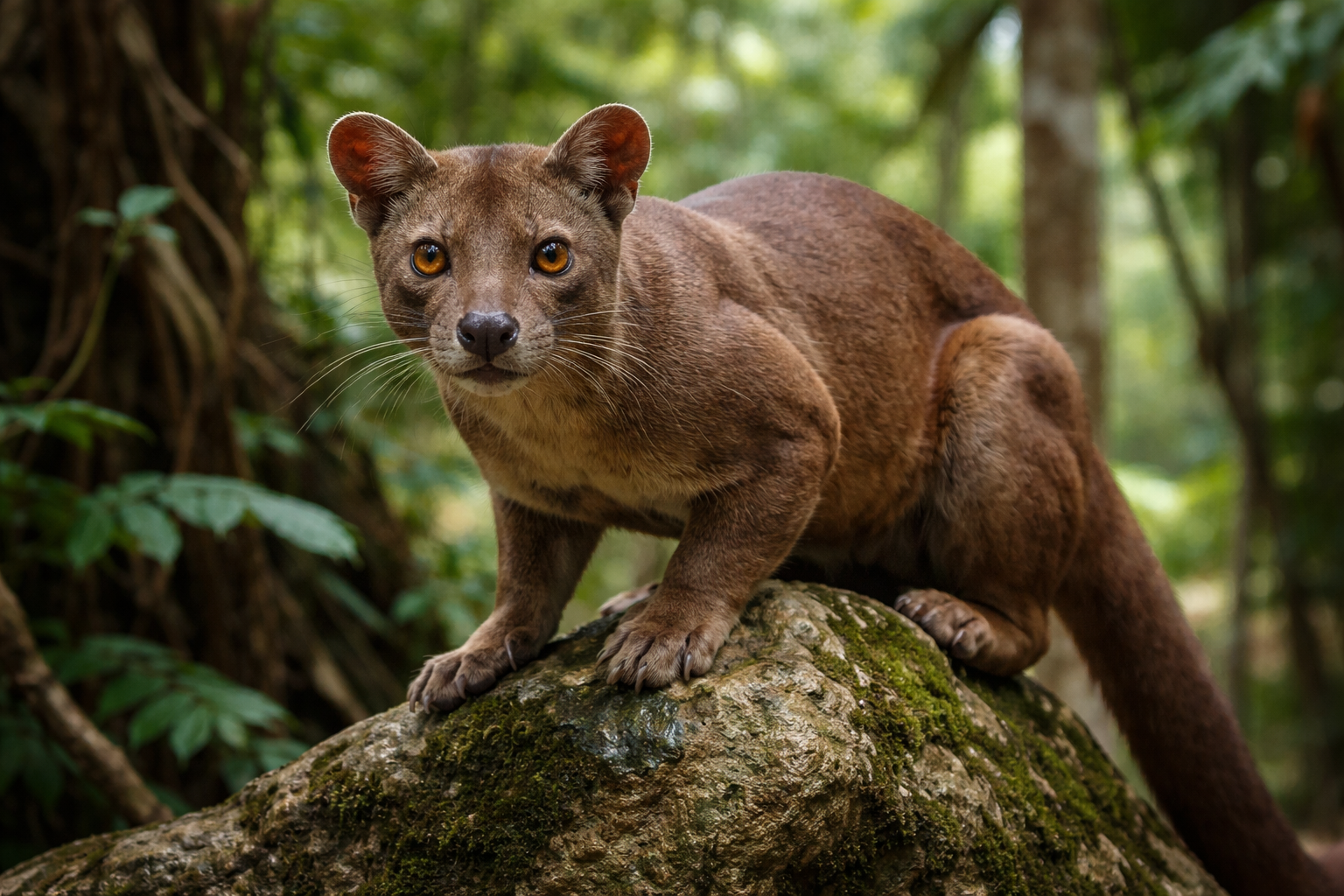
Singular species shaped by singular places.

©Image PetsnPals/AI generated image

Some species exist so narrowly that a single island, lake, or forest ridge holds their entire story. Step beyond that boundary and they simply do not exist. These creatures are not rare by accident. They are the result of millions of years of separation, shaped by environments that forced unusual solutions to survival. In these places, evolution experiments boldly, producing animals that look improbable, behave unexpectedly, and fill roles found nowhere else. What makes them remarkable is not just how they look, but how precariously their entire existence balances on one patch of Earth.

Read more

New Research Confirms Early Humans Faced Apex Predators Daily

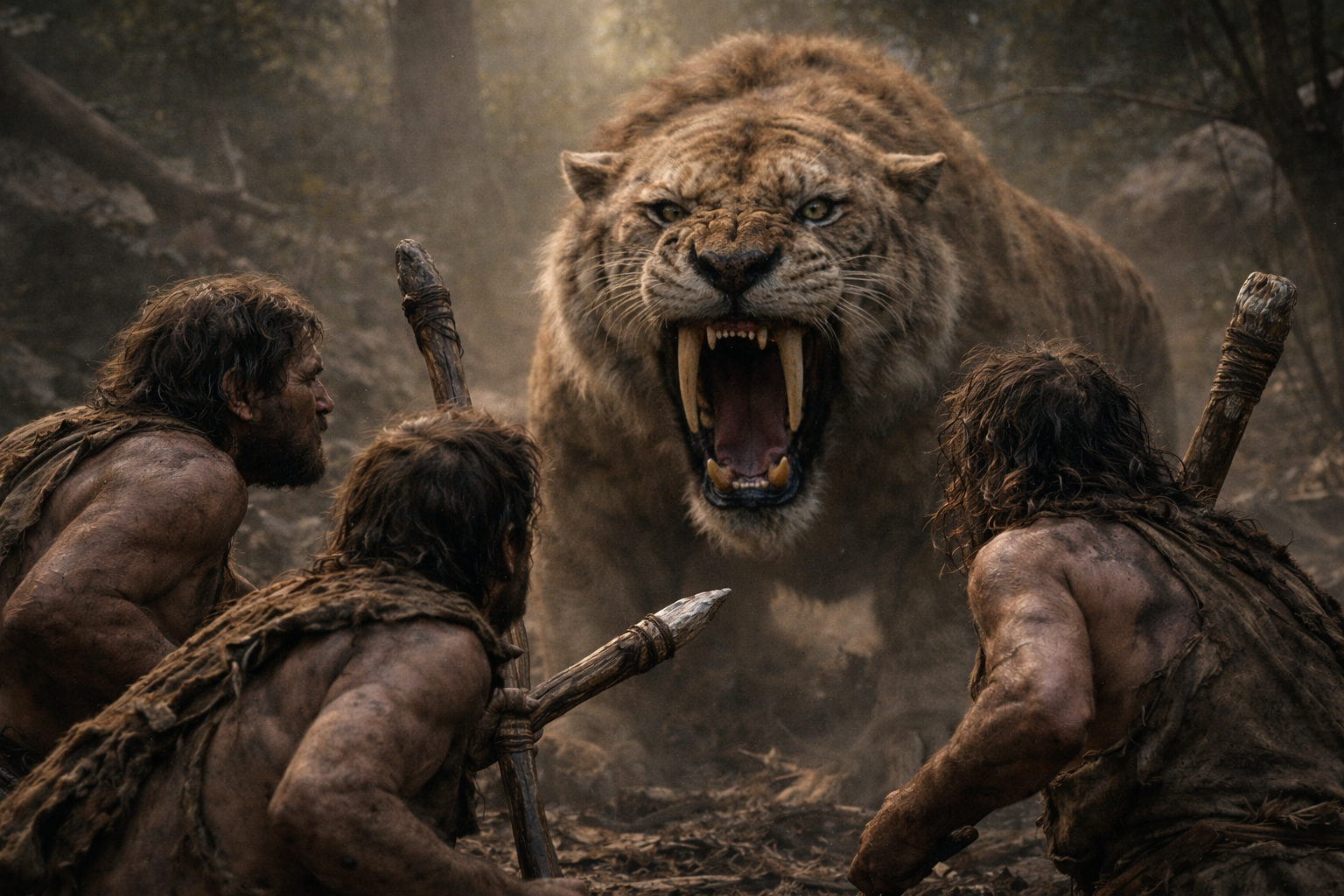
For most of our history, we were not the hunters.

©Image PetsnPals/AI generated image

It is tempting to picture early humans as bold pioneers stepping confidently into open landscapes. The fossil record suggests something far less comfortable. Long before cities or agriculture, survival meant moving through territories already claimed by creatures built for ambush and pursuit. New analytical tools are now revisiting old bones and exposing patterns that were once invisible. What emerges is not a story of swift human ascendancy, but of vulnerability repeated across generations. Intelligence was developing, yes, but so was a daily awareness that somewhere nearby, something stronger was watching and waiting.

Read more