
Affection forms long before anyone notices patterns.
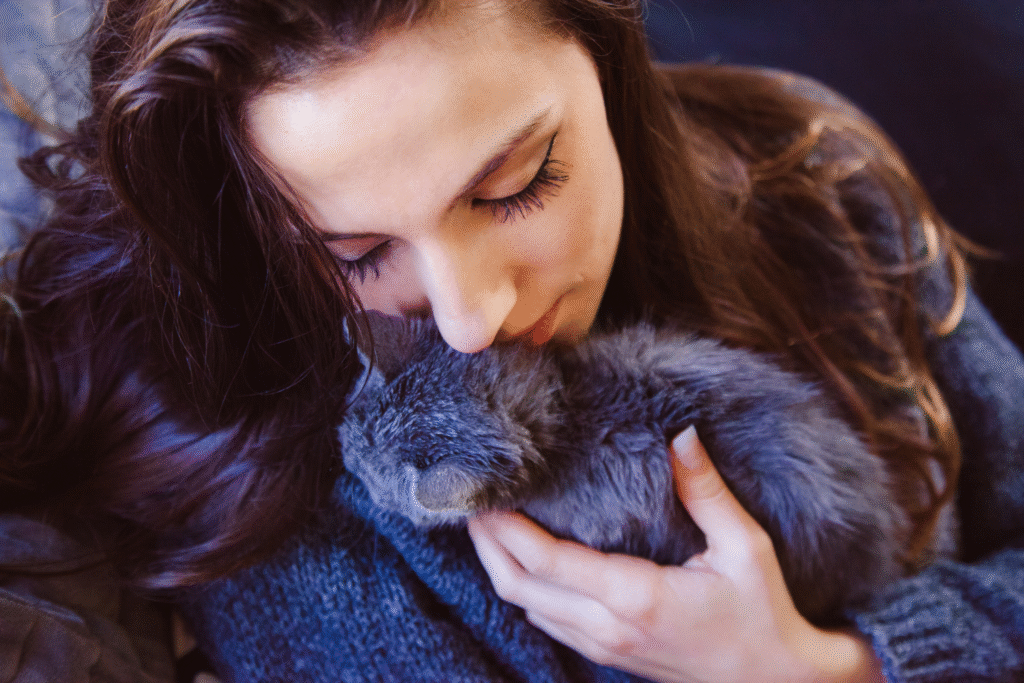
In multi person homes, cats often reveal preferences slowly. A shift in sleeping spots, a longer pause beside one person, or a habit of following someone room to room can feel accidental. Yet these moments accumulate. Unlike dogs, cats rarely announce loyalty. Their choices unfold through routine, proximity, and subtle trust cues. What looks random is usually selective. The tension comes from not knowing when the decision happens, or why one person becomes central. Understanding this process requires watching what cats notice, not what people expect.
1. Cats track who respects their personal space.

A cat’s comfort depends on control. When someone allows distance without forcing touch, that restraint gets logged. The cat notices who waits, who watches, and who does not interrupt rest or retreat moments.
Over time, this respect builds predictability. Cats favor environments where boundaries hold steady. Research on feline stress responses shows reduced anxiety around people who avoid overstimulation, according to the International Cat Care. The preference is not emotional in a human sense, but rooted in safety signals repeated daily.
2. Feeding routines quietly shape emotional associations.
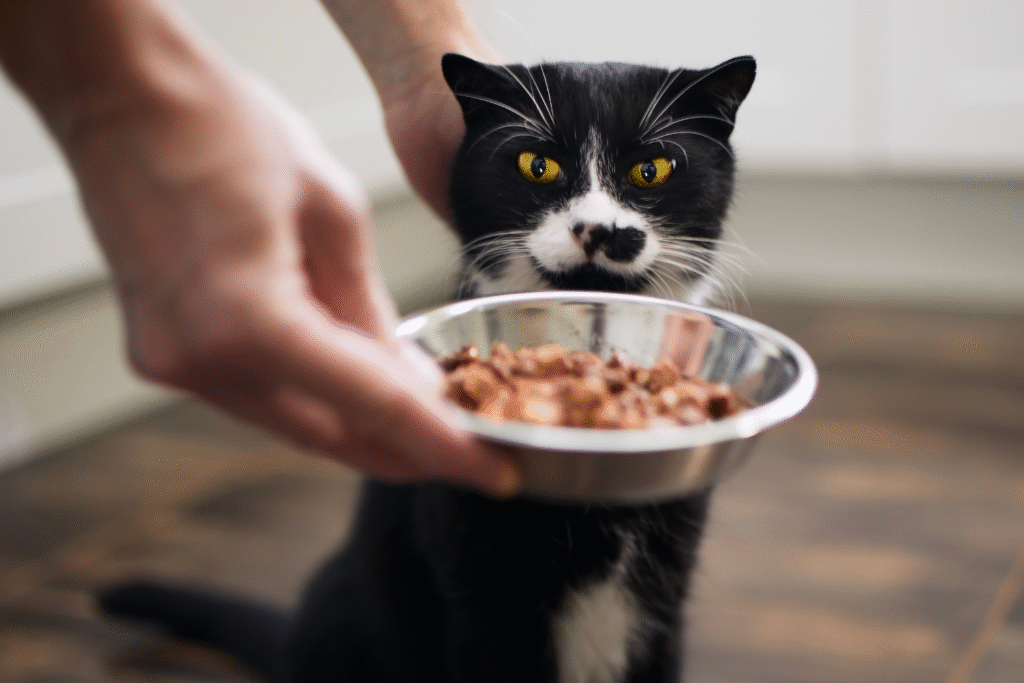
Food timing matters more than quantity. A cat learns who controls consistency, not treats. The person who feeds at predictable times becomes anchored to relief and stability.
This association forms even when feeding duties rotate. Cats track patterns precisely. Studies on domestic cat behavior note stronger attachment behaviors toward consistent caregivers, as reported by the American Veterinary Medical Association. The bond grows subtly, built through anticipation rather than interaction, and often precedes visible affection by weeks or months.
3. Calm voices register differently than animated ones.
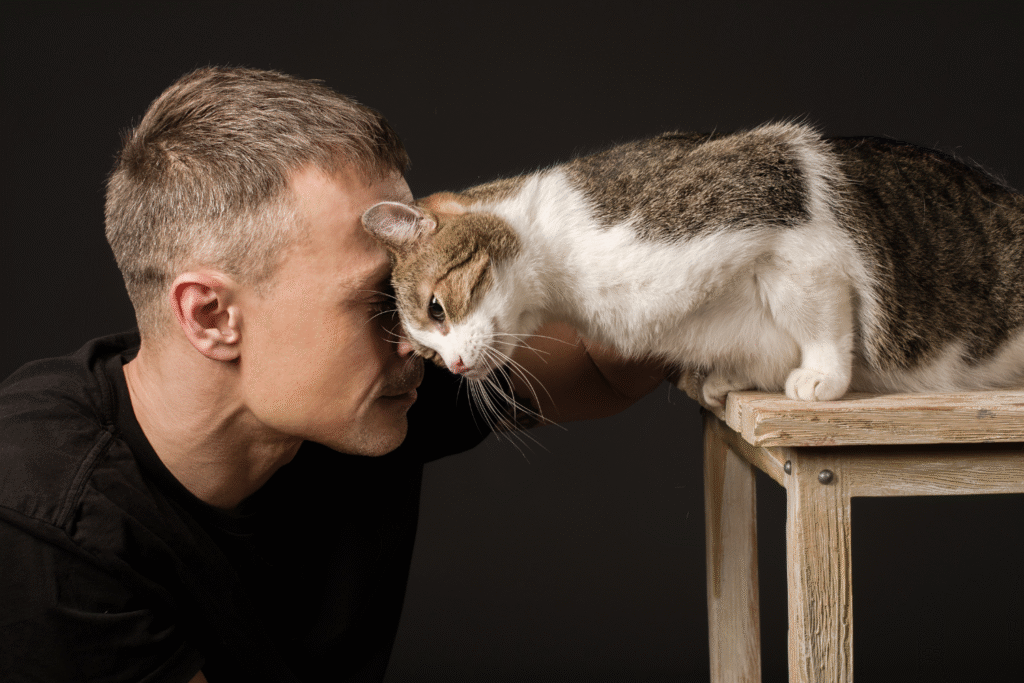
Cats hear emotional tone before words. A steady, low energy voice reduces alertness and signals safety. Loud or fluctuating speech can raise vigilance even without intent.
This sensitivity links back to survival wiring. Feline auditory processing prioritizes threat detection. Research into cat human communication suggests calmer vocal patterns encourage proximity, as discovered by the University of Tokyo. Over time, cats gravitate toward the voice that requires the least monitoring.
4. Cats observe reactions during moments of stress.

When something startles the household, a cat watches closely. Dropped objects, raised voices, sudden movements all become data points. The cat remembers who stays composed.
These moments shape trust faster than play. A calm response during chaos suggests reliability. Cats do not seek protection, but they value environments that remain predictable under pressure. The person who does not escalate tension becomes easier to stay near, especially during vulnerable states like sleep or grooming.
5. Body language consistency influences feline comfort.

Cats read posture constantly. A person who moves smoothly and predictably blends into the environment. Abrupt gestures or looming stances demand attention.
Over time, cats choose proximity to those whose movements require less tracking. This is not affection yet, but efficiency. Conserving attention reduces stress. The favored person often does nothing special, just nothing alarming, allowing the cat’s nervous system to remain settled.
6. Scent familiarity quietly reinforces preference.

Cats rely heavily on scent mapping. Clothing, furniture, and skin odors form emotional geography. A person whose scent remains stable becomes part of the cat’s safe zone.
Frequent changes in soap, detergent, or environment can disrupt this recognition. The preferred person often smells the same day after day. That consistency reduces cognitive load. The cat does not think about it consciously, but returns where the scent feels known and unchallenging.
7. Cats notice who ignores them appropriately.
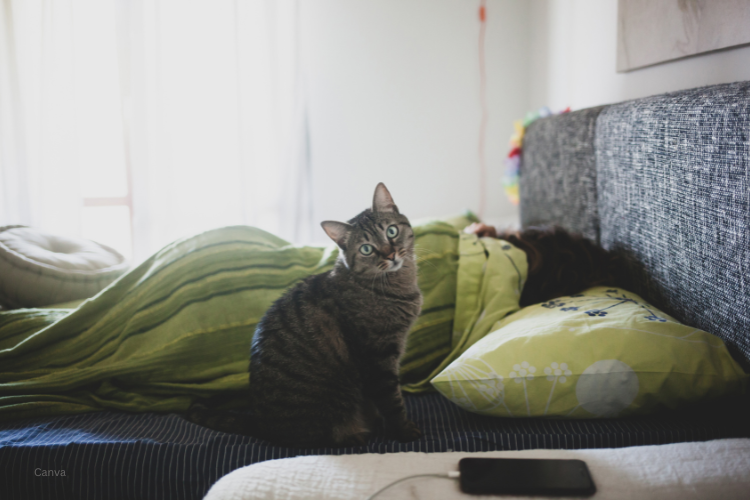
Ignoring a cat can be attractive. Direct staring, constant engagement, or repeated attempts to initiate contact can feel intrusive. The person who allows approach to remain optional gains advantage.
This restraint signals confidence without pressure. Cats often choose the person who seems least invested in winning attention. The dynamic flips expectations. By not demanding interaction, that person becomes the safest choice when the cat seeks it.
8. Play style compatibility matters more than frequency.
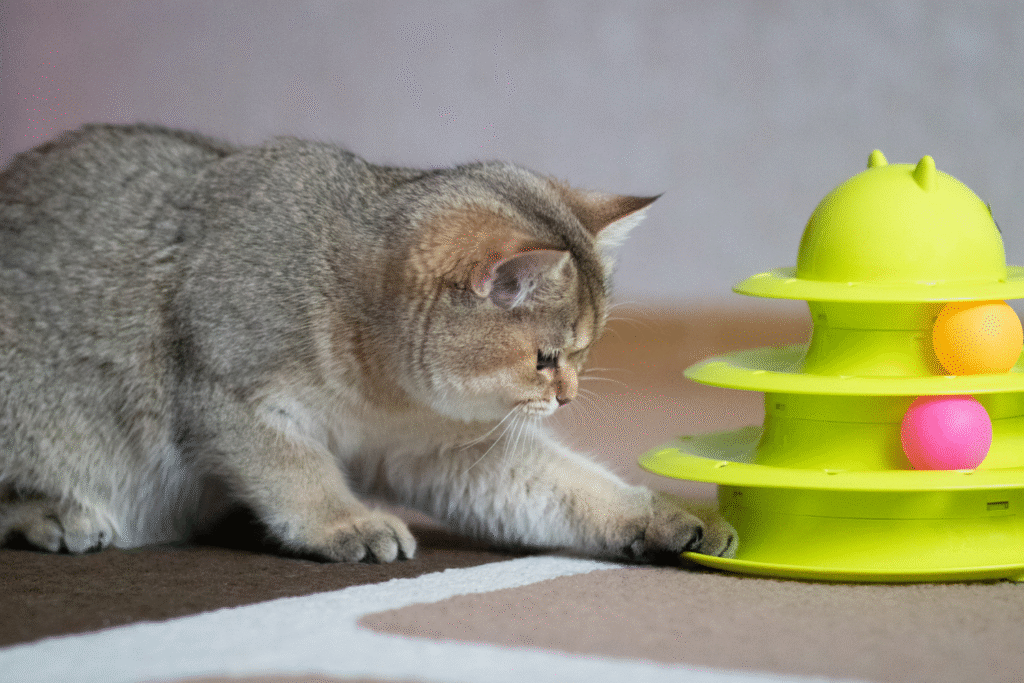
Not all play feels equal to a cat. Timing, intensity, and stopping points shape enjoyment. A person who mirrors the cat’s rhythm earns trust faster than someone who overextends sessions.
Cats prefer play that ends before fatigue or frustration. The individual who notices subtle disengagement cues becomes preferred. This shared rhythm builds mutual understanding, which quietly transitions into attachment.
9. Cats evaluate sleep proximity carefully.

Sleeping near someone is a calculated choice. Vulnerability rises during rest. Cats choose sleeping partners based on movement, breathing patterns, and nighttime disturbance.
The person who sleeps quietly becomes a viable anchor. Over nights, the cat tests positions and distances. Choosing the same person repeatedly reflects a decision rooted in safety, not affection alone.
10. Long term presence outweighs intense interaction.
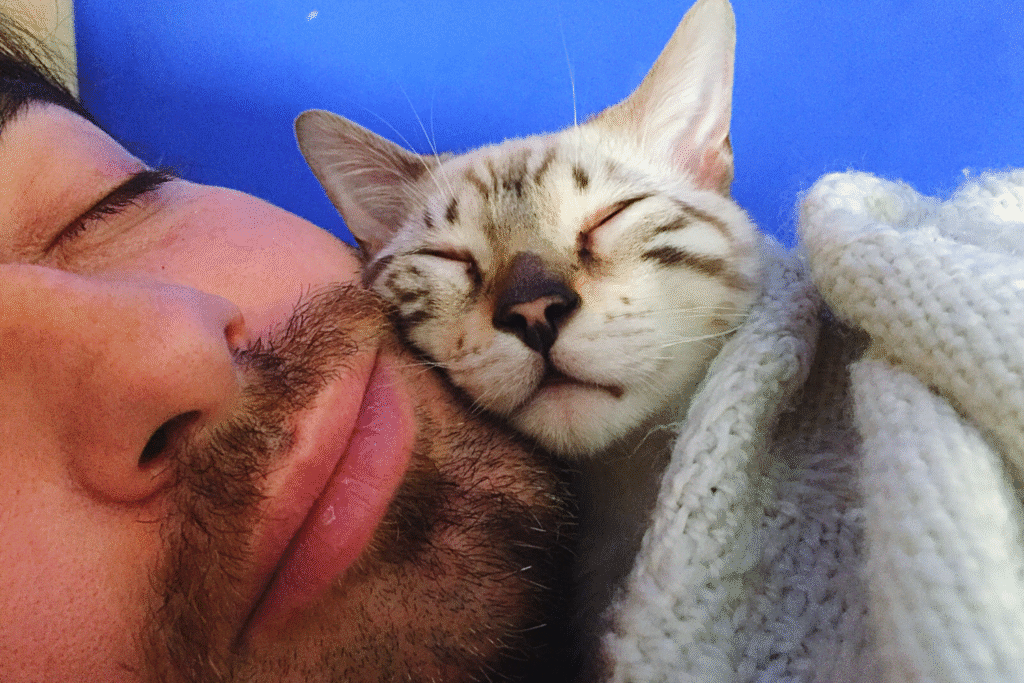
Cats value reliability over intensity. A person who shows up daily, even quietly, becomes a constant. Brief bursts of attention cannot replace long term presence.
This preference forms slowly and resists disruption. Even after absences, cats often return to the same individual. The bond was built through accumulated neutrality, not dramatic moments. By the time it becomes visible, the choice has already been made.