
They absorb patterns long before you think they notice.
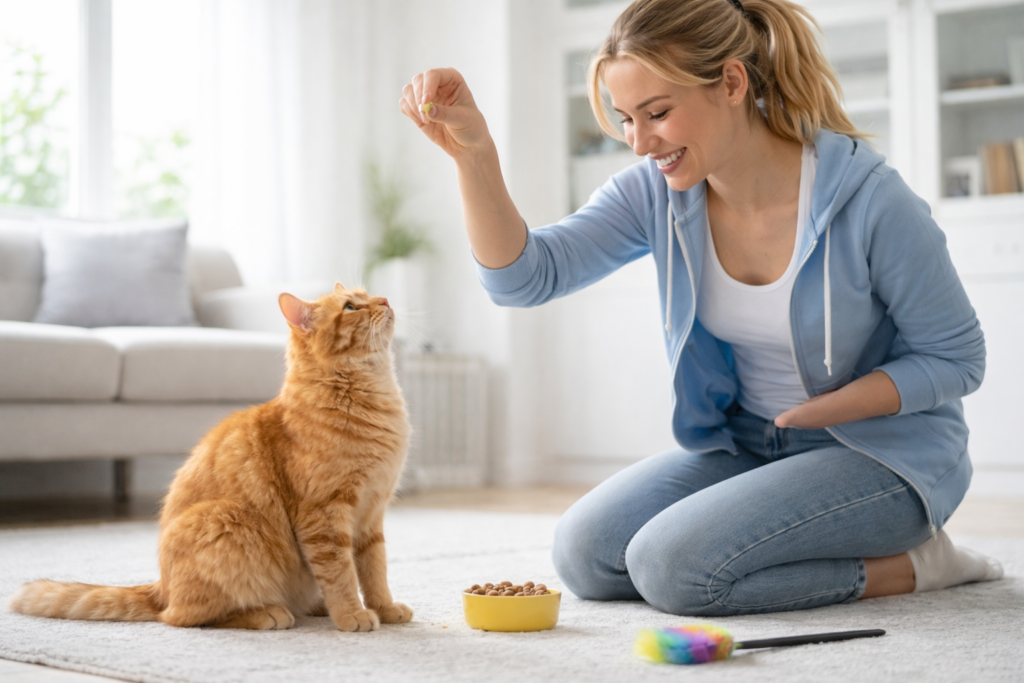
Cats are rarely taught household rules, yet most learn them with surprising accuracy. They know which rooms feel off limits, when food appears, and how close is too close to the dinner table. This learning does not come from obedience or instruction. It comes from observation, repetition, emotional feedback, and self preservation. Domestic cats evolved alongside humans by reading environments rather than following commands. Inside modern homes, they rely on the same instincts. What looks like indifference is often quiet analysis happening in real time.
1. Cats watch routines before choosing their own behavior.

When a cat enters a new home, it often appears inactive, spending long periods sitting or lying still. This is not laziness. During this phase, the cat is observing patterns. It notes when people wake, where food appears, which rooms fill with activity, and when the house becomes quiet. These details form a mental map of predictability.
Cats are highly sensitive to routine. Once patterns stabilize, behavior adjusts to fit them. A cat learns when counters are busy, when doors open, and when attention is available. Research into feline learning shows cats rely heavily on environmental consistency to guide behavior, according to the Journal of Veterinary Behavior. Rules form naturally once patterns become reliable.
2. Consequences shape choices more than commands ever do.

Cats do not interpret verbal correction the way dogs do. Instead, they learn through outcomes. If a behavior consistently results in removal, interruption, or loss of access, it gradually fades. If it succeeds without consequence, it strengthens. Cats evaluate effort against payoff with remarkable consistency.
This mirrors how wild felines adapt to unpredictable environments. They test actions, observe results, and refine behavior accordingly. Humans may feel ignored because there is no immediate compliance. In reality, the cat is learning through experience. Behavioral specialists note that cats form strong cause and effect associations through repetition, as stated by the American Association of Feline Practitioners.
3. Emotional reactions teach boundaries without physical enforcement.
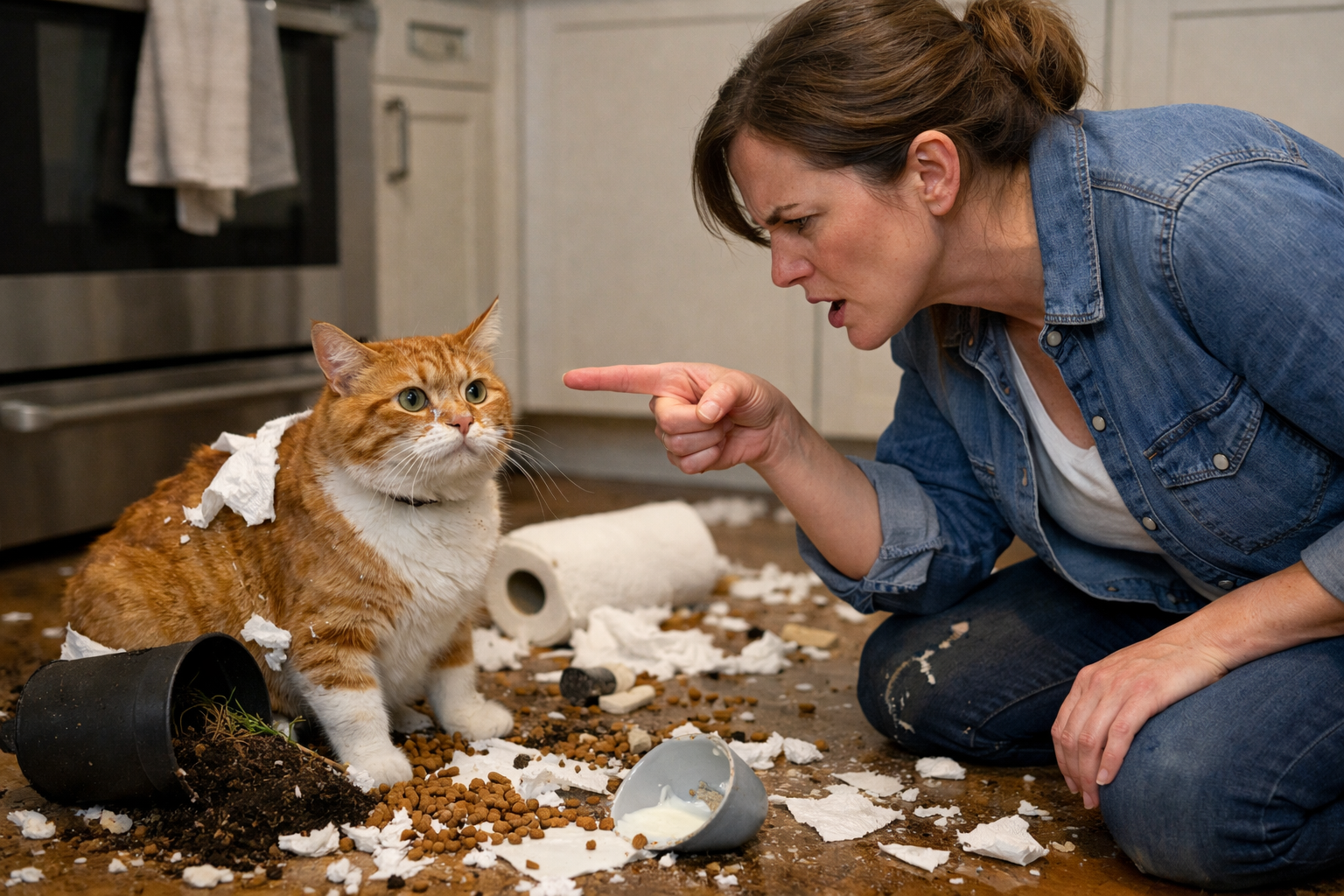
Cats are extremely sensitive to emotional shifts. Tone of voice, posture, facial tension, and movement speed all communicate meaning. A calm but firm response teaches more effectively than raised voices or physical correction. Over time, cats learn which actions trigger tension and which maintain emotional neutrality.
This skill evolved for survival. Reading emotional cues allowed cats to coexist with larger animals safely. In homes, it allows them to navigate human moods with precision. Studies show cats distinguish between neutral and negative emotional expressions and adjust behavior accordingly, according to research from the University of Lincoln. Emotional feedback becomes an invisible training system.
4. Territory mapping defines what feels allowed.

Cats organize space into functional zones. Sleeping areas, feeding areas, play zones, and avoided spaces become mentally categorized. These zones shape behavior more powerfully than verbal rules. A room that consistently lacks interaction often becomes off limits without direct enforcement.
Territorial mapping helps cats minimize conflict and conserve energy. Once boundaries are reinforced through routine, cats rarely challenge them. A chair used daily becomes acceptable, while a counter associated with removal becomes undesirable. Rules emerge as spatial habits solidify, allowing cats to navigate the home confidently without instruction.
5. Timing patterns teach cats when behaviors succeed.

Cats learn not just what actions work, but when they work. Appearing near the kitchen at the right moment yields food, while early attempts fail. Over time, cats refine their timing rather than increasing effort. This precision reflects advanced pattern recognition.
This ability reduces frustration. Instead of constant begging, cats synchronize behavior with household rhythms. Timing awareness allows them to act efficiently and predict outcomes accurately. Learning when humans are receptive is as important as learning what behaviors are tolerated, shaping daily interactions quietly and effectively.
6. Observation of humans replaces direct instruction.

Cats frequently watch humans interact with objects, spaces, and other animals. They note which doors open easily, which surfaces trigger reactions, and which behaviors invite calm responses. This passive observation allows cats to learn rules without testing every boundary themselves.
This form of social learning is well documented in mammals. Cats copy successful behaviors and avoid unsuccessful ones based on observation alone. This explains why cats often adjust faster in multi pet households or after watching human routines repeatedly. Learning happens without confrontation or correction.
7. Comfort seeking reinforces acceptable behaviors.
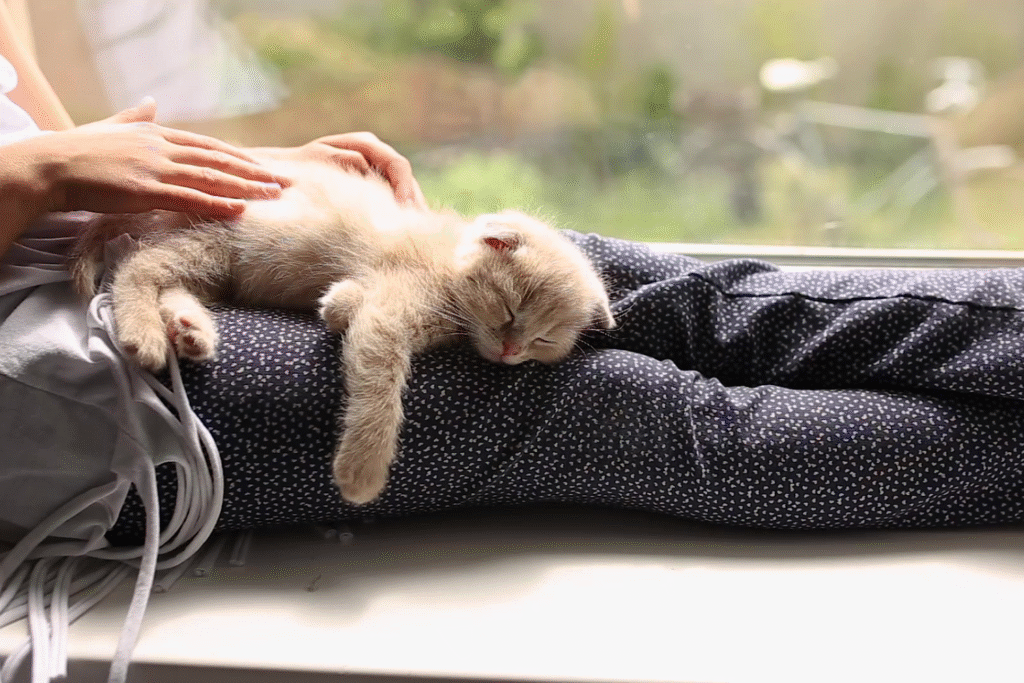
Cats prioritize comfort and safety. Behaviors that preserve warmth, calm, and security are repeated, while those that disrupt comfort are abandoned. A lap that remains relaxed invites return. A surface that leads to disturbance becomes undesirable.
Comfort functions as a reward system that requires no training. By selecting behaviors that maintain physical and emotional ease, cats align naturally with household expectations. This reinforcement is subtle but powerful, shaping behavior through preference rather than fear or obedience.
8. Consistency matters more than intensity of response.

Cats respond poorly to inconsistent reactions. Occasional strong responses followed by tolerance create confusion. Mild but predictable responses, however, create clarity. Consistency allows cats to anticipate outcomes and adjust behavior accordingly.
When outcomes remain stable, cats stop testing boundaries. When outcomes vary, testing continues. This is why households with predictable routines see fewer behavioral conflicts. Stability creates trust in the environment, allowing cats to relax into learned rules rather than constantly reassessing them.
9. Memory allows long term rule retention.
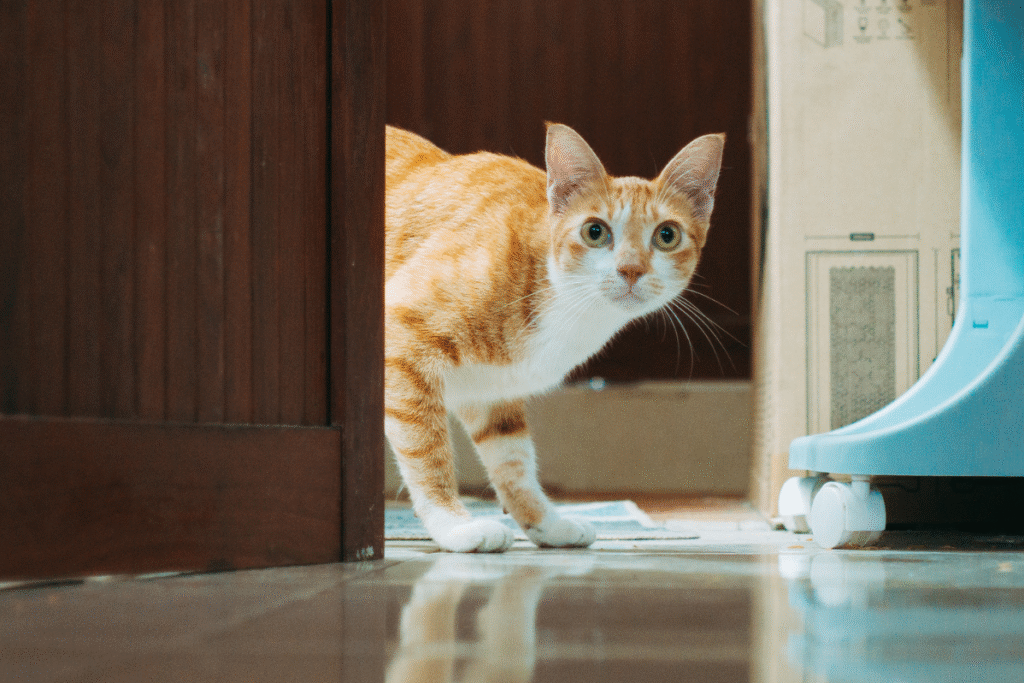
Cats possess strong associative memory. Once a rule is learned, it is often retained for years. A cat that learned to avoid a certain room may continue avoiding it even if circumstances change.
This memory efficiency reduces cognitive load. Cats do not need constant reminders. They store learned rules and act accordingly. Long term retention supports stability and reduces friction between cats and humans, making shared spaces easier to navigate over time.
10. Self preservation drives rule learning naturally.

At the core of all rule learning is self preservation. Cats avoid behaviors that lead to stress, conflict, or loss of control. They pursue actions that preserve safety, access, and autonomy. This instinct guided survival long before domestication.
Inside homes, self preservation shapes behavior without instruction. Cats are not ignoring rules. They are calculating them. Household norms emerge because following them simply makes life easier, calmer, and safer for the cat.