
Feline instincts explain their love for simple things.
You spend good money on fancy cat toys, only to watch your cat stroll past them and start attacking a bottle cap instead. It feels like mockery, but there’s actually logic behind it. Cats are driven by instinct, curiosity, and a love of unpredictability. Expensive toys often miss those marks, while random household items accidentally hit them perfectly. Scientists studying feline behavior say it’s not about cost—it’s about stimulation. The crinkle of paper or flutter of string just taps into something primal. Here’s why your cat will always pick the trash over the toy.
1. Trash moves more like real prey.
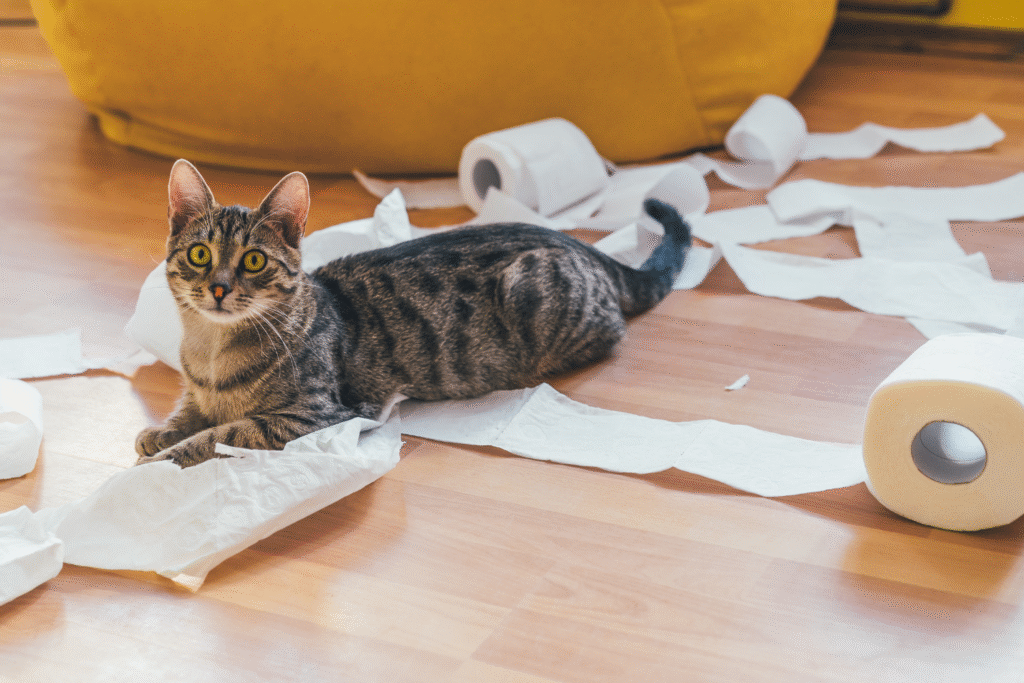
A scrap of paper sliding across the floor triggers hunting instincts better than a flashy mechanical toy. Real prey doesn’t move predictably—it jerks, stops, and zips off again. That randomness keeps cats mentally sharp and physically alert. A smooth-spinning store toy, on the other hand, quickly becomes boring because the cat can anticipate its motion. According to the American Veterinary Medical Association, feline play closely mimics stalking and hunting. So when your cat chases a twist-tie, it’s not being weird—it’s practicing survival skills hardwired over thousands of years.
2. Cats crave control when they play.
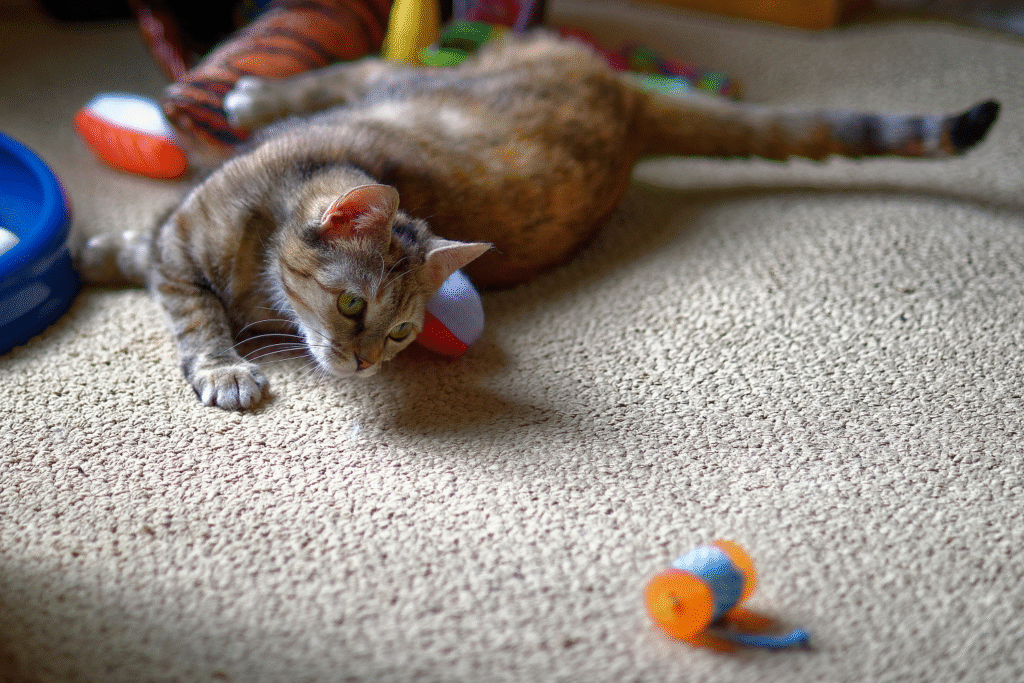
When a cat bats a bottle cap or flicks a paper ball, it’s controlling the movement directly. That interaction gives them power over the object—something pre-programmed toys don’t always offer. They want to be both the hunter and the puppeteer. The unpredictability of trash items lets them decide how far something flies or how fast it skitters. Expensive toys can seem too automatic, too perfect. Cats like play that feels alive, and that means chaotic, messy, and self-directed, as stated by a 2023 behavioral study from the University of Helsinki’s Faculty of Veterinary Medicine.
3. Texture and sound make trash irresistible.
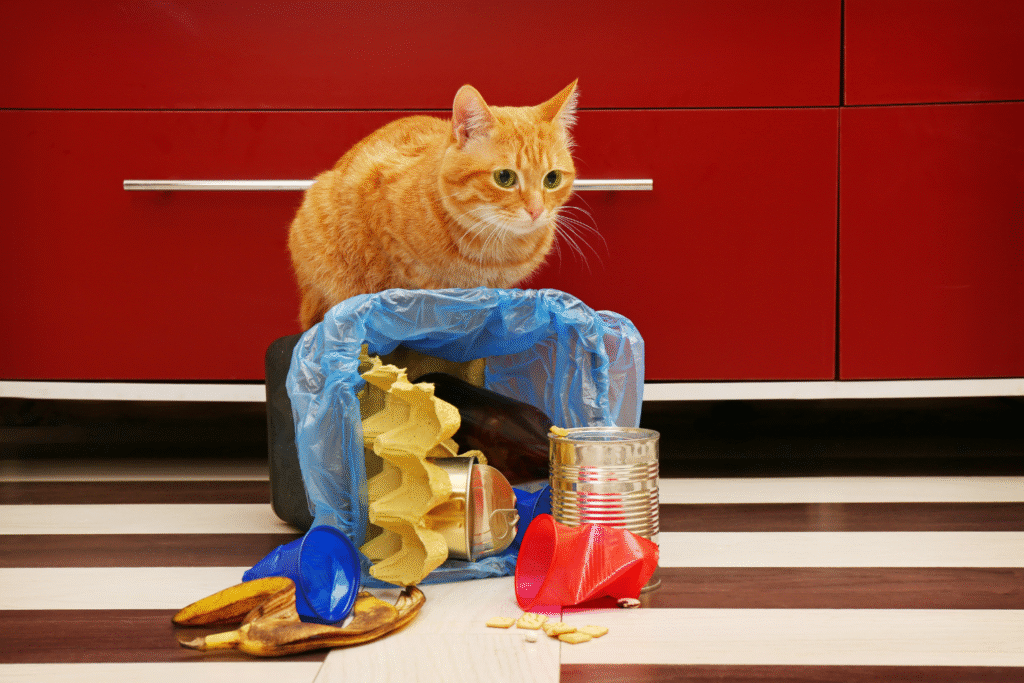
A crumpled paper ball crackles with every pounce. A cardboard box makes echoing noises that respond when they claw it. That sensory feedback drives cats wild. A 2024 study in the Journal of Feline Medicine and Surgery found that varied textures and sounds stimulate multiple senses, increasing feline playtime and engagement. Store-bought toys can’t always replicate that organic variety. Trash items feel unpredictable—they fold, bend, and make satisfying noises when attacked. It’s not the object itself they love, but the sensory chaos it creates.
4. Ordinary household smells are more interesting.
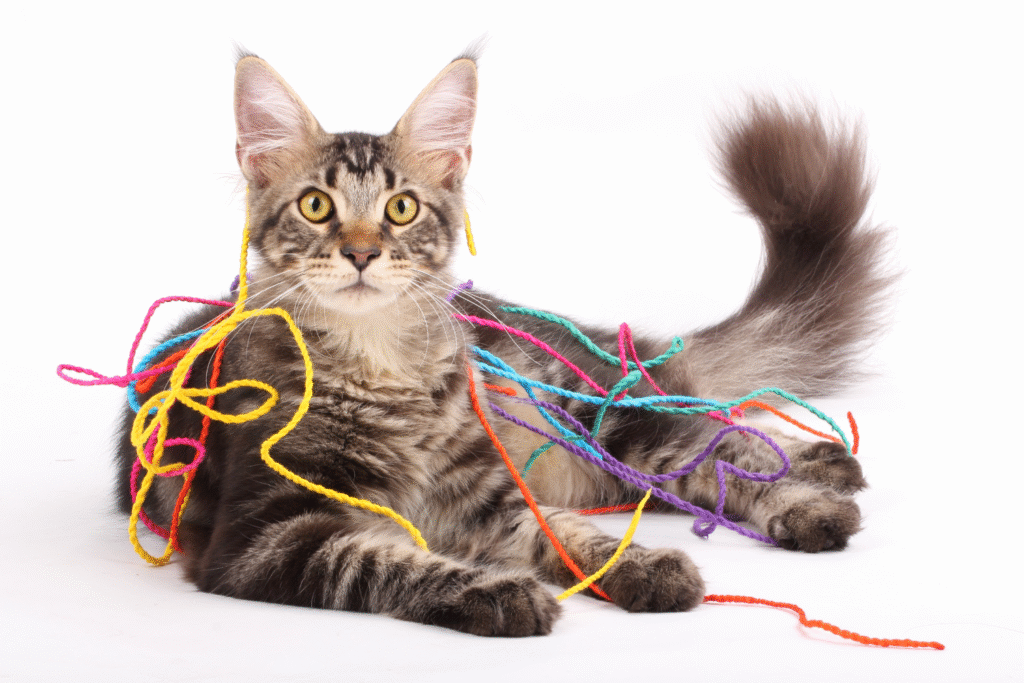
Cats live in a world of scent. To them, a used paper towel or grocery bag holds a rich bouquet of new smells—human touch, food residue, the outdoors. A store-bought toy straight out of packaging smells sterile and unfamiliar. That lack of scent makes it forgettable. When a cat sniffs at something you’ve just thrown away, it’s exploring the story written in the smell. It’s like reading a book made of aroma instead of words, and trash just happens to be the most fascinating library in the house.
5. Bored cats crave novelty more than design.
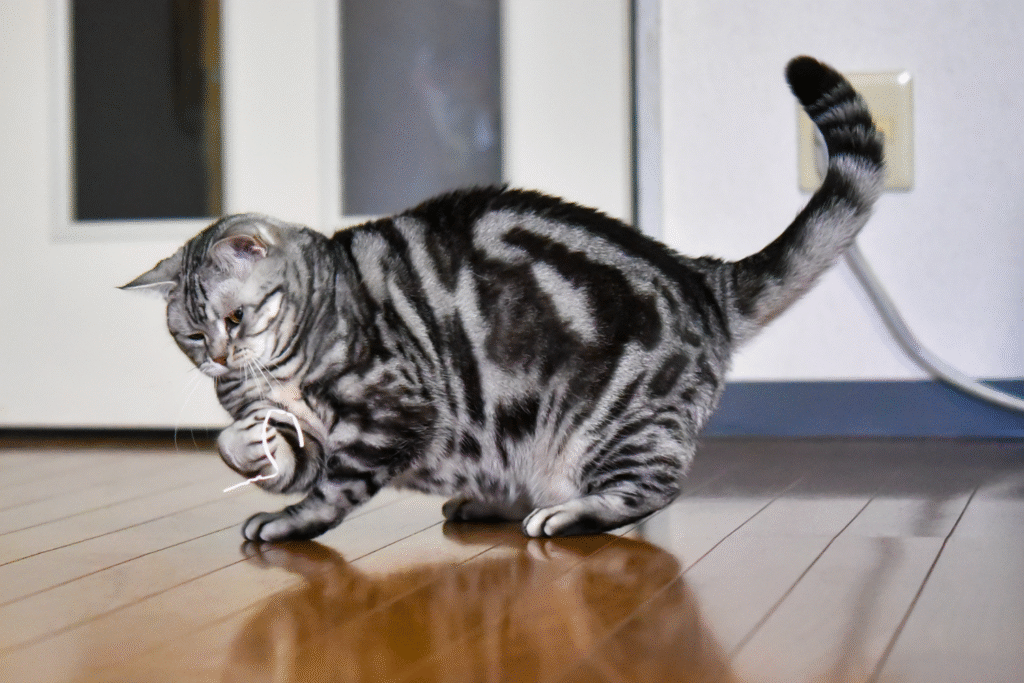
Cats are easily bored by routine. A toy that looks exciting one day becomes invisible the next. Trash, on the other hand, constantly changes—new shapes, new scents, new challenges. That steady flow of variety keeps their attention alive. A receipt today, a box tomorrow—it’s always something different. Behavioral scientists say rotation and unpredictability keep cats mentally sharp. So when you find your cat ignoring yesterday’s expensive feather wand, it’s not rejection—it’s just their version of “been there, done that.”
6. Perfectly made toys don’t behave naturally.
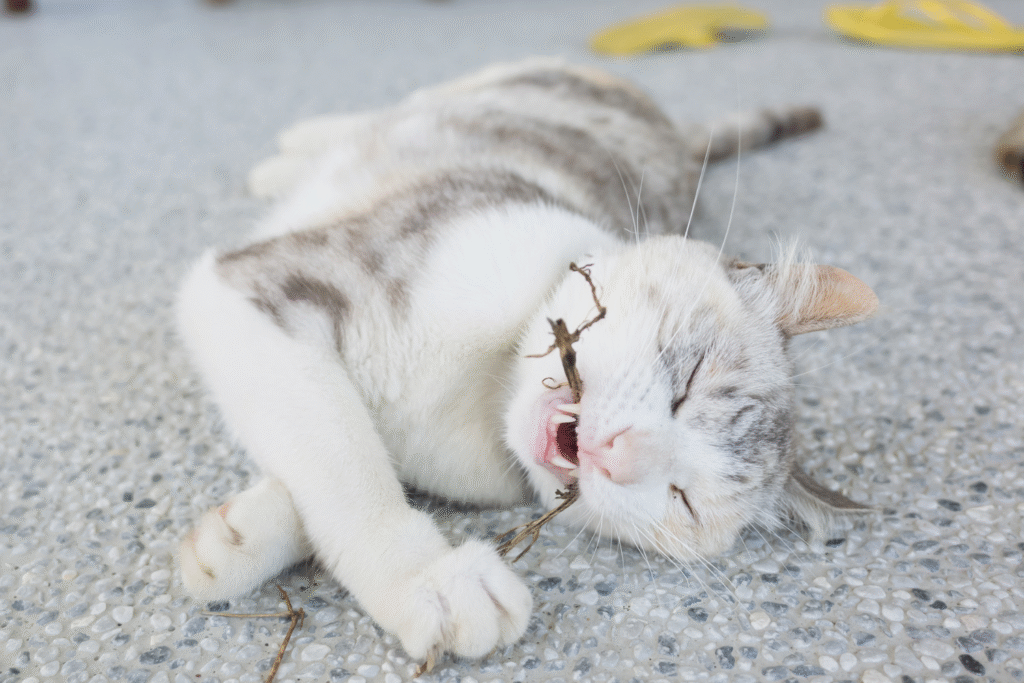
Most toys are designed to please humans as much as cats. They’re symmetrical, colorful, and durable. But in nature, nothing is perfect. Real prey is clumsy and inconsistent—qualities cats instinctively prefer. A broken pen cap or crinkled wrapper behaves like that imperfect quarry. When cats play with trash, they’re engaging with something closer to the messy, unpredictable world they evolved in. The truth is, “cheap” objects often mimic life better than expensive ones ever could.
7. The box might be better than what’s inside.
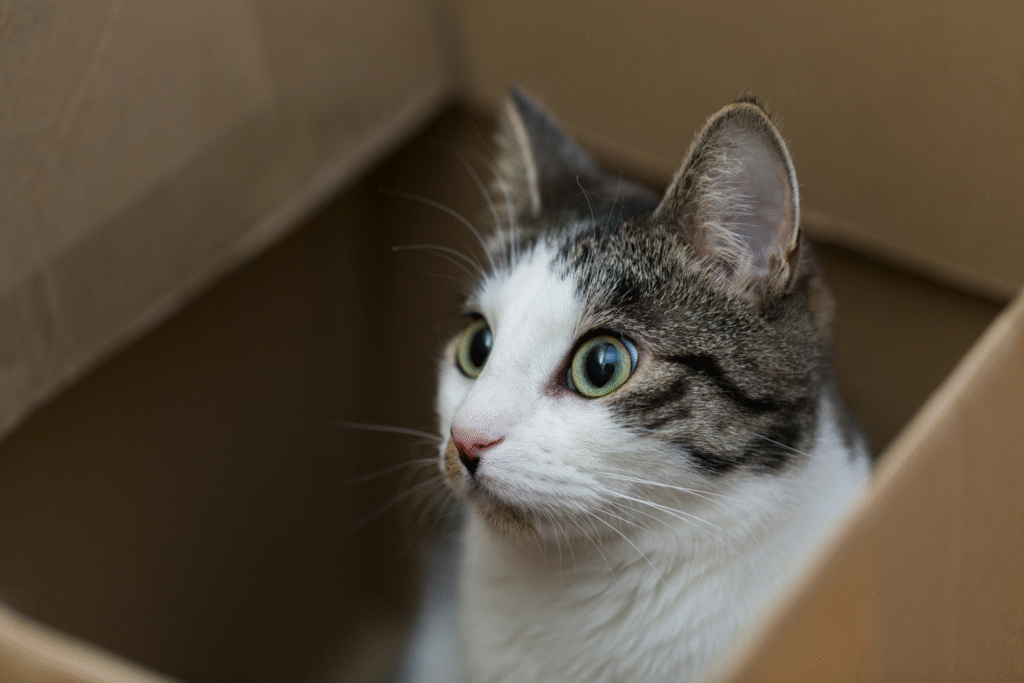
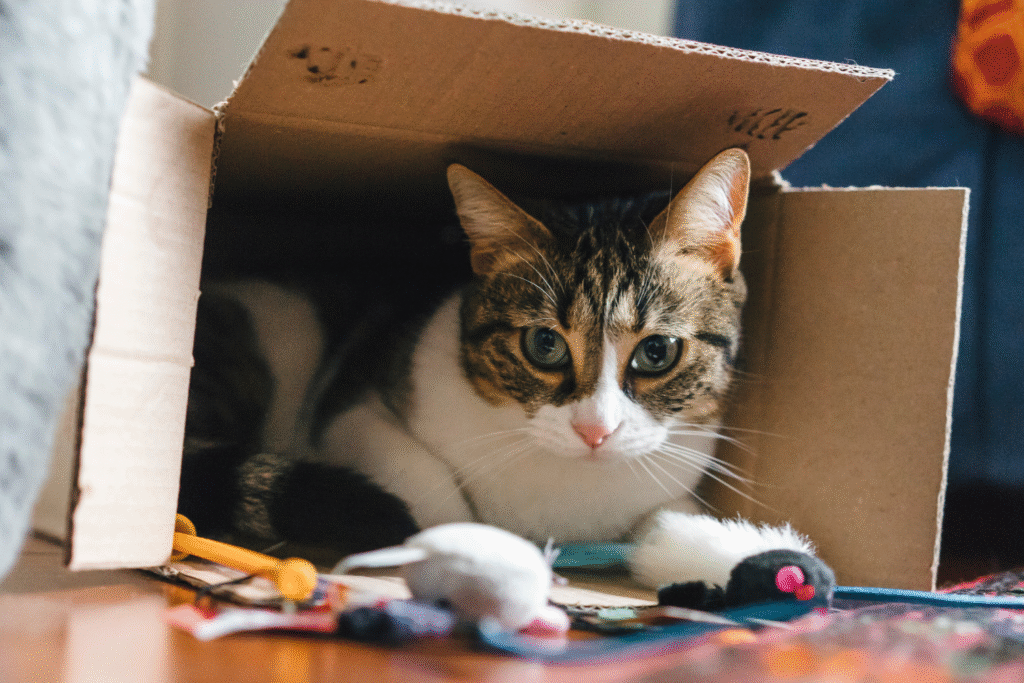
A cardboard box isn’t just a box to a cat—it’s territory, a hideout, a trap, and a comfort zone all at once. It provides safety and the element of surprise. Cats crouch, ambush, and retreat, all within a small, enclosed space. Studies show that cats given hiding spots experience less stress and adapt faster to new environments. That’s why your cat will abandon the toy inside and claim the packaging as their new fortress—it offers something money can’t buy: control and security.
8. Human behavior shapes feline curiosity.
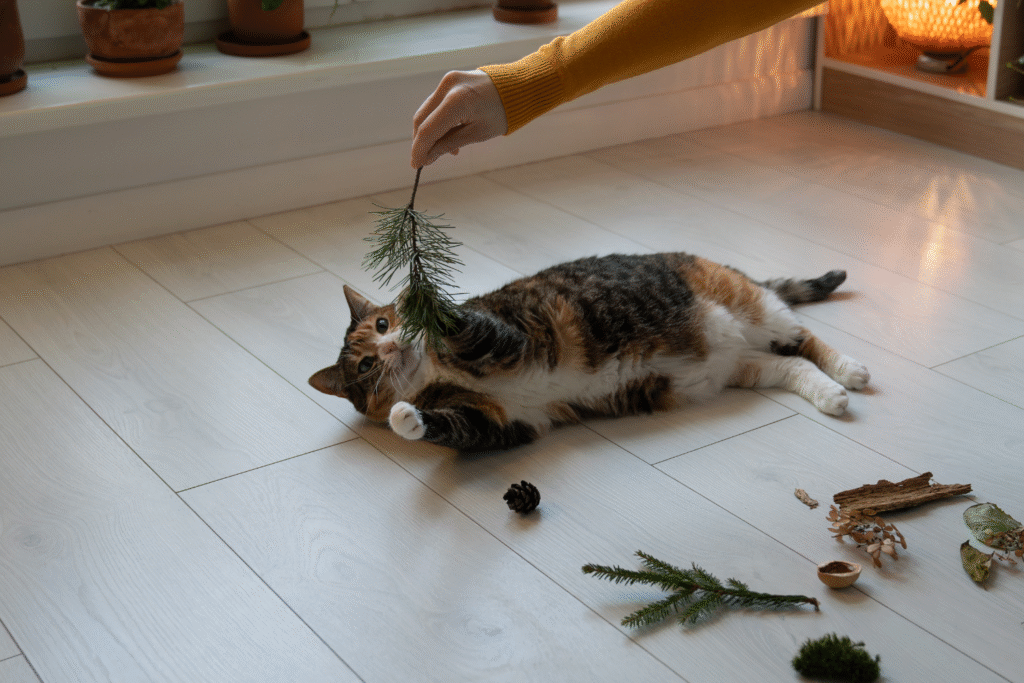
Your reaction to objects—how you handle packaging or move a wrapper—draws your cat’s attention. They associate these items with activity and scent from you. Toys purchased from a shelf lack that familiar connection. Trash feels like part of the shared environment between cat and human, making it more emotionally relevant. The moment you toss something away, it becomes a treasure in their eyes simply because it once belonged to you.
9. Play is a mental challenge, not a product test.
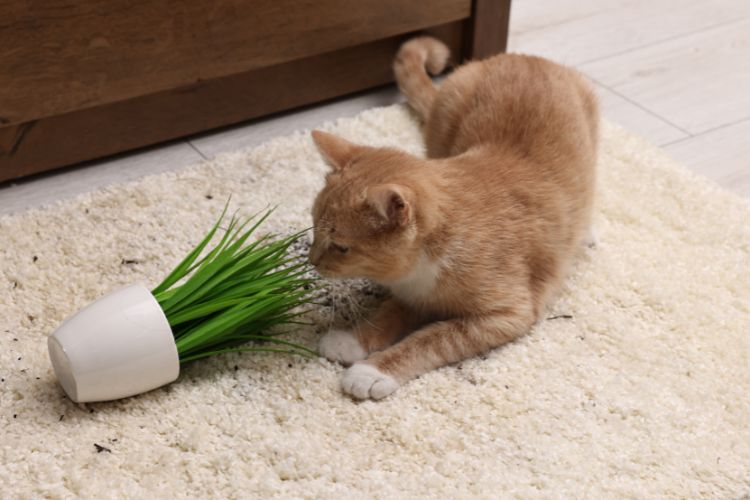
For cats, play isn’t about the toy, it’s about problem-solving. They stalk, analyze, and predict motion. Trash gives them that challenge. A lightweight item can hide under furniture, bounce oddly, or change shape mid-play. Every interaction becomes an unscripted puzzle. Cats thrive on that small victory when they “catch” something unexpected. Manufactured toys often remove that element of uncertainty, turning play into routine rather than discovery.
10. Cats remind us that joy doesn’t need to be expensive.
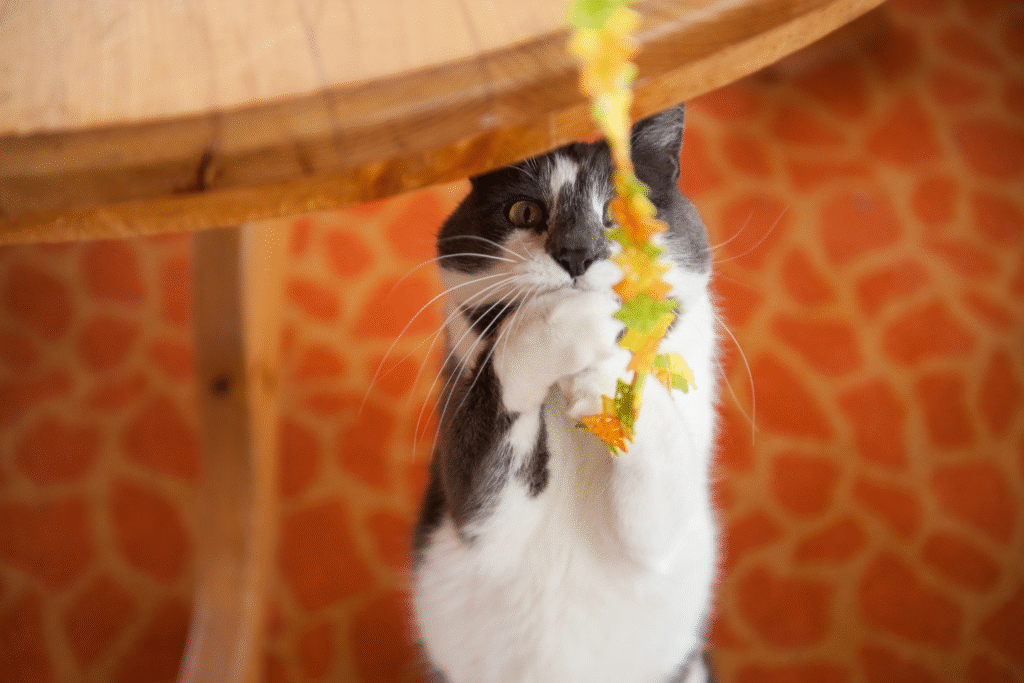
In the end, cats love trash because it’s real, it moves, smells, and feels alive in ways store toys rarely do. They don’t care about price tags or aesthetics; they care about interaction, control, and instinct. Watching them paw at a bottle cap or dive into a crinkled bag is a quiet lesson in simplicity. The best toys aren’t the ones we buy—they’re the ones they choose. And that’s part of what makes living with cats so endlessly fascinating.