
Feline attachment styles mirror human emotional patterns perfectly.
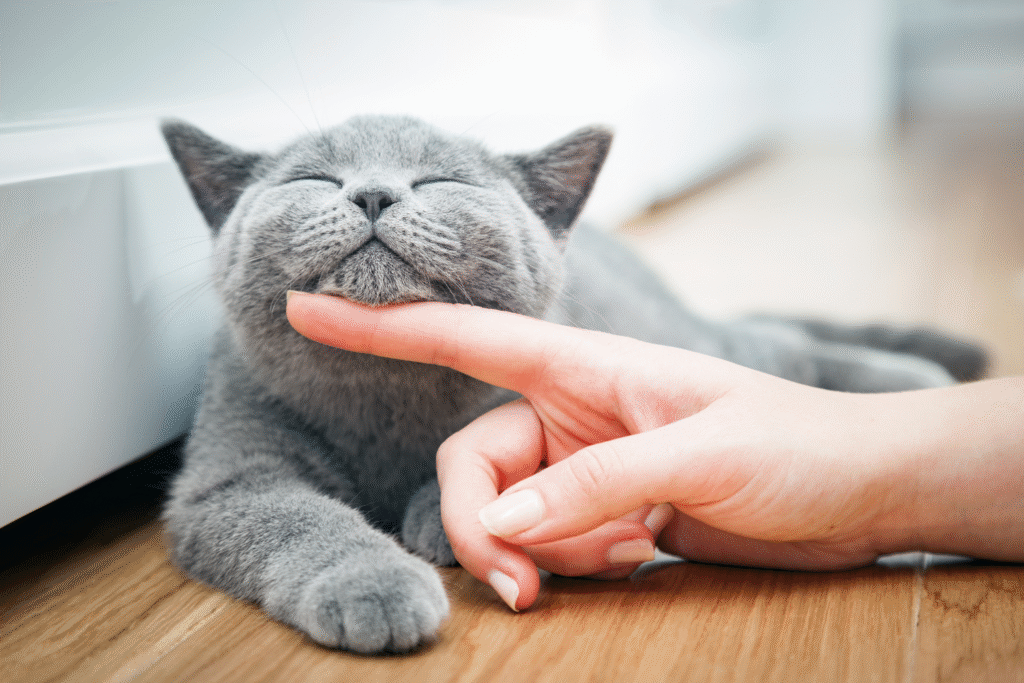
The stereotype of the aloof, antisocial cat is officially dead in the water. Groundbreaking research has revealed that our feline friends are far more social, emotionally complex, and stimulation-hungry than we ever imagined. Scientists have discovered that cats not only form deep attachment bonds with their humans, but these relationships actually trigger measurable hormonal changes similar to what happens between parents and children. The findings challenge decades of assumptions about feline behavior and suggest that many behavioral problems stem from inadequate social engagement rather than inherent cattiness. This research could revolutionize how we care for our cats, shifting focus from simply providing food and shelter to meeting their sophisticated emotional and social needs.
1. Cats prefer human interaction over food in surprising numbers.
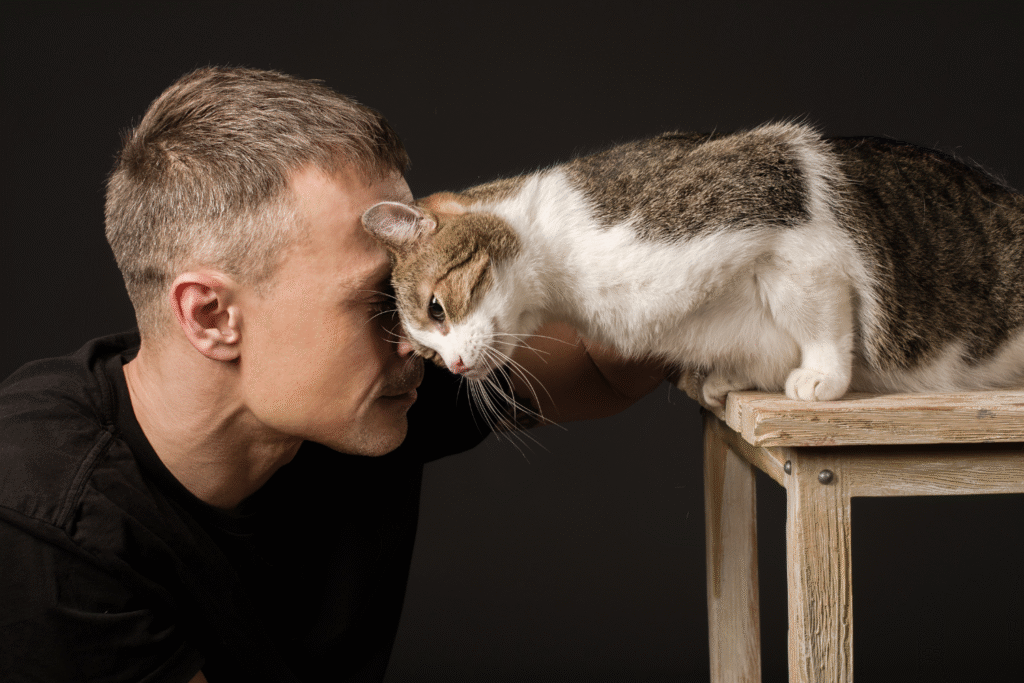
When researchers tested what cats really want most, the results shocked even seasoned animal behaviorists. According to studies from the International Association of Animal Behavior Consultants, when presented with choices between human social interaction, food, toys, and scents, a whopping 50 percent of cats chose human interaction as their top preference. Food came in second at only 37 percent, followed by toys at 11 percent and scents at a mere 2 percent. This completely overturns the common belief that cats are primarily food-motivated creatures who tolerate humans for convenience. The research reveals massive individual variation in preferences, suggesting each cat has its own unique personality profile for what brings them joy and satisfaction.
2. Attachment styles directly affect feline hormone levels during bonding.
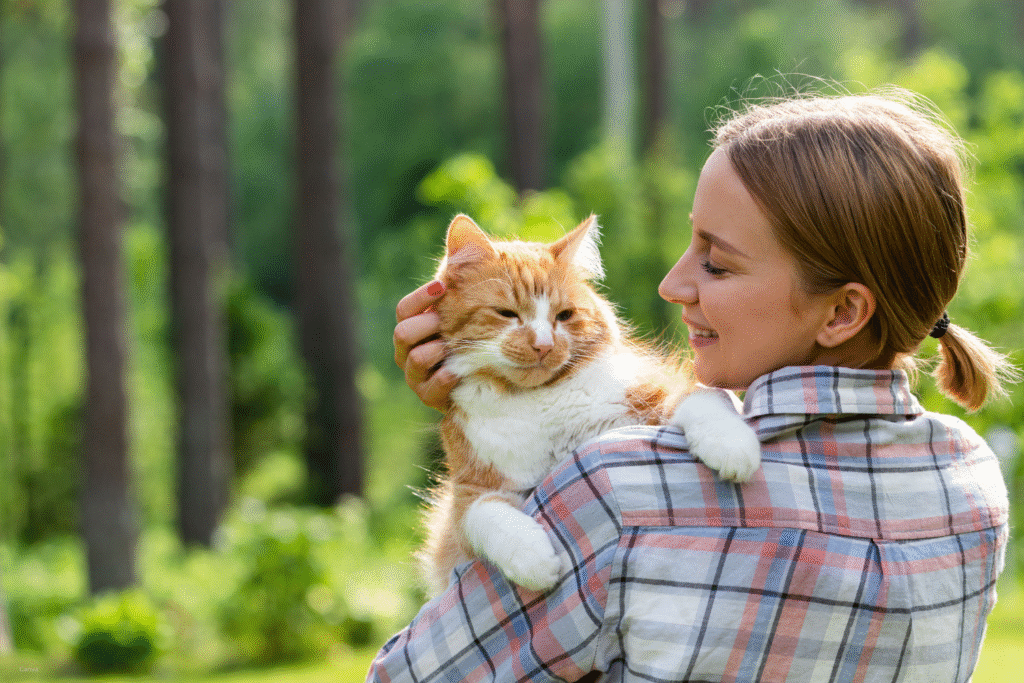
Just like human babies and dogs, cats develop distinct attachment styles with their caregivers that profoundly impact their neurochemistry and behavior. Research published in Applied Animal Behaviour Science found that securely attached cats experience significant increases in oxytocin levels during positive interactions with their owners. And anxiously attached cats show elevated baseline oxytocin that actually decreases after social contact, as reported by scientists at South China Agricultural University. Avoidant cats show no measurable change in oxytocin regardless of interaction quality. These hormonal patterns mirror what we see in human attachment relationships, suggesting cats experience genuine emotional bonds rather than mere transactional relationships with their caregivers.
3. Most cats are actually securely attached to their humans.
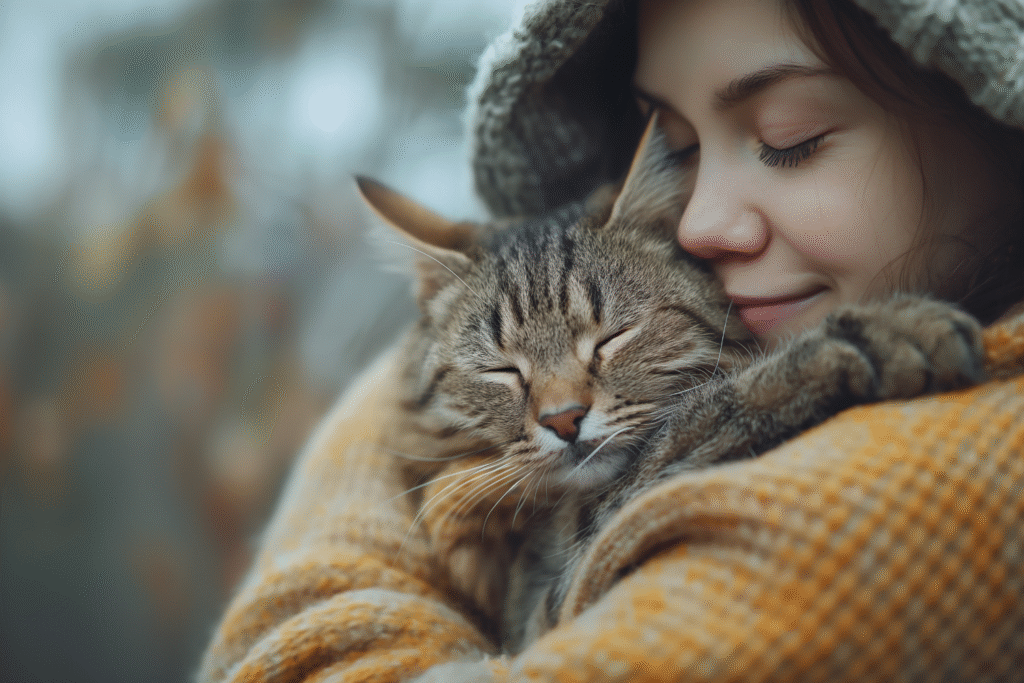
The attachment research yielded another surprise that challenges feline stereotypes. Studies consistently show that approximately 64-66 percent of cats develop secure attachment styles with their caregivers, nearly identical to the percentage found in human children. This means the majority of cats actively seek comfort from their humans during stress, explore confidently when their person is nearby, and maintain balanced social behavior. According to research published in Current Biology by Oregon State University scientists, only about 35 percent of cats show insecure attachment patterns characterized by either excessive clinginess or avoidance behaviors. The stability of these attachment styles persists into adulthood, suggesting that early socialization experiences have lasting impacts on feline emotional development.
4. Socialization windows extend much longer than previously believed.
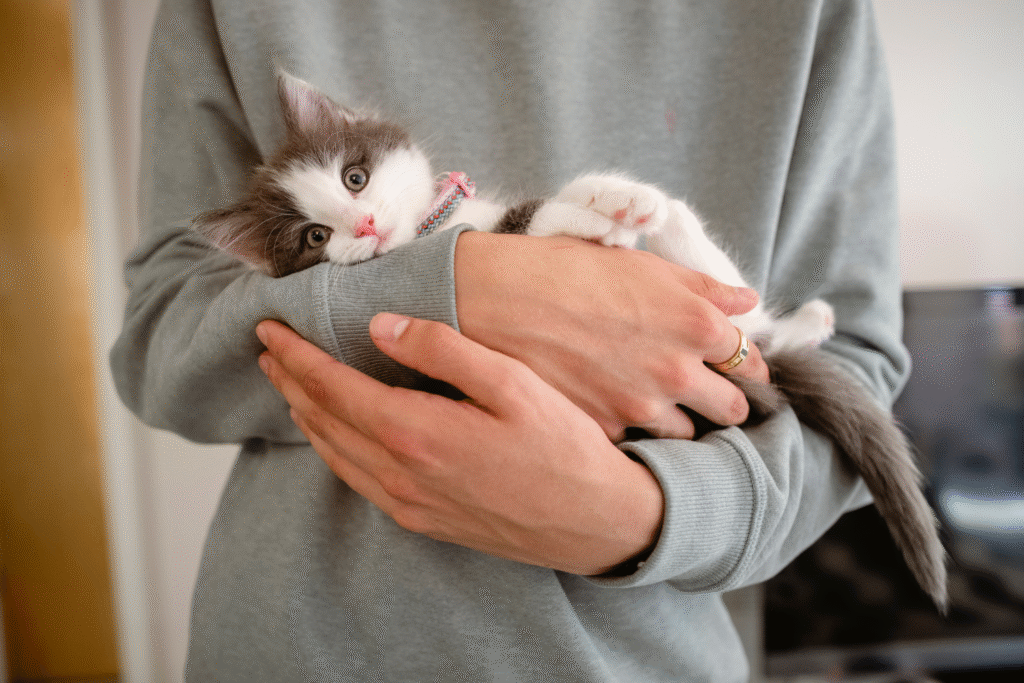
Traditional veterinary advice suggested that kitten socialization was only crucial during the first 7-9 weeks of life, but new research indicates this window may be far more flexible. Recent studies show that environmental enrichment and social experiences can continue impacting feline neural plasticity well into adulthood, similar to findings in other mammals. Many veterinary resources now recommend continuing active socialization practices until cats reach at least 12 months of age. Research suggests that even adult cats can benefit from structured social experiences, challenging the old assumption that unsocialized adult cats cannot develop better social skills. This extended timeline gives cat owners and shelters much more opportunity to help cats develop healthy social behaviors.
5. Cats actively read and respond to human emotional states.
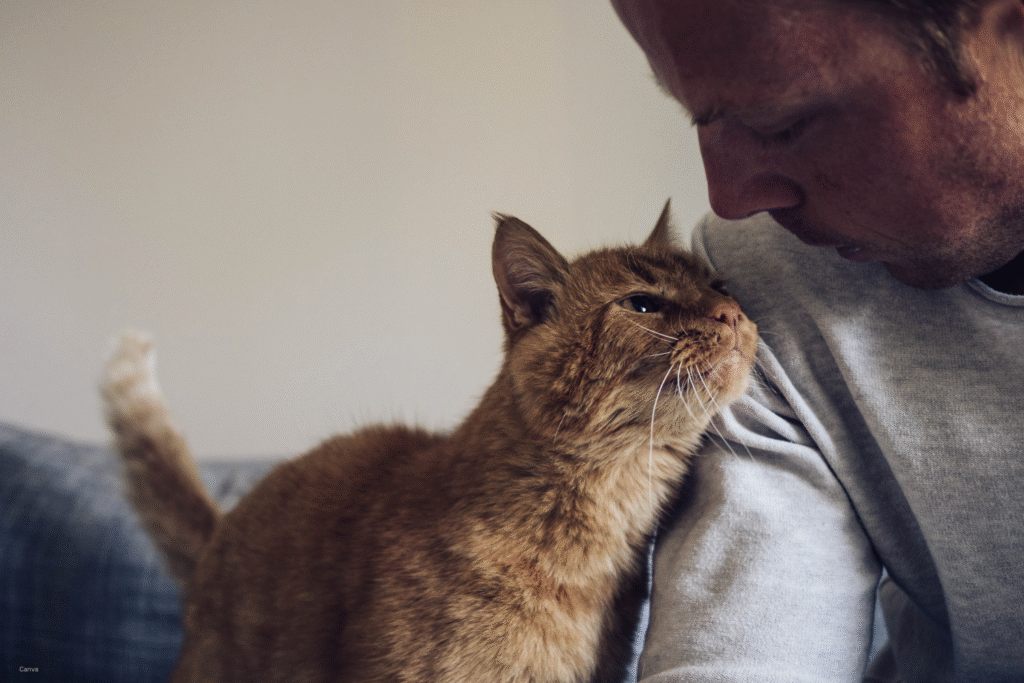
Your cat isn’t just sitting there judging you, they’re actually tuning into your emotional wavelength with surprising sophistication. Research demonstrates that cats can discriminate between different human emotional states and adjust their behavior accordingly. They approach humans who feel extroverted or agitated more frequently, engage in more social rubbing behavior with depressed humans, and show avoidance toward people displaying “numb” emotional states. Studies have also shown that cats can use human emotional cues to evaluate unfamiliar situations, looking to their owners for social referencing just like young children do. This emotional attunement suggests cats are far more invested in their human relationships than their reputation for independence would suggest.
6. Environmental complexity directly impacts feline cognitive function.
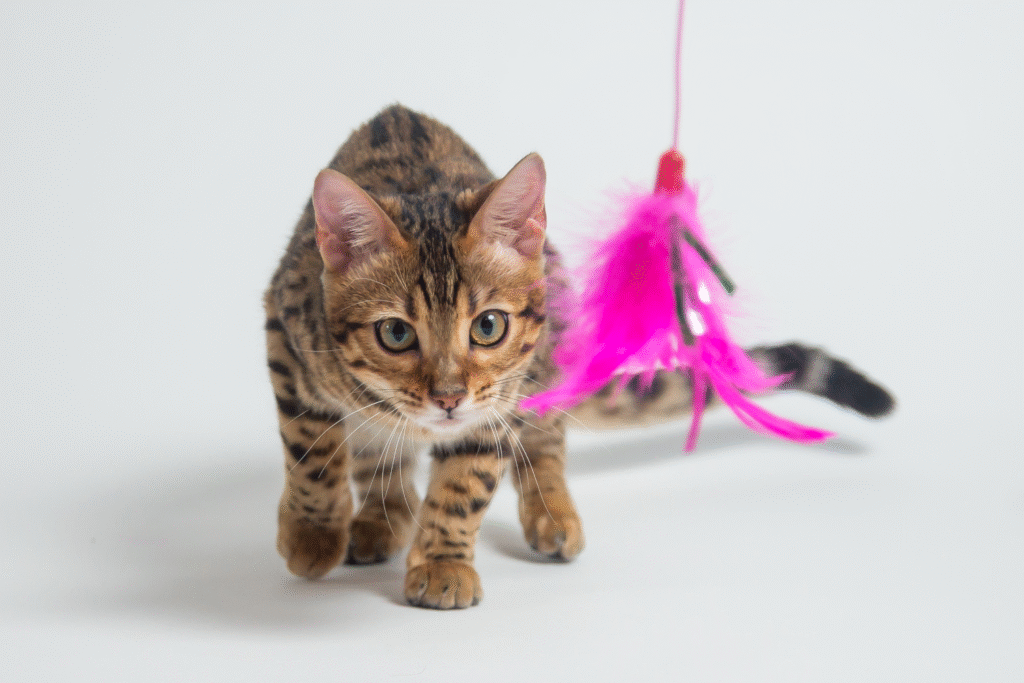
Cats living in enriched environments show measurably better cognitive performance than those in sparse settings, particularly in areas of spatial memory and social problem-solving. Research using standardized cognitive tests reveals that cats who receive regular mental stimulation maintain sharper memory functions and more flexible thinking patterns as they age. The relationship between environmental complexity and cognitive health appears especially important for senior cats, where adequate stimulation can help prevent cognitive decline. Studies suggest that cats need varied textures, climbing opportunities, puzzle feeders, and rotating toy selections to maintain optimal brain function. The research indicates that many behavioral problems attributed to “bad” cats may actually stem from understimulation and boredom.
7. Social stress significantly impacts feline immune system function.
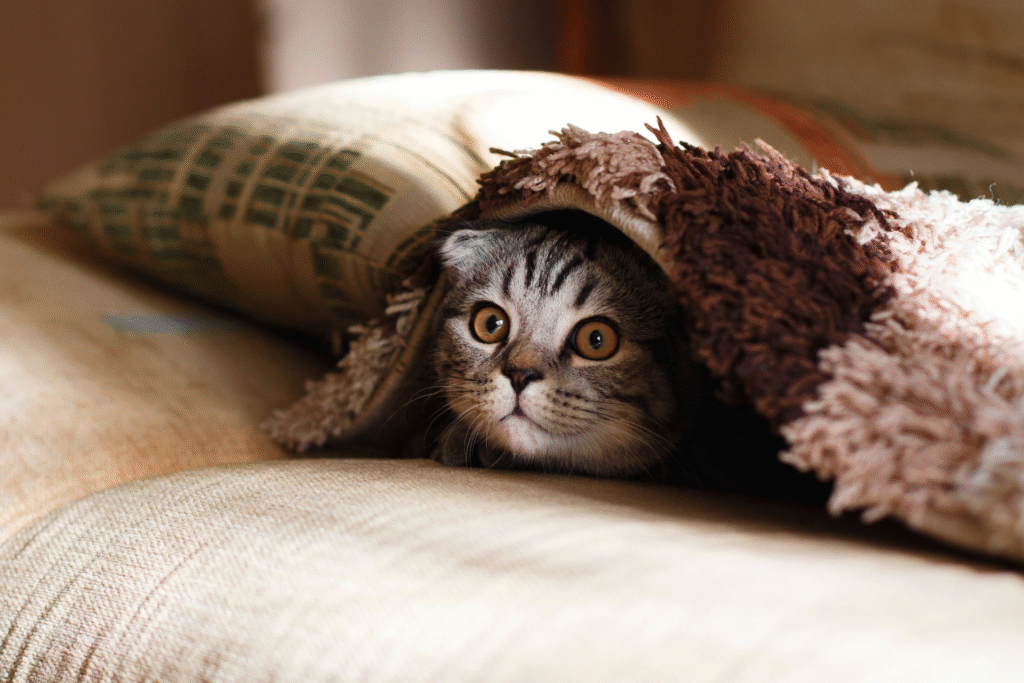
Cats experiencing chronic social stress show measurable changes in inflammatory markers that can affect their overall health and behavior. Research has identified connections between stress-related behaviors and elevated levels of inflammatory proteins like interleukin-1β, which can impact cognitive function and social responsiveness. Cats living in multi-cat households without adequate resources or personal space show higher stress hormone levels and increased susceptibility to illness. The findings suggest that providing appropriate social environments isn’t just about behavior management, but crucial for maintaining feline physical health. Chronic social stress can create a cascade of health problems that make cats appear antisocial when they’re actually just chronically uncomfortable.
8. Play behavior remains crucial throughout adult feline life.
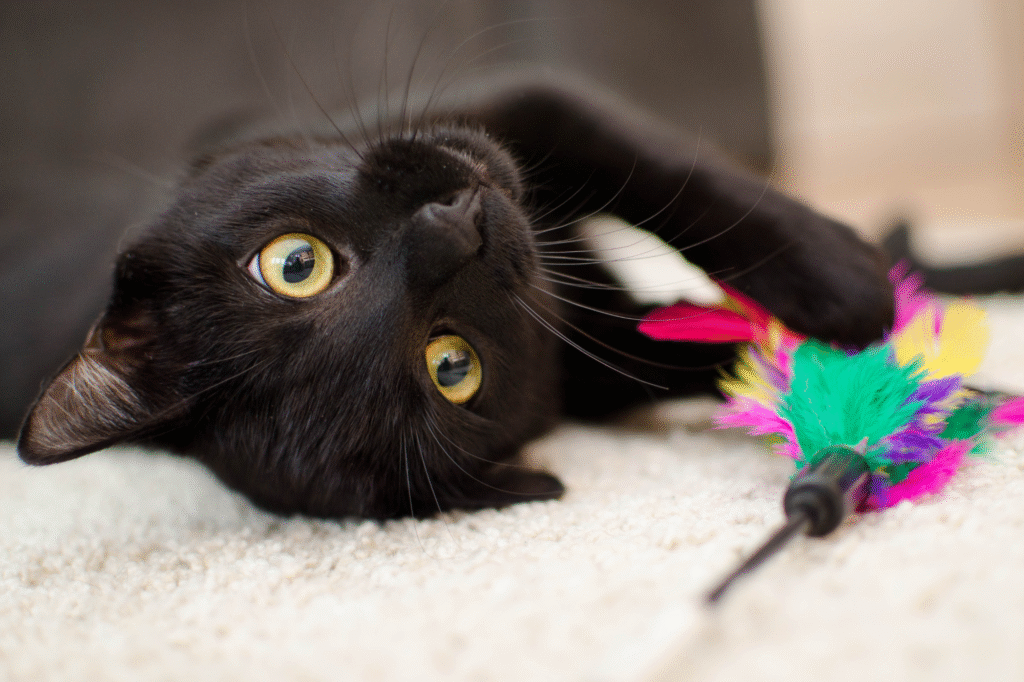
Adult cats retain their need for interactive play far longer than most owners realize, with research showing that regular play sessions improve both physical and mental health markers. Studies indicate that cats who engage in daily interactive play with their owners show reduced aggression, fewer destructive behaviors, and better overall emotional regulation. The type of play matters significantly, with predatory-style games using wand toys and moving objects providing the most behavioral benefits. Research suggests that many adult cats become sedentary not because they’ve outgrown play, but because their owners stop engaging them in appropriate play activities. Regular interactive play sessions can help prevent obesity, reduce stress-related behaviors, and strengthen the human-cat bond.
9. Scent communication reveals sophisticated social awareness.
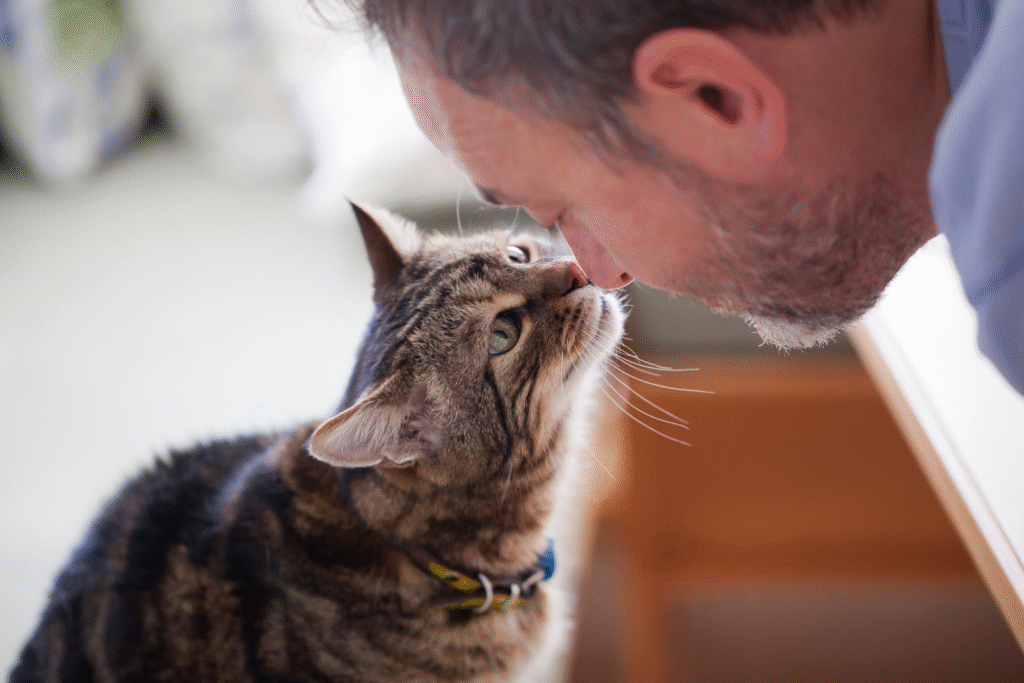
Cats use scent marking and recognition as a complex social communication system that we’re only beginning to understand. Research shows that cats can distinguish between familiar and unfamiliar scents from birth and use olfactory information to make sophisticated social decisions about their environment. They deposit scent marks strategically to communicate with other cats and even with their human family members, creating invisible maps of social relationships throughout their territory. Studies reveal that cats who have access to appropriate scent marking opportunities show less stress and more confident social behavior. Understanding and supporting natural scent communication can significantly improve feline welfare in both single and multi-cat households.
10. Individual personality differences require customized care approaches.
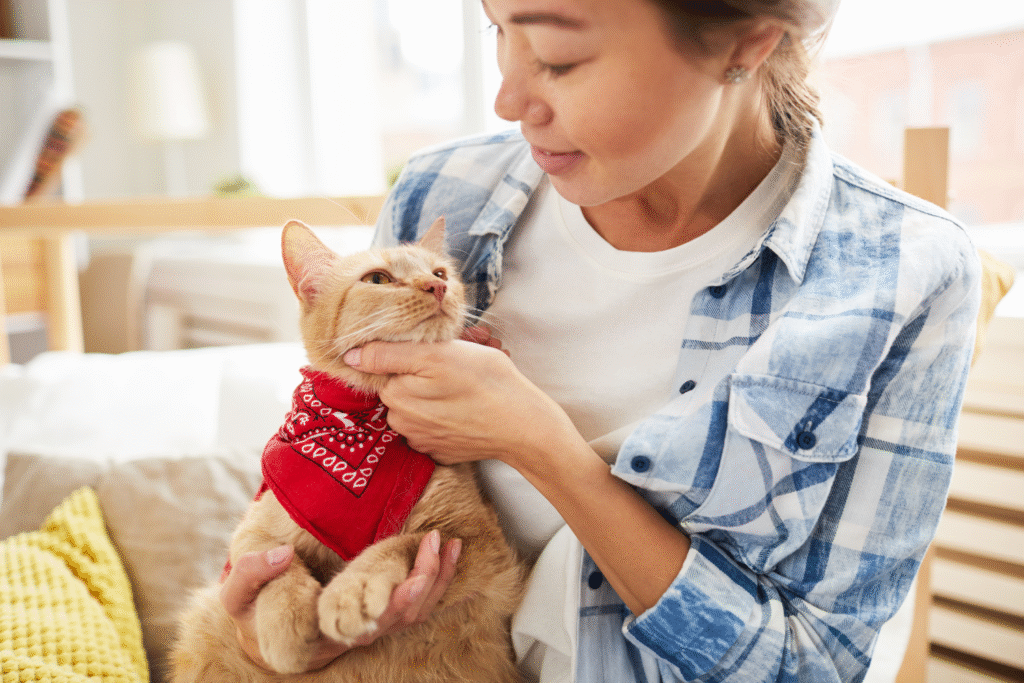
The research reveals enormous individual variation in feline social preferences, suggesting that one-size-fits-all approaches to cat care are inadequate for optimal welfare. Some cats thrive on frequent social interaction while others prefer brief, high-quality contacts, and these preferences remain relatively stable throughout their lives. Studies show that cats with different attachment styles have varying recovery times from stress and different tolerance levels for environmental changes. Anxiously attached cats may need more predictable routines and gradual introductions to new experiences, while avoidant cats might prefer more autonomous interaction styles. Recognizing and accommodating these individual differences can prevent behavioral problems and improve the quality of life for both cats and their human companions.