
A harmless scent can flip a feline switch.
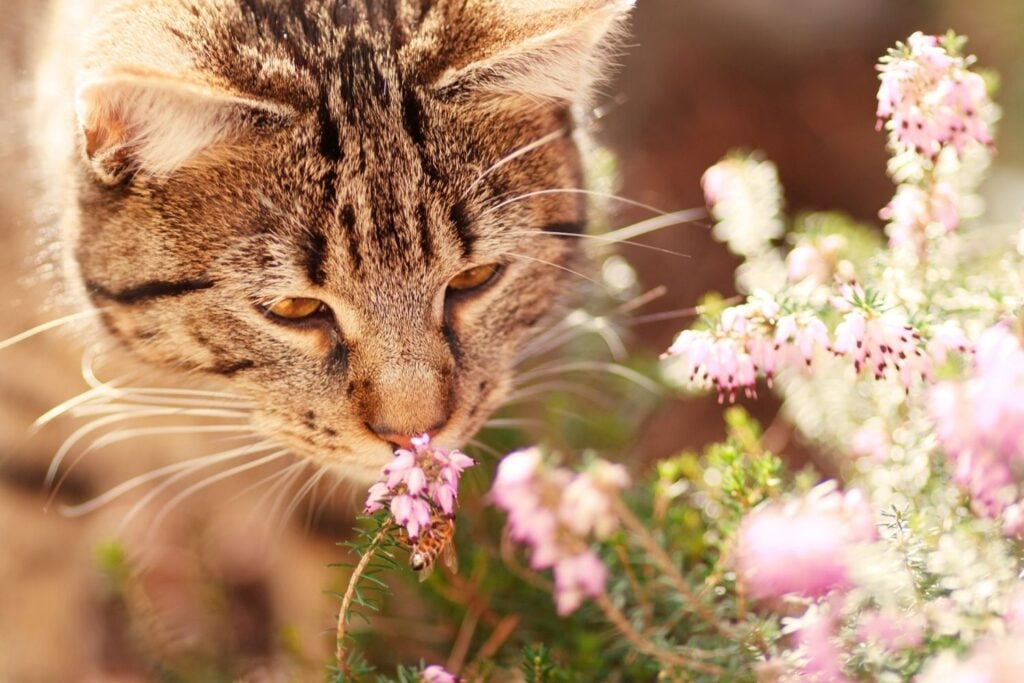
Some cats freeze, others roll, drool, sprint, or seem briefly possessed, all from the same scent drifting through a room. Owners often laugh it off, but scientists have spent decades puzzling over why reactions vary so wildly. The behavior appears playful, yet it triggers neurological pathways tied to survival, reproduction, and memory. Not every cat responds, and those that do may change with age. What looks like silliness masks a deeper biological gamble still not fully understood.
1. Some cats inherit receptors others never develop.
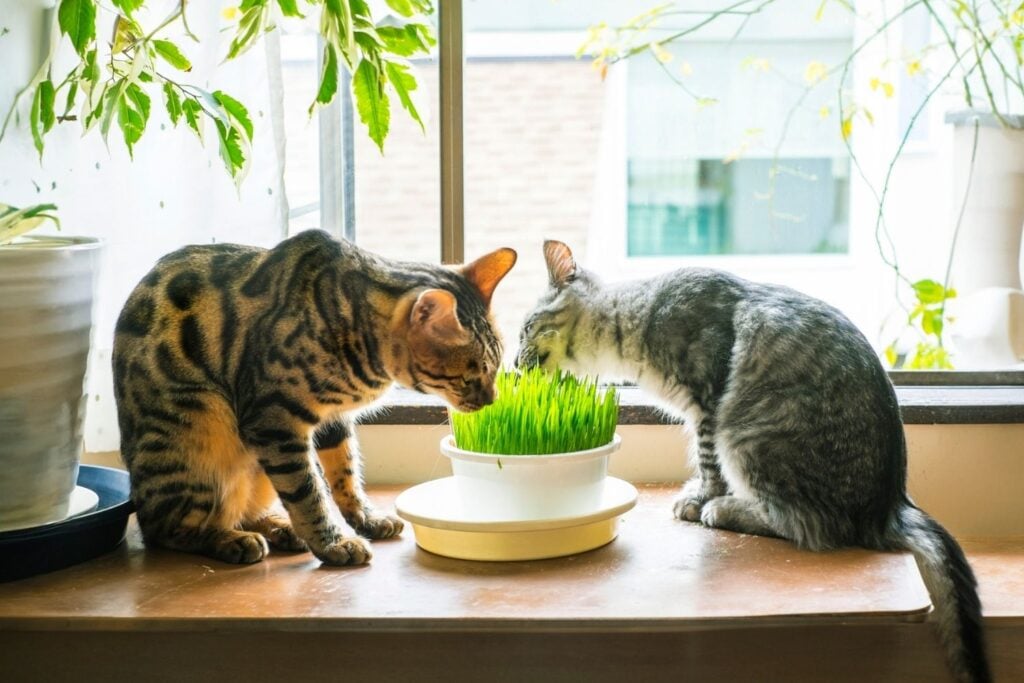
In one household, two cats share food bowls and genetics yet react differently to the same smell. One becomes euphoric, the other indifferent. That divide raises questions about unseen biological thresholds that shape behavior without warning.
Researchers have identified odor receptors tied to volatile plant compounds that not all cats express. If the receptor is absent or muted, the smell passes unnoticed. When present, it activates brain regions linked to pleasure and instinct, creating reactions that seem exaggerated yet are neurologically consistent.
2. Age changes how feline brains interpret stimulation.
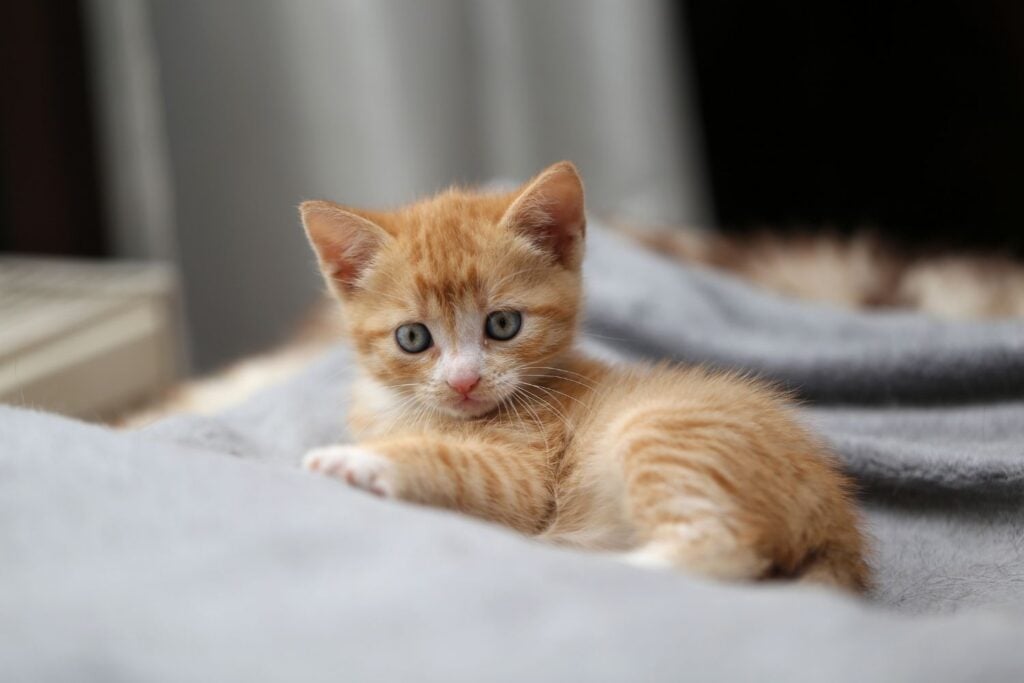
Kittens often ignore the smell entirely, while older cats may suddenly respond after months or years. This delayed onset unsettles owners who assume exposure would cause immediate reactions if it mattered.
Neural pathways mature over time. Certain scent responses emerge only after sexual maturity, suggesting a developmental component. Aging can also dull reactions. What seems random often reflects shifts in brain chemistry that alter how signals are processed rather than changes in the smell itself.
3. Wild ancestry still shapes modern reactions.
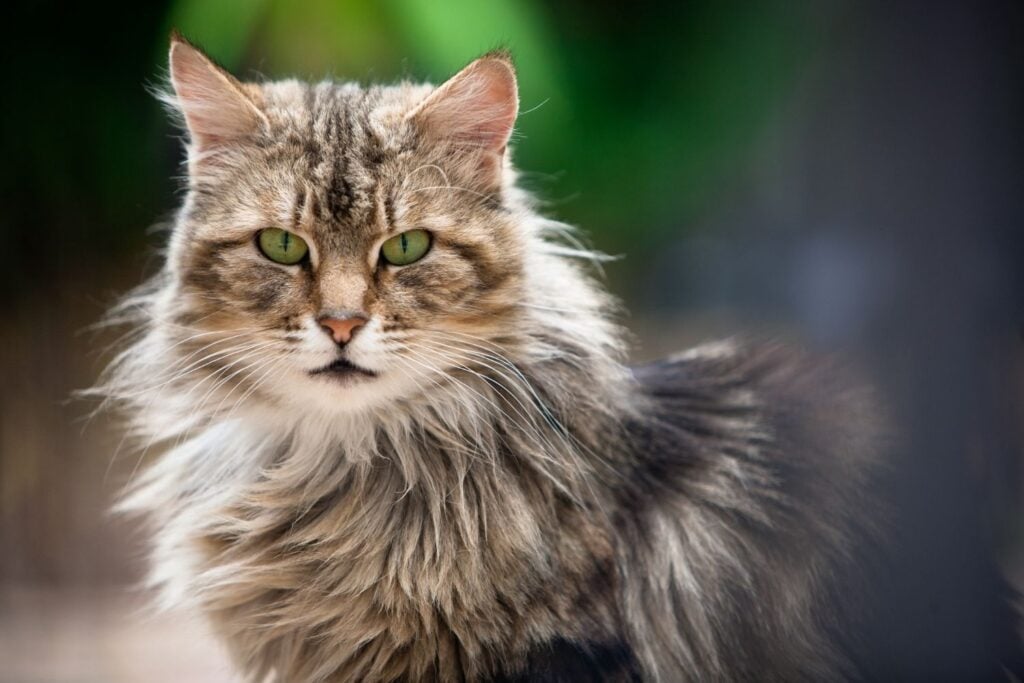
Domestic cats descend from predators whose survival depended on chemical cues. A scent triggering intense behavior today may echo ancient environmental signals once tied to prey or territory.
Some compounds resemble pheromones used by wild relatives to communicate readiness or dominance. The modern reaction looks playful, but the brain treats it seriously. Evolution does not erase responses simply because living rooms replaced deserts, it repurposes them in unexpected ways.
4. Brain chemistry briefly mirrors mating behavior.
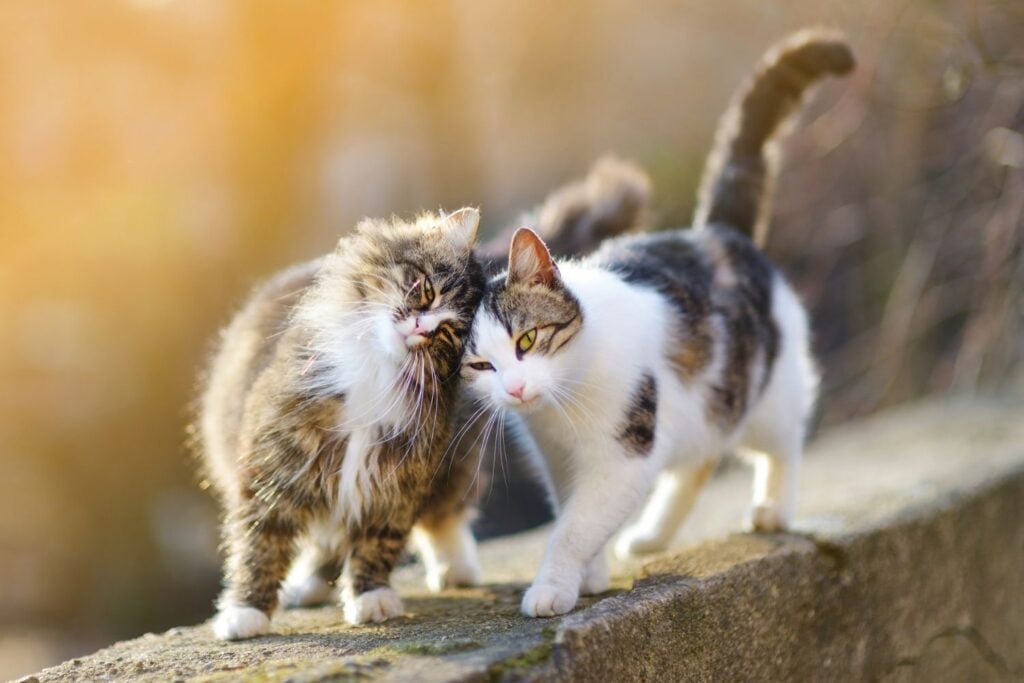
Observers note rolling, vocalizing, and rubbing motions that resemble courtship rituals. The overlap makes some owners uneasy, though the behavior remains temporary and harmless.
Neurochemical studies show spikes in dopamine and endorphins during exposure. These same chemicals appear during mating and social bonding. The smell does not induce desire, but it taps adjacent pathways, producing intense yet short lived reactions without long term behavioral change.
5. Sensitivity varies sharply between individual cats.
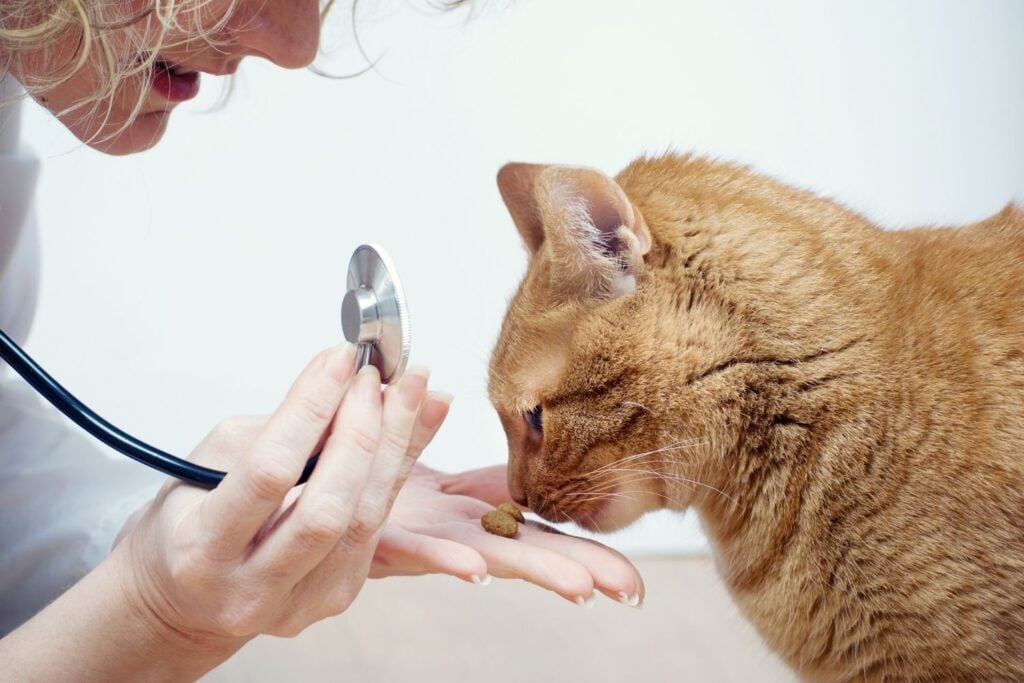
One cat may react violently for minutes while another shows mild interest. Even siblings raised together display different thresholds, complicating predictions.
Individual sensitivity depends on receptor density and neural wiring. Some brains amplify the signal while others dampen it. Environmental stress, prior exposure, and temperament also shape intensity. The smell acts as a trigger, but the internal response determines how dramatically it plays out.
6. Certain environments amplify the behavioral response.
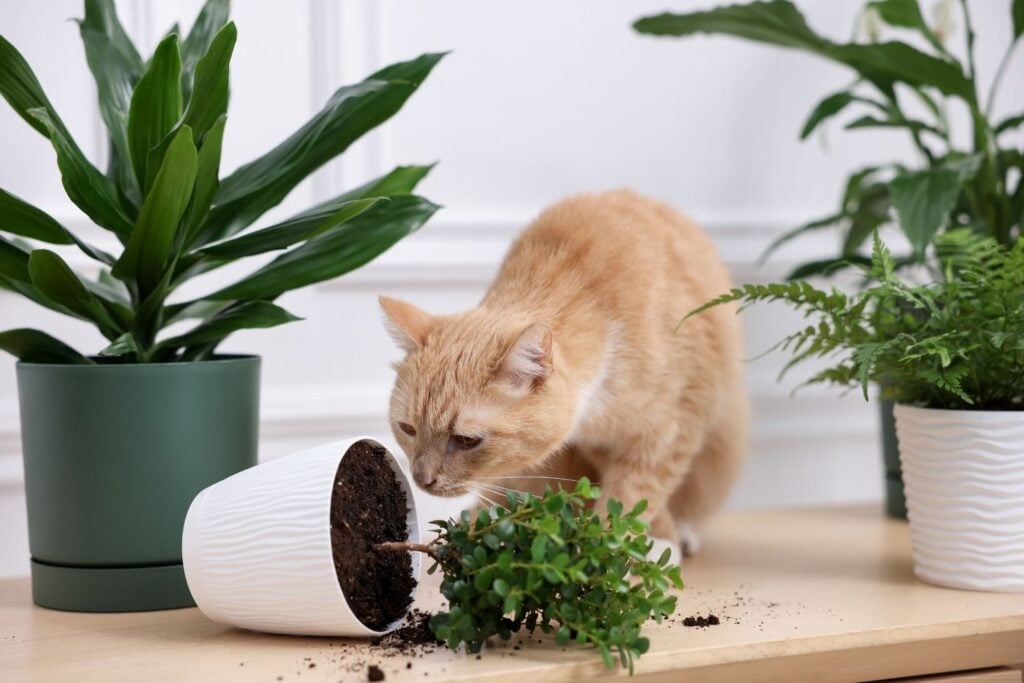
Cats exposed in quiet, familiar spaces often react more strongly than those in stimulating environments. The difference suggests context matters as much as chemistry.
Reduced distractions allow the brain to focus fully on sensory input. In busy spaces, competing stimuli blunt the response. This may explain why some cats ignore the smell at shelters but react powerfully at home, creating the illusion of inconsistent sensitivity.
7. Some cats learn to associate the smell.

Repeated exposure can strengthen reactions over time rather than dull them. This learning aspect complicates purely genetic explanations.
Positive reinforcement occurs when the brain links the smell with pleasurable sensations. Anticipation alone may heighten behavior. While not addictive in a clinical sense, the association can deepen responses, making future encounters appear more intense than the first.
8. Hormonal cycles subtly influence intensity.
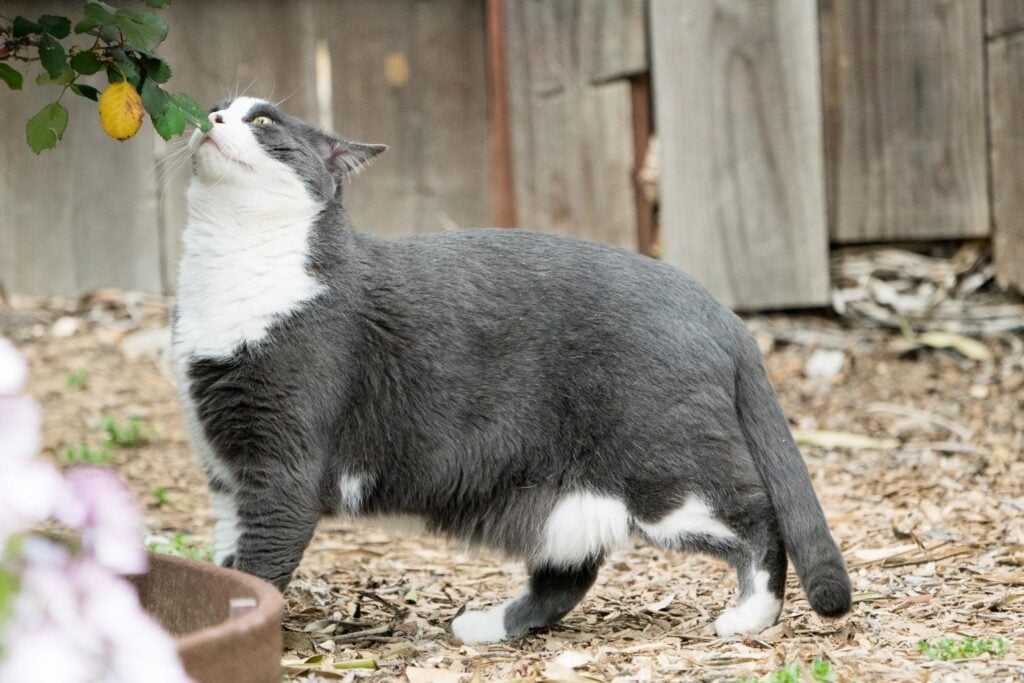
Cats experiencing hormonal fluctuations sometimes react more strongly during specific periods. These shifts often go unnoticed unless patterns repeat.
Hormones interact with sensory processing centers. Elevated estrogen or testosterone can amplify neural responses to certain stimuli. The smell itself does not change, but the internal state alters perception, turning a mild trigger into a dramatic episode.
9. The reaction serves no obvious modern purpose.
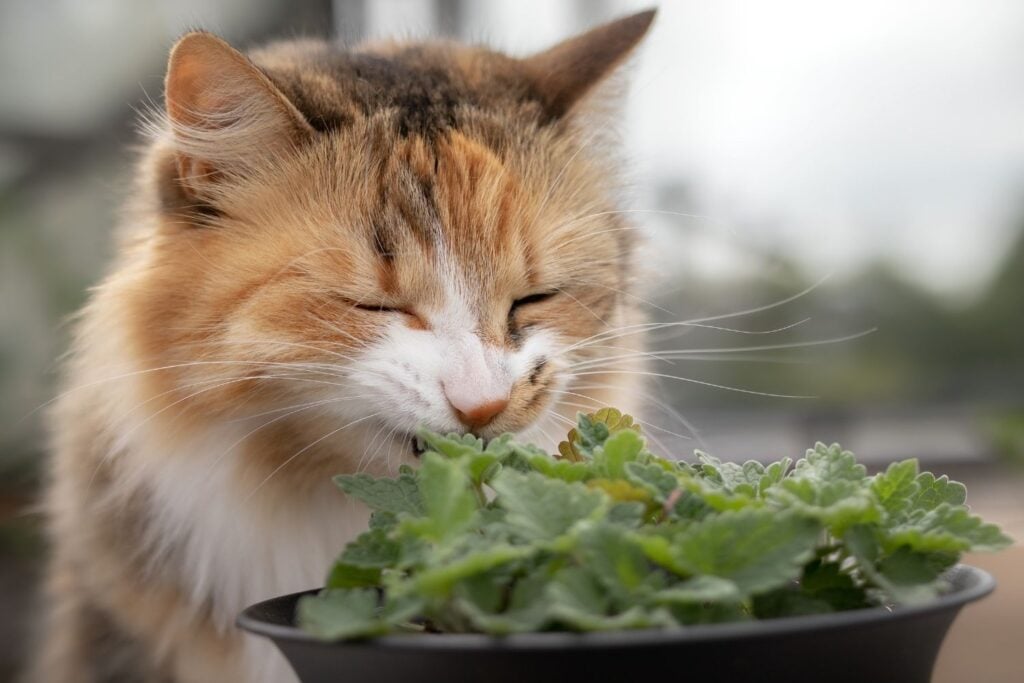
Unlike food or danger cues, the smell offers no clear benefit. This lack of function puzzles researchers who expect adaptive explanations.
Some responses persist simply because they are not harmful enough to disappear. Evolution tolerates quirks when they do not threaten survival. The behavior may be a leftover pathway, activated without consequence, surviving because nothing selected against it.
10. Scientists still debate what cats actually experience.
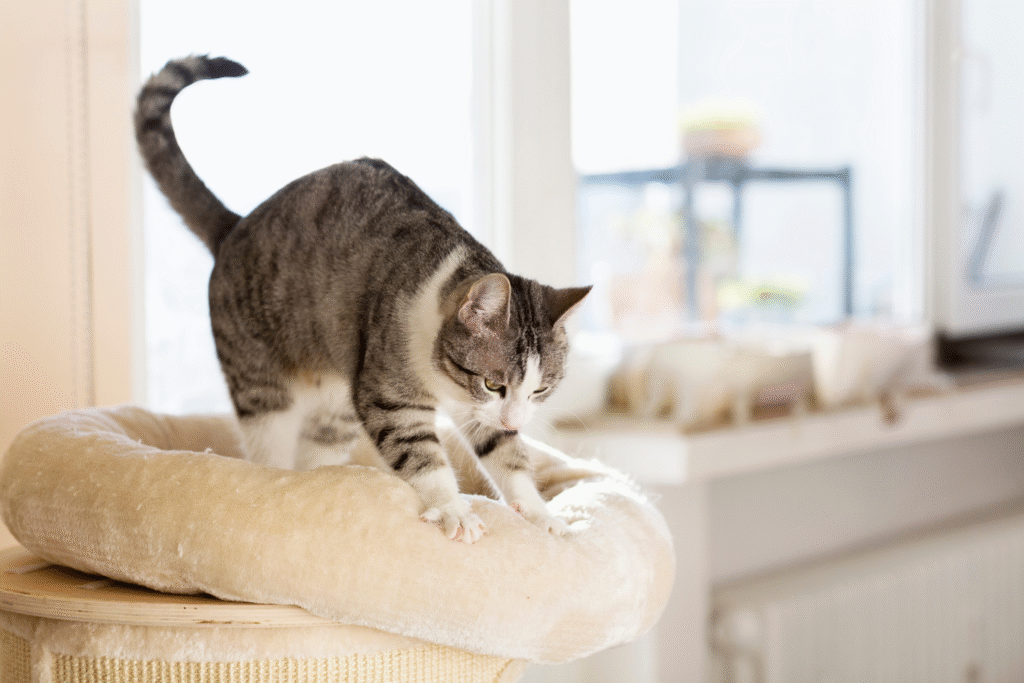
Behavior is observable, but subjective sensation remains unknowable. Whether cats feel pleasure, confusion, or sensory overload is still contested.
Neurological data suggests stimulation rather than intoxication. The brain lights up briefly, then resets. Without language, interpretation relies on patterns. What appears amusing or strange may reflect a momentary neurological storm that ends as suddenly as it begins.