
Appetite shifts often signal deeper changes unfolding quietly.
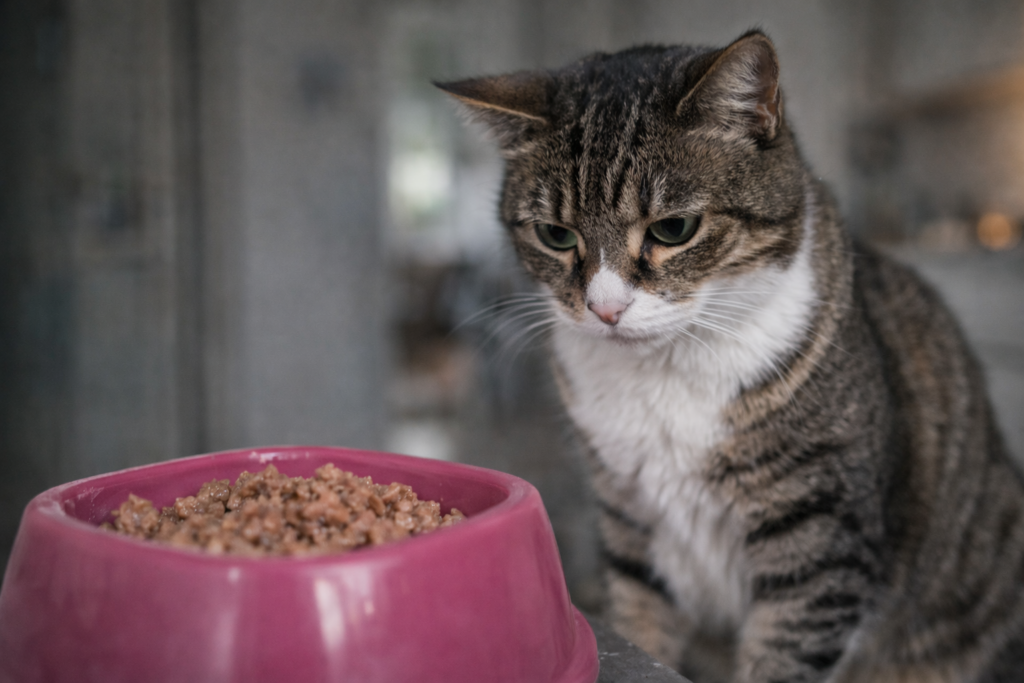
Cats are famously consistent eaters, so when a longtime favorite food is suddenly ignored, it can feel unsettling. This behavior rarely appears without cause. Veterinarians see these shifts as early signals tied to health, sensory change, or environment rather than whim. A cat’s relationship with food is shaped by memory, smell, comfort, and physiology all at once. When one of those layers changes, appetite can unravel quickly, sometimes long before more obvious symptoms surface.
1. Dental pain quietly changes how food feels.

Dental pain often develops invisibly in adult cats, especially after middle age. Tooth resorption, gum inflammation, and tiny fractures make chewing uncomfortable. Dry food may suddenly feel sharp, even when hunger remains strong and routine stays unchanged.
Cats instinctively avoid pain without showing it. According to the Cornell Feline Health Center, dental disease affects most adult cats, and food refusal is often the earliest sign owners notice, appearing long before drooling, weight loss, or obvious mouth sensitivity.
2. Nausea can permanently rewrite food associations.

Cats form strong connections between food and how their body feels afterward. Mild nausea from kidney stress, liver changes, or gastrointestinal irritation can follow a meal and quietly poison that memory.
One exposure is often enough. As reported by the American Animal Hospital Association, cats are highly prone to conditioned food aversion, meaning a single nauseating episode can cause lifelong rejection of a food they previously ate without hesitation.
3. Aging reduces smell before owners notice changes.

Smell drives appetite more than taste for cats. As they age, olfactory receptors decline gradually, dulling aroma even when taste remains intact. Food that once smelled rich may now seem faint or unfamiliar.
This change often arrives quietly. As stated by International Cat Care, reduced scent perception in senior cats frequently leads to sudden food rejection, especially with dry diets that rely heavily on aroma to stimulate interest.
4. Stress interrupts eating without obvious behavioral clues.
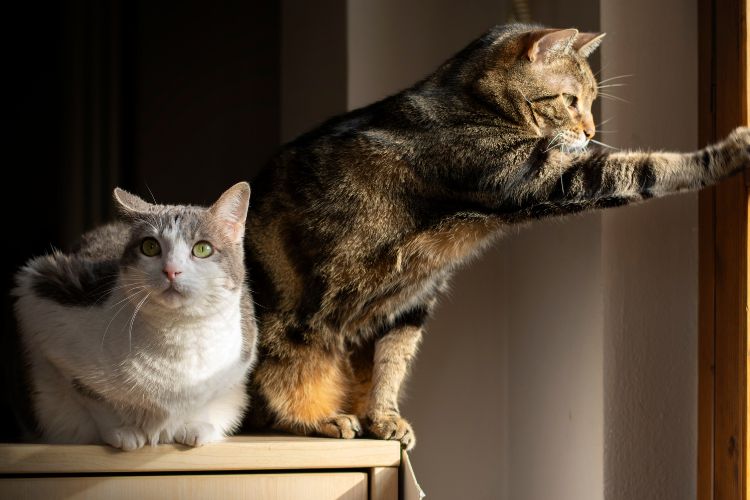
Cats are deeply sensitive to changes in their environment. New pets, altered routines, unfamiliar visitors, or subtle household noise can suppress appetite even when food stays the same.
Stress hormones interfere with digestion and hunger signals. The cat may feel hungry but lacks the sense of safety required to eat comfortably, leading to quiet refusal that appears sudden to owners.
5. Medication side effects distort appetite and taste.

Many commonly prescribed feline medications affect appetite indirectly. Some alter taste perception, while others cause mild nausea or reflux that owners may never observe.
Cats do not separate medication from meals. When eating consistently precedes discomfort, the food becomes suspect. Even after medication stops, rejection may persist because the negative association has already formed.
6. Formula changes subtly break food recognition.
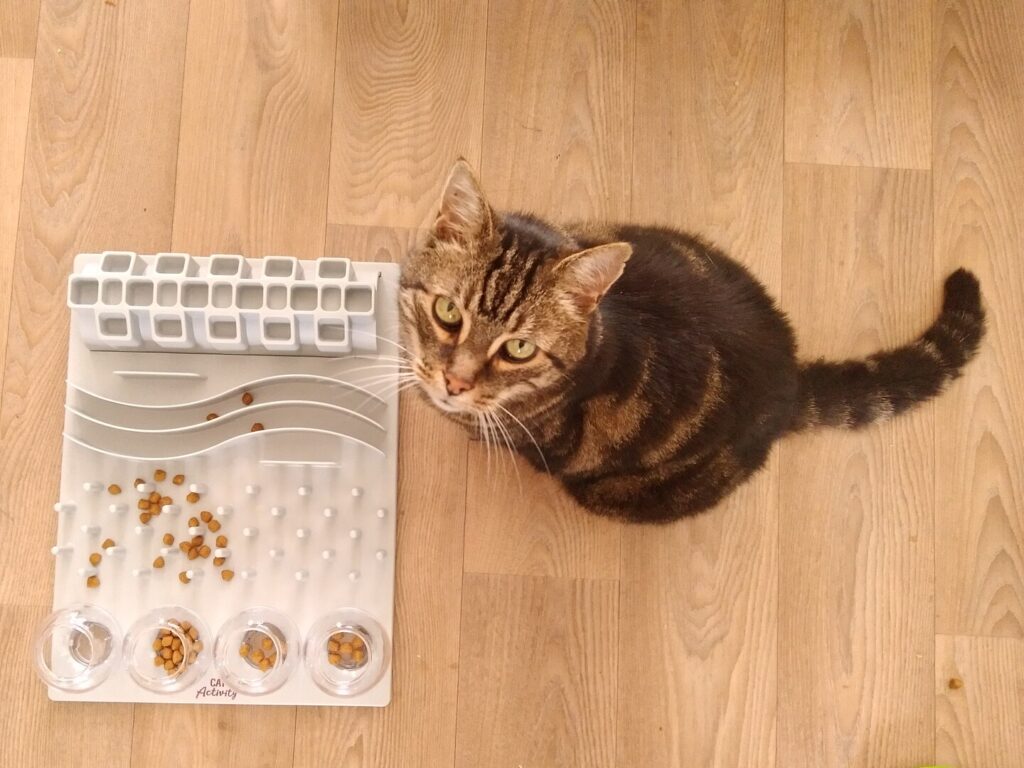
Pet food formulas change more often than labels suggest. Ingredient sourcing, fat ratios, or processing methods may shift quietly, altering smell and texture just enough for a cat to notice. Humans rarely detect these differences, but cats rely on sensory precision.
When food no longer matches memory, trust erodes. The cat may sniff, hesitate, then refuse. This reaction reflects uncertainty, not stubbornness. Even minor changes can disrupt long established acceptance, especially in cats already sensitive to routine or aging related sensory decline.
7. Chronic illness gradually silences hunger signals.

Many chronic conditions reduce appetite slowly rather than suddenly. Kidney disease, inflammatory bowel disease, and thyroid imbalance often dull hunger long before visible weight loss occurs. Food stops feeling rewarding.
Cats may approach meals out of habit, then walk away after a few bites. This pattern fluctuates, creating confusion for owners. Appetite loss here reflects internal metabolic shifts, not food dislike, and often precedes more obvious clinical symptoms.
8. Sensory fatigue lowers motivation over long repetition.

Some cats experience reduced interest after eating the same food for years. While consistency is comforting, sensory stimulation can fade over time. The food remains familiar but no longer rewarding.
This does not mean constant switching is healthy. Small rotations within similar textures or proteins may restore interest without upsetting digestion. The refusal reflects diminished reward signaling, not a rejection of routine itself.
9. Feeding environment reshapes perceived safety.
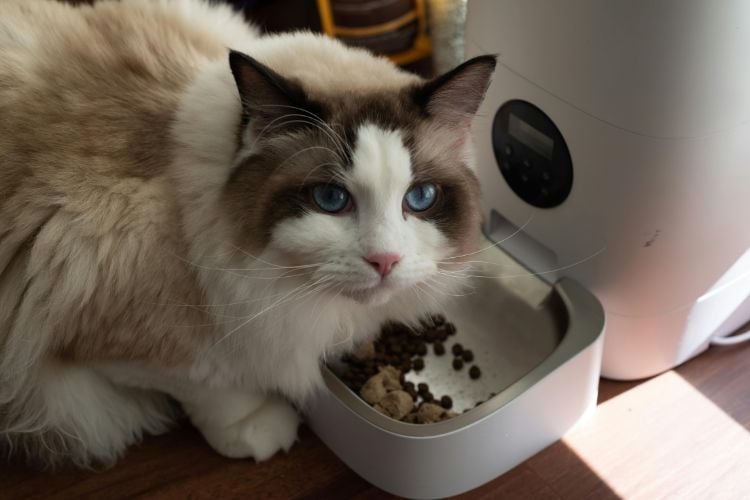
Cats prefer eating in calm, predictable spaces. Noise, foot traffic, nearby litter boxes, or new feeding locations can quietly undermine appetite. The food itself has not changed, but the context has.
If the environment feels unsafe, eating stops. This behavior is protective. Restoring quiet, familiar conditions often revives appetite without altering the diet, revealing how tightly food acceptance is tied to emotional security.
10. Learned control reinforces food refusal patterns.
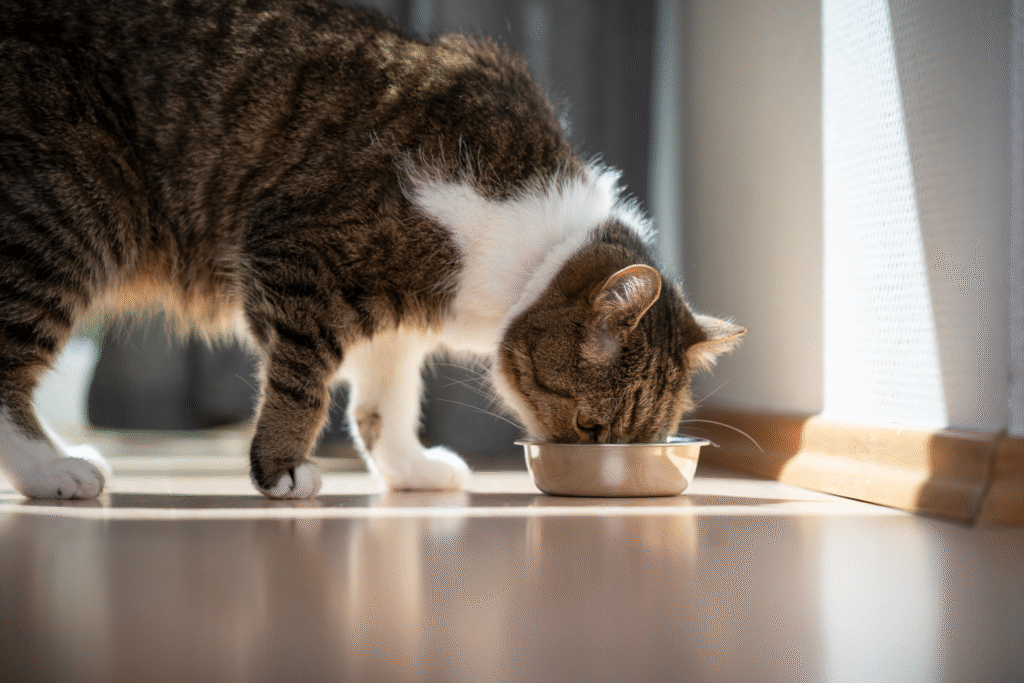
Cats quickly learn that refusing food can change outcomes. If rejection leads to treats, new foods, or increased attention, the behavior strengthens over time.
Often, a physical trigger starts the cycle, but learning maintains it. Once alternatives appear reliably, the original food may never regain appeal, even after the original cause resolves, turning a health signal into a lasting habit.