
New behaviors hint at something deeper unfolding.
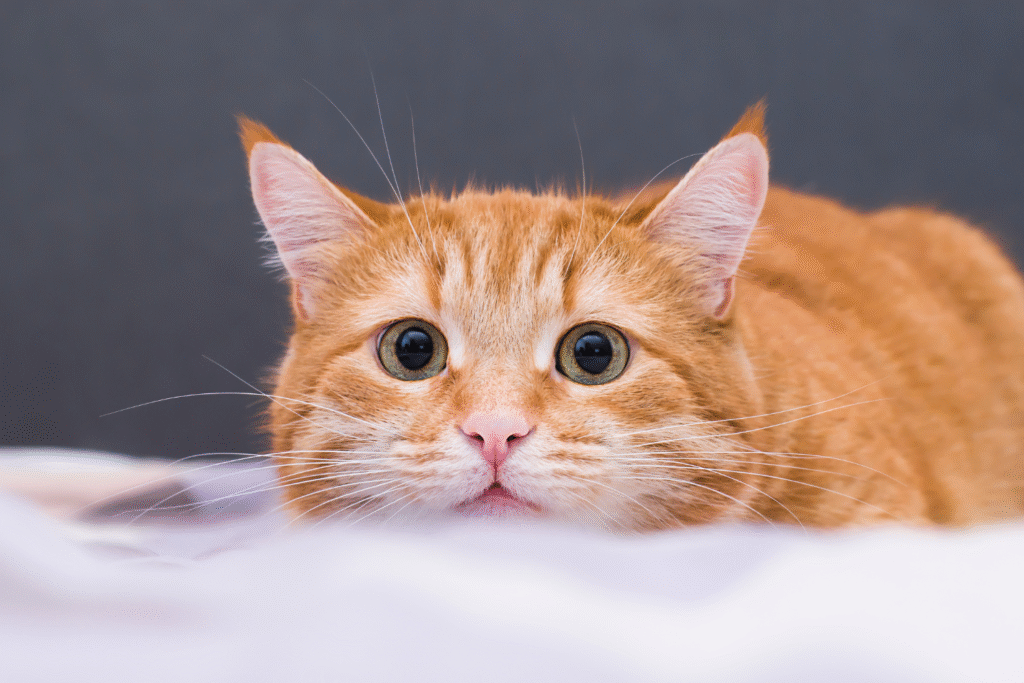
Indoor cats live in a controlled world, yet many are showing patterns that echo the instincts of their wild ancestors. These shifts do not arrive with dramatic flair. They appear quietly in daily routines, in the way cats stalk shadows or patrol their homes as if holding territory. Modern environments may look tame, but the feline brain still carries triggers shaped by thousands of years of survival. As those triggers surface, indoor cats begin revealing instincts many thought had softened long ago.
1. Hunting behaviors intensify inside controlled environments.
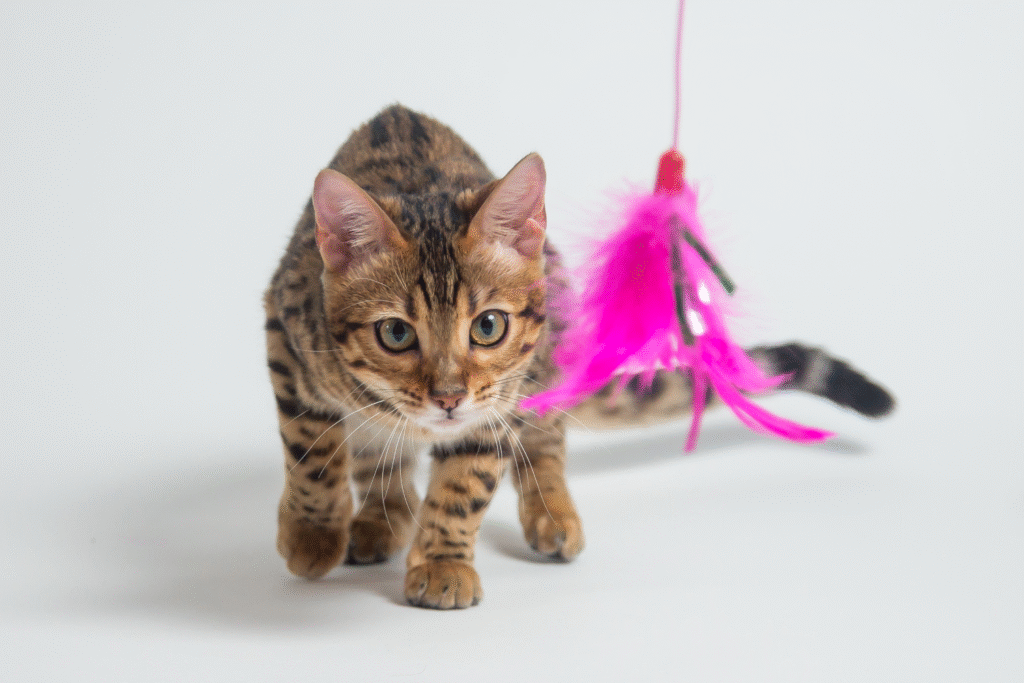
Researchers have observed that indoor cats increasingly display predatory patterns even without access to prey, as stated by the American Veterinary Medical Association. These behaviors appear in sudden ambushes toward toys, furniture or passing feet. The movements resemble precise hunting tactics found in wild felines. These patterns suggest that the instinct persists regardless of environment. The more structured the home, the more intensely the behavior emerges in subtle bursts of activity.
This shift gives owners insight into how deeply rooted those instincts are. It also highlights how modern cats adapt their ancient behaviors to new forms of stimulation.
2. Household territories become strictly defined again.

Behavior specialists have documented cats dividing homes into small personal zones, as reported by the Humane Society. These boundaries resemble territorial patterns seen in wild populations. Cats may guard entryways, monitor windows or return to specific perches that act as command points. The attention to boundary control intensifies when routines shift or new scents appear. These reactions echo the territorial instincts shaped long before domestication.
This instinctive zoning can influence how multiple cats interact. It creates a layered map of space where every room carries its own set of rules shaped by feline hierarchy.
3. Height seeking behavior mirrors ancestral survival strategies.
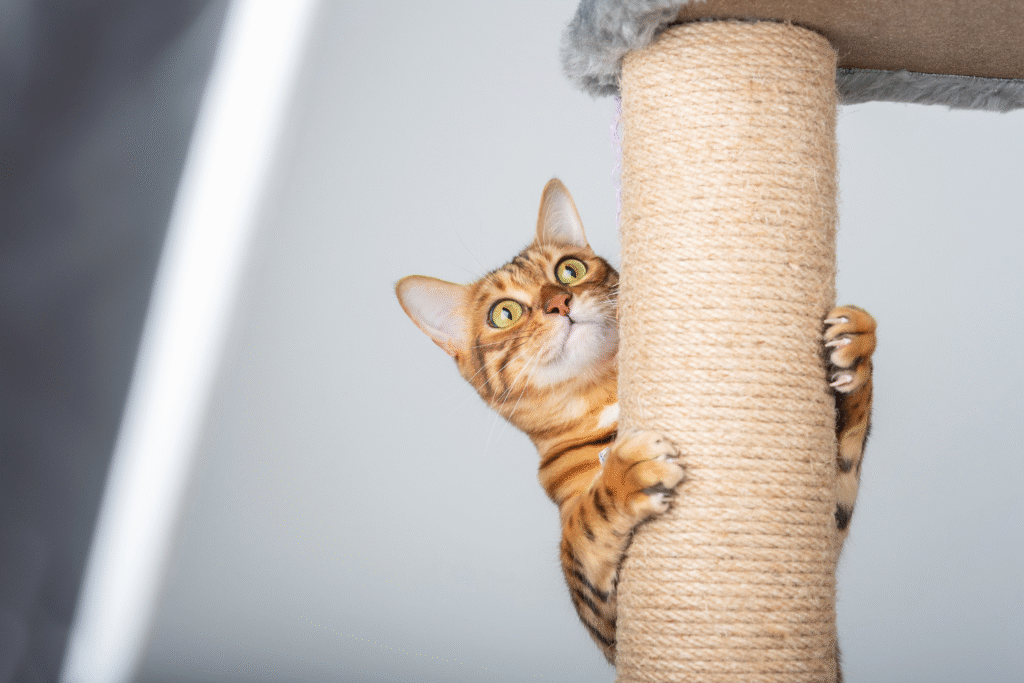
Climbing and perching behaviors in indoor cats appear more pronounced than in previous decades, as discovered by the Journal of Feline Medicine and Surgery. Researchers believe this instinct reflects the strategies wild ancestors used to scan for danger while staying hidden. Elevated positions offer oversight, safety and a sense of control. Even cats with no outdoor exposure instinctively gravitate toward shelves, cabinets and tall furniture that provide strategic vantage points.
These choices show how survival instincts remain active in environments that pose no threat. They also shape daily patterns of movement inside the home.
4. Nighttime activity patterns begin to resemble wild rhythms.

Indoor cats increasingly show active bursts after dark. These patterns mirror the crepuscular habits of their ancestors, who hunted during twilight to avoid predators and maximize success. Modern lighting, quiet homes and predictable schedules create conditions that allow this instinct to resurface strongly. Many cats pace, vocalize or engage in exploratory behavior long after households settle for the night.
This shift highlights how natural rhythms persist beneath domesticated routines. It also explains why some cats become restless when their environment disrupts their nocturnal instincts.
5. Stalking behavior returns during routine play.
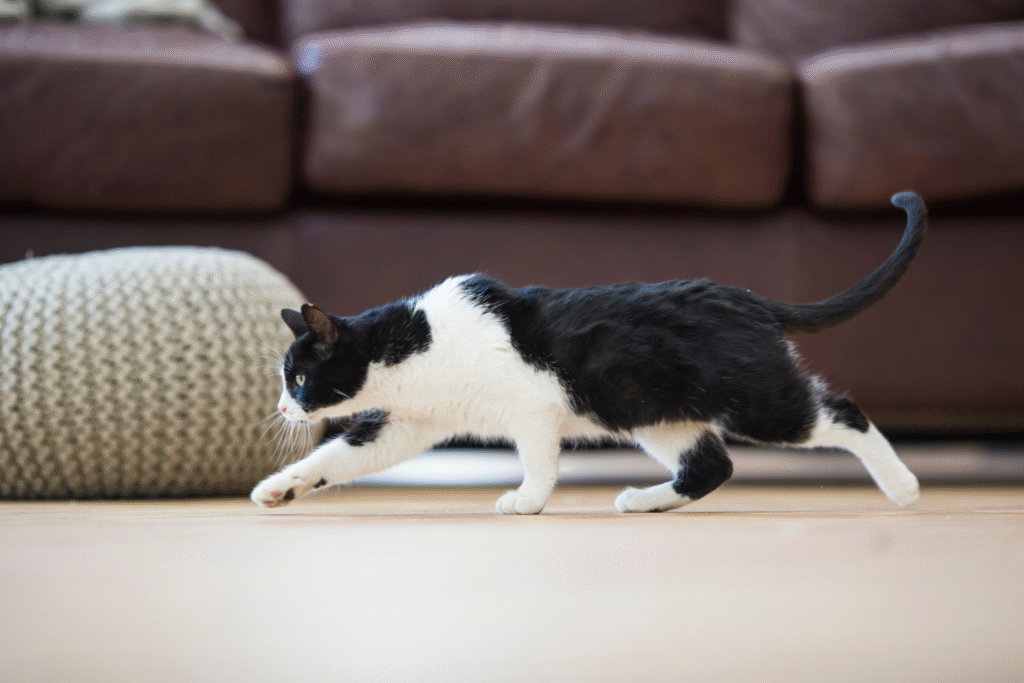
Play sessions often reveal precise stalking techniques that appear surprisingly refined. Cats slow their breathing, lower their bodies and coordinate muscle movement as if preparing for actual predation. Even brief games can activate these deeply rooted patterns. Some cats practice stalking on everyday objects such as socks, wrappers or insects that wander indoors.
This behavior is not random. It reflects a neurological design that prepares cats for strategic pursuit. These instincts can surface quickly when a sound or movement triggers ancient wiring that remains intact.
6. Scent mapping becomes more deliberate and frequent.
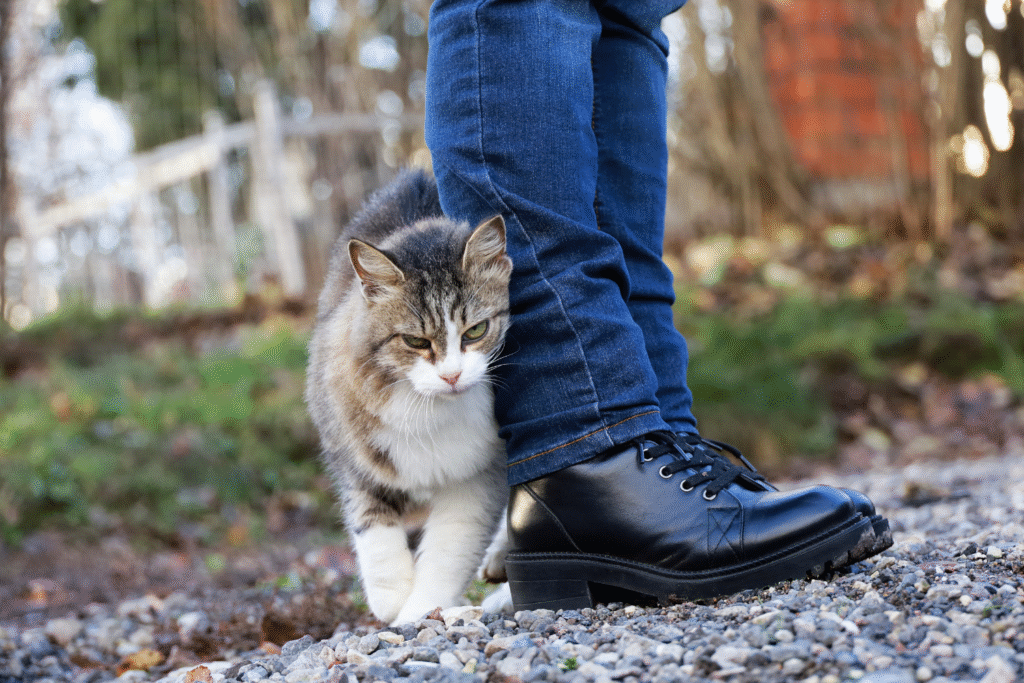
Many cats increase scent marking through rubbing, grooming or targeted scratching. These behaviors create chemical trails that help them interpret their environment in ways humans rarely notice. The patterns resemble the scent mapping strategies used in the wild for navigation and communication. Even indoor scents that drift in from open windows or shoes can activate these instincts.
This sharpening of scent awareness shows how modern environments still provide enough sensory variation to activate ancestral mapping strategies. Cats use these cues to maintain order in their personal territory.
7. Sudden alertness reflects ancestral threat responses.
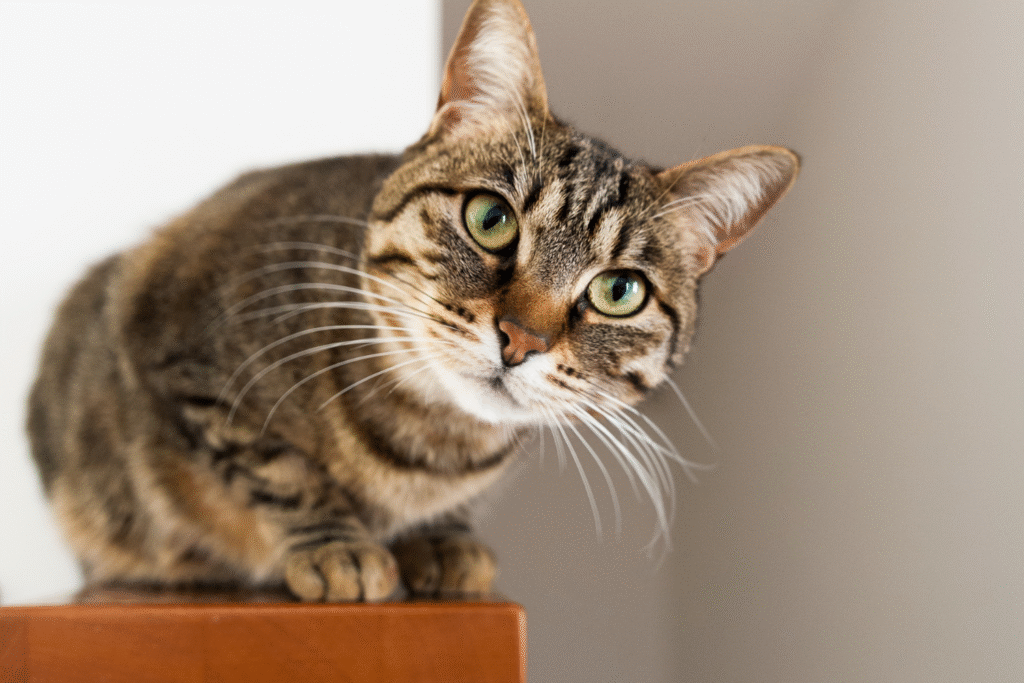
Indoor environments lack predators, yet cats often react instantly to subtle noises. The quick head turns, fixed stares or freezing postures indicate a survival system that responds to potential threats before conscious thought occurs. These gestures resemble behaviors used in the wild to detect predators or prey. Even small sounds like distant vehicles or appliances can prompt ancestral response patterns.
This heightened awareness demonstrates how cats maintain a scanning behavior rooted in ancient survival tasks. Their responses serve as reminders of how nuanced their sensory world remains.
8. Ritualized grooming carries ancient communication cues.
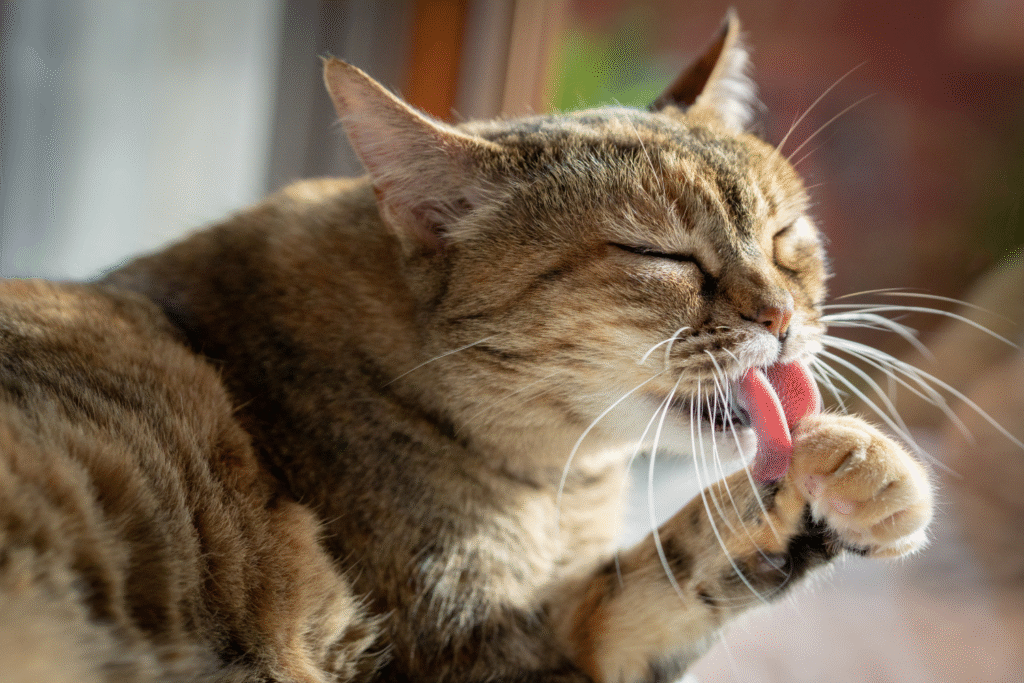
Grooming routines sometimes intensify during environmental changes or emotional shifts. These patterns reflect behaviors once used by wild felines to manage scent, reduce stress and signal social status. Indoor cats may groom themselves or other animals using similar sequences. The behavior becomes more pronounced in moments of uncertainty or transition.
Grooming acts as a regulatory mechanism that connects domestic life to survival habits long established in wild populations. It remains a fundamental instinct that surfaces when cats need balance or reassurance.
9. Hidden caching instincts appear in surprising ways.
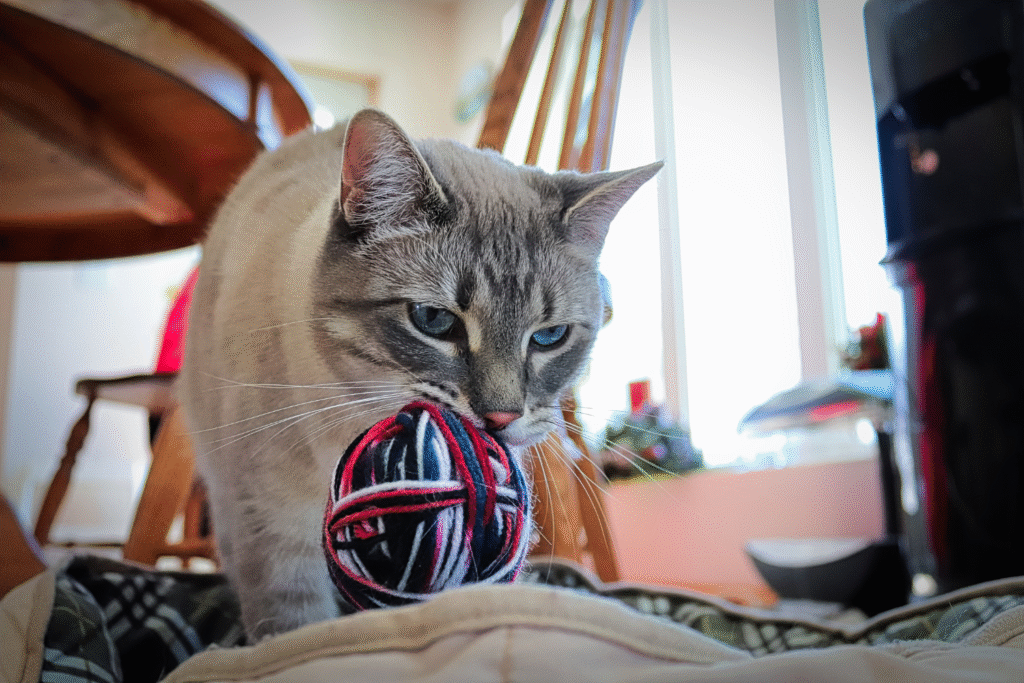
Some cats hide toys, food or small objects in corners or under furniture. These actions echo caching behaviors used by wild felines to protect resources. Indoor environments provide fewer opportunities for storing real prey, so cats adapt by hiding items that carry importance or scent. This instinct can appear suddenly, especially when routines shift or new objects enter the home.
Caching highlights a strategic mindset that persists even without survival pressure. It reflects a natural instinct to manage resources carefully and maintain control over valued items.
10. Independent decision patterns echo ancestral autonomy.
Indoor cats frequently make choices that appear unrelated to household routines. They change resting places abruptly, inspect areas previously ignored or disengage from activities without warning. These behaviors reflect the independent decision making essential to wild feline survival. Autonomy allowed ancestors to avoid danger and conserve energy in unpredictable landscapes.
These decision patterns persist today because they remain woven into feline identity. Even in a structured home, cats rely on instinctive judgment that aligns more with their heritage than their environment.