
Some trees fade while signals quietly fill the air.
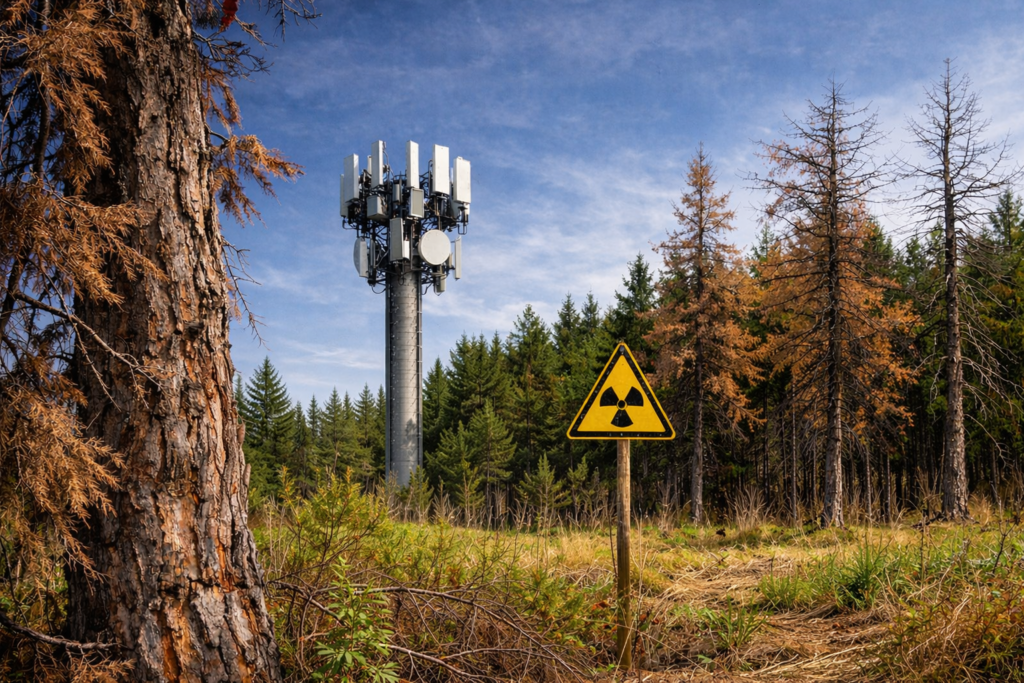
Walk down certain streets and the pattern can feel oddly precise. One row of trees looks healthy and full, while another nearby shows thinning leaves or browning branches. In several towns, the dividing line seems to trace back to something unexpected: the nearest communication tower. Researchers have begun examining whether long term exposure to radio frequency signals could play some role in stressing urban trees. The evidence remains incomplete, and many other environmental factors could be involved. Still, the pattern has drawn enough attention that scientists are taking a closer look. What they are finding so far raises intriguing questions about how modern infrastructure quietly intersects with the natural world.
1. Trees closest to towers show uneven canopy damage.
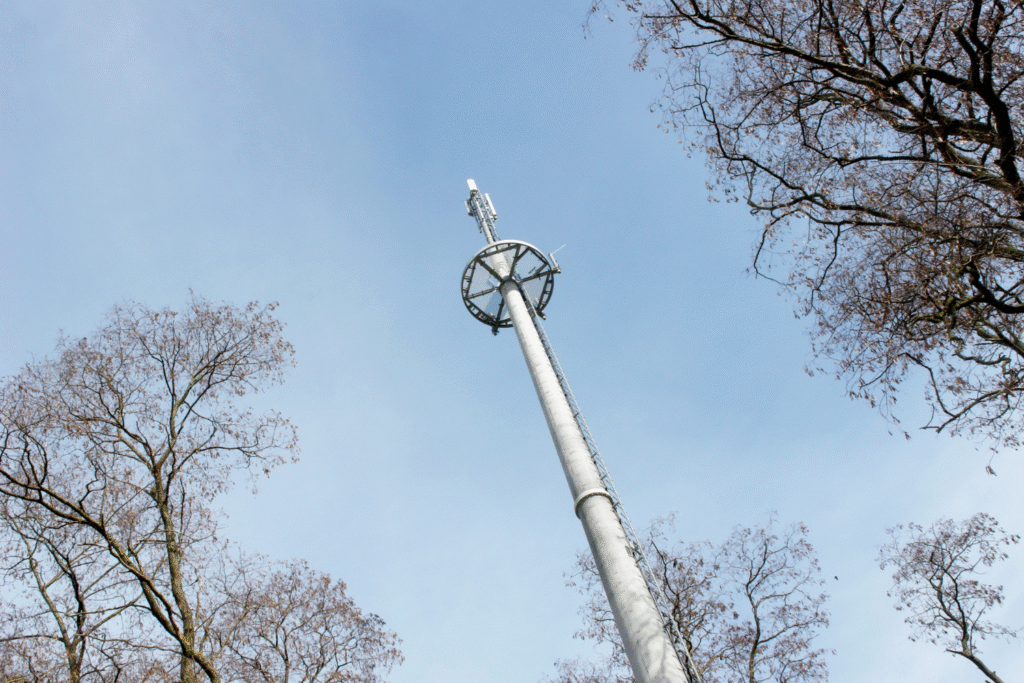
Researchers in Germany monitored over a hundred trees for nearly a decade and noticed a curious trend, according to a peer-reviewed field study. The side of the tree facing the antenna consistently showed thinner foliage and more dead branches than the side turned away. Measuring the radio-frequency fields around these trees revealed higher exposure levels where the damage occurred. That kind of pattern doesn’t happen from random drought or bugs alone, which makes scientists suspect an environmental factor that’s directional, like signal radiation itself.
2. Radio-frequency exposure may disrupt normal plant functions.
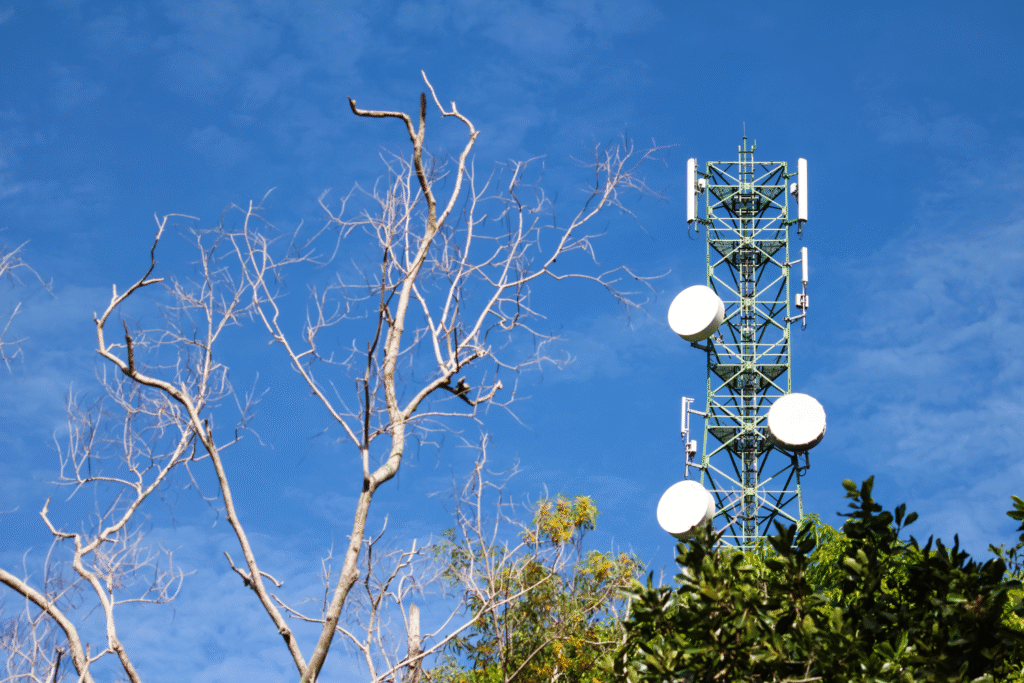
Several plant biology studies have found that electromagnetic radiation can interfere with the way trees and smaller plants grow. As discovered by researchers examining 45 peer-reviewed studies, almost all showed that long-term exposure led to visible stress symptoms, including altered chlorophyll levels and reduced leaf thickness. Scientists still debate the threshold for harm, but the consistency of the responses suggests trees aren’t fully indifferent to invisible waves around them. Since trees can’t move, any chronic stressor—natural or manmade—leaves a cumulative mark that builds over seasons.
3. Evidence links towers to tree stress, but not death.
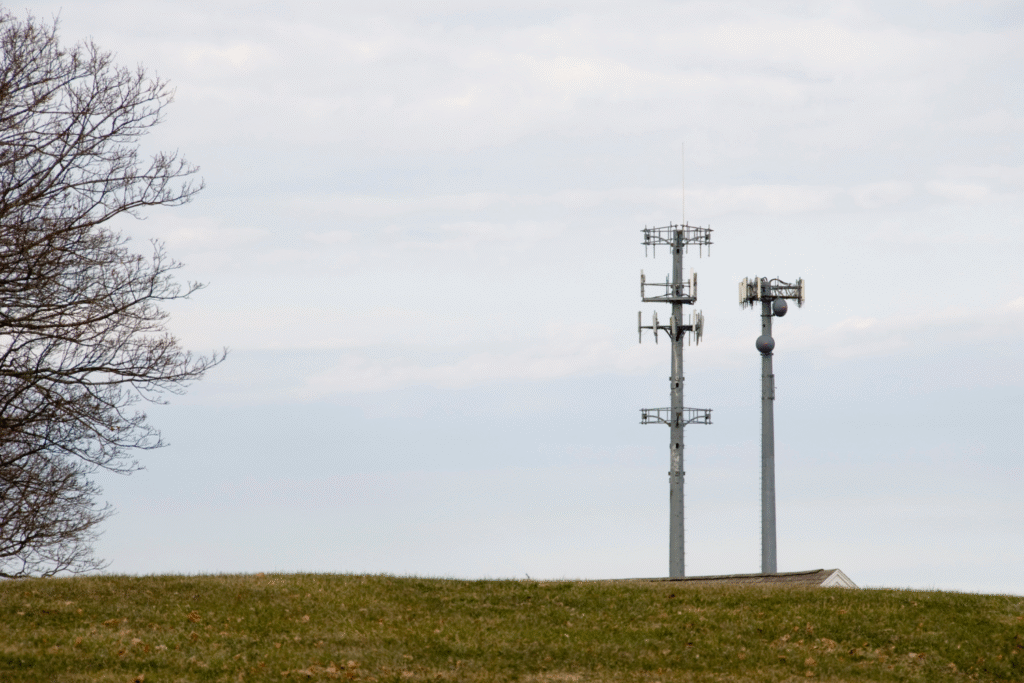
A review of field data found strong associations between tower proximity and structural decline, as reported by environmental analysts studying urban ecosystems. However, they emphasized correlation isn’t proof. Trees already stressed by heat, poor soil, or limited water may simply be pushed further toward decline by added exposure. That means antennas might not cause new disease but could amplify existing vulnerabilities. This is what makes the phenomenon so slippery to study—what looks like radiation damage may actually be a final straw for a struggling tree.
4. Soil and pests often worsen what signals start.
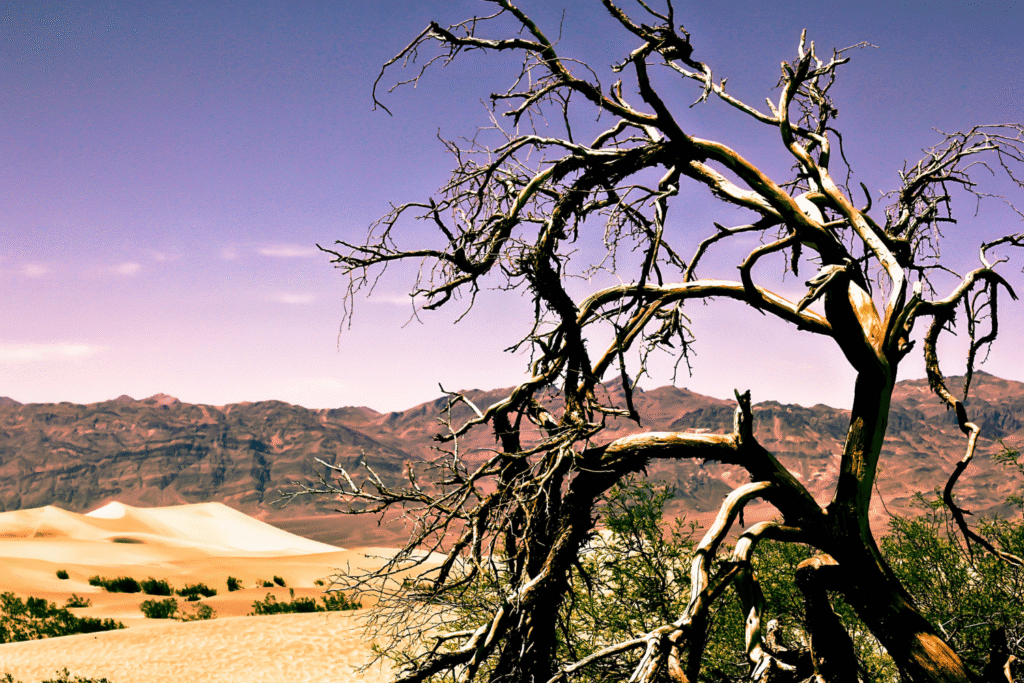
Trees living near roads, power lines, or towers face compacted soil, car exhaust, and heat reflecting off concrete. All of those weaken roots and reduce their ability to absorb nutrients. Once weakened, trees become magnets for pests and fungal infections. Scientists say the combination of these stressors can mimic or magnify the same symptoms linked to tower radiation. So while cell signals might be part of the picture, they’re rarely the whole story. The problem seems to be cumulative stress more than any single villain.
5. The damage often starts slowly and spreads unevenly.
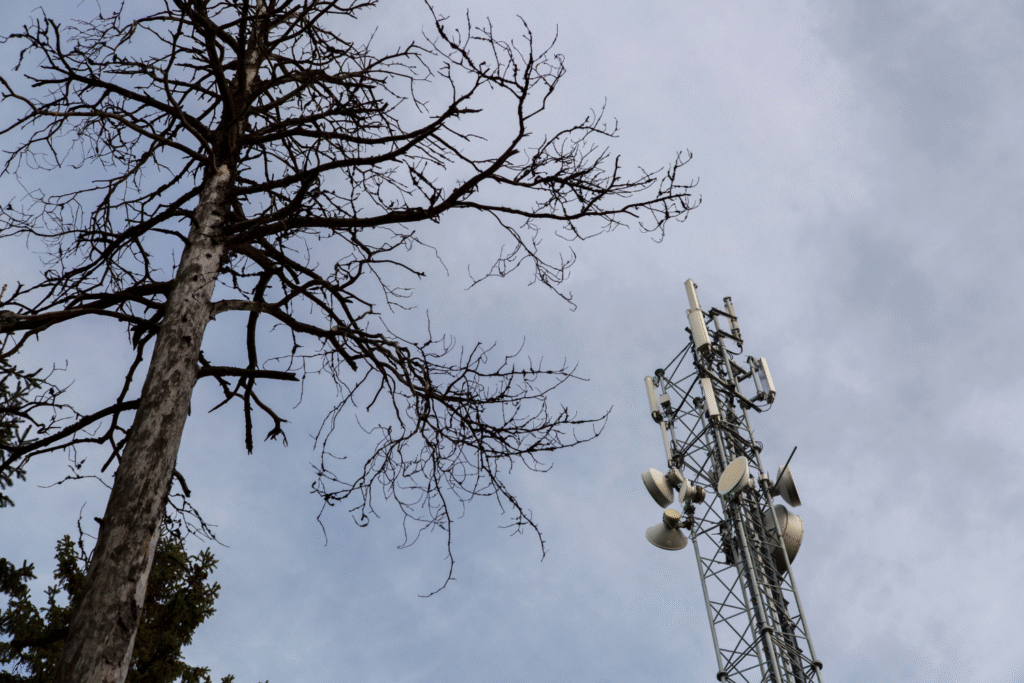
What begins as a few brown leaves on the tower-facing side can, over several years, turn into entire branches losing vitality. Arborists who’ve studied affected trees describe a slow-motion pattern where the crown thins first, then bark becomes brittle, and eventually, new buds stop forming. It’s subtle enough that residents don’t notice until the tree seems “sick” all at once. This timeline explains why the problem stayed off the radar for so long—it doesn’t happen overnight, and most people move before they can see it unfold.
6. Modern 5G antennas add a new layer of uncertainty.
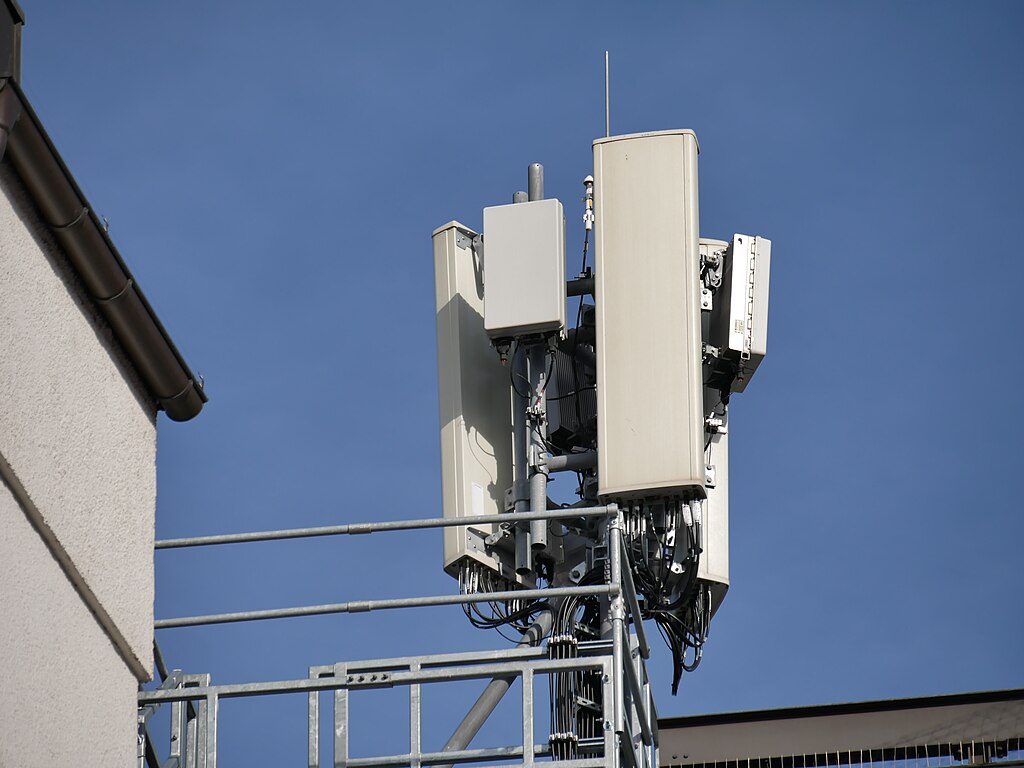
The arrival of small 5G transmitters placed closer to street level puts antennas directly beside branches and leaves. Scientists studying millimeter-wave frequencies note that tree canopies can absorb and scatter these signals, but the long-term effects on living tissue are unknown. Urban planners now face the challenge of maintaining both network strength and urban greenery. The irony is that while trees interfere with cell signals, the signals themselves might interfere right back. The balance between coverage and canopy is becoming a delicate engineering problem.
7. Urban planners are quietly rethinking antenna placement.
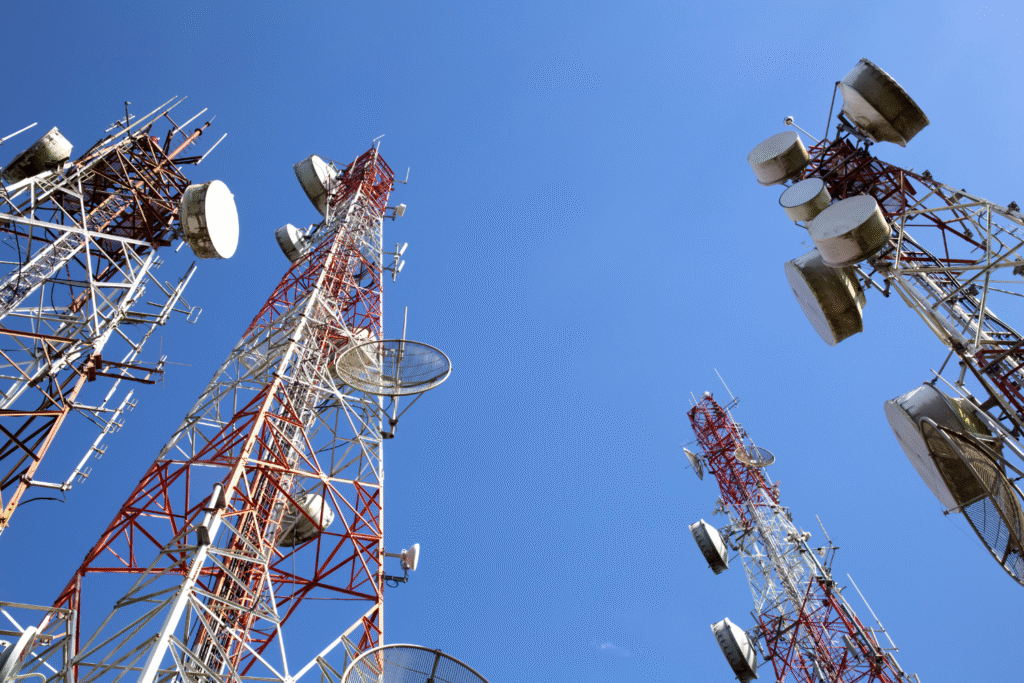
Cities that once approved towers with little ecological oversight are beginning to factor trees into their permitting process. Some have introduced guidelines to keep transmitters a few meters away from large trunks and crowns. Others require environmental impact monitoring post-installation. It’s an unusual overlap of technology and ecology, but it’s forcing agencies to consider that communication infrastructure may need its own form of environmental ethics. Preserving both signal strength and shade requires coordination that hasn’t existed until now.
8. Tree experts and engineers are starting to collaborate.

Arborists now work alongside telecom specialists to better understand what’s happening at ground level. Trees can’t file complaints, but when an entire block of them shows symmetrical decline, it raises questions engineers alone can’t answer. Collaboration is producing better field data—mapping tree health in relation to radiation patterns, pruning history, and soil conditions. When expertise combines like this, the results often reveal how many overlooked variables shape what we casually call “damage.” Science, after all, thrives on cooperation.
9. Residents near towers can help document changes.
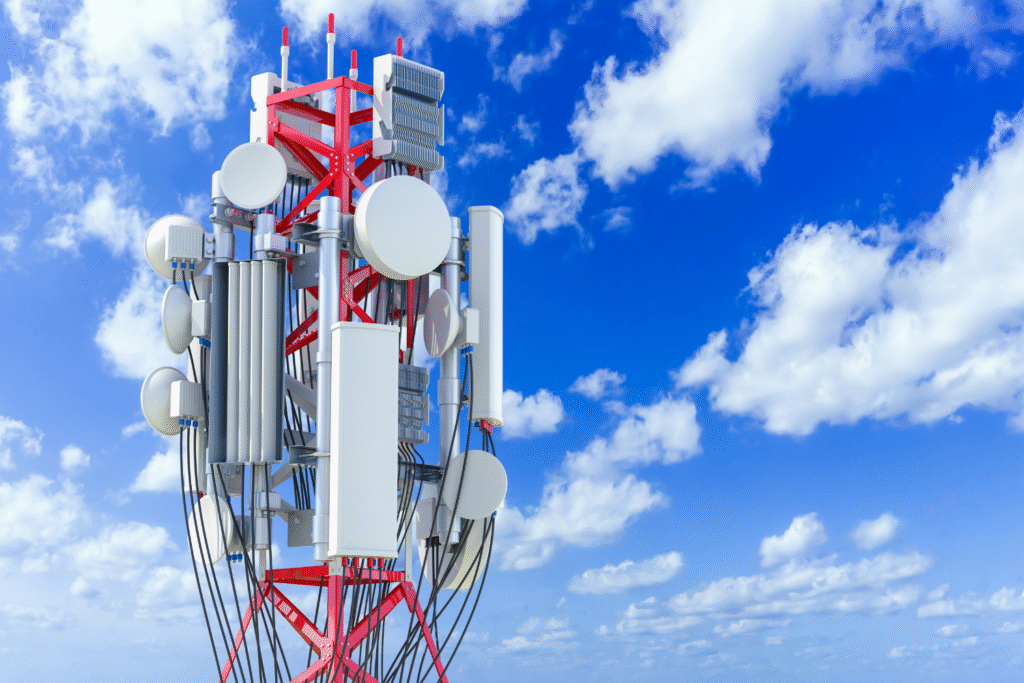
People living near cell towers are becoming an unexpected part of the research. Many now take seasonal photos of nearby trees, noting changes in leaf color, density, and branch loss. Sharing this visual data with arborists helps detect early warning signs that might otherwise go unnoticed. Observations from local communities often reveal patterns scientists can then verify in controlled studies. Ordinary noticing becomes data. For trees whose decline happens gradually, that kind of crowd documentation might be their best early defense.
10. Scientists agree more long-term data is essential.

Current research suggests an association, but a definitive mechanism is still missing. Controlled experiments with identical trees grown at varying distances from towers could provide answers, yet such studies are slow and expensive. For now, scientists say we’re looking at a puzzle with too many moving parts—radiation, soil, drought, air pollution—all acting together. What’s clear is that technology and nature share more overlap than we once thought, and the health of one might depend on understanding the quiet distress signals of the other.