
Unusual blue-fur dogs spotted at Chernobyl exclusion zone.

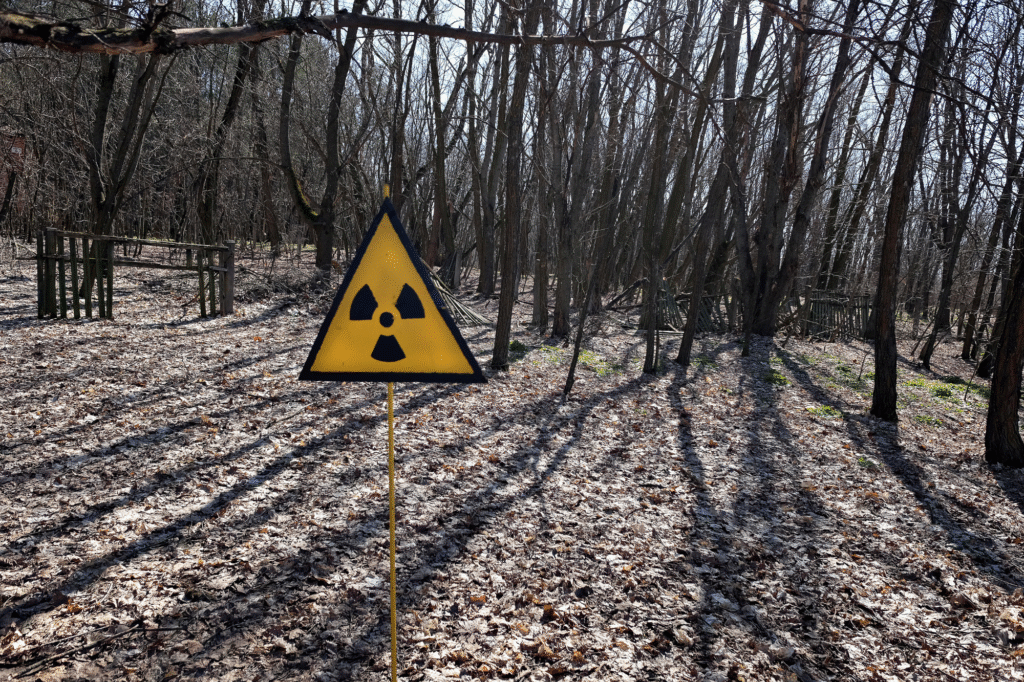
Within the boundaries of the Chernobyl Exclusion Zone in Ukraine, a handful of stray dogs have been seen sporting startling bright-blue fur, an observation that’s sparking concern, curiosity, and scientific scrutiny alike. These dogs are descendants of animals left behind during the 1986 disaster, and while initial speculation tied the hue to radiation, specialists now believe the cause may be far more mundane, and yet still urgent. The non-profit Clean Futures Fund says they are monitoring the situation closely and attempting to capture the animals for further study.
1. Several dogs were seen coated in bright blue substance.

During a sterilization campaign in early October 2025, the Dogs of Chernobyl team encountered at least three dogs whose entire coats were a vivid blue color, as reported by ScienceAlert. They were active and appeared otherwise healthy, making the sight all the more striking. Because the discovery spread rapidly online, field teams are now prioritizing capture to determine what they rolled in and whether the substance is harmful. The blue hue remains unexplained for now, but the incident has sparked new international attention toward Chernobyl’s animal population.
2. Specialists suspect the coloring came from chemical exposure rather than radiation.
Analysts believe the dogs’ blue fur likely resulted from exposure to a chemical source, possibly a leaking cleaning compound or waste fluid, not radiation damage, according to Newsweek. The dogs were seen near an abandoned industrial facility believed to have stored chemical containers, and no signs of radiation sickness or genetic damage have been observed. Their otherwise normal behavior and health support the idea that this was a surface-level contamination event. The question now is what specific chemical could cause such a striking but localized effect on fur pigmentation.
3. Genetic studies show Chernobyl dogs are distinct but not mutated by radiation.

Researchers examining the DNA of Chernobyl’s dog population discovered unique genetic markers tied to isolation, yet no evidence of radiation-driven mutations, as discovered by Popular Mechanics. A 2023 genetic study comparing dogs within and outside the exclusion zone found that while the Chernobyl groups had adapted to the environment, their differences were within normal evolutionary variation. This further distances the blue fur mystery from radiation explanations, suggesting the color came from environmental exposure, not a biological anomaly.
4. The dog population there originates from pets abandoned in 1986.

When residents were forced to evacuate after the reactor explosion, they left behind countless pets. Many of these dogs survived, bred, and adapted to an ecosystem largely devoid of humans. Over time, their descendants formed self-sustaining packs that roam the exclusion zone. They rely on scraps, human aid, and instincts honed over decades of isolation. Their story is a haunting reminder of resilience and survival—how life can persist, even in one of Earth’s most radioactive landscapes.
5. The organization is trying to capture the blue dogs for testing and sterilization.

Teams from the Clean Futures Fund are attempting to locate and humanely capture the blue-coated dogs for medical evaluation and sterilization. This effort is part of the larger Dogs of Chernobyl program, which has vaccinated and treated over 1,000 dogs since 2017. Catching these animals is no simple task; they are wary of humans and roam areas that are both contaminated and structurally unsafe. Still, rescuers remain determined, knowing that examination could reveal critical clues about what caused the vivid coloration.
6. The blue color may wash off but its cause remains unknown.

Early reports suggest that the blue hue might fade with time or after exposure to rain, implying the pigment is topical rather than biological. However, without direct sampling, scientists cannot determine the chemical’s identity or potential toxicity. If industrial waste is responsible, the situation could highlight lingering contamination issues across parts of the zone. Until the dogs are captured and examined, the mystery will persist—balanced between scientific curiosity and environmental caution.
7. Radiation remains unlikely to be the direct cause of the blue fur.

Despite the haunting connection to Chernobyl, experts agree that radiation is not to blame. The dogs’ coats, body conditions, and reproductive health are typical of stray populations elsewhere. Researchers monitoring radiation levels found no unusual spikes in the areas where the blue dogs appeared. Instead, the phenomenon underscores how quickly speculation can outpace science. Chernobyl’s name still carries weight—but in this case, the explanation is probably chemical, not nuclear.
8. This phenomenon highlights the unique ecology of the exclusion zone.

The Chernobyl region has transformed into an accidental wildlife sanctuary, hosting wolves, bears, and hundreds of stray dogs. Devoid of humans, nature has reclaimed buildings and roads, creating a surreal coexistence between contamination and recovery. The blue dogs’ emergence is another chapter in this complex ecological story—one where adaptation and mystery intertwine. Each observation teaches scientists how life adjusts to disrupted environments, and how fragile ecosystems can reinvent themselves after catastrophe.
9. The situation raises questions about environmental safety and waste management.

If chemical waste is behind the strange blue hue, the incident could spotlight larger environmental oversight problems in the exclusion zone. Old storage tanks, abandoned factories, and decaying infrastructure still litter the area. Wildlife contact with these remnants poses ongoing risks, not just to animals but to the broader environment. The blue dogs, while visually shocking, might represent an early warning sign of contamination that’s gone unnoticed for decades.
10. More research could unlock insights into adaptation and survival.

Beyond the mystery of blue fur, the Chernobyl dogs provide invaluable data about survival under extreme conditions. Their genetics, behavior, and social structures are helping scientists understand how animals adapt in contaminated regions. Future testing of the blue dogs could reveal how environmental factors influence evolution, health, and resilience. While the mystery remains unsolved for now, one thing is certain—the world is watching, and the story of these resilient strays is far from over.