
In the desert, the ground remembered everything.
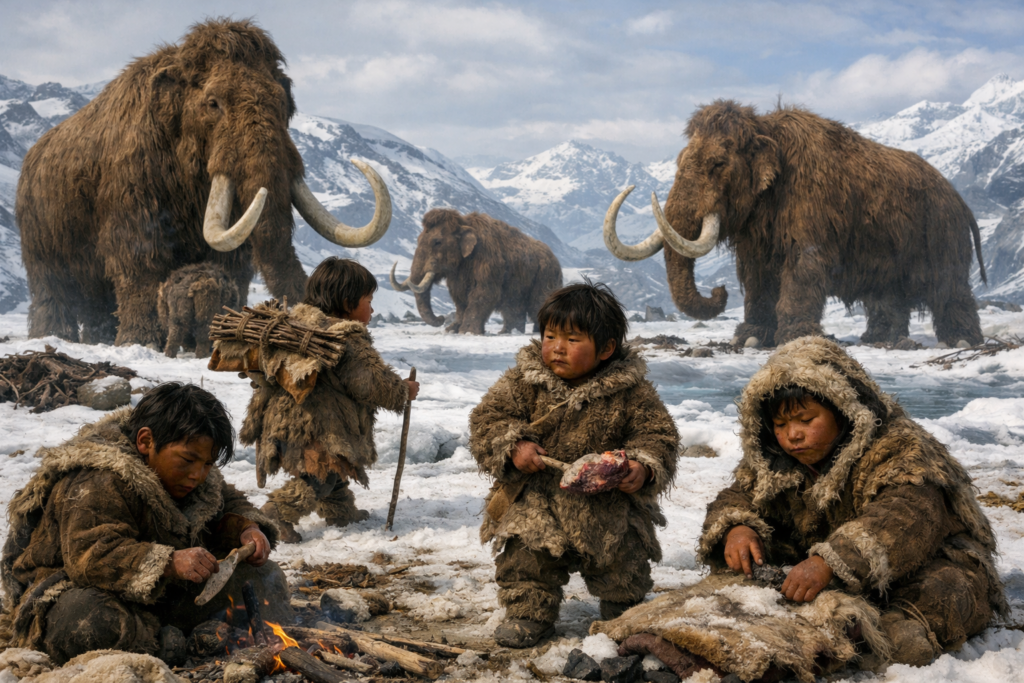
At first glance, the white expanse looks empty, wind-swept and silent. But beneath the crusted surface lies a record of motion so vivid it feels almost impossible. Pressed into ancient mud and sealed by time, a sequence of steps waits in patient stillness. Small feet. Larger ones. And beside them, the round, heavy impressions of something immense. No tools, no weapons, no bones, just movement captured mid-stride. What those prints reveal is not just who walked there, but how close humanity once stood to creatures that no longer roam the Earth.
1. The discovery site dates back over 21,000 years.
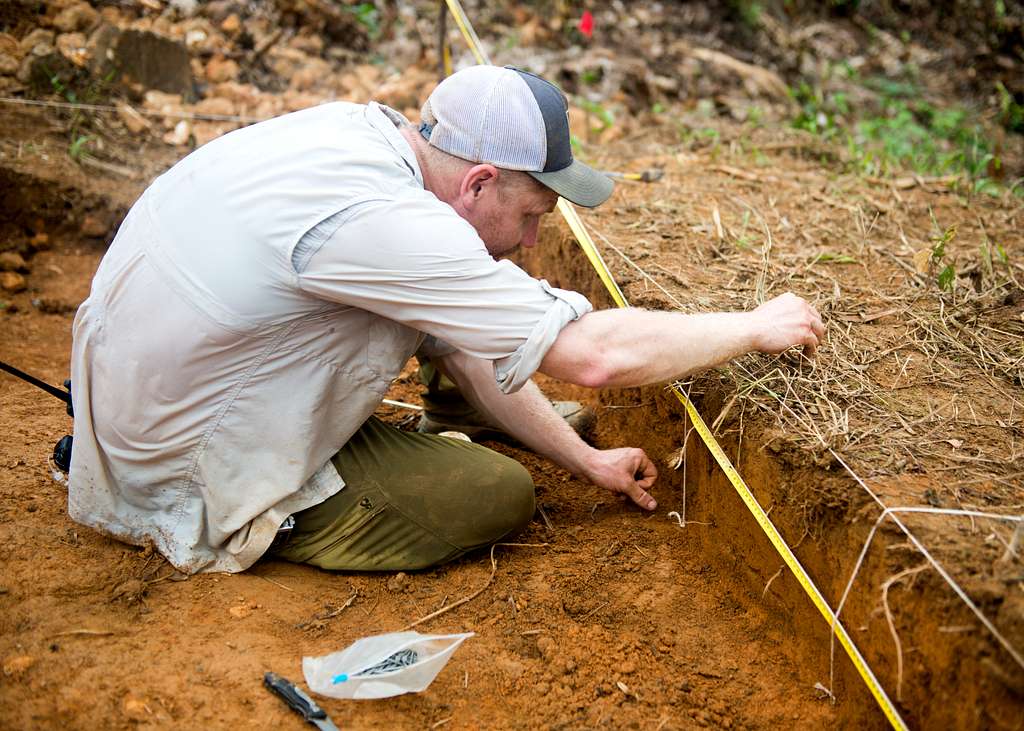
Radiocarbon dating of seeds trapped within the footprint layers revealed the tracks were made more than 21,000 years ago. That pushes back the timeline for human presence in the Americas by several millennia. According to the U.S. Geological Survey, these dates were confirmed by multiple methods, making it one of the oldest known sites of human activity in North America. The prints were likely made along the edge of a shallow lake, where early humans walked across soft mud that later hardened under perfect conditions for preservation.
2. Children’s footprints were the most common found.
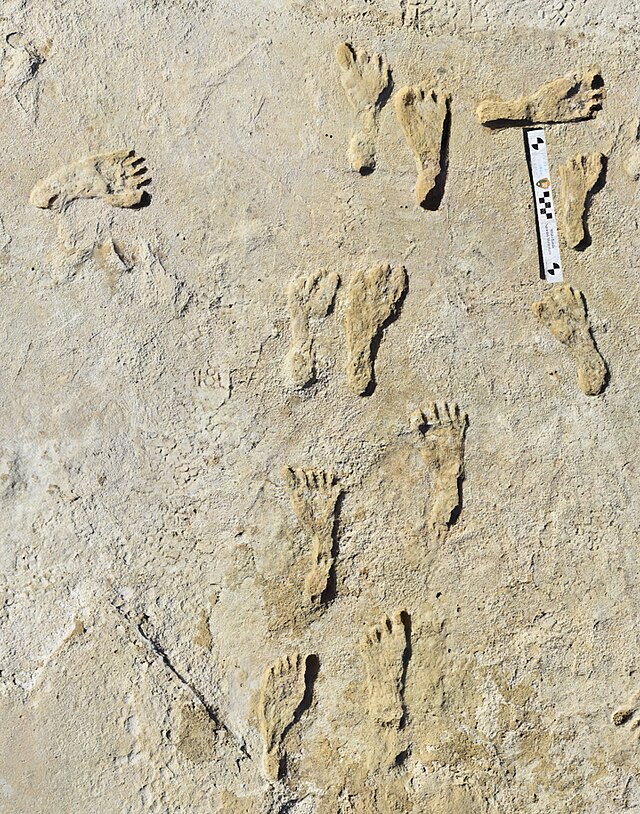
Of the hundreds of human tracks discovered, most belonged to children and teenagers. As discovered by researchers from Bournemouth University, the smaller prints were concentrated along routes frequently crossed by mammoths, giant sloths, and prehistoric camels. Scientists believe the kids may have been playing, exploring, or even helping adults track animals. The distribution suggests a society where children were actively engaged in daily survival, not sheltered from its realities. Their carefree paths cut across the prints of animals that could have easily killed them.
3. Mammoth tracks were found side by side with humans.
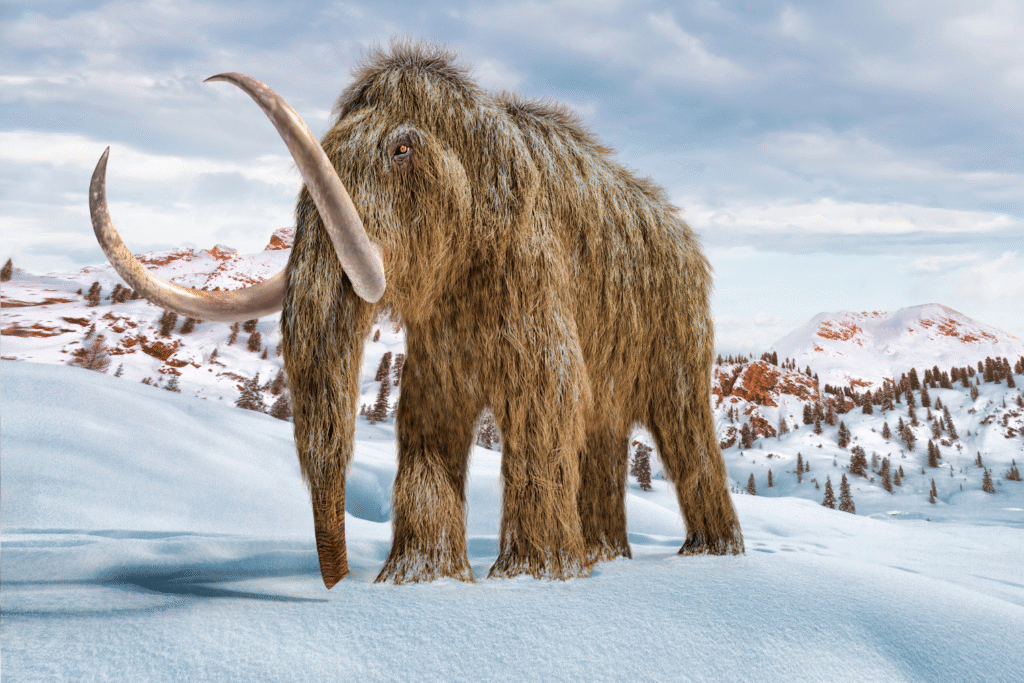
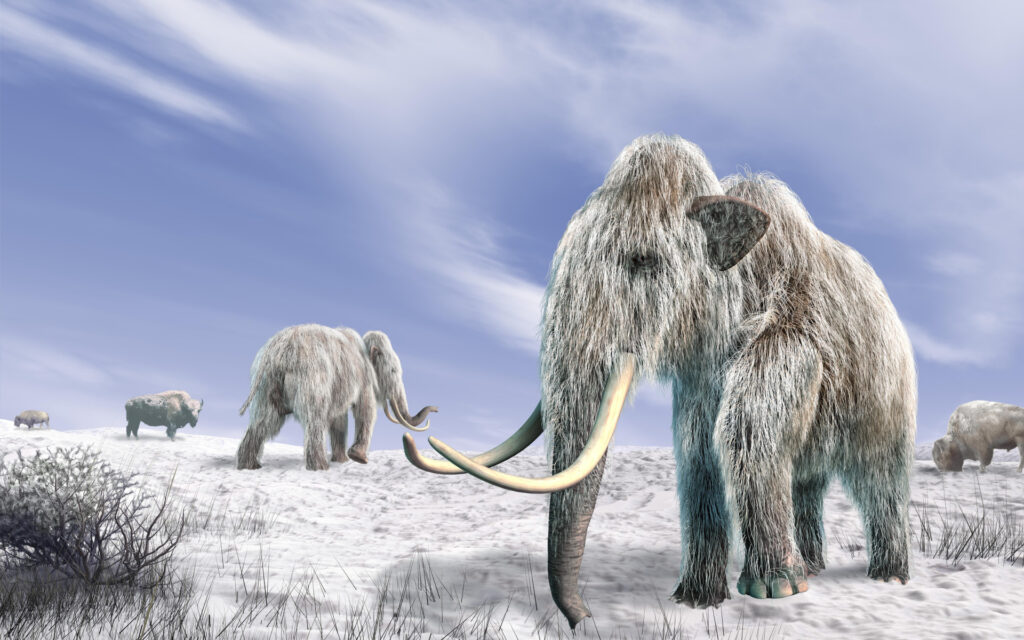
Large circular impressions belonging to Columbian mammoths appeared within the same sediment layers as human prints. As reported by Science magazine, this overlap confirms both species walked the same ground at nearly the same time. Some of the mammoth tracks show signs of stopping or turning, hinting that the massive creatures may have noticed their human neighbors. These shared pathways blur the line between observation and coexistence, revealing that Ice Age humans lived far closer to megafauna than once thought.
4. The footprints show evidence of direction and purpose.
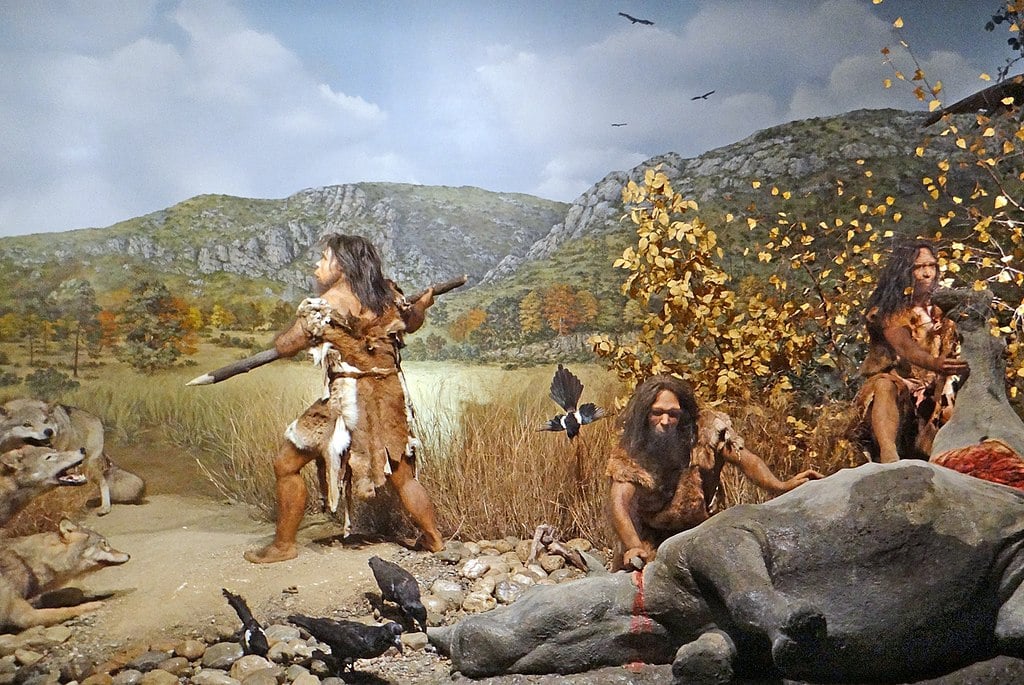
The trackways suggest deliberate movement, people weren’t just wandering randomly. Some prints follow nearly straight paths, while others loop back, showing clear intent. One human trackway spans almost a mile, indicating endurance and familiarity with the landscape. The precision of these paths challenges earlier ideas that early humans were simple foragers passing through. Instead, they may have been navigating territories, coordinating movements, or even following herds with strategy and awareness.
5. Layers of prints reveal generations walked the same route.
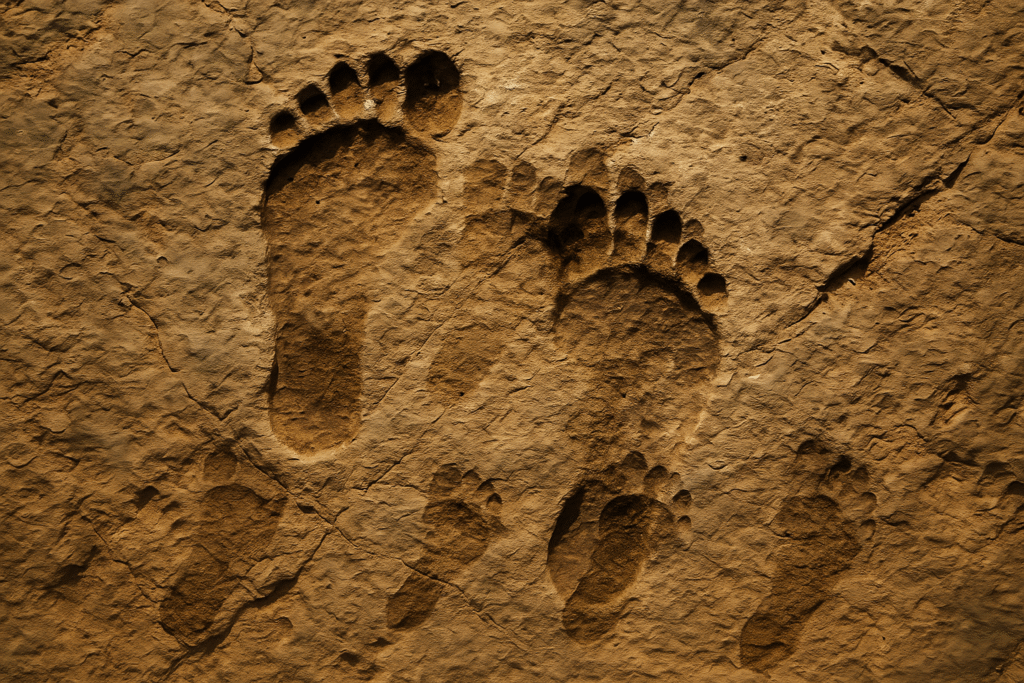
Sediment analysis shows multiple layers of footprints pressed at different times, meaning people returned to this area repeatedly. That continuity implies the location was a well-known route or gathering spot. Each generation literally walked in the footsteps of the last, compressing time into the same patch of mud. It’s an intimate glimpse into long-term settlement rather than temporary passage, a sign that early humans had defined spaces they revisited and possibly revered.
6. Giant sloth prints suggest tense encounters nearby.
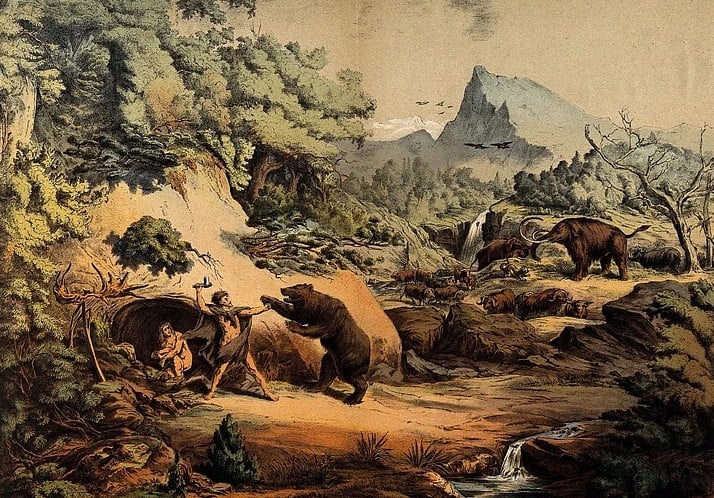
Among the human and mammoth tracks were the clawed impressions of giant ground sloths, animals known for their size and strength. In some places, sloth prints show sudden direction changes or reared-up stances, as if reacting to human presence. This eerie choreography suggests humans and sloths sometimes crossed paths in tense stand-offs. The mixture of predator caution and human bravery speaks to an era when survival meant constant negotiation with nature’s biggest creatures.
7. The footprints were preserved by perfect geological timing.
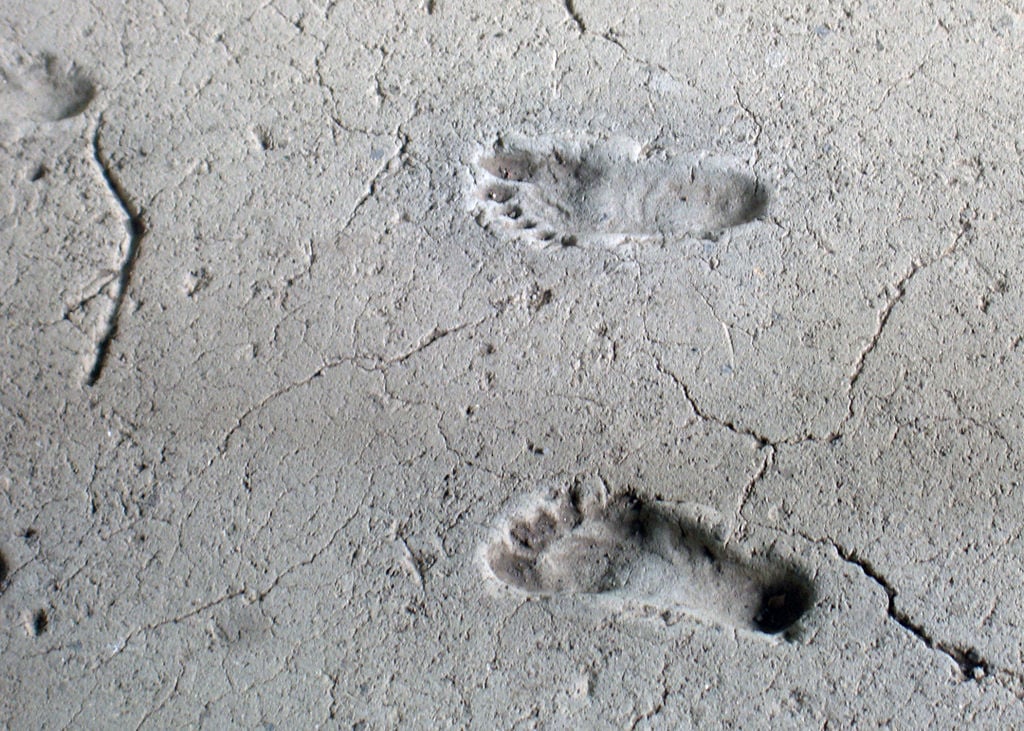
After the prints were made, fine layers of silt and gypsum quickly buried them under shallow water. As the lake dried and refilled over time, each layer hardened, sealing the tracks like pages in a book. That rare combination of moisture and sediment turned fragile impressions into lasting fossils. Without it, the entire record of this fleeting moment, children running near mammoths, would have vanished into dust. Preservation, in this case, was both luck and geological precision.
8. The site reshaped the timeline of human migration.
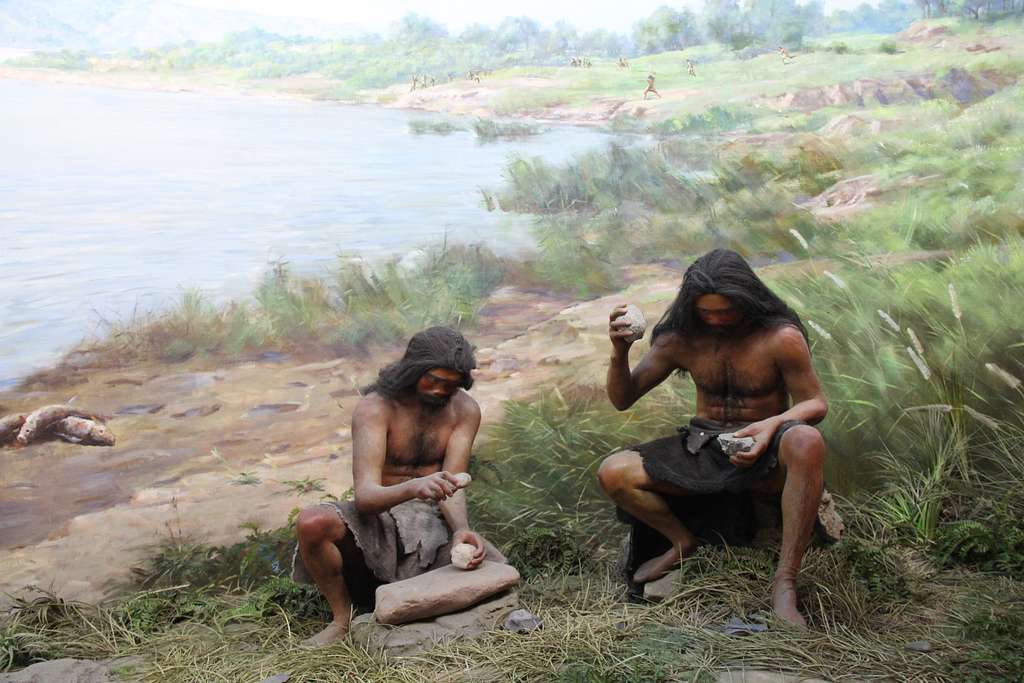
Before White Sands, most experts believed humans didn’t reach North America until roughly 13,000 years ago. These prints shattered that assumption. Their age suggests people were thriving here long before glaciers fully receded. It means human migration likely began during the height of the Ice Age, possibly by coastal routes rather than land bridges alone. This single discovery forced archaeologists to reexamine long-held models of when and how our ancestors spread across the continent.
9. The prints capture moments of play, work, and fear.
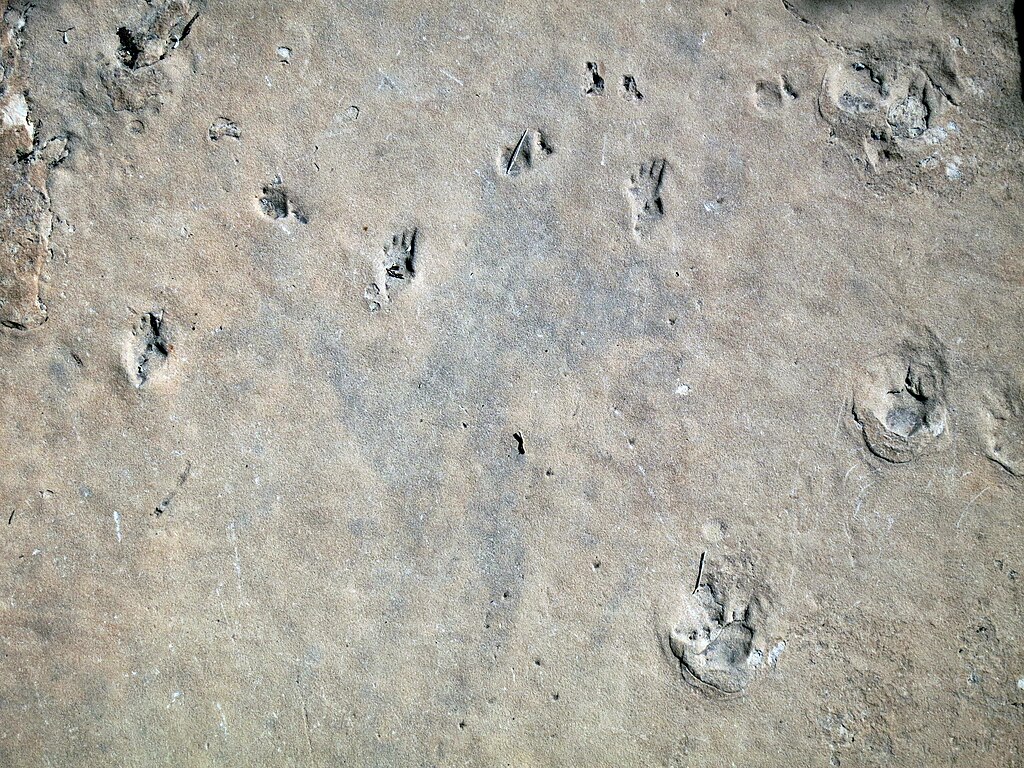
Some tracks show skipping patterns, uneven strides, and sudden stops, movements that hint at laughter or quick dashes of fear. Others show adults walking steadily beside mammoth trails, their heavier steps pressing deeper. The ground becomes a frozen film reel, replaying a day that once felt ordinary to those who lived it. It’s a reminder that behind every ancient discovery lies something profoundly familiar: families, curiosity, and the pulse of everyday life under an enormous, unpredictable sky.
10. These tracks are the closest thing to time travel we have.
Standing where those prints still ripple through hardened earth feels like watching time pause mid-breath. You can see where a child stumbled, where a mammoth turned, where both left evidence of shared existence. No artifact captures humanity’s early story as personally as footprints do. They aren’t tools or bones, they’re movement itself, still echoing after 21,000 years. And somewhere in those steps, science meets empathy, bridging the gap between the people we were and the world we inherited.