
Hidden submarine giants reshape our understanding of Earth’s depths.

A remarkable discovery beneath the Atlantic Ocean has revealed enormous chimney-like structures rising from the seafloor, and the implications are quietly enormous. These deep-sea towers challenge existing models of hydrothermal vent systems and hint at geological and biological processes we’ve only just begun to grasp. Imagine drifting over an ocean realm where the planet’s inner workings build monumental formations, and realizing we’re still mapping the unknown on our own planet, as reported by the U.S. National Science Foundation.
1. The chimneys tower far higher than expected.

When researchers revisited the Lost City Hydrothermal Field, they were stunned to find carbonate chimneys reaching roughly 180 feet in height, nearly doubling previous expectations. The tallest structure, nicknamed Poseidon, stands about 60 meters high and over 100 meters wide. In the middle of the Atlantic, these monumental pillars form from mineral-rich fluids venting through ancient crust, creating alien-looking towers in total darkness. According to the U.S. National Science Foundation, their scale has redefined how scientists measure vent systems and the time required to build them through slow mineral deposition.
2. Their formation breaks the usual hydrothermal mold.
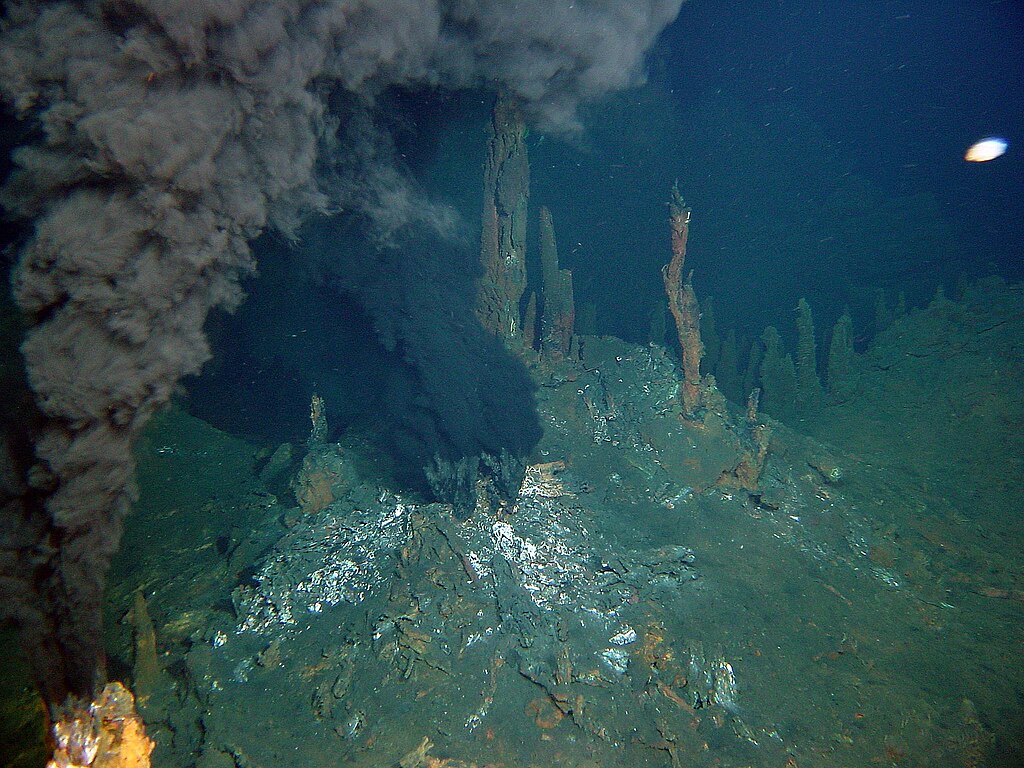
Instead of magma-heated seawater reacting with basalt, these chimneys form through a unique process known as serpentinization, where seawater infiltrates deep ultramafic rocks and triggers hydrogen- and methane-producing reactions. This chemistry leads to carbonate-rich “white smoker” towers rather than the darker, sulfur-heavy vents we typically associate with volcanic zones. Scientists were initially puzzled by their chemical profile and lack of magma below. The explanation arrived later, as stated by researchers involved in the original discovery at the University of Washington, who confirmed the site’s mantle-based origin rather than a volcanic one.
3. The life around them rewrites our idea of vent ecosystems.

At first glance, the site seemed barren—no colorful tubeworms or shrimp swarms typical of black smokers. Yet under closer inspection, biologists found a thriving microbial world clinging to the carbonate spires. These microbes live off hydrogen and methane rather than sulfur, showing that life can adapt to entirely different chemical foundations. As reported by Nature, this ecosystem revealed that low-temperature vents could sustain robust, long-lived communities, proving that extreme life isn’t limited to the dramatic heat plumes that get most of the attention.
4. The discovery hints that many more fields exist unseen.

Researchers now believe Lost City–type systems could be far more common than previously thought. Because they form in areas without volcanic heat, they often escape detection by conventional surveys that rely on temperature and plume sensors. This realization has opened a new frontier of exploration along mid-ocean ridges and fault zones where mantle rocks meet seawater. If these quiet systems are widespread, the deep ocean’s unseen chemistry could be far richer and more complex than we’ve imagined.
5. They reveal a new path for heat and chemicals.
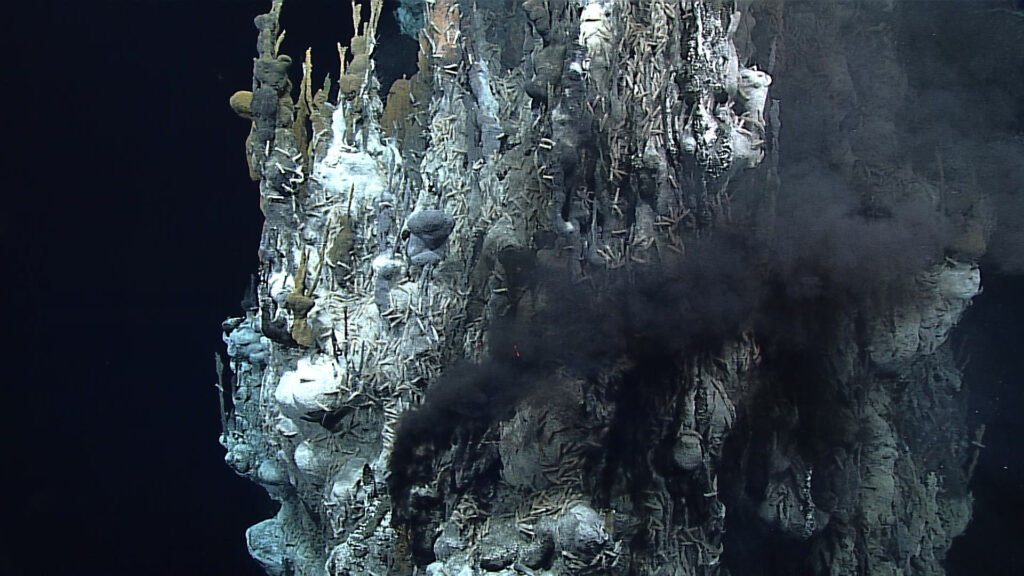
Unlike magma-driven vents, these structures act as a subtle but steady release valve for Earth’s interior energy. They transfer hydrogen, methane, and carbonate into the ocean at moderate temperatures over immense timescales. Geochemists now suspect these reactions may represent an overlooked portion of Earth’s heat flow. The slow yet persistent cycling of minerals between crust and ocean underscores just how dynamic the planet’s “breathing” beneath the waves really is.
6. They may echo the chemistry that first sparked life.

Hydrogen-rich, alkaline environments like Lost City mirror conditions that may have existed on early Earth billions of years ago. Scientists theorize that prebiotic molecules could have formed inside mineral-lined pores similar to these chimneys, providing natural compartments for early metabolism. The resemblance between ancient Earth’s chemistry and these modern vents has made them a leading model for how life might have begun—not in fiery volcanoes, but in the quiet, mineral-rich darkness of the sea.
7. These findings expose blind spots in our exploration tools.

Because Lost City vents don’t emit hot plumes or strong metal signatures, many oceanographic instruments fail to detect them. That means hundreds of similar formations could lie undiscovered, silently venting gases and minerals across vast ridge systems. It’s a humbling reminder that our most advanced technology still struggles to map the true complexity of the seafloor.
8. The chimneys’ minerals may hold industrial insights.

The carbonate formations contain traces of nickel, cobalt, and other elements that precipitate during fluid-rock reactions. Understanding their slow buildup could inspire cleaner methods for mineral capture or carbon sequestration on land. Each towering chimney, in effect, records a geological diary of fluid chemistry over tens of thousands of years.
9. They reshape the ecology of the deep Atlantic.
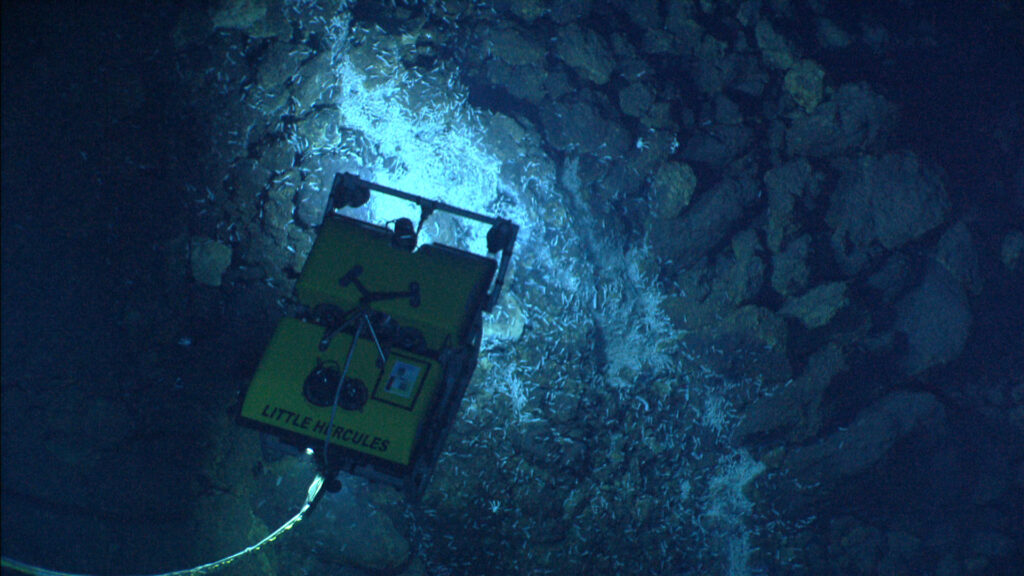
These vents don’t just alter chemistry—they influence the deep-sea food web. The hydrogen and methane released here support microbial life that, in turn, becomes the base for small grazers and scavengers. Because Lost City systems persist for millennia, they act as enduring islands of productivity in an otherwise barren landscape.
10. The discovery sets a new course for ocean science.
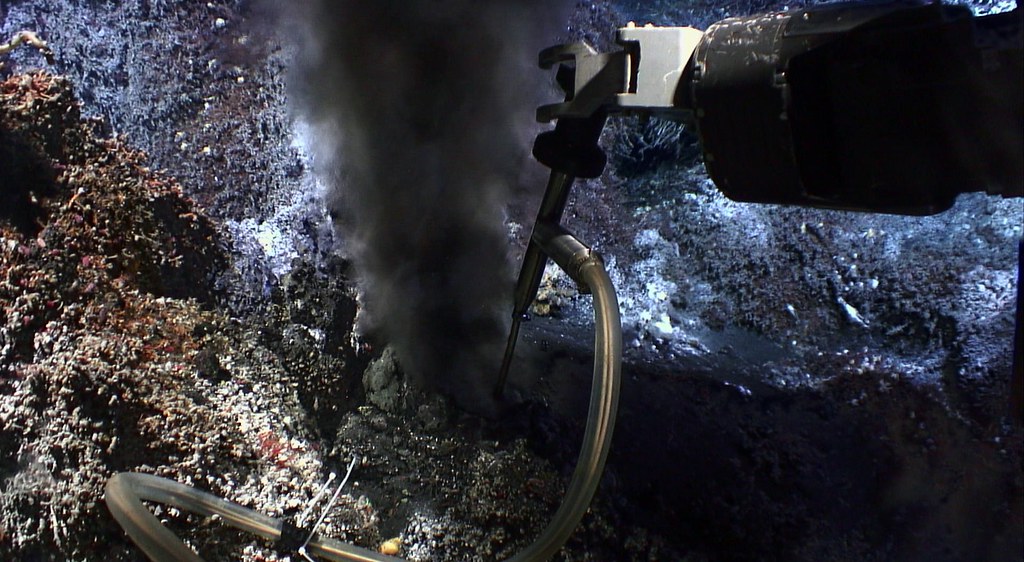
Future missions are now targeting similar structures across the world’s oceans. Mapping them requires autonomous submarines, sensitive sensors, and international collaboration. Each new field discovered is not just a data point—it’s another piece of the story of how Earth recycles itself in silence. And somewhere beneath another ridge, more of these immense chimneys are likely waiting to be found.