
A fragile fossil is forcing a timeline rethink.
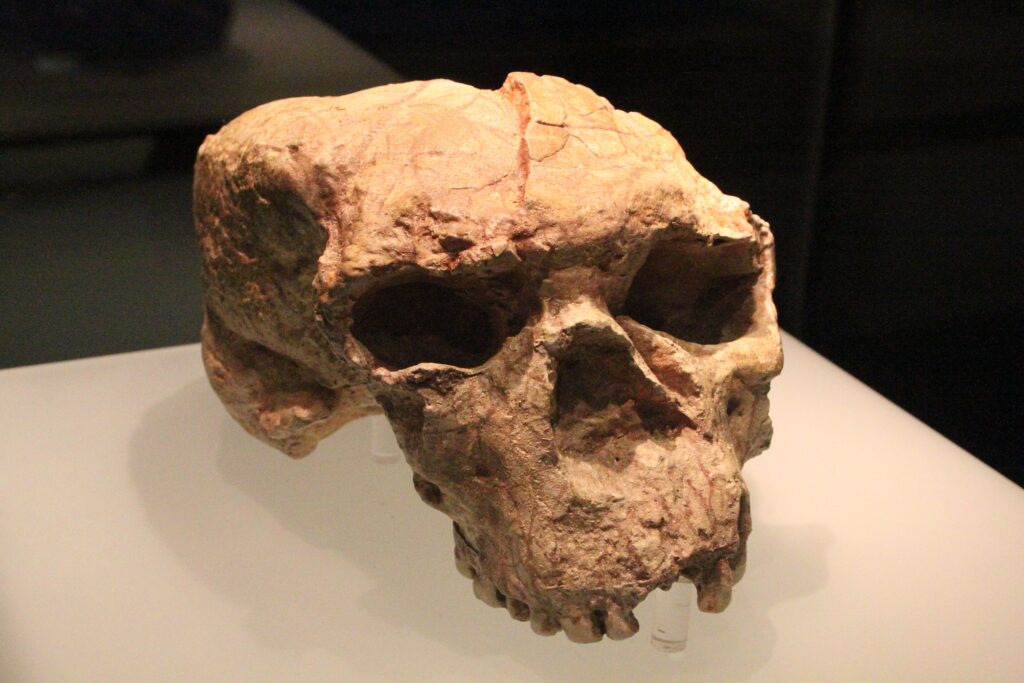
In central China, a human skull fragment known as Yunxian Two has returned to the center of scientific debate decades after its discovery. New analysis suggests it may be far older than previously believed, potentially exceeding one million years in age. If confirmed, the finding would reshape ideas about early human migration across Asia. The skull’s condition, location, and dating history all raise difficult questions. What researchers thought they understood about early humans in East Asia may no longer hold.
1. The skull emerged from river sediments unexpectedly.

The Yunxian Two skull was uncovered in 1989 along the Han River in Yunxian County, Hubei Province, during construction work. The fossil appeared fragmented and compressed, making early assessment difficult. Its context suggested great age, but precise placement in human history remained uncertain.
Initial studies focused on morphology rather than absolute dating. According to Nature, later reanalysis of surrounding sediments revealed magnetic reversals consistent with an age exceeding one million years. That finding reopened long standing debates about when early humans reached East Asia.
2. Dating methods produced conflicting early age estimates.
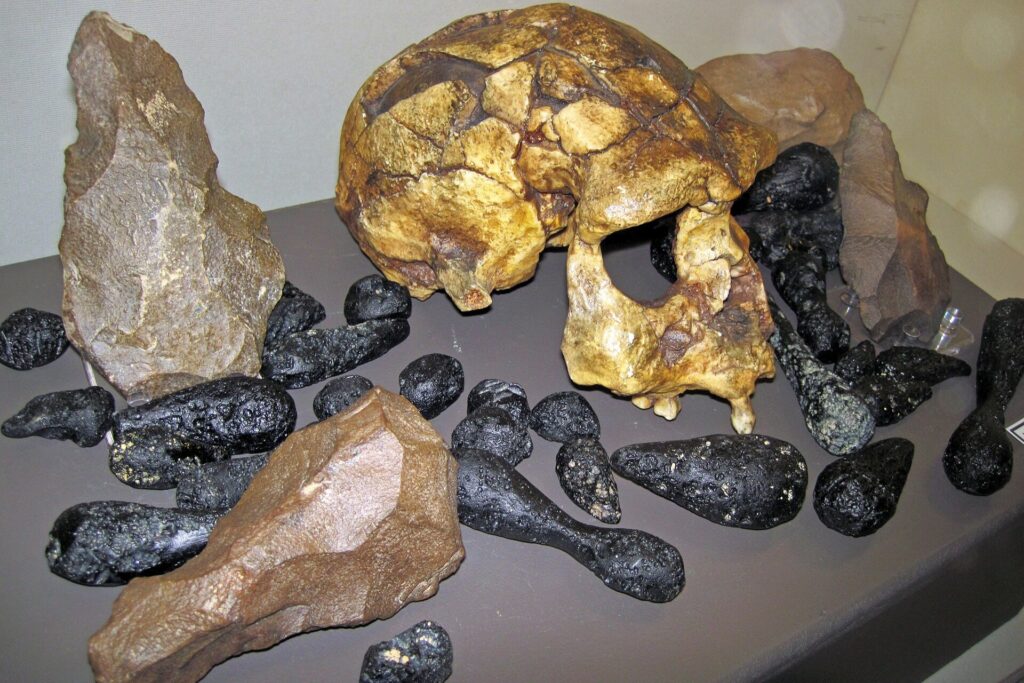
For years, estimates placed Yunxian Two at around eight hundred thousand years old. These figures aligned comfortably with other Homo erectus finds in China. However, the methods relied on stratigraphic assumptions that later proved incomplete.
More recent work applied paleomagnetic analysis to sediment layers encasing the skull. As reported by Science, these layers correspond to an earlier magnetic epoch. The mismatch forced researchers to reconsider timelines previously treated as settled across paleoanthropology.
3. The skull shows a blend of primitive features.
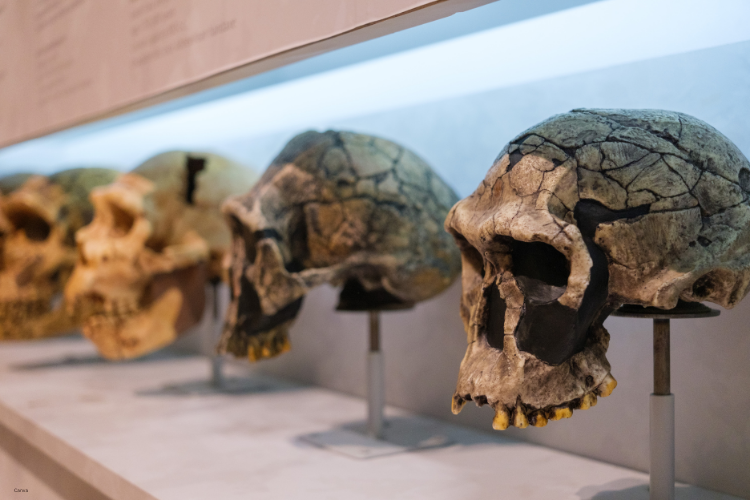
Yunxian Two displays thick cranial bones and a low braincase, traits associated with early Homo species. At the same time, certain facial proportions appear more derived, complicating classification.
Researchers caution against drawing firm conclusions from incomplete remains. As stated by the Chinese Academy of Sciences, deformation from geological pressure may distort original shape. This uncertainty fuels debate over whether the skull represents regional variation or an earlier migration wave entirely.
4. Its age challenges models of human dispersal.

If Yunxian Two truly exceeds one million years, it implies humans reached East Asia much earlier than many models allow. This would push dispersal events closer to the earliest African expansions.
Such timing raises questions about adaptation. Early humans would have faced unfamiliar climates and ecosystems. The skull suggests survival strategies existed long before previously assumed, hinting at behavioral flexibility still poorly understood.
5. The site context complicates interpretation further.

The Yunxian fossils were recovered from river deposits, not a habitation site. Flooding and sediment movement may have displaced remains from their original location.
This complicates association with tools or fire use. Without cultural materials, researchers must rely heavily on geological context. That dependence increases uncertainty, even as the skull’s potential age grows more significant within human evolutionary research.
6. Preservation conditions shaped what scientists can observe.
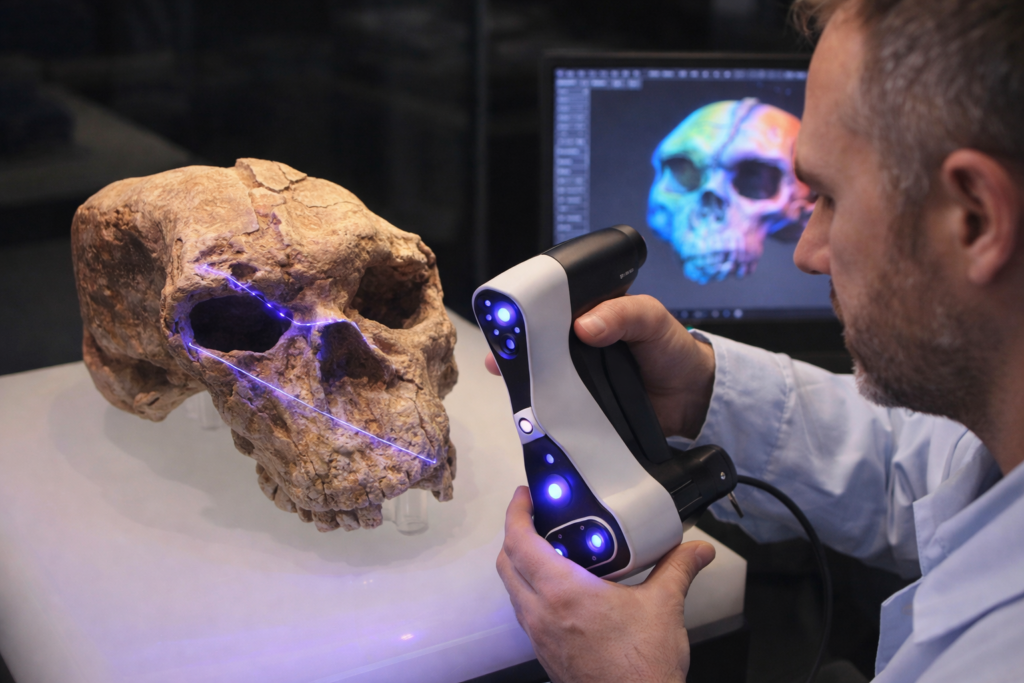
Yunxian Two was crushed and flattened by sediment pressure over immense time. This deformation complicates reconstruction, leaving researchers to infer original shape from fragments. Small errors could shift interpretations dramatically.
Advanced imaging now allows virtual reconstruction without physical manipulation. These techniques reveal internal structure while accounting for distortion. Even so, uncertainty remains about fine anatomical details, keeping classification debates open and preventing definitive conclusions about species placement or evolutionary relationships.
7. Comparisons with other Chinese fossils raise tensions.
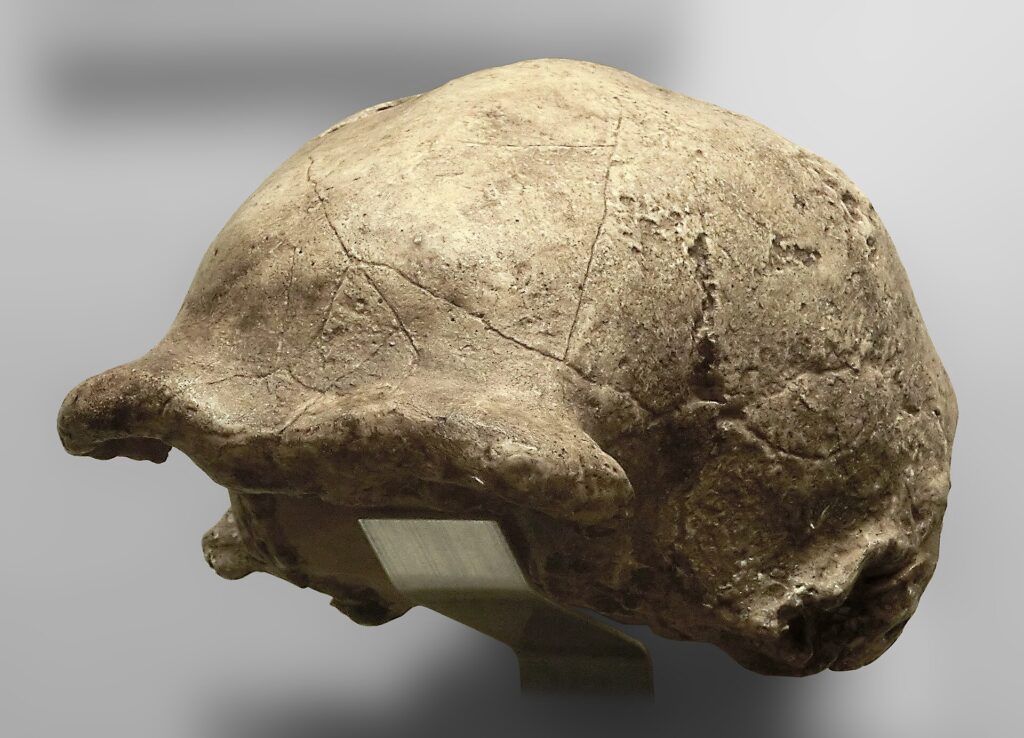
China hosts several early human fossils, including Zhoukoudian and Lantian specimens. Yunxian Two does not fit neatly among them. Its features overlap yet diverge in puzzling ways.
Some researchers argue this reflects regional diversity within Homo erectus. Others suggest multiple migration waves into East Asia. The skull’s possible age intensifies this debate, implying coexistence or succession patterns not yet resolved in the fossil record.
8. Tool associations remain frustratingly absent.
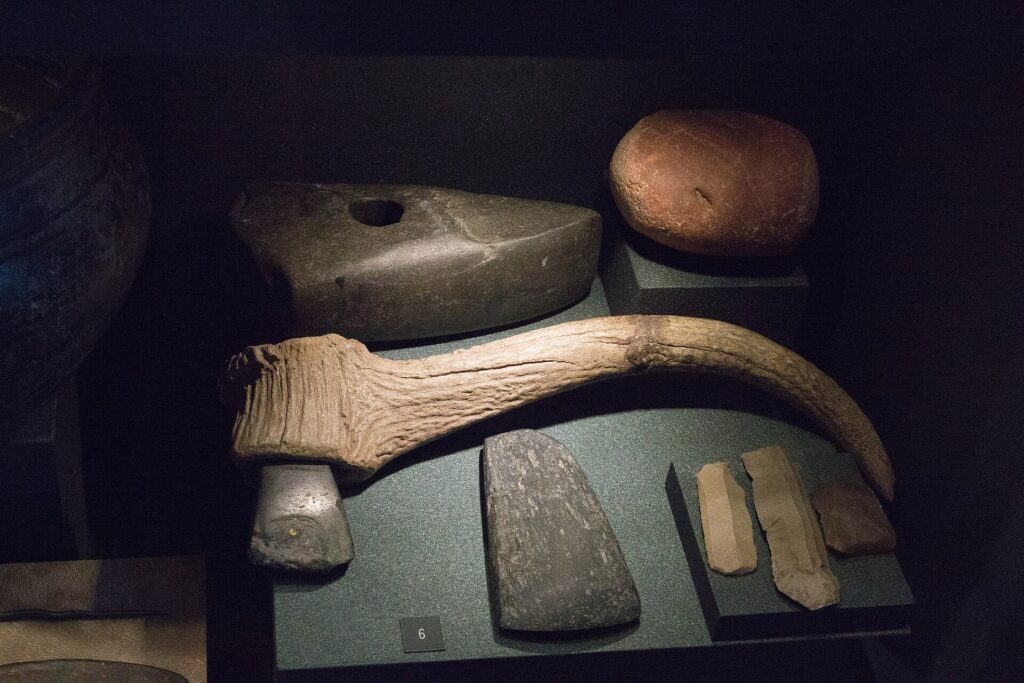
Unlike some early human sites, Yunxian yielded no stone tools directly associated with the skull. This absence limits behavioral interpretation and fuels skepticism.
However, riverine contexts often erase fragile artifacts. Flood transport can separate bones from tools. Researchers caution that absence of evidence here does not equal absence of technology, but it prevents confident claims about behavior.
9. Climate history adds another layer of uncertainty.

One million years ago, East Asia experienced shifting climates with alternating warm and cold phases. Survival required adaptability across changing environments.
If Yunxian Two belongs to that era, it implies early humans endured fluctuating conditions long before previously thought. This raises questions about diet, mobility, and social organization that fossils alone cannot yet answer.
10. The skull forces reassessment of African timelines.
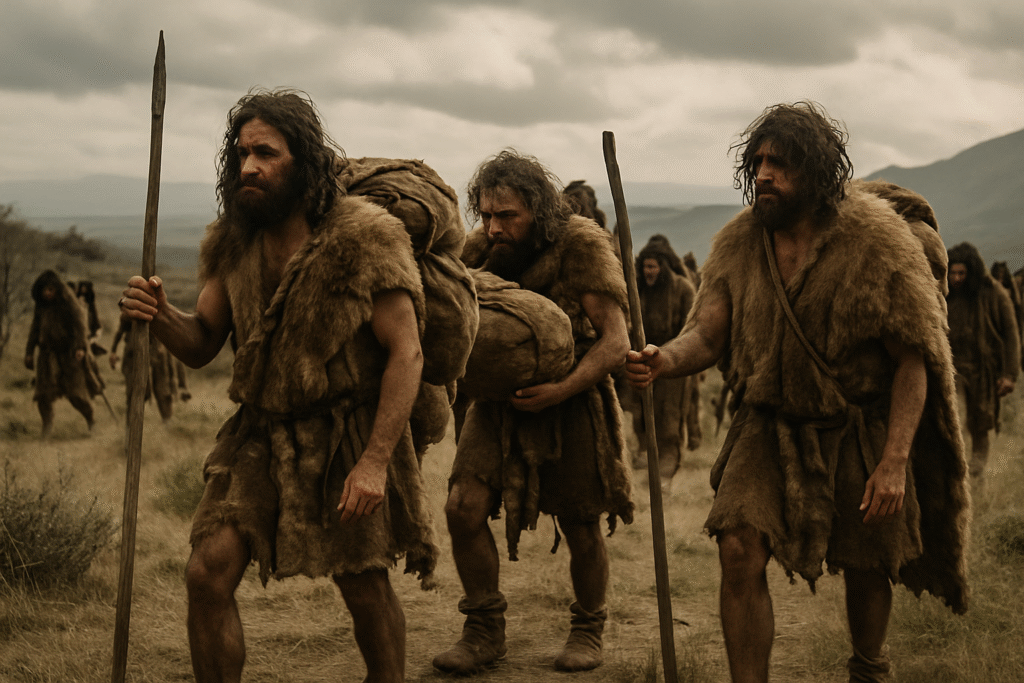
Traditional models place early Homo expansion out of Africa closer to nine hundred thousand years ago. An older Yunxian fossil compresses that timeline.
Earlier dispersal would mean rapid movement across continents. Scientists debate whether current African fossils support such speed. Yunxian Two pressures researchers to reexamine African evidence once considered securely dated.
11. Future analysis may shift conclusions again.
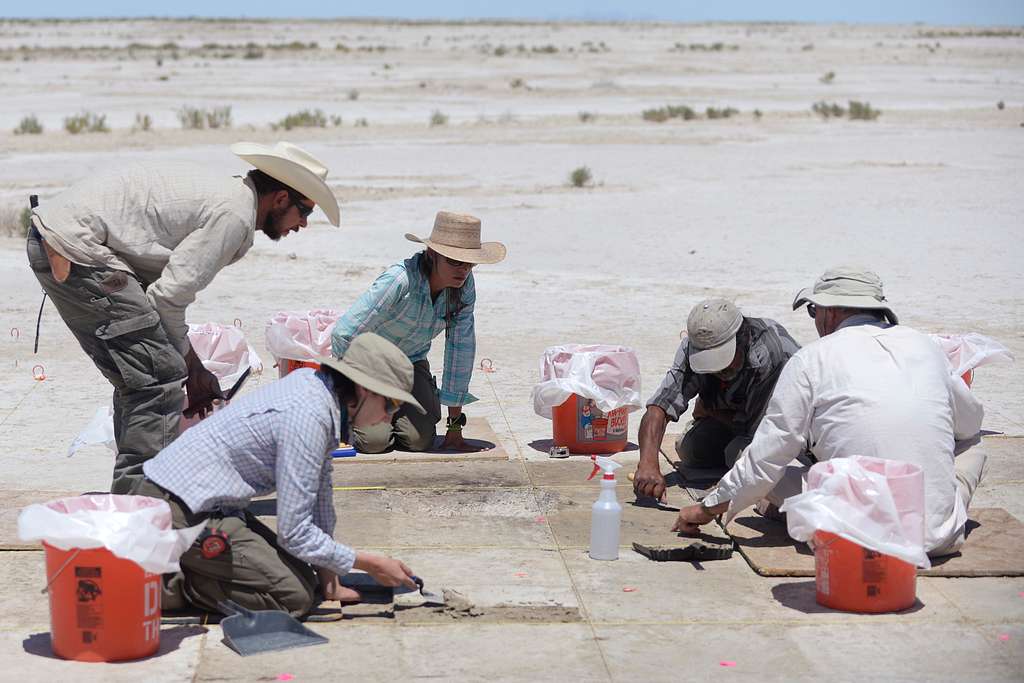
Ongoing sediment studies and improved dating techniques could refine Yunxian Two’s age further. Small adjustments may carry large implications.
As methods advance, interpretations may change. For now, the skull stands as a reminder that human evolutionary history remains incomplete, shaped by fragmentary evidence that continues to challenge certainty and reward careful skepticism.