
The past may not be as buried as we thought when it comes to Earth’s biggest systems.
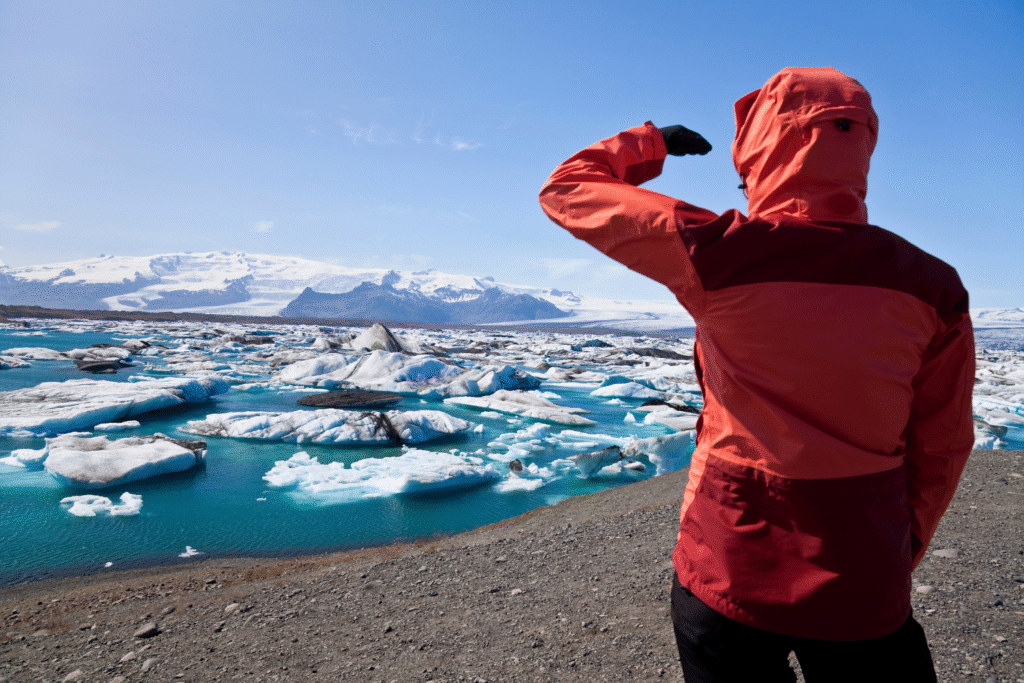
For decades, scientists treated certain planetary systems as stable—slow-moving, predictable, maybe even dormant. That sense of permanence lulled us into thinking they wouldn’t stir in our lifetimes. But new measurements suggest the sleeping giants of the climate are stirring again.
From ancient ice to methane locked under permafrost, these forces are showing signs of reawakening. The data doesn’t whisper; it pulses with urgency. Each shift feels small in isolation, yet together they paint a picture of a world edging closer to thresholds once considered unimaginable.
1. Greenland’s ice sheet is shedding water faster than expected.
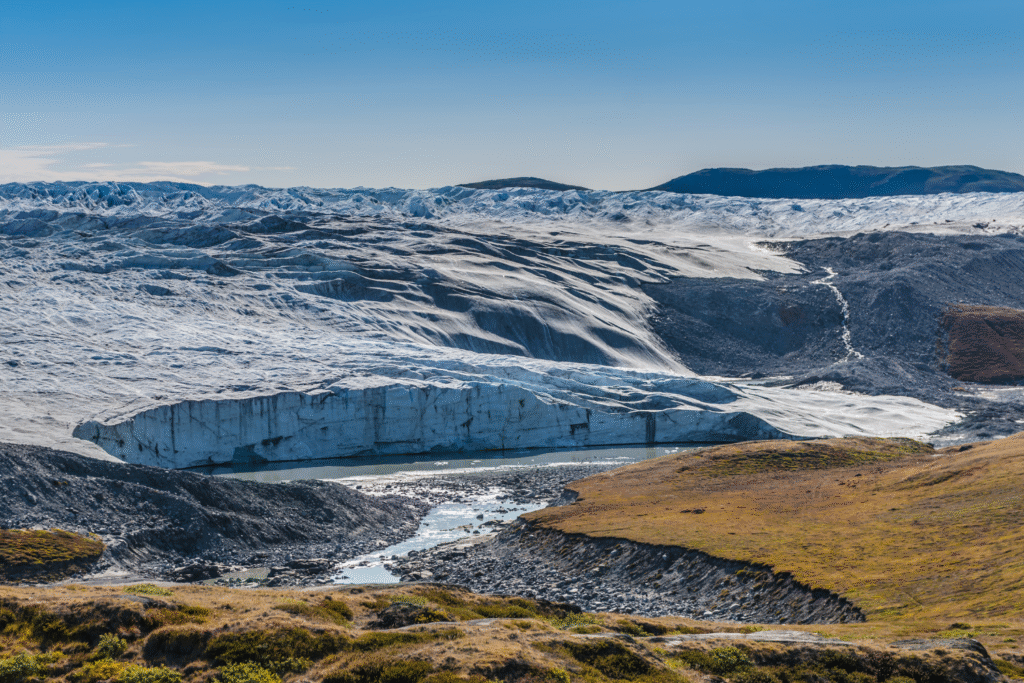
Recent satellite readings show Greenland’s surface melt accelerating beyond projections. According to NASA’s Earth Observatory, the island lost more than 270 billion metric tons of ice annually in the last two decades. That loss alone has contributed measurable inches to global sea level.
The striking part is not just the volume but the speed. Melt seasons are starting earlier and lasting longer, with rivers of blue water carving the surface like veins. Scientists argue that once ice sheet melt reaches a certain momentum, it’s nearly impossible to reverse. The wake-up call comes not from dramatic collapse, but from the relentless drip becoming a flood.
2. Arctic permafrost is thawing and releasing buried carbon.
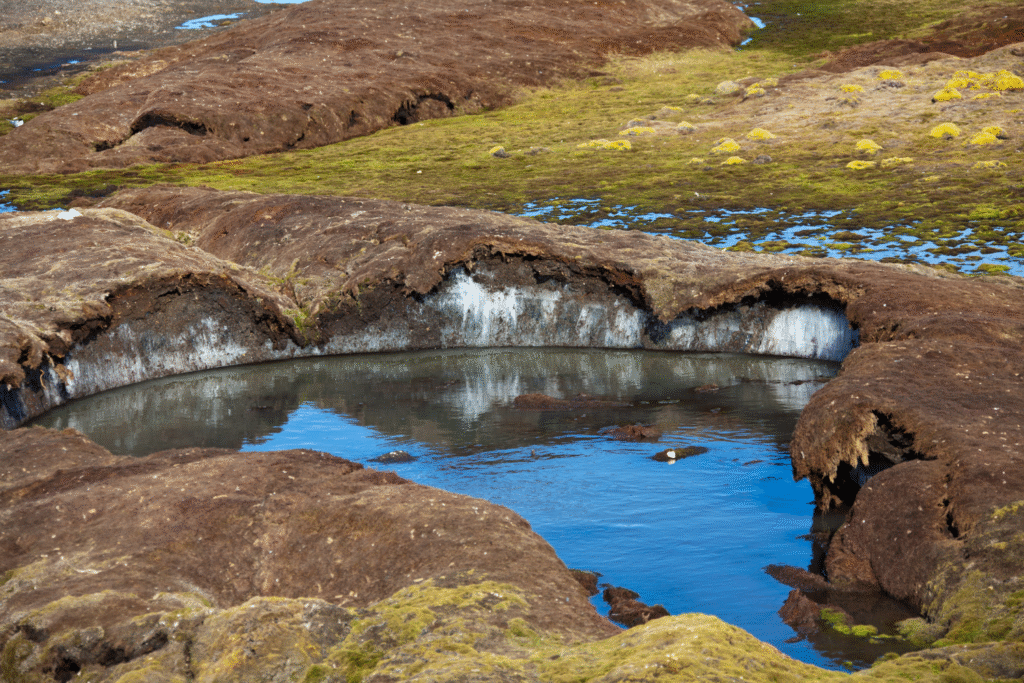
Across Siberia and Alaska, soils that stayed frozen for tens of thousands of years are softening. Microbes wake as the ground warms, breaking down ancient organic matter. That decay releases methane and carbon dioxide, potent greenhouse gases that amplify warming. As discovered by the National Snow and Ice Data Center, thawing permafrost could release up to 150 billion tons of carbon by 2100.
The chain reaction is unnerving. More greenhouse gases heat the air, which accelerates further thaw, creating feedback loops difficult to stop. Entire landscapes slump and fracture, leaving homes and infrastructure collapsing along with the ground. The frozen past is proving it never truly died.
3. The Amazon rainforest edges toward a tipping point.
New research shows the Amazon absorbing less carbon while releasing more through fire and deforestation. Studies cited by the World Resources Institute reveal that some sectors of the forest now emit more carbon than they store. That flips its role from carbon sink to carbon source—a fundamental change in Earth’s balance.
The consequences stretch far beyond South America. The Amazon influences rainfall patterns across the globe, and destabilization could ripple into crop failures in Africa and monsoons in Asia. The giant may be rooted in one continent, but its pulse drives weather systems far beyond its borders. What once seemed like infinite resilience now shows cracks.
4. The Atlantic Ocean’s circulation shows early signs of slowing.
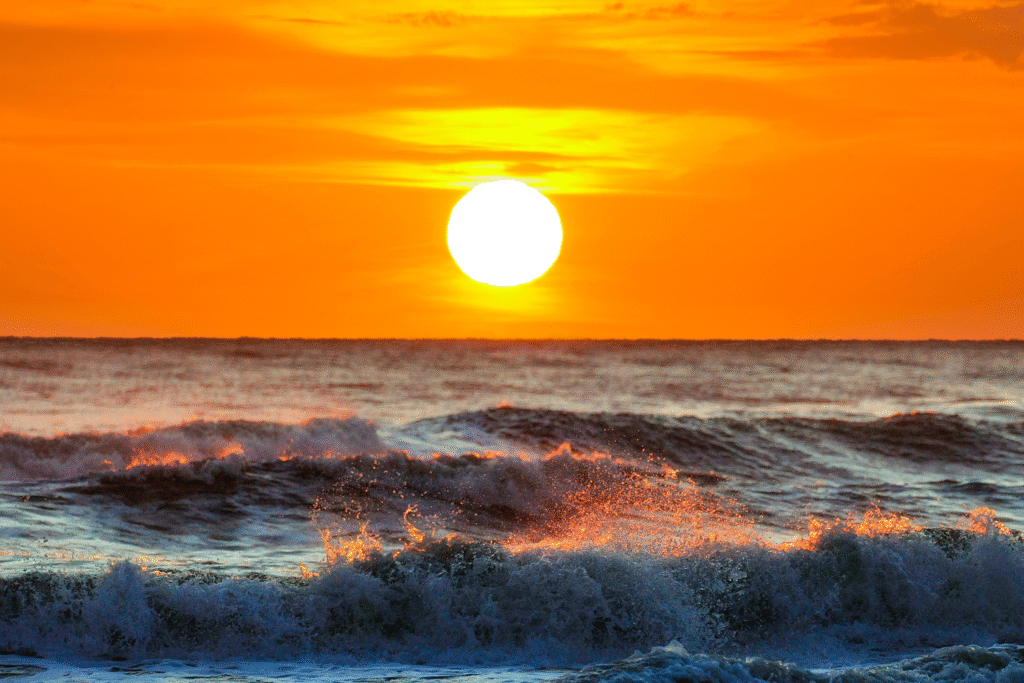
The Atlantic Meridional Overturning Circulation, the conveyor belt that moves warm water north and cold water south, has weakened measurably in recent decades. Scientists warn that if it continues, weather across Europe, West Africa, and the Americas could shift dramatically. The slowdown is linked to Greenland’s meltwater freshening the North Atlantic.
For centuries, this current stabilized climates on both sides of the ocean. If it falters, hurricanes could strengthen, droughts might intensify, and winters in Europe could grow harsher. The potential for upheaval lies not in a sudden stop but in the gradual weakening of a rhythm that underpins global weather.
5. Antarctica’s Thwaites Glacier is destabilizing at its edges.
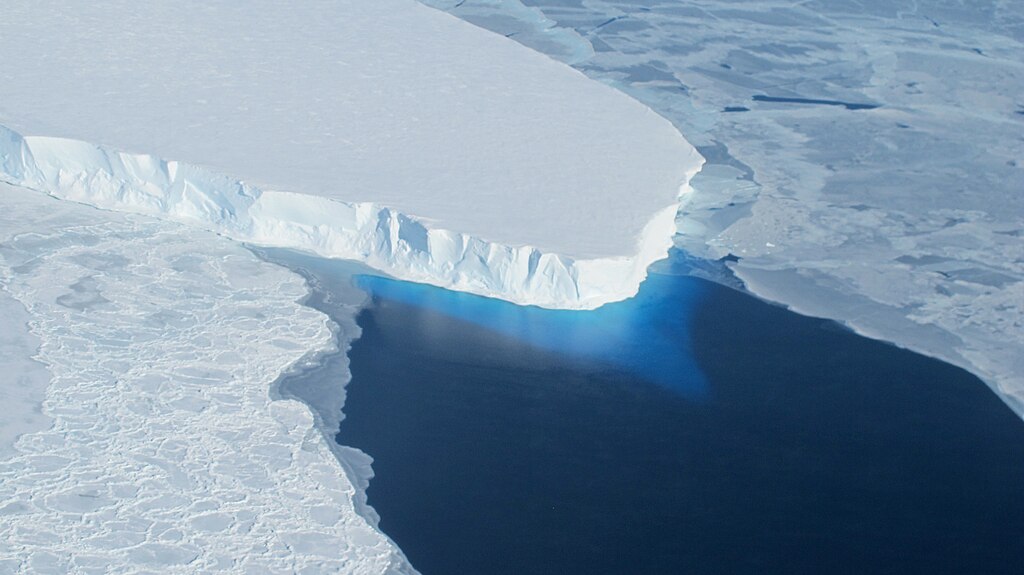
Nicknamed the Doomsday Glacier, Thwaites is cracking at its grounding line where ice meets seabed. Once this line retreats, huge sections of ice can accelerate into the ocean. Researchers estimate its collapse could raise sea levels by two feet, with knock-on effects if surrounding glaciers follow.
Unlike Greenland, the warning signs here are hidden beneath kilometers of ice and water. Instruments lowered below the shelf detect warm ocean currents gnawing away at the base. Each new expedition confirms the ice is not as immovable as we once assumed, making this giant one of the most closely watched on Earth.
6. Methane bubbles are rising through thawing Arctic lakes.
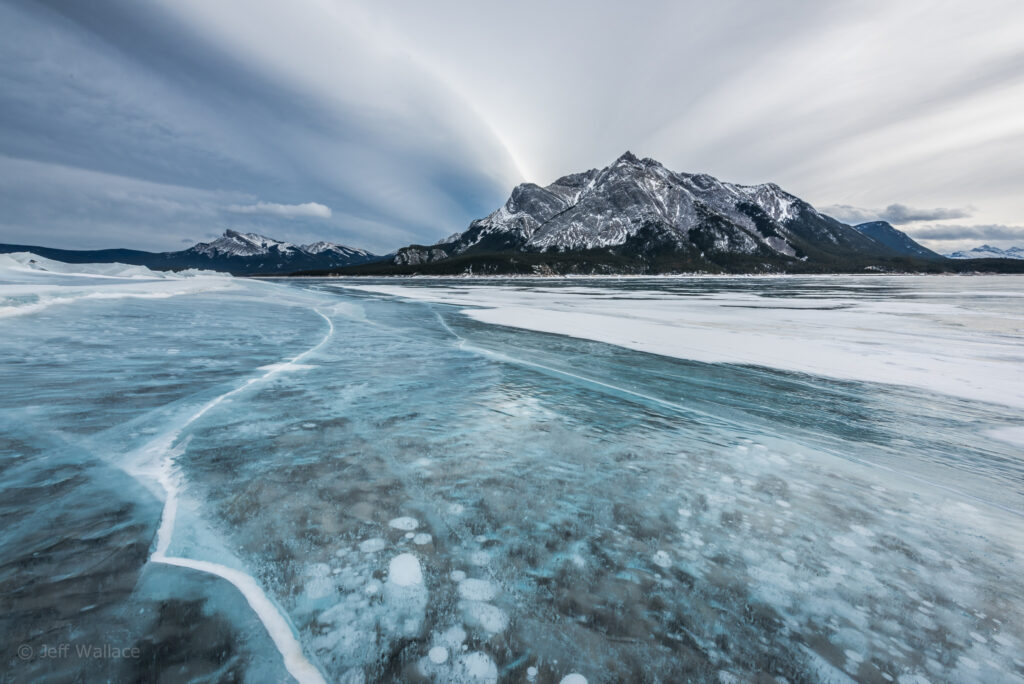
In northern Russia and Canada, thawing permafrost beneath lakes is releasing methane in explosive bursts. Fishermen describe patches of water that bubble constantly, sometimes igniting when lit. These seeps represent greenhouse gases that were trapped for millennia, now escaping in plumes.
Unlike slow drips, these releases occur in surges. Satellite sensors even detect hotspots glowing in winter when ice should seal the surface. Each eruption is small, but collectively they add another pulse of heat-trapping gases to an already overburdened atmosphere. The feedback accelerates, and the once silent lakes now speak in bubbles.
7. Coral reef systems are bleaching in rapid succession.
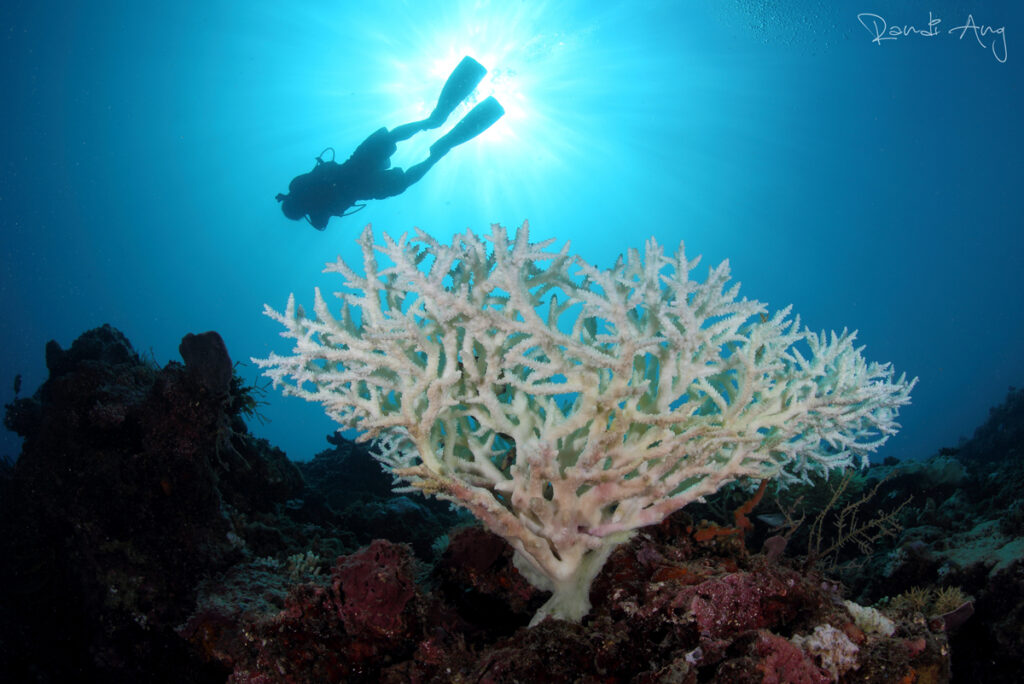
The world’s largest reef structures, from the Great Barrier Reef to Florida’s Keys, have endured multiple bleaching events within a single decade. Normally, corals recover after stress. But repeated heatwaves give them no time to heal, leaving skeletons where ecosystems once thrived.
Reefs act as nurseries for fisheries and as storm barriers for coastlines. Their collapse removes food security and natural protection for millions of people. What was once a slow-motion decline has sped up into a crisis pace, signaling another climate giant losing its stability. The ocean’s thermostat is already running hot, and reefs cannot match its tempo.
8. Mega-droughts are gripping the American West.
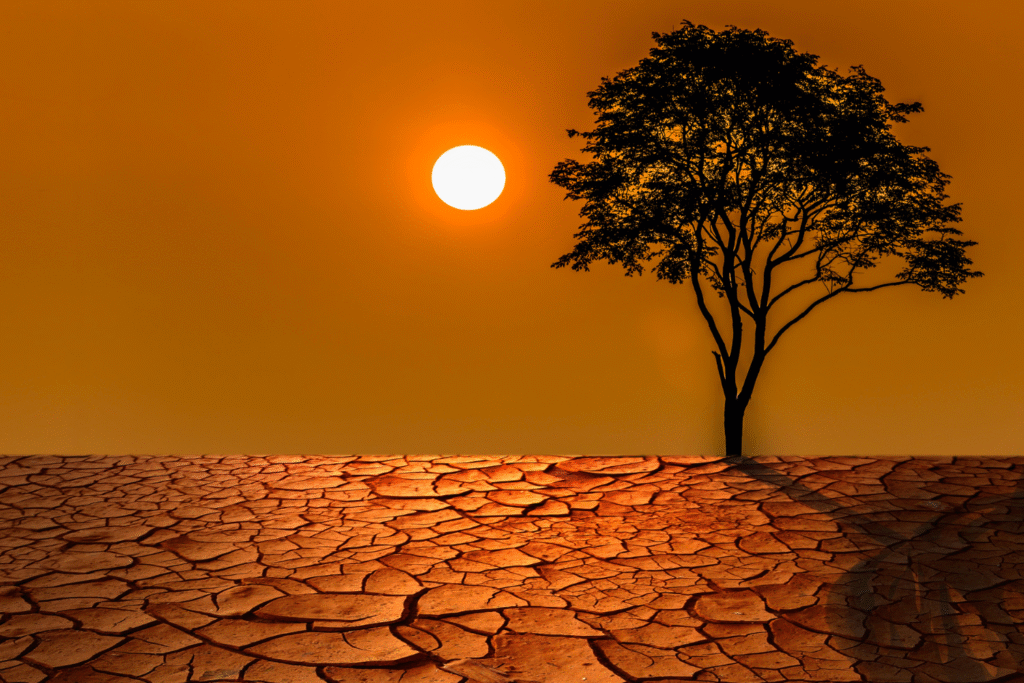
Tree ring studies show the current drought in the western United States is the worst in more than 1,200 years. Rivers like the Colorado run at record lows, threatening water supplies for tens of millions. Reservoirs shrink into bathtubs, exposing cracked earth where water once stood.
This is not just a weather fluctuation. Warming amplifies evaporation, locking the region into long-term dryness. Agriculture, hydropower, and daily drinking water all strain under the same stress. What looks like drought today could calcify into a permanent arid shift, reshaping the entire geography of life in the region.
9. Himalayan glaciers are shrinking at alarming speed.
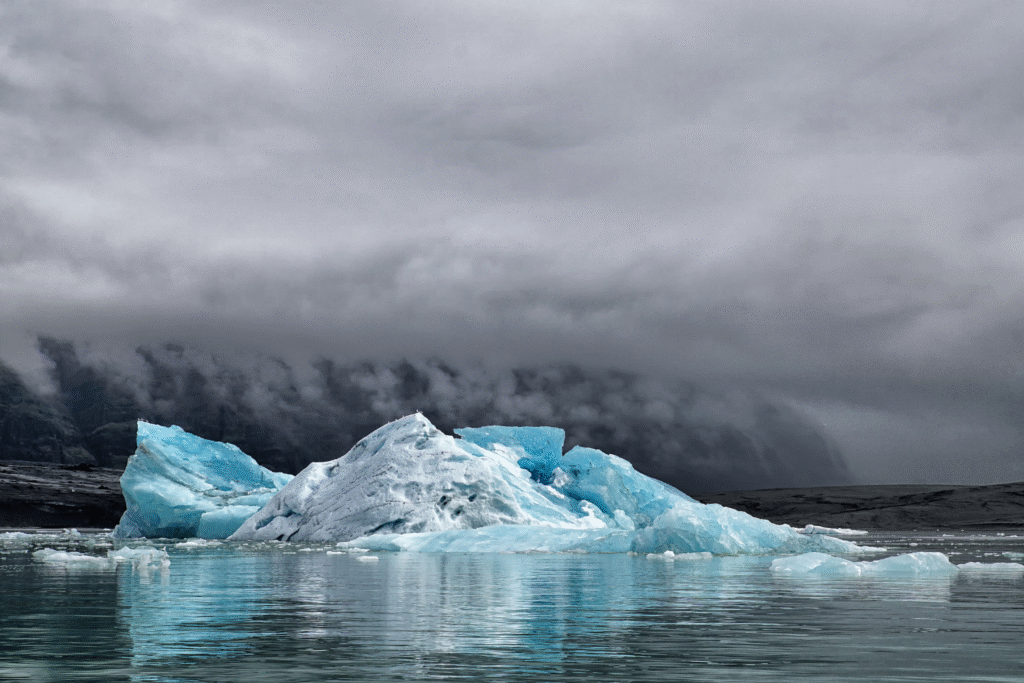
The ice stored in the Himalayas feeds rivers that supply water to nearly two billion people. Yet glaciers there are melting at double the pace of the last century. Entire valleys downstream rely on their steady runoff for farming, drinking, and power.
As melt accelerates, rivers swell dangerously in the short term but risk dwindling in the long term. Communities already face deadly floods from glacial lake bursts. The trajectory is clear: the frozen reserves sustaining Asia’s water towers are draining more rapidly than expected, threatening populations across multiple countries.
10. The oceans themselves are storing more heat than ever recorded.
Measurements of ocean heat content show record highs year after year. The majority of Earth’s warming is absorbed not by the air but by water, hiding the full force of climate change below the surface. This stored heat fuels stronger storms, disrupts fisheries, and expands seawater, raising global sea levels.
The ocean’s vastness once made it seem like a buffer, but that buffer is now stretched thin. Rising baseline temperatures mean marine ecosystems face chronic stress. When storms hit warmer water, their strength escalates beyond past norms. The ocean giant is not quiet anymore—it is carrying the signal of a planet in fast transition.