
The Big Apple’s air quality crisis has triggered an ambitious cleanup campaign worth billions.
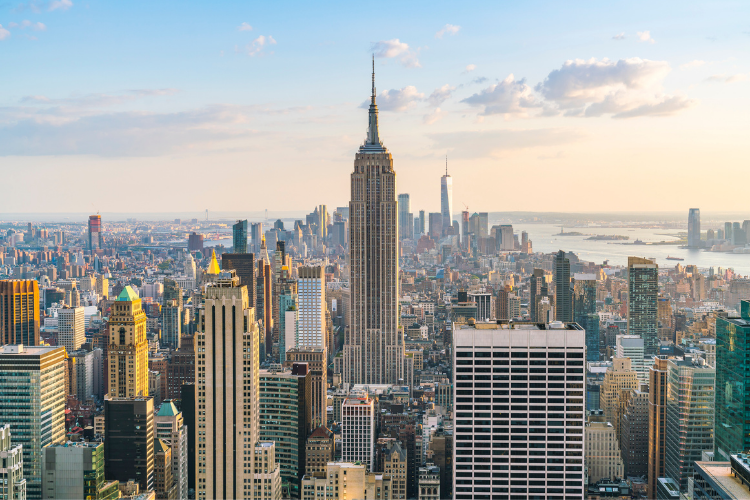
New York City’s surprising appearance as the seventh most polluted major city worldwide sent shockwaves through environmental circles and city hall alike. This ranking, recorded during August 2025 when Canadian wildfire smoke blanketed the northeastern United States, represents more than just a temporary weather event—it highlights ongoing challenges with air quality in America’s most densely populated urban center.
While wildfire smoke provided the dramatic spike that caught global attention, NYC’s baseline pollution levels remain concerning enough to sustain year-round health impacts. The city’s response has been swift and comprehensive, launching multiple initiatives that could serve as a model for other metropolitan areas grappling with similar challenges.
1. Canadian wildfire smoke catapulted NYC into global pollution headlines.
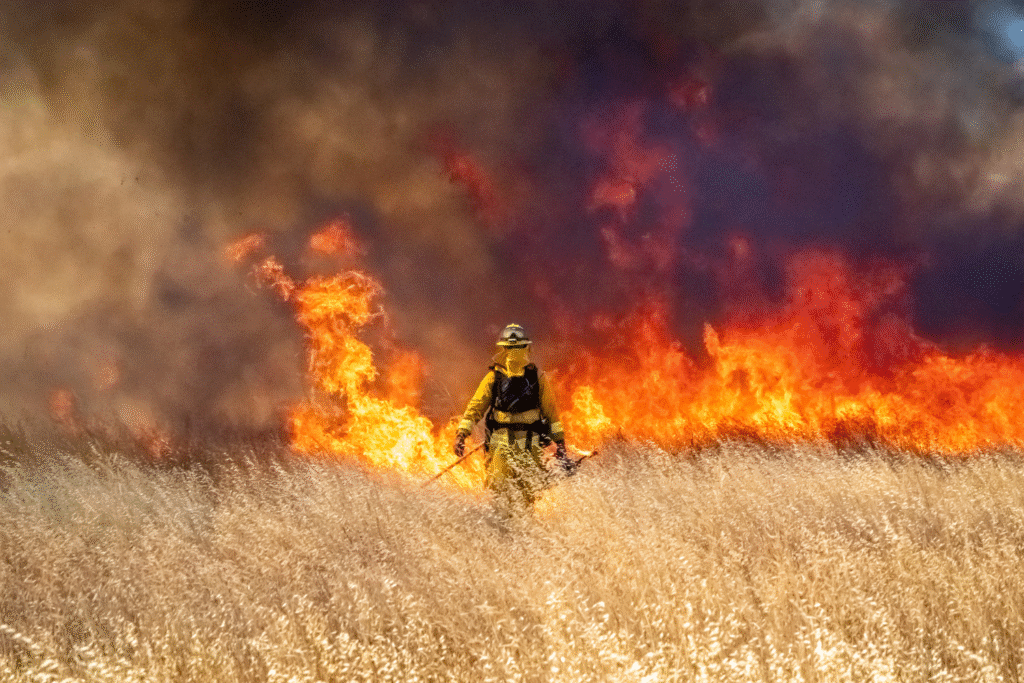
August 6, 2025 marked a pivotal moment when Manhattan’s skyline disappeared behind an orange haze that made breathing outdoors genuinely dangerous. Wildfire smoke from northern Canada, particularly fires burning across Saskatchewan, Manitoba, and Ontario, drifted southward across the eastern provinces and into major American cities. According to IQAir monitoring data, this event pushed New York City’s air quality index into “unhealthy for sensitive groups” and even “unhealthy” ranges, earning it the unwelcome distinction of seventh place among the world’s most polluted major cities.
The dramatic visual impact of orange skies and reduced visibility served as a wake-up call for millions of residents who had never experienced such severe air quality conditions. Social media exploded with apocalyptic imagery, while hospitals reported increased emergency room visits for respiratory distress, particularly among children and elderly residents with pre-existing conditions.
2. PM2.5 particles pose the greatest threat to eight million New Yorkers.

Fine particulate matter smaller than 2.5 micrometers represents the most insidious component of NYC’s air pollution puzzle. These microscopic particles, invisible to the naked eye, penetrate deep into lung tissue and enter the bloodstream, causing inflammation and triggering cardiovascular problems. The city’s health department estimates that PM2.5 exposure contributes to more than 2,000 deaths annually, along with over 6,000 emergency department visits and hospitalizations for heart and respiratory conditions, as reported by NYC’s Department of Health and Mental Hygiene in their comprehensive air quality assessment.
Children and elderly residents bear the heaviest burden, with emergency room visits for PM2.5-attributable asthma occurring three times more frequently in disadvantaged neighborhoods compared to affluent areas. This disparity reflects deeper environmental justice issues, where low-income communities face higher exposure levels due to proximity to highways, industrial facilities, and older housing stock with inadequate ventilation systems.
3. The New York City Community Air Survey revolutionized pollution monitoring.
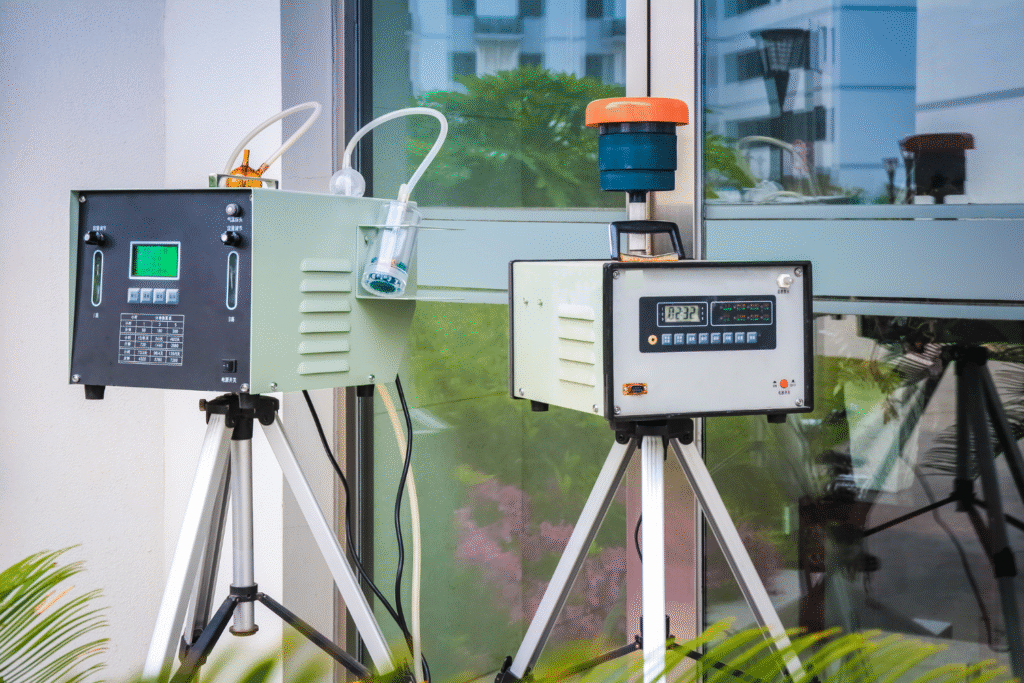
Traditional air quality monitoring relied on a handful of centrally located stations that provided citywide averages but missed crucial neighborhood-level variations. The NYC Community Air Survey (NYCCAS) changed this approach by deploying hundreds of lamppost-mounted monitoring devices across all five boroughs, creating the most comprehensive urban air quality surveillance network in the United States. This hyper-local monitoring system revealed dramatic pollution disparities between neighborhoods, with some areas experiencing levels significantly higher than citywide averages, according to research published by Columbia University’s Center for Children’s Environmental Health documenting the program’s impact.
The data revolution enabled targeted interventions that wouldn’t have been possible with traditional monitoring approaches. Health officials could now identify pollution hotspots, correlate emissions with specific sources, and track the effectiveness of policy interventions in real-time, transforming air quality management from guesswork into precision environmental health protection.
4. Local Law 97 targets the city’s largest buildings with mandatory emissions cuts.

Manhattan’s towering skyline represents both architectural achievement and environmental challenge, with buildings over 25,000 square feet now subject to strict greenhouse gas emissions limits under Local Law 97. This groundbreaking legislation, part of the Climate Mobilization Act, requires large buildings to reduce emissions by 40 percent by 2030 and 80 percent by 2050, with financial penalties for non-compliance starting at $268 per ton of excess emissions.
Property owners face difficult choices between expensive retrofits, fuel switching, and paying substantial fines that could reach millions annually for large buildings. The law’s impact extends beyond individual buildings to transform entire neighborhoods as older structures upgrade heating systems, improve insulation, and install energy-efficient equipment that reduces both carbon emissions and local air pollutants.
5. Heating fuel regulations eliminated thousands of tons of harmful emissions.
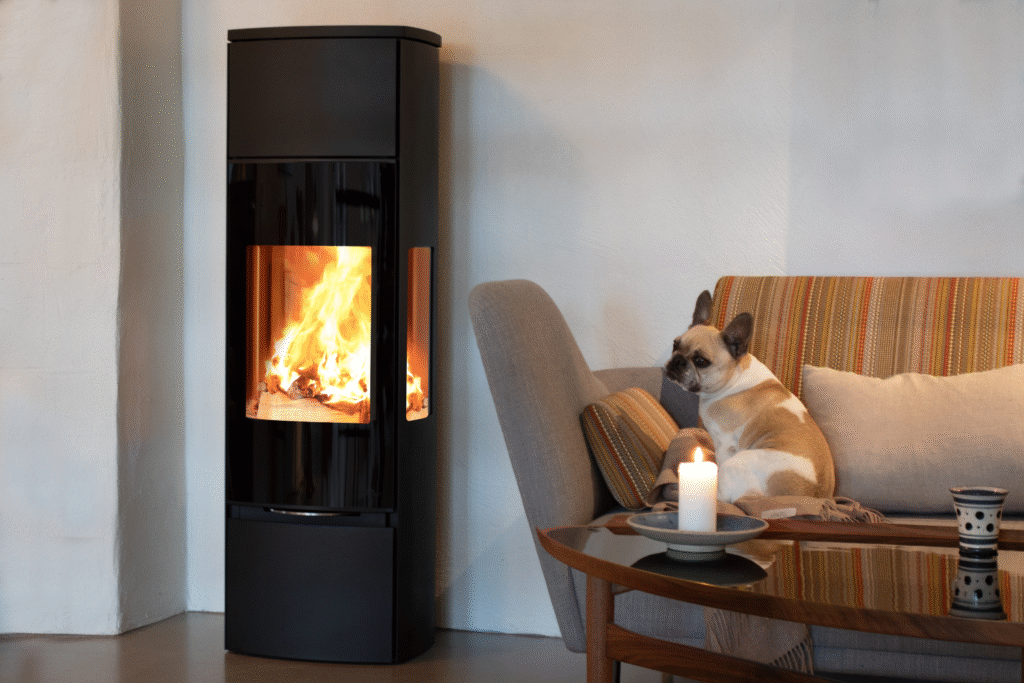
The Clean Heating Law of 2010 marked NYC’s first major victory against a specific pollution source, banning the use of heavy residual fuel oils in residential and commercial buildings. These thick, tar-like fuels produced dense black smoke and high levels of sulfur dioxide, contributing significantly to neighborhood-level pollution hotspots. The transition to cleaner alternatives like natural gas and ultra-low sulfur heating oil required substantial financial investment from building owners but delivered immediate health benefits.
Post-implementation monitoring by NYCCAS documented substantial air quality improvements, with the city preventing an estimated 290 premature deaths, 180 hospital admissions, and 550 emergency department visits annually. The success of this targeted approach demonstrated how identifying and addressing specific pollution sources could yield measurable health benefits within just a few years of policy implementation.
6. Transportation initiatives aim to reduce mobile source emissions.
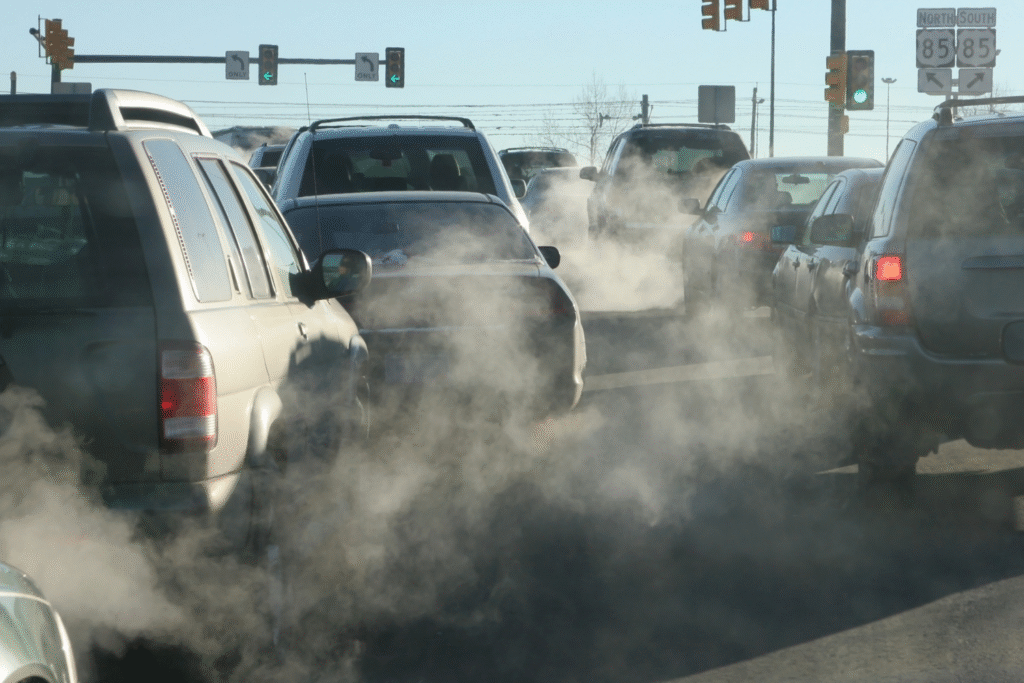
Vehicle exhaust remains a major contributor to NYC’s air pollution burden, particularly affecting neighborhoods near major highways and busy commercial corridors. The city has implemented multiple strategies to reduce mobile source emissions, including expanding electric vehicle charging infrastructure, transitioning municipal fleets to electric and hybrid vehicles, and strengthening enforcement of anti-idling regulations that limit how long vehicles can run their engines while parked.
Bike lane expansion and improved public transit options provide alternatives to private vehicle use, while congestion pricing proposals aim to reduce traffic volume in Manhattan’s central business district. These complementary approaches address both the volume of vehicle trips and the cleanliness of remaining transportation, creating multiple pathways for emissions reductions across different neighborhoods and user groups.
7. Environmental justice initiatives target pollution disparities in vulnerable communities.

Air quality improvements haven’t reached all neighborhoods equally, with low-income communities and communities of color continuing to experience disproportionately high pollution levels. The city’s sustainability office has committed to reducing ambient pollution disparities by 20 percent for PM2.5 and 50 percent for sulfur dioxide by 2030, using 2013 levels as the baseline for comparison.
Achieving these equity goals requires targeted interventions in the most heavily impacted neighborhoods, including enhanced enforcement of pollution regulations, prioritized infrastructure upgrades, and community-based monitoring programs that engage residents in tracking local air quality conditions. Financial assistance programs help building owners in disadvantaged areas afford cleaner heating systems and energy efficiency improvements they might not otherwise be able to implement.
8. Green infrastructure projects create natural air filtration systems.
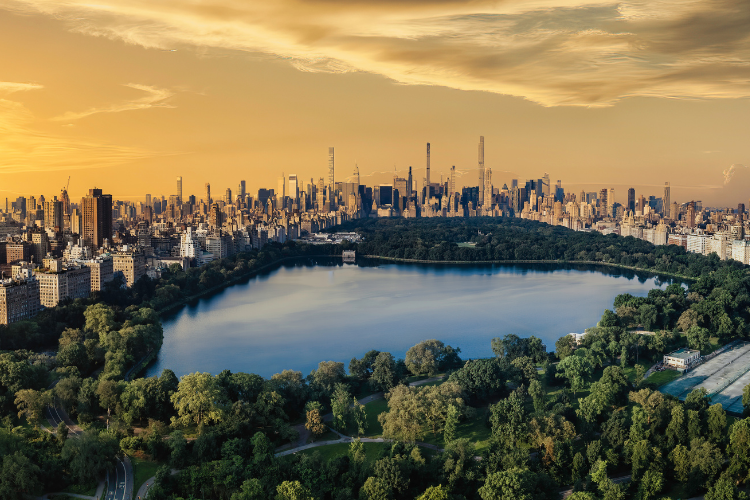
Trees and vegetation serve as biological air filters, absorbing carbon dioxide and filtering particulate matter from the atmosphere while providing cooling shade that reduces energy demand for air conditioning. NYC’s MillionTreesNYC initiative planted over one million trees across the five boroughs, with strategic placement prioritizing neighborhoods with the highest pollution levels and lowest existing tree canopy coverage.
Rooftop gardens, green walls, and expanded park spaces complement street tree planting to create distributed networks of natural air purification throughout the urban environment. These green infrastructure investments provide multiple co-benefits including stormwater management, urban heat island reduction, and improved mental health outcomes for residents who gain access to green spaces in previously concrete-dominated neighborhoods.
9. Real-time air quality alerts help residents protect their health.

Public health protection requires both long-term policy changes and immediate protective actions during pollution episodes. NYC’s air quality alert system provides real-time notifications through multiple channels including social media, emergency management systems, and health department communications when pollution levels spike due to weather conditions, wildfire smoke, or other temporary factors.
Educational campaigns teach residents how to interpret air quality index readings, when to limit outdoor activities, and how to create cleaner indoor environments during pollution episodes. Schools, healthcare facilities, and other institutions serving vulnerable populations receive enhanced guidance on protective measures including modified outdoor activity schedules and improved indoor air filtration during high pollution periods.
10. Regional cooperation addresses pollution sources beyond city boundaries.

New York City’s air quality depends significantly on emissions from upwind sources including power plants, industrial facilities, and vehicle traffic in neighboring states and Canadian provinces. The Regional Greenhouse Gas Initiative represents the first mandatory cap-and-trade program in the United States, requiring power plants across nine northeastern states to reduce CO2 emissions while generating revenue for clean energy investments.
Interstate coordination becomes particularly crucial during events like the 2025 wildfire smoke episode, when pollution sources hundreds of miles away created dangerous conditions for millions of urban residents. Climate change projections suggest such cross-border pollution events will become more frequent, making regional cooperation essential for protecting public health in interconnected metropolitan areas along the eastern seaboard.
ncl1ca