
A metallic explorer meets a wandering visitor.

When NASA launched the Psyche spacecraft toward its metal rich asteroid in 2023, no one expected it to encounter anything unusual along the way. Yet as it drifted through quieter regions of the inner solar system, mission controllers realized Psyche had a clear view of the interstellar comet 3I ATLAS during a brief alignment. The spacecraft’s instruments recorded data that no Earth based telescope could match, catching a rogue object in a rare moment of proximity.
1. Psyche tracked unexpected fragmentation in the comet’s core.

During the alignment window, Psyche’s cameras captured faint structural shifts near the nucleus that indicated fresh cracking across the comet’s surface. The breakup pattern looked more active than earlier observations suggested, as reported by NASA. The spacecraft offered a perspective free from atmospheric distortion, letting scientists analyze the debris in sharper detail than any ground based observatory could provide.
The activity suggested that the comet’s journey between star systems may have weakened its shell. Researchers believe the interstellar environment likely exposed the core to stresses unknown in our solar system, making Psyche’s timing unusually fortunate.
2. Thermal readings revealed a surprising temperature gradient.
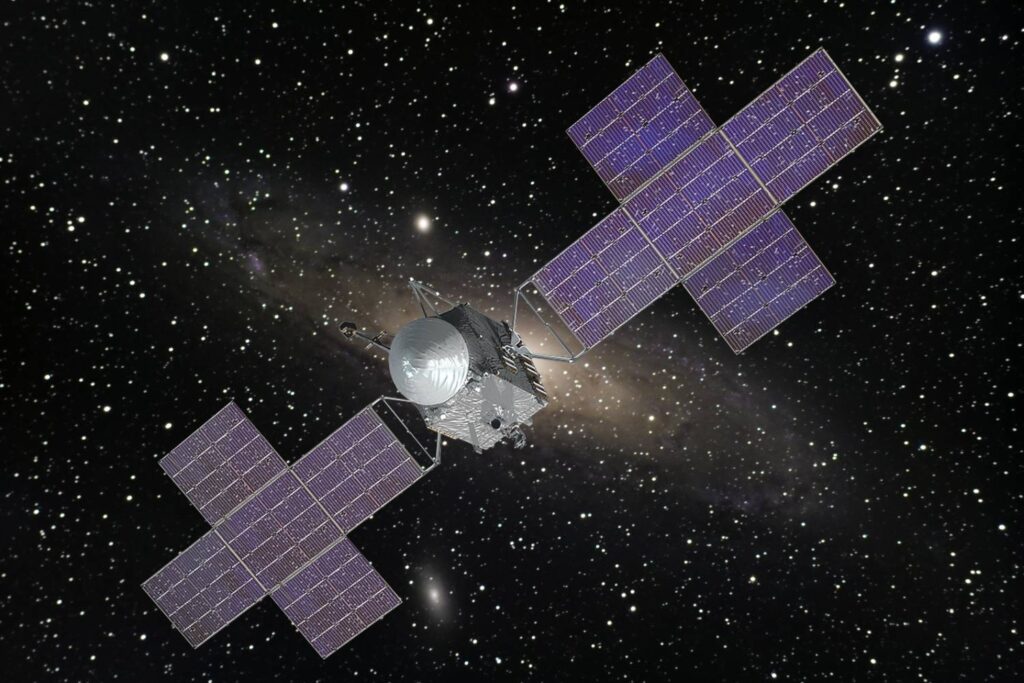
Psyche’s infrared sensors detected warm and cold zones arranged in irregular bands across the comet’s surface. The gradient did not match models predicting even heating in the near vacuum of interstellar space, as stated by Scientific American. Instead, the banding implied interior pockets retaining heat far longer than the surface layers.
This uneven distribution forced scientists to reconsider how interstellar comets evolve. The readings suggested a layered internal structure possibly shaped by repeated cycles of freezing and sublimation during long travels between stars.
3. Spectral scans uncovered unfamiliar molecular traces.

When Psyche passed through a region rich with scattered dust from 3I ATLAS, its spectrometer picked up signatures that did not align with typical comet chemistry. The unexpected spike in certain organic fragments echoed earlier anomalies reported by researchers studying other interstellar visitors, as discovered by Nature. Though still under review, the chemical mix hinted at processes not commonly found in comets born inside our solar system.
The unusual readings raised questions about the environments these travelers originate from. They may reflect conditions found in colder star forming regions where ice chemistry evolves differently.
4. The comet’s rotation appeared slower than predicted.
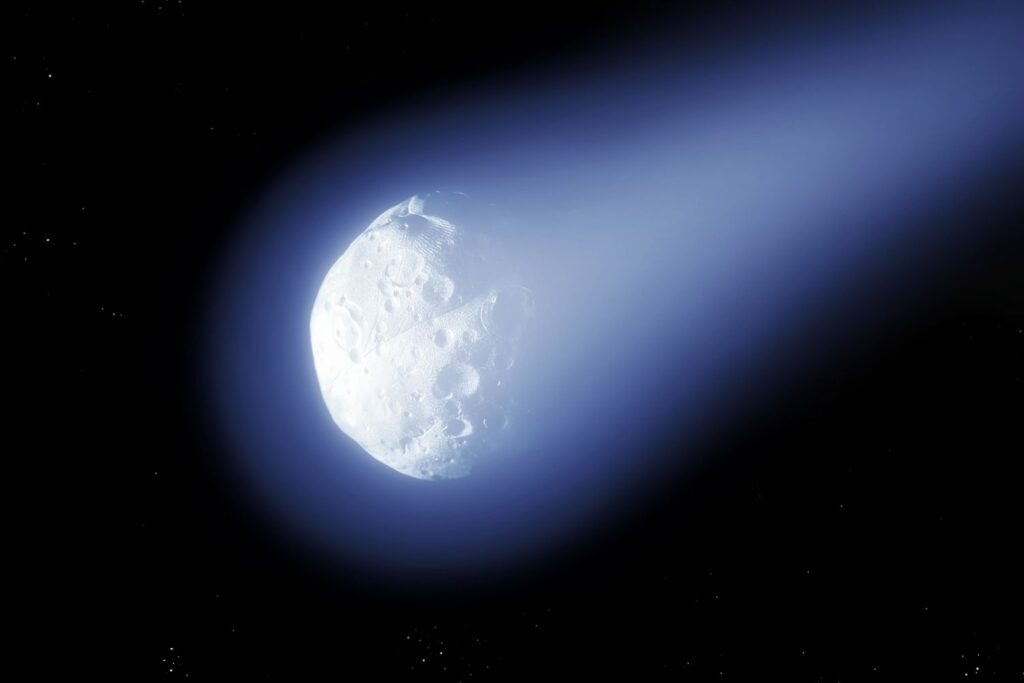
Psyche’s imaging sequences revealed a subtle lag in the comet’s rotation rate compared with Earth based predictions. The slowdown may have resulted from recent mass loss or uneven outgassing that created drag during its solar approach. Scientists noted that such behavior demonstrates the fragile balance interstellar comets maintain as they encounter new gravitational fields.
These rotation changes offered a glimpse into how the comet experiences stress. A slight shift in its spin might alter the trajectory of debris escaping the surface, shaping how the comet evolves over months.
5. Dust plumes drifted farther than standard models allowed.
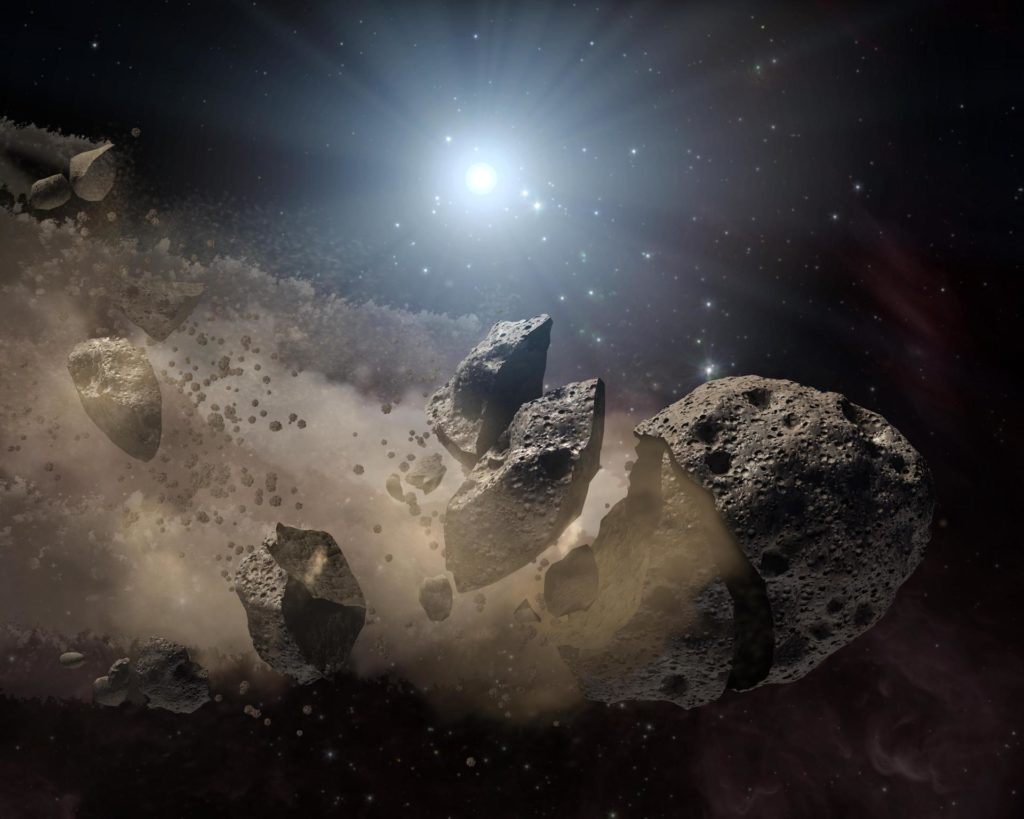
High resolution views showed fine dust spreading outward into delicate spirals that extended beyond what solar radiation pressure alone could account for. Researchers suspect the comet’s unusual material composition created particles more responsive to subtle forces. This extended plume structure may become a key detail for understanding why interstellar objects behave differently near the Sun.
The spirals also suggested that older layers of the comet were loosening together rather than in waves. This gradual unraveling gave Psyche a snapshot of a structure mid transformation.
6. Psyche measured traces of magnetism interacting with the coma.
Sensitive instruments recorded faint magnetic patterns where the solar wind met the comet’s evaporating gases. The interaction was stronger than scientists expected for an object of this size. Some suspect the comet carries remnant magnetism from the stellar nursery it formed in, though more analysis is needed.
These signals revealed how the comet engages directly with solar plasma. Even slight magnetic fields can influence gas flow near the nucleus, adding complexity to an already unusual visitor.
7. The spacecraft detected brief jets erupting along shadowed edges.
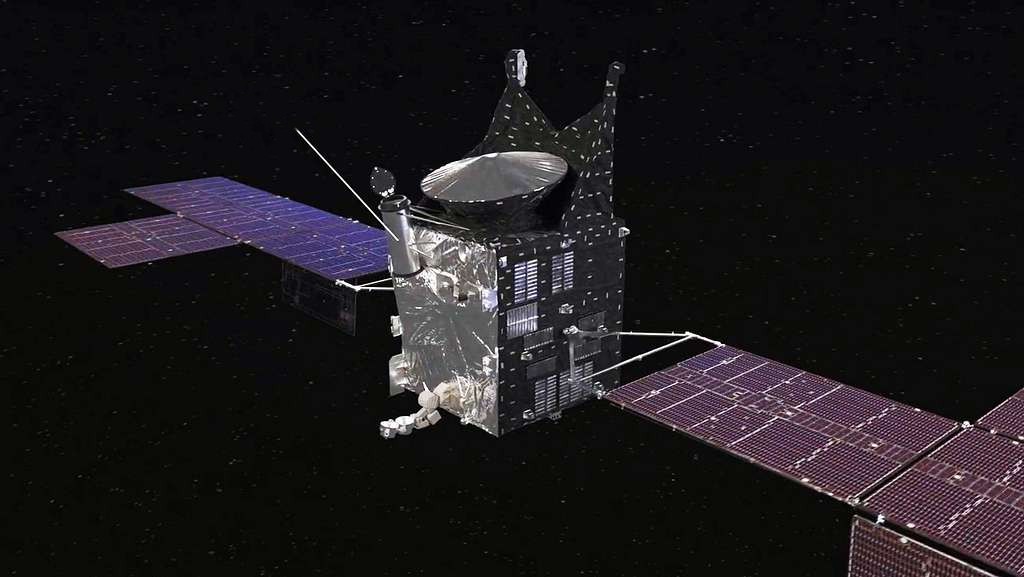
Infrared mapping showed rapid temperature spikes that matched the release of volatile gases from shaded pockets. These eruptions lasted only minutes yet reshaped dust patterns around the nucleus. Their location in previously hidden areas highlighted how much activity occurs beyond telescope reach.
The jets demonstrated that the comet behaves dynamically even when not illuminated. Such behavior helps explain why interstellar comets often appear unpredictable during later observation attempts.
8. Observations suggested surface material older than expected.
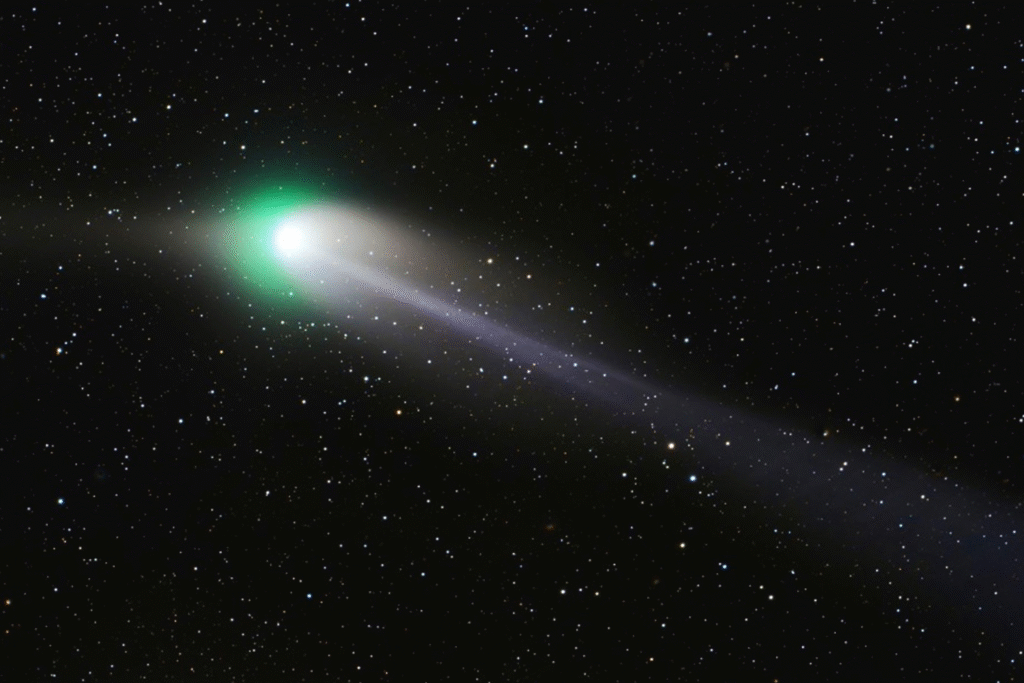
Psyche’s spectral readings hinted that parts of the comet’s exterior contain compounds rarely preserved for long within our solar system. Their stability may result from long stretches spent far from any star. Detecting such ancient material offers a chance to study chemistry shaped in environments far colder than our outermost regions.
These findings open questions about how long the comet wandered before entering our neighborhood. The exterior may record a timeline reaching back well beyond the formation of the Sun.
9. The shape of the tail shifted dramatically during solar interaction.
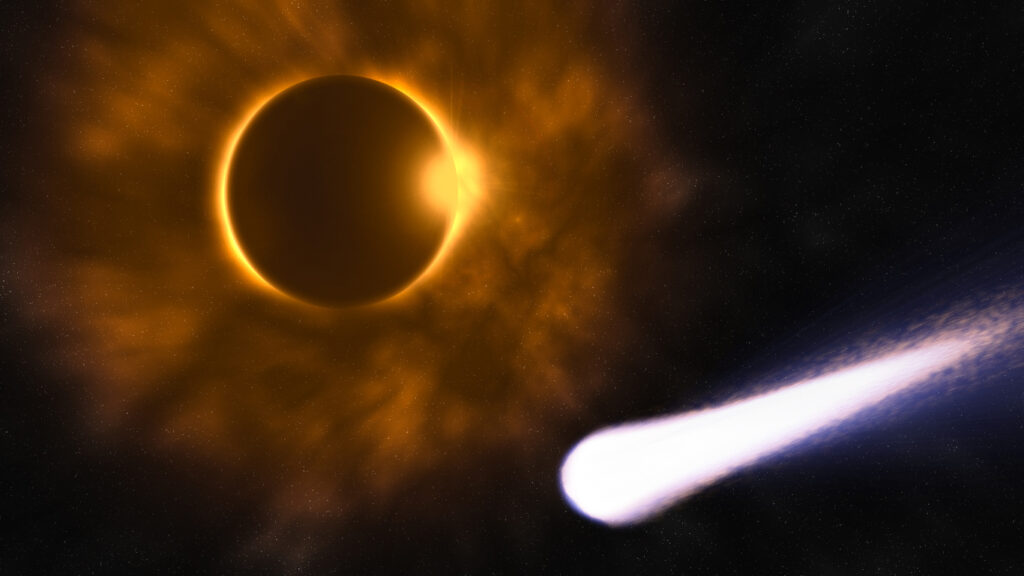
Psyche watched as the comet’s tail thickened in response to stronger solar wind streams, then thinned when the streams weakened. The responsiveness exceeded expectations for an object with slow outgassing. Some scientists believe the interstellar composition makes the dust more reactive to energy changes from the Sun.
This variability showed the comet adapting moment by moment to a star it had never encountered before. Psyche’s vantage point turned those fleeting adjustments into measurable events.