
Many birds struggle silently before owners notice.

Birds often mask discomfort so effectively that problems unfold quietly in homes where routines seem harmless. Veterinarians who treat parrots, cockatiels and small finches frequently trace behavioral or medical concerns back to early stress that built up over weeks or months. Something as simple as cage placement or diet can shift the bird’s entire emotional landscape. Because birds evolved for complex environments and social patterns, even small oversights create ripples that eventually reshape how they behave, interact and cope.
1. Poor cage placement exposes birds to chronic stress.
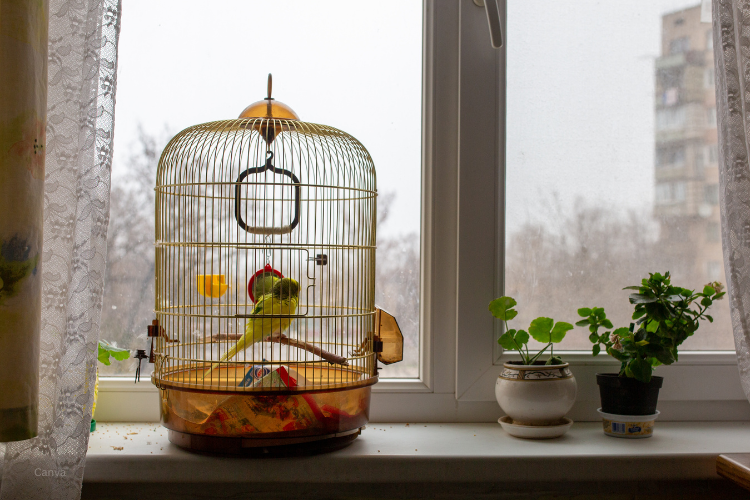
Placing a cage near doorways, televisions or large windows facing predators puts the bird under constant pressure. Sudden movement, changing shadows and unpredictable noise activate their alert systems throughout the day. Avian behavior research has connected such environments with long term anxiety, as reported by the Association of Avian Veterinarians. Birds interpret erratic motion as danger, even when nothing is directly threatening them.
Over time, this stress shows up as reduced vocalization, feather fluffing or reluctance to move around the cage. Birds may stop resting comfortably because their nervous system never fully shuts off. Relocating the cage to a quieter area often transforms the bird’s behavior, revealing just how much environmental unpredictability shaped its state of mind.
2. Inadequate diet slowly undermines essential health functions.
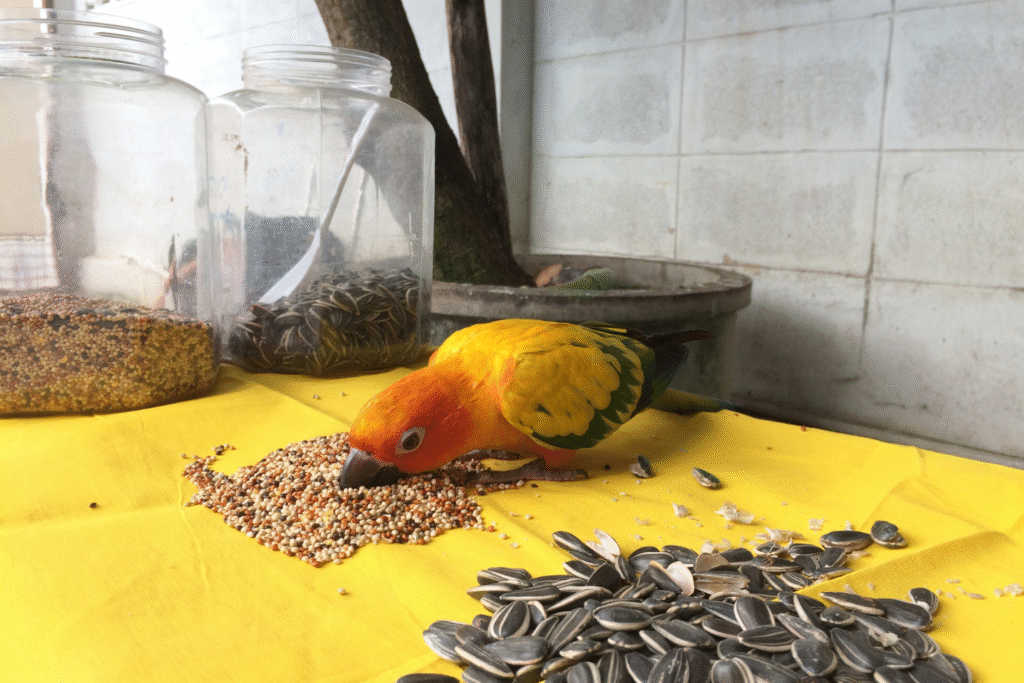
Many owners still rely heavily on seeds, unaware that such diets lack the nutrients birds need to maintain organ stability, feather quality and metabolic balance. Nutrition reviews document how seed based feeding leads to deficiencies and obesity according to the Merck Veterinary Manual. Birds may seem lively for years before underlying problems surface, which makes the issue easy to overlook during daily routines.
When deficiencies accumulate, signs emerge subtly. Feathers become dull, energy drops and the immune system weakens. Shifting to a diet built around pellets, vegetables and controlled seed portions reverses these trends gradually, showing how strongly nutrition shapes both mood and physical health.
3. Lack of enrichment restricts natural behavior patterns severely.
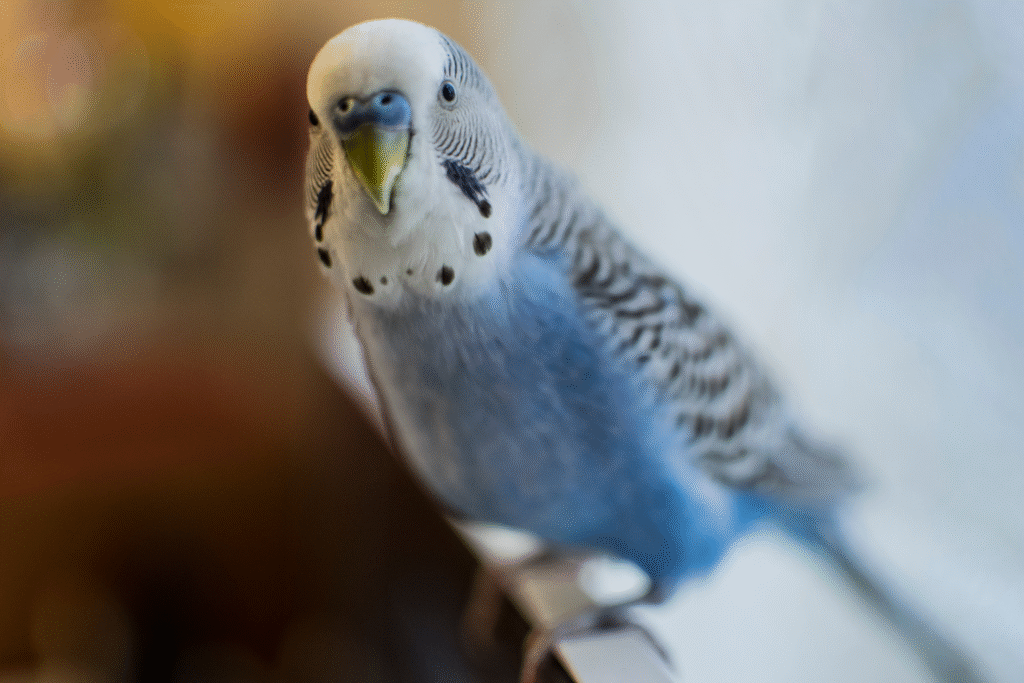
Wild birds spend much of their day exploring, foraging and solving problems. When pet birds sit in predictable cages with the same toys for months, their cognitive systems lose critical stimulation. This pattern is emphasized in welfare discussions, as stated by the American Humane Society. The bird’s world becomes static, and its mind reacts to that stagnation with restlessness or frustration.
Over time, those emotions turn into screaming, pacing or feather plucking. Many owners interpret these reactions as defiance when they are really stress signals. Rotating toys, offering foraging puzzles and encouraging exploration restores a sense of purpose, helping the bird process its environment with more confidence.
4. Mishandling flight needs often creates deep rooted fear.
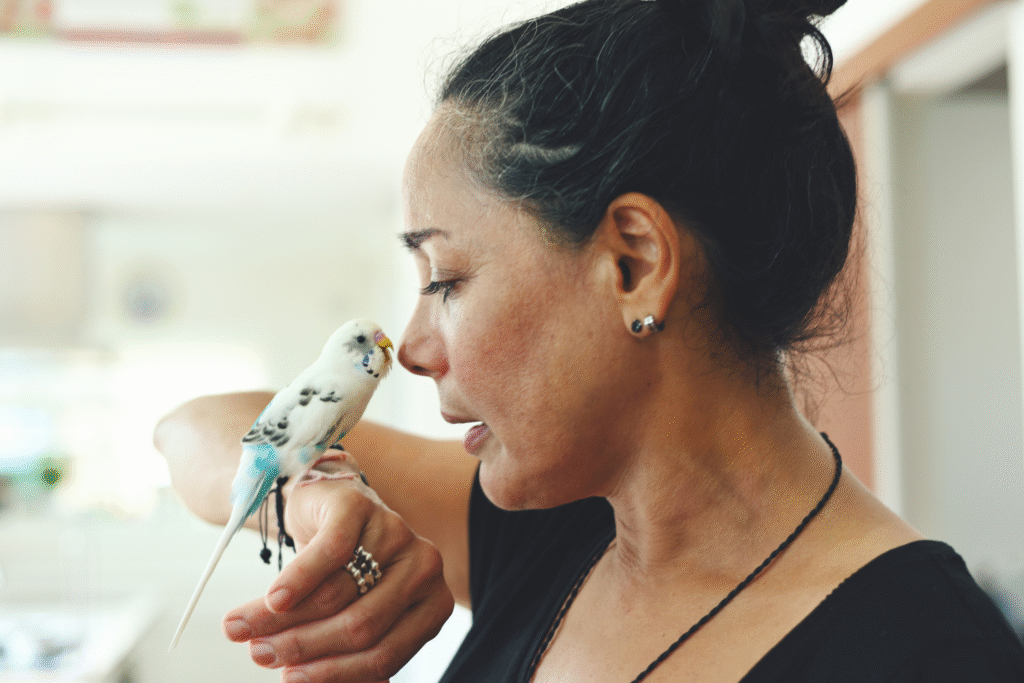
Some owners respond to household challenges by clipping wings too short or restricting movement whenever the bird becomes difficult to manage. Birds grounded abruptly lose confidence in their instincts and begin associating humans with restraint instead of safety. The emotional impact can last far longer than the physical limitation.
As the bird’s trust declines, it may refuse stepping up, hide when approached or show sudden panic during handling. Allowing controlled flight or partial clipping that preserves balance gives the bird room to regain agency. Once it feels stable again, its willingness to interact usually returns.
5. Social deprivation shifts a bird’s emotional baseline quickly.

Many species, especially parrots, evolved for constant communication and shared decision making within flocks. When birds spend long stretches without interaction, their social needs collapse inward, showing up as withdrawn silence or louder attempts to draw attention. Owners often misread these signals because birds mask distress behind routine behaviors.
The longer isolation lasts, the more the bird rewires its expectations of the household. Reintroducing consistent social time anchors the bird emotionally. Small changes, like talking during feeding or adding predictable bonding rituals, help rebuild security and soften defensive behaviors.
6. Unsafe household products expose birds to harmful air.

Bird lungs are extremely efficient, which makes them equally vulnerable to fumes from nonstick cookware, aerosol cleaners and scented candles. Even brief exposure irritates airways, and chronic exposure can damage delicate respiratory tissues. Owners often miss early signs because birds remain outwardly calm until their breathing is significantly compromised.
Removing scented or chemical products and using bird safe cleaners often brings noticeable improvement. When the air is clean, birds breathe more freely, vocalize more confidently and avoid the respiratory issues that silently accumulate in toxin heavy environments.
7. Neglecting grooming disrupts comfort and mobility over time.
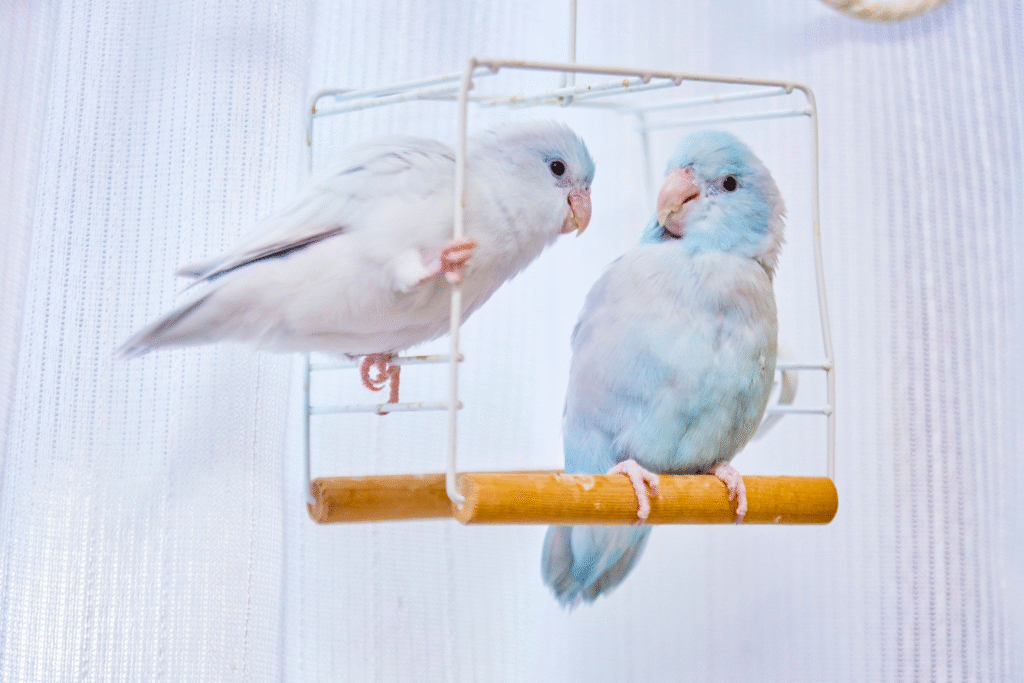
Overgrown nails cause painful pressure on toes and make perching difficult. Unkept feathers reduce insulation and flight balance. Some birds also accumulate debris on their beaks or feet, gradually affecting how they eat or climb. These changes build slowly but reshape daily comfort in fundamental ways.
With regular trims, baths and gentle handling, birds regain confidence in their movements. Grooming routines also deepen trust, making it easier for owners to manage stress during veterinary visits or unexpected challenges.
8. Failing to protect sleep cycles disrupts hormonal stability.

Most birds require ten to twelve hours of uninterrupted darkness each night. Bright rooms, televisions and late night conversations prevent their bodies from completing essential restorative phases. Chronic sleep loss alters mood, immune function and hormonal balance, even if the bird appears superficially calm.
As deprivation continues, birds become more reactive, less focused and increasingly prone to health complications. Creating a dark, quiet sleep environment steadies their rhythms and supports long term emotional balance.
9. Inconsistent handling teaches birds to fear human contact.

A bird treated gently on one day and restrained suddenly on another learns that human interaction is unpredictable. This inconsistency fosters mistrust and defensive reactions that intensify with repetition. Birds thrive when their experiences follow patterns they can anticipate.
Consistent, calm handling reassures the bird that interactions are safe. Over time, predictability strengthens confidence, making grooming, step ups and training sessions feel less threatening and more cooperative.
10. Ignoring early stress signs allows serious issues to grow.
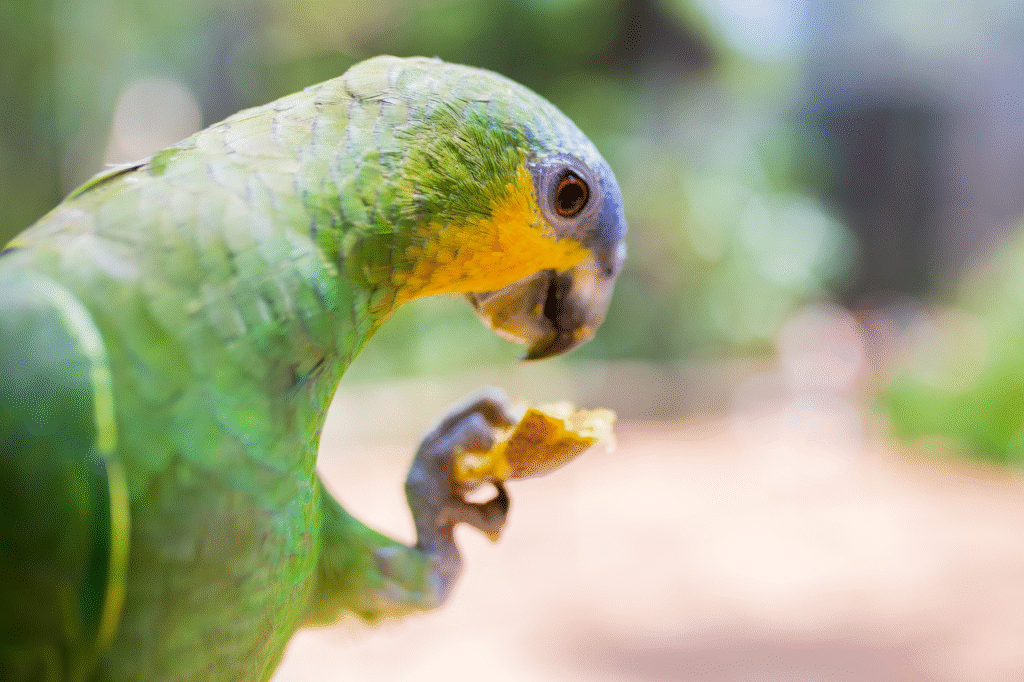
Behaviors like quiet feather chewing, subtle pacing, reduced appetite or sudden silence are often dismissed as quirks. Birds rarely display strong reactions until problems have progressed, so the early whispers matter far more than most people realize. Owners who overlook these cues inadvertently allow stress to settle in deep.
When early changes receive attention, birds recover quickly. Adjustments to environment, diet or routine stabilize their emotional landscape before the issue spirals. Catching these moments early anchors their long term health and prevents far more complicated challenges later.