
The marketing sounds green, the math often is not.

Green claims are everywhere now, on shampoo, sneakers, snacks, and streaming services. The tricky part is that many of these messages are designed to feel actionable without actually changing the company’s impact in a meaningful way. The result is a confusing consumer world where the language of sustainability gets used as a shield, not a roadmap. If you have ever felt oddly uncertain after buying the greener option, that feeling is not random. Here are ten common plays.
1. Vague eco language replaces measurable proof.
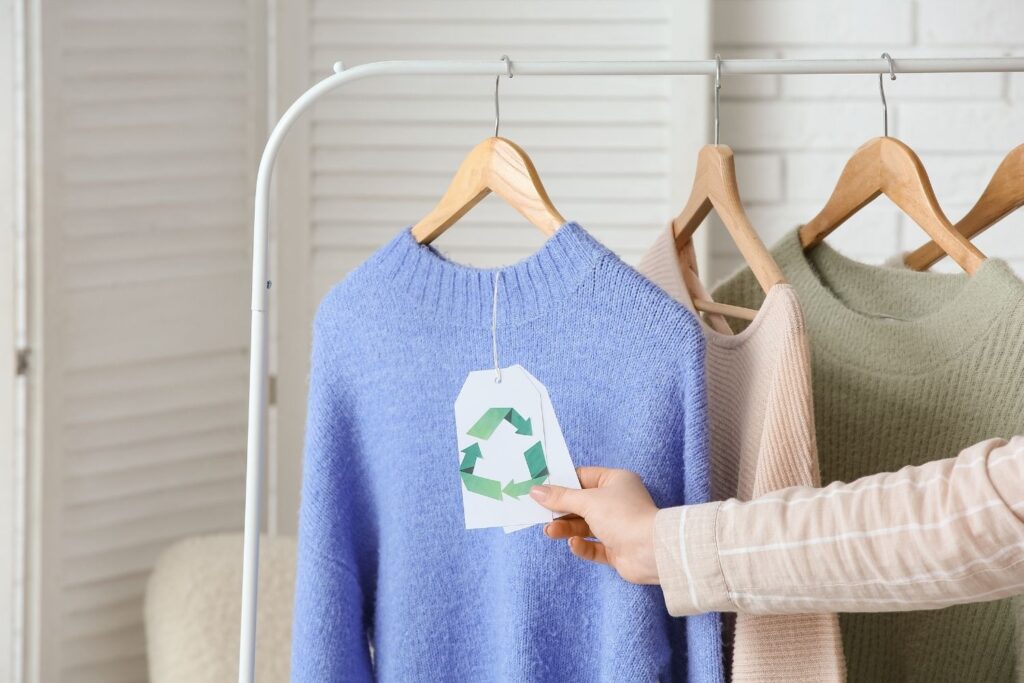
When a label says eco friendly or planet positive, it sounds like a conclusion, not a claim that needs evidence. That is the point. Vagueness creates a warm glow without forcing the company to say what improved, by how much, and compared to what baseline. In practice, the product might be slightly less harmful in one narrow category while still carrying a heavy footprint elsewhere, such as packaging, shipping, or energy intensive production.
A useful mental trick is to look for numbers, boundaries, and definitions. If you cannot tell whether the claim refers to the product, the packaging, the factory, or the brand identity, it is doing marketing work, not environmental work. Broad, unqualified green claims are flagged as risky for consumers, according to the U.S. Federal Trade Commission Green Guides.
2. Tiny recycled content becomes the whole story.

A company adds a small percentage of recycled material to packaging, then builds an entire campaign around circularity. The change may be real, but the framing is often designed to make you assume the entire product is now low impact. That assumption is where greenwashing lives. Recycled content can help, yet it does not erase energy use, extraction, chemical processing, or the fact that many items are still hard to recycle after use.
The tell is disproportion. If the marketing focuses on one improved feature while ignoring the biggest sources of emissions or waste, you are being steered away from the real math. Another tell is missing context, like whether the recycled content is post consumer or just factory scrap reused internally. Clear guidance warns against selective or incomplete claims that create a misleading overall impression, as stated by the UK Competition and Markets Authority Green Claims Code.
3. Carbon neutral claims lean on offsets.

Carbon neutral sounds like a finished job, but it often means the company bought credits to balance emissions on paper rather than cutting pollution at the source. Offsets vary wildly in quality. Some fund projects that may have happened anyway, some are difficult to verify long term, and some face permanence problems, like forests that later burn or get logged. None of that is visible on the front of the package.
Offsets can play a role, but they become greenwashing when they are used as a substitute for real reductions. If a brand cannot explain its direct emissions cuts, the boundary of what is included, and the durability of the offset projects, the claim is more of a story than a result. The risks of vague net zero style pledges and overreliance on offsets are emphasized in the United Nations Integrity Matters report.
4. A green product line distracts from the core.

One sustainable collection launches, and suddenly the whole brand feels transformed, even if the rest of the catalog remains business as usual. This tactic works because your brain generalizes. You see a recycled fabric capsule drop and unconsciously upgrade the entire company’s reputation. Meanwhile, the main revenue engine may still be fast turnover, heavy shipping, and materials with high upstream impacts.
A simple check is ratio. How much of the company’s sales come from the greener line. Is it a seasonal marketing moment or a structural shift in procurement and design. If the brand offers no breakdown, the green line is likely being used as reputational insurance. Real change shows up in supply chain commitments, long term material transitions, and transparent progress reporting, not just a curated shelf of greener options.
5. Feel good seals appear without real standards.

Eco badges and leaf icons can look official even when they are created by the company itself or by a loose certification program with minimal verification. Some labels are credible, others are essentially design elements with a compliance costume. The consumer sees a seal, relaxes, and stops asking questions. That is exactly why low standard labels thrive.
The practical defense is to treat every label like a claim that needs a method behind it. Who runs the program. What is measured. How often are audits done. Is the standard about one issue, like forestry, or the full product life cycle. If the label is hard to research or refuses to specify criteria, assume it is a marketing shortcut, not an environmental guarantee.
6. Recyclable claims ignore local reality.

A package says recyclable, but your local system may not accept it. That gap between technical recyclability and real world recyclability is one of the most common ways consumers get misled. Certain plastics require specialized sorting, some composite materials are rejected, and some items are too small or too contaminated to process. The label feels empowering while the item still ends up in landfill.
Companies benefit because responsibility shifts onto you. If recycling fails, it looks like a consumer behavior problem, not a design problem. Better claims specify where and how recycling works, and they avoid implying a universal solution when the infrastructure does not exist. If the brand cannot tell you how often the material is actually recycled in the markets where it is sold, the label is more aspiration than outcome.
7. Sustainable sourcing hides the bigger footprint.

A company highlights responsibly sourced palm oil, cocoa, or seafood, and that can be meaningful. The issue is when the sourcing claim becomes a blanket excuse for everything else. A responsibly sourced ingredient does not automatically reduce packaging waste, shipping emissions, water use, or the energy intensity of manufacturing. Yet marketing often invites you to merge the one good choice into an overall clean identity.
Look for scope. Is the claim about one ingredient or the whole product. Does the company disclose traceability levels, supplier coverage, and independent verification. Also notice what is missing. If a product is built to be used once and discarded, a sourcing win does not change the disposable design. Sustainability is not just what is inside, it is also how often you buy it and what happens after it is used.
8. Refill systems can be more theater.

Refill stations and reusable containers can reduce waste, but some programs are set up more for brand optics than actual impact. If refills are hard to access, priced higher than the original, or limited to a few flagship stores, the adoption rate stays small. The company still earns the sustainability halo while most customers keep buying single use packaging.
There is also the transport question. If refills require extra shipping, special cleaning logistics, or heavy containers moved long distances, the net benefit may shrink. The best refill systems are boringly practical, widely available, and designed for normal people with normal schedules. If the refill experience feels like a boutique ritual, it may be more about signaling than saving material at scale.
9. Small lifestyle nudges shift blame to you.

Brands love campaigns that focus on individual action, like shorter showers, turning off lights, or recycling correctly. These actions can help, but they also conveniently steer attention away from corporate decisions that dominate emissions and waste, such as production methods, product durability, and supply chain energy sources. The framing becomes, the planet is saved one consumer choice at a time, which sounds empowering and keeps the spotlight off the factory floor.
Notice how often the company asks you to do the hard part while offering minimal transparency about its own reductions. If the messaging is heavy on personal virtue and light on corporate metrics, it is a tell. A serious climate strategy shows up as operational change, like cleaner energy procurement, material redesign, and measurable reductions, not just tips that make the customer feel responsible for outcomes they cannot control.
10. Net zero timelines stretch past accountability.

Net zero by 2050 sounds ambitious, but it can also function as a delay tactic. A distant target allows a company to collect praise now while postponing the most expensive changes. Leadership teams may change, strategies may pivot, and the pledge can quietly soften over time. Meanwhile, the brand benefits from the impression of long term seriousness without committing to near term cuts that would show up in quarterly results.
The strongest plans are front loaded. They publish interim targets, cut absolute emissions, define what is included, and report progress consistently. They also separate real reductions from offsets and explain the role of each. If a pledge lacks short term milestones and relies on future technology to do most of the work, you are not looking at a climate plan, you are looking at a narrative designed to age well.