
What scientists are quietly noticing about crows.

Across cities, farms, and forests, crows are revealing minds that adapt faster than landscapes change. Scientists tracking their behavior keep finding strategies once thought uniquely human. These birds remember faces, plan ahead, and exploit our routines with unsettling precision. Watching them work feels less like observing wildlife and more like encountering neighbors who quietly understand the rules we live by.
1. They plan multi step solutions to new problems.

In Tokyo parks, crows drop walnuts into crosswalks, waiting for traffic lights to stop cars before retrieving cracked shells. The timing shows patience and foresight, adjusting to pedestrian signals and vehicle flow rather than random chance during busy weekday hours.
Researchers studying urban corvids say this behavior reflects planning across multiple steps, according to work summarized by the University of Washington. It suggests crows evaluate risk, delay gratification, and synchronize actions with human infrastructure in crowded metropolitan environments daily now.
2. Some manipulate tools with surprising regional variation.
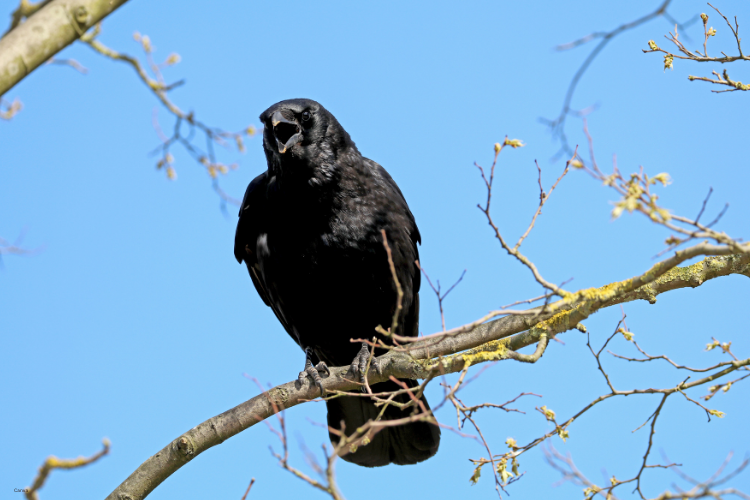
On the island of New Caledonia, wild crows shape sticks into hooked tools, selecting specific plants and trimming them carefully. Populations nearby use different designs, passing preferences through generations rather than relying solely on instinct within local habitats over time.
Experiments show juveniles learn by watching adults, refining techniques over years instead of days. This cultural transmission mirrors craftsmanship, as reported by long term field studies published by the Max Planck Institute on animal cognition and behavior research globally today.
3. They remember individual humans long after encounters.

In Seattle neighborhoods, researchers wearing masks found crows scolding specific faces years later, even after long absences. The birds spread warnings socially, teaching others who posed threats during earlier trapping studies conducted by university teams across urban test sites locally.
This recognition relies on facial memory rather than clothing cues, showing long term recall. The findings reshaped assumptions about avian memory, as discovered by researchers at the University of Washington wildlife cognition lab during controlled urban experiments over time periods.
4. Urban crows schedule activities around human routines.

Morning garbage days in Vancouver see crows arriving minutes before trucks, positioning themselves for spills. They adjust arrival times when schedules shift, tracking calendars that humans barely notice but birds quickly learn across neighborhoods year after year, consistently now observed.
This temporal awareness reduces energy waste and competition, turning predictability into advantage. It shows cognition tuned to human systems rather than wilderness cycles, a shift increasingly visible as cities expand into surrounding suburbs industrial zones and transport corridors worldwide today.
5. Some intentionally cache food where rivals watch.
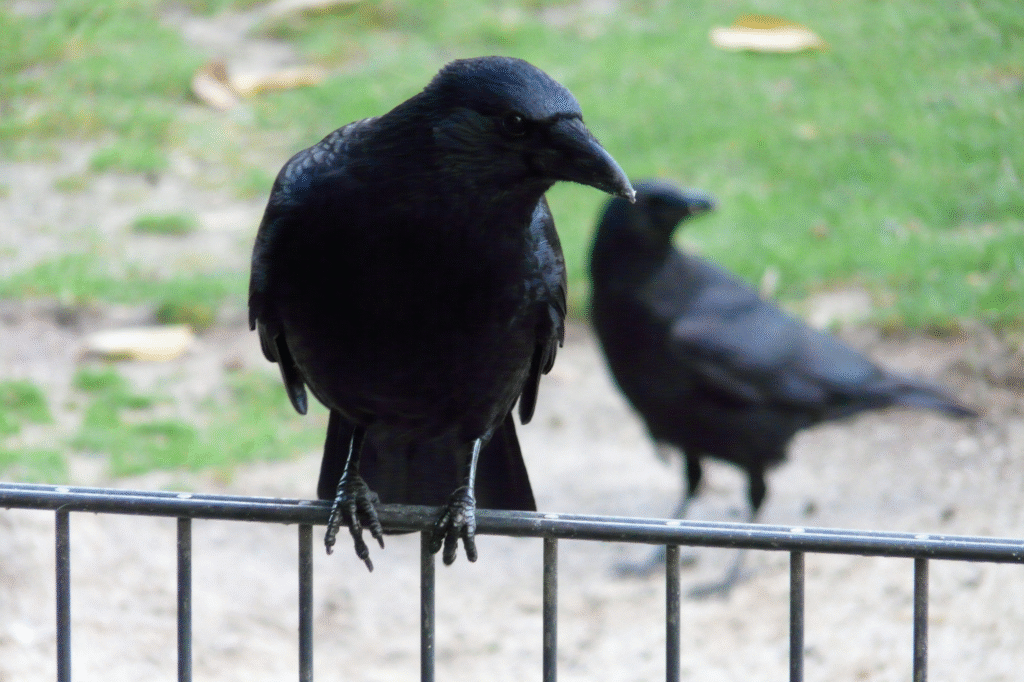
Crows often pretend to hide food while being observed, then move it later when alone. This deception reduces theft in dense groups, suggesting awareness of what others see and believe during repeated foraging bouts across shared feeding grounds daily cycles.
Such tactics echo theory of mind debates, once reserved for primates. Field observations across Europe and North America keep documenting similar tricks, reinforcing that social intelligence shapes survival outcomes within competitive urban colonies season after season amid scarcity pressures constantly.
6. They recruit partners strategically during complex tasks.
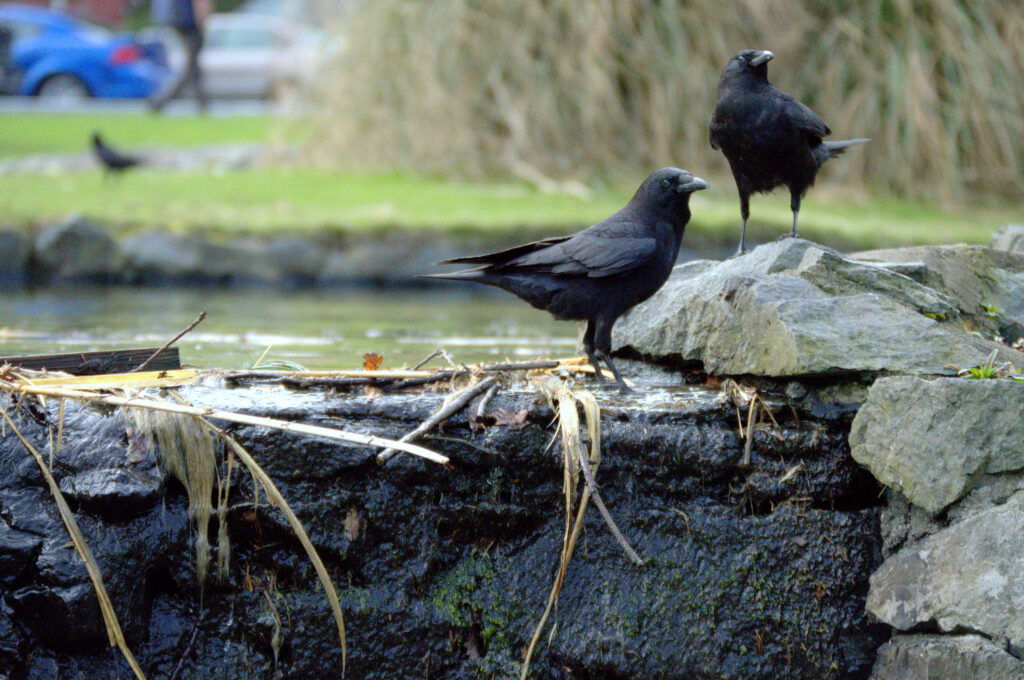
When faced with hard to open food, some crows call specific allies rather than random flock members. Cooperation appears selective, favoring individuals with proven reliability or strength during challenging winter months in resource poor habitats near cities worldwide now often.
This choice hints at social memory layered onto problem solving. Strategic cooperation lowers costs and speeds rewards, showing intelligence expressed through relationships, not solo brilliance within dynamic flocks navigating constant environmental change and human pressure daily life cycles everywhere today.
7. Crows test unfamiliar objects before committing fully.

Novel foods or tools are pecked, dropped, and repositioned before use. This cautious experimentation reduces injury and waste, especially in environments filled with human debris such as streets, landfills, construction sites, docks, and parks worldwide today often encountered daily life.
Trial behaviors resemble hypothesis testing, adjusting actions based on feedback. The process slows initial gains but improves long term success across unpredictable settings dominated by rapid change, noise, risk, and constant human interference pressures over time everywhere now globally observed.
8. They adapt calls to match noisy cities.
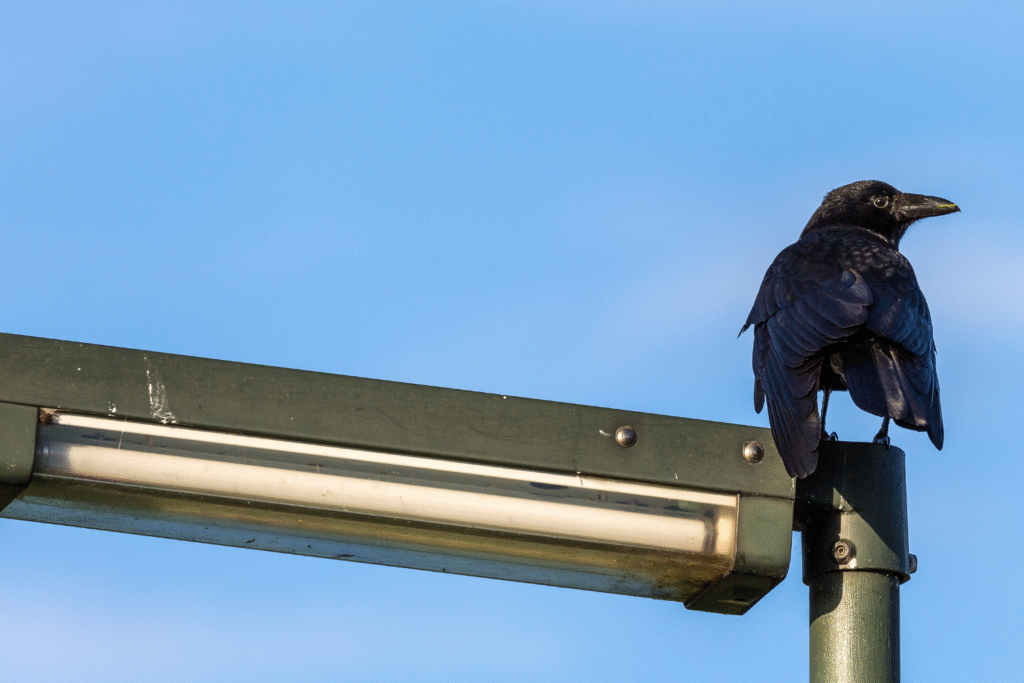
In traffic heavy corridors, crows raise pitch and adjust timing so calls cut through engines. The shift mirrors adaptations seen in urban songbirds, but applied flexibly across situations including alarms, coordination, and social signaling during peak rush hours daily cycles.
This vocal tuning shows learning rather than fixed instinct. It reflects awareness of acoustic environments shaped by humans, and rapid adjustment as conditions change with weather, traffic, construction, and seasonal patterns across metropolitan regions worldwide today continuously observed often now.
9. Some exploit vehicles to access otherwise unreachable food.
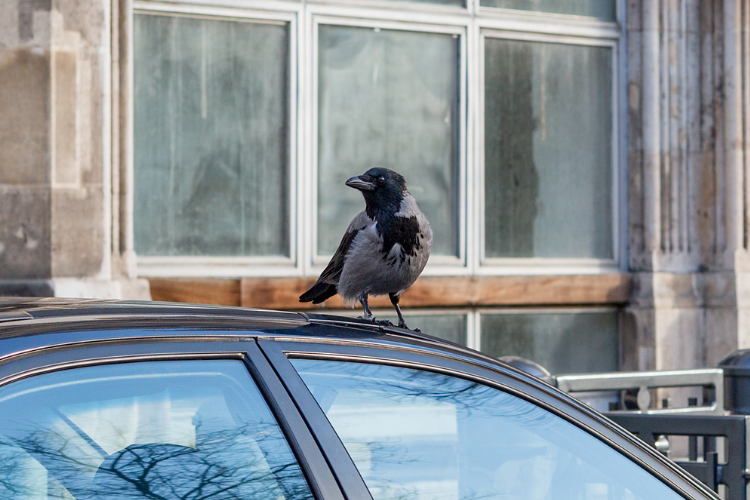
Crows have been seen placing hard items on roads, letting cars crush them. They wait nearby, retrieving pieces during lulls, effectively outsourcing labor to traffic on busy streets, bridges, and highway edges near urban centers worldwide now regularly observed lately.
This tactic blends risk assessment with timing and patience. It also reveals how human machines become tools within avian problem solving systems shaped by asphalt, speed, noise, and predictable flow patterns during daylight hours mainly observed across cities globally today.
10. They remember seasonal patterns better than expected.
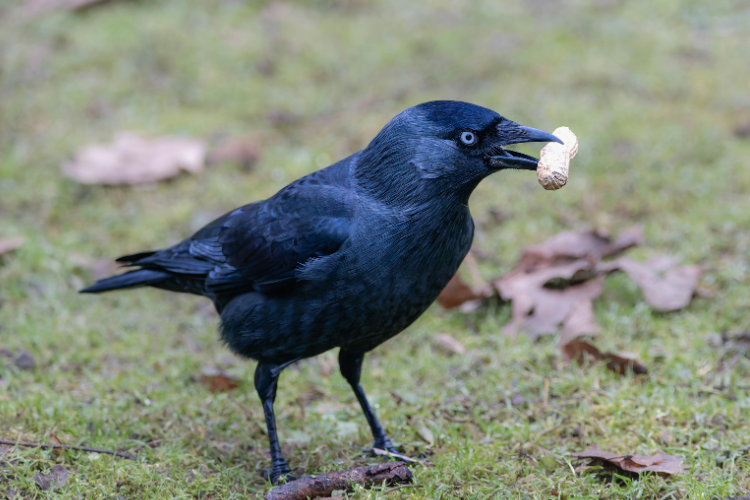
Long term observations show crows returning to specific feeding spots annually, even after disruptions. Memory spans years, linking weather, food availability, and human behavior across changing landscapes, altered routes, and shifting urban development pressures over time consistently noted by researchers.
This persistence supports survival during scarcity and change. It challenges assumptions about short avian memory limits by revealing complex mental maps updated slowly but reliably as environments evolve through seasons, construction, climate shifts, and human planning cycles worldwide today now.
11. Crows watch other species for useful cues.
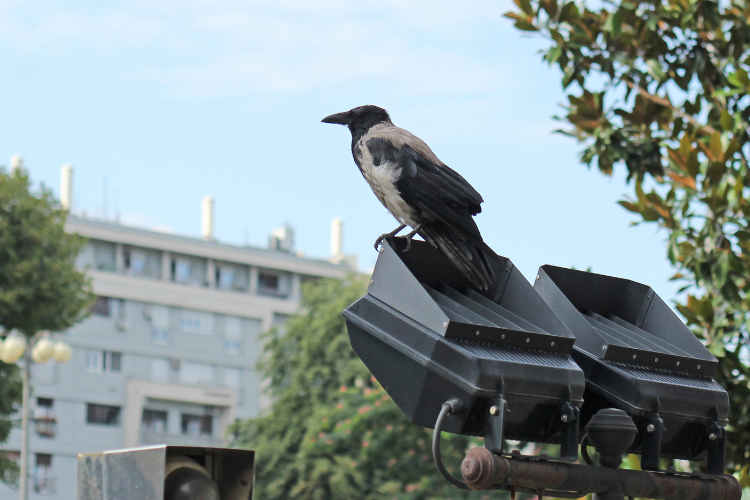
Mixed flocks allow crows to observe pigeons, gulls, or squirrels discovering food first. They follow signals rather than search blindly, saving energy in busy parks, waterfronts, farms, and landfill edges near cities worldwide where species overlap daily often observed now.
This cross species attention shows flexible learning beyond social groups. Intelligence extends outward, treating the environment as a network of informants providing constant updates about risk, reward, and opportunity across shared spaces shaped by human activity patterns everywhere today continuously.
12. They adjust behavior rapidly after failed attempts.
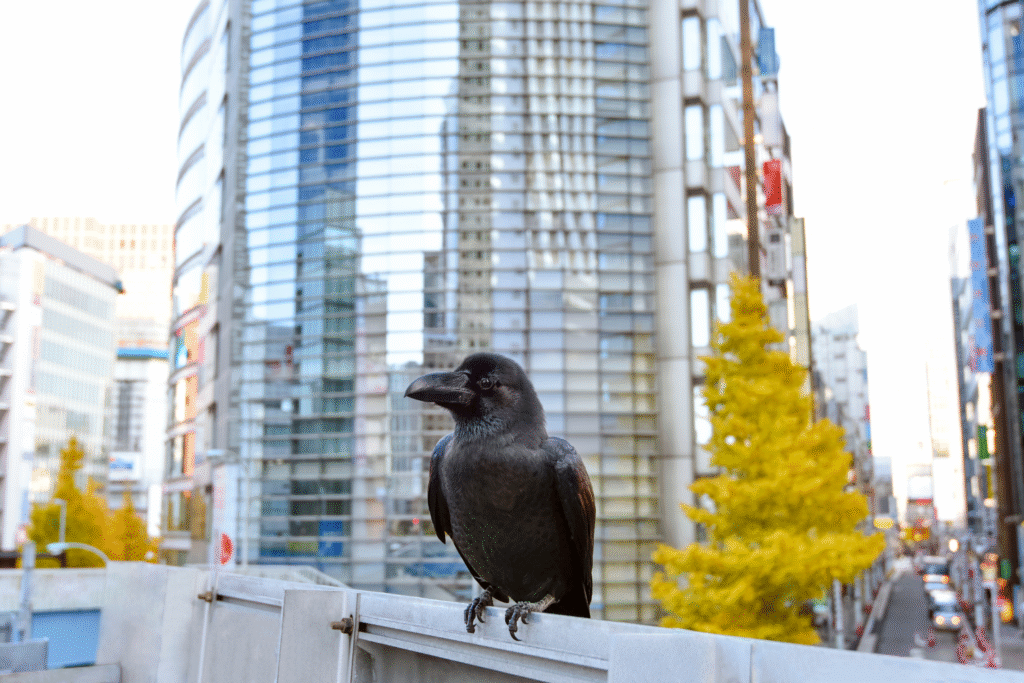
When a plan fails, crows often switch strategies immediately rather than repeat mistakes. Flexibility reduces losses in high risk settings such as traffic, traps, hostile humans, and unpredictable food sources common in urban and rural edges alike worldwide now today.
This rapid learning keeps them ahead of dangers humans introduce. Intelligence here feels adaptive and unsettling, because it keeps pace with us through constant trial, memory, adjustment, and observation woven into daily survival routines near people everywhere now today ongoing.