
Something vast is resting beneath Cuba.
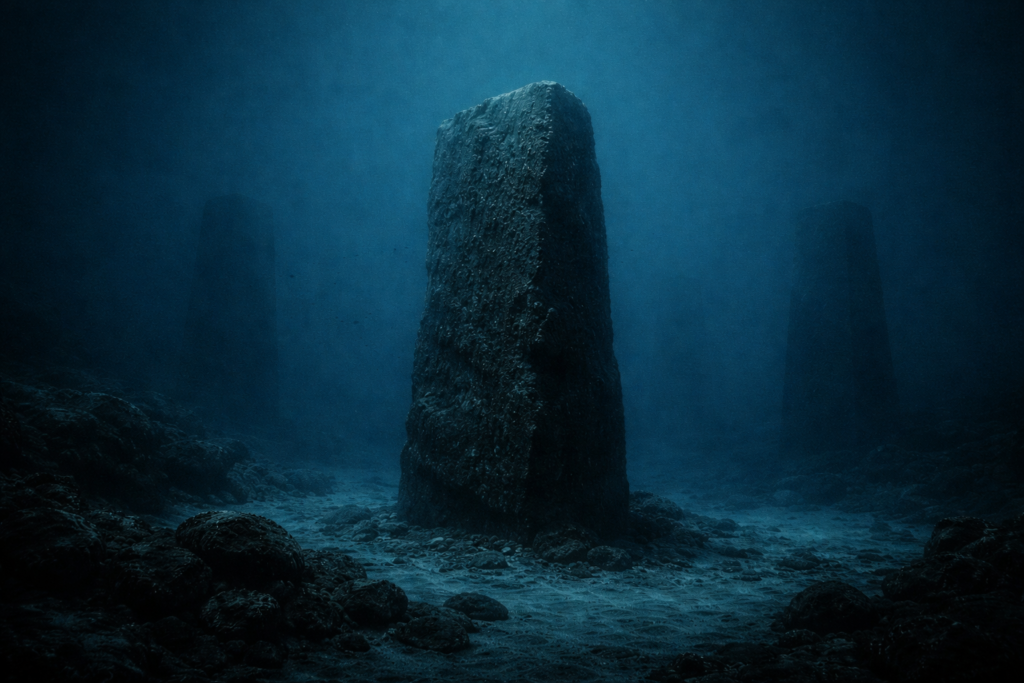
Far below the surface of the Caribbean, instruments picked up shapes that do not belong in darkness. They were not scattered debris or natural ridges. They appeared arranged, deliberate, almost architectural. The location makes the discovery more unsettling, because it lies far deeper than conventional history can easily explain.
What surfaced from those early scans was not a conclusion but a problem. If the images reflect intention rather than accident, then an entire chapter of human capability may need reconsideration.
1. A sonar sweep revealed geometric formations.
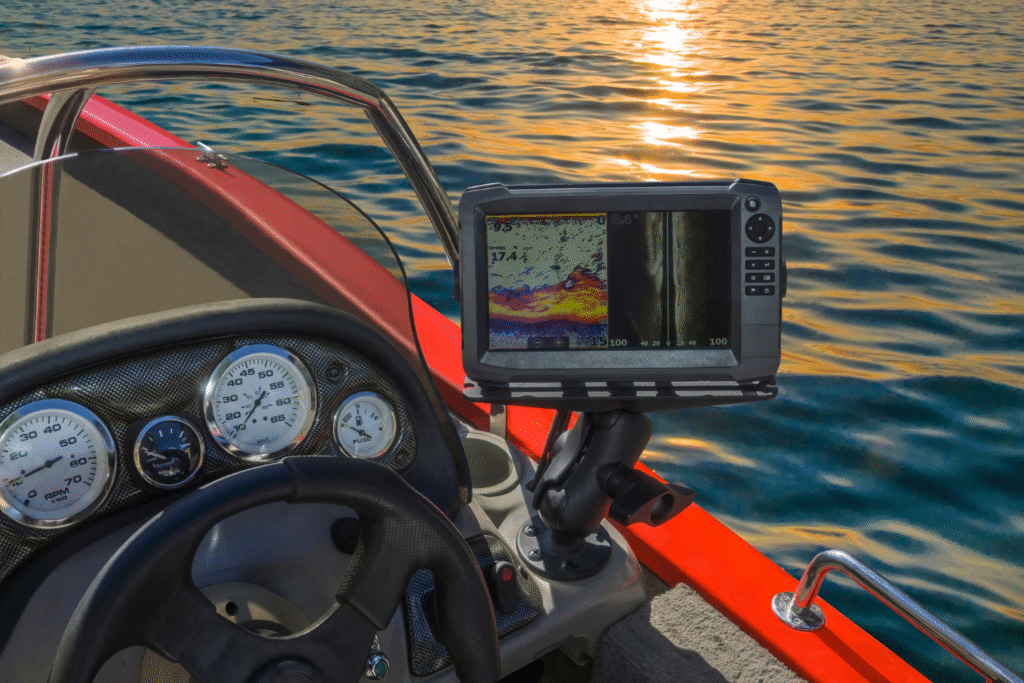
The first clue appeared on computer screens aboard a research vessel operated by Advanced Digital Communications. Side scan sonar mapped the seabed and produced shapes too symmetrical to dismiss. Rectilinear lines and clustered forms suggested planning, not randomness. At depths around 650 meters, such order feels out of place.
Marine engineer Paulina Zelitsky and her team were surveying for Spanish colonial wrecks when the anomaly surfaced. Instead of cannons or timbers, the instruments traced patterns reminiscent of city blocks. The location, southwest of Pinar del Rio Province, sits far beyond typical archaeological exploration zones.
2. Robot cameras confirmed massive stone blocks.
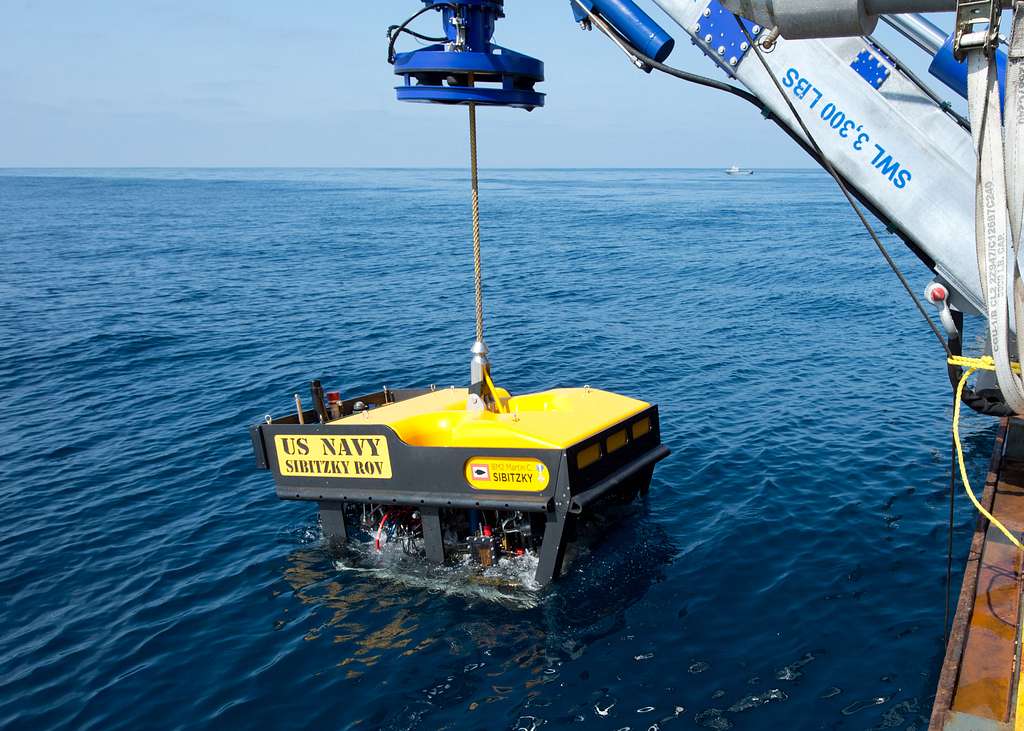
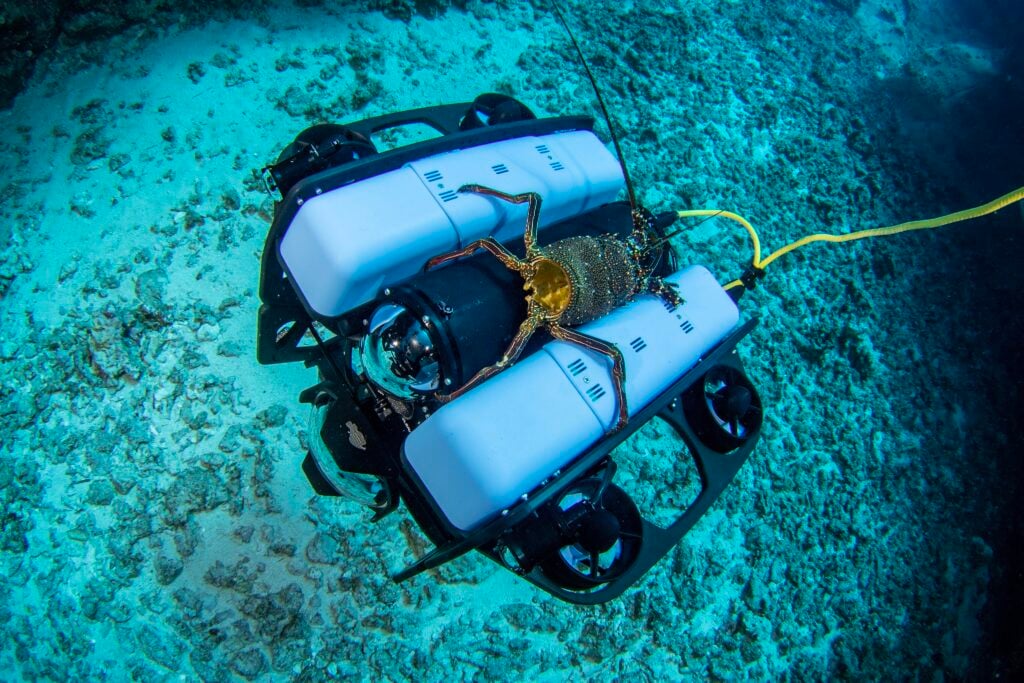
Returning months later, the team deployed a remotely operated vehicle capable of filming in crushing pressure. Grainy footage showed large smooth stones resting on the ocean floor. Some appeared stacked. Others formed shapes resembling pyramids or circular platforms, their edges unexpectedly defined.
The robot operated in waters where sunlight never reaches. Its cameras recorded blocks that looked cut rather than fractured. Researchers described granite like surfaces, though precise composition remained undetermined. The sheer scale raised further doubt, because transporting and shaping such material would require organization far beyond casual settlement.
3. Depth complicates every historical timeline.
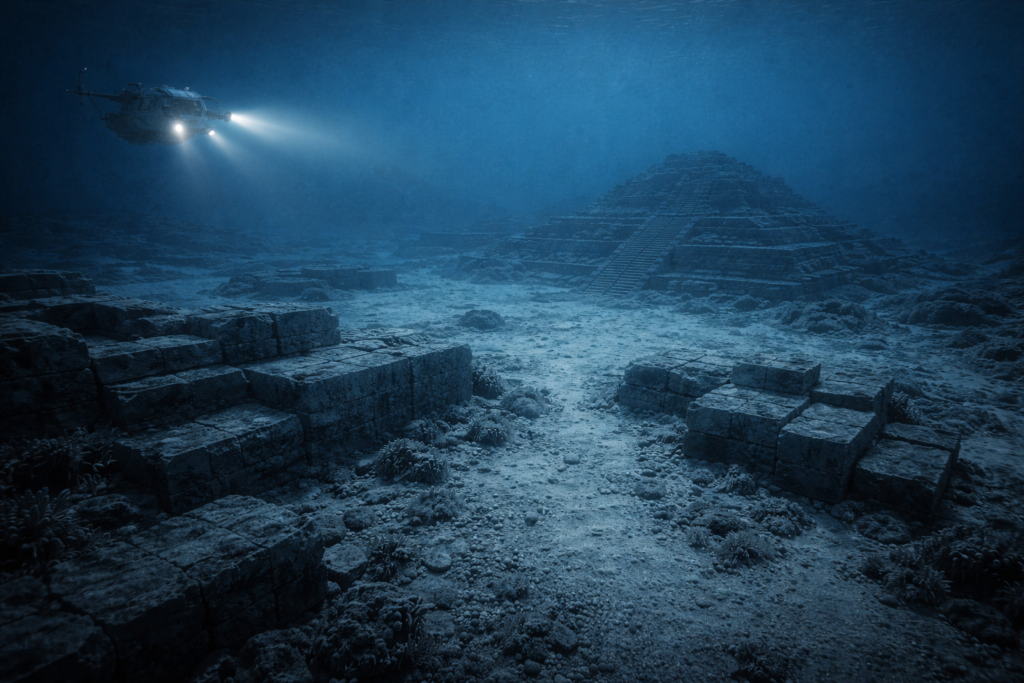
At 2,000 feet below present sea level, the site challenges conventional models of ancient habitation. During the last Ice Age, sea levels were lower, but not by hundreds of meters. That discrepancy sits at the heart of the controversy.
If the formations were constructed more than 6,000 years ago, as initial speculation suggested, they would predate the Great Pyramid at Giza by roughly 1,500 years. That timeline forces either dramatic geological change or a reconsideration of what early societies could achieve.
4. Geological explanations have not been ruled out.
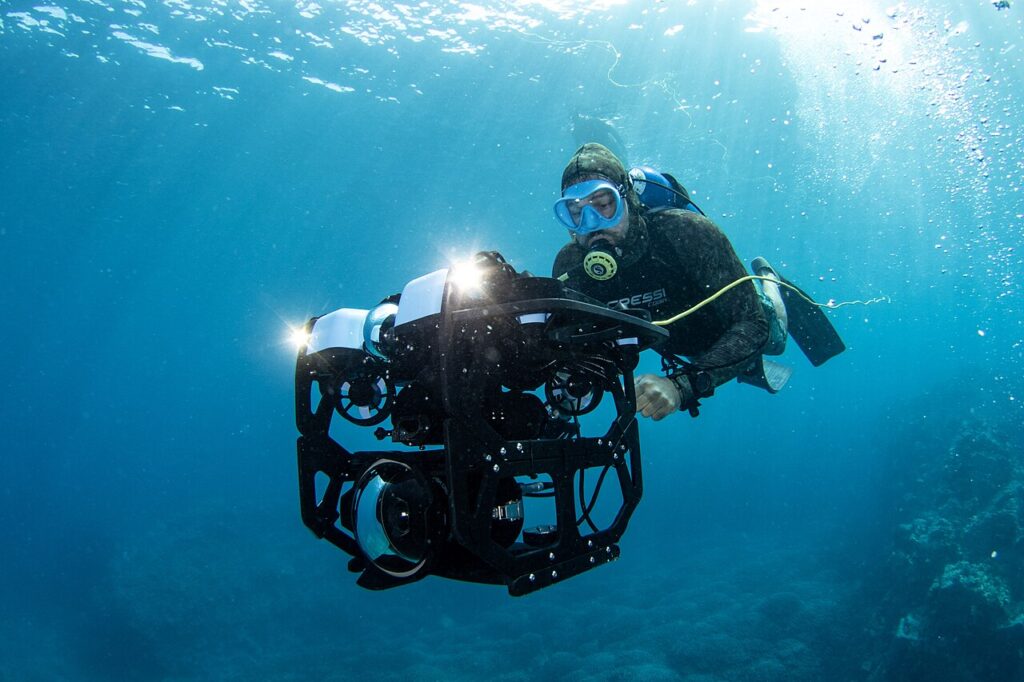
Marine geologists caution against leaping to conclusions. Underwater landscapes can produce surprising symmetry through tectonic shifts, sediment patterns, and volcanic processes. Nature has a talent for mimicry when viewed through sonar abstraction.
The western Caribbean region rests near complex fault systems. Some scientists suggest that submerged rock formations may fracture along straight lines. Without extensive sampling and excavation, it remains difficult to separate human intention from natural coincidence.
5. Cuban waters hold centuries of secrets.
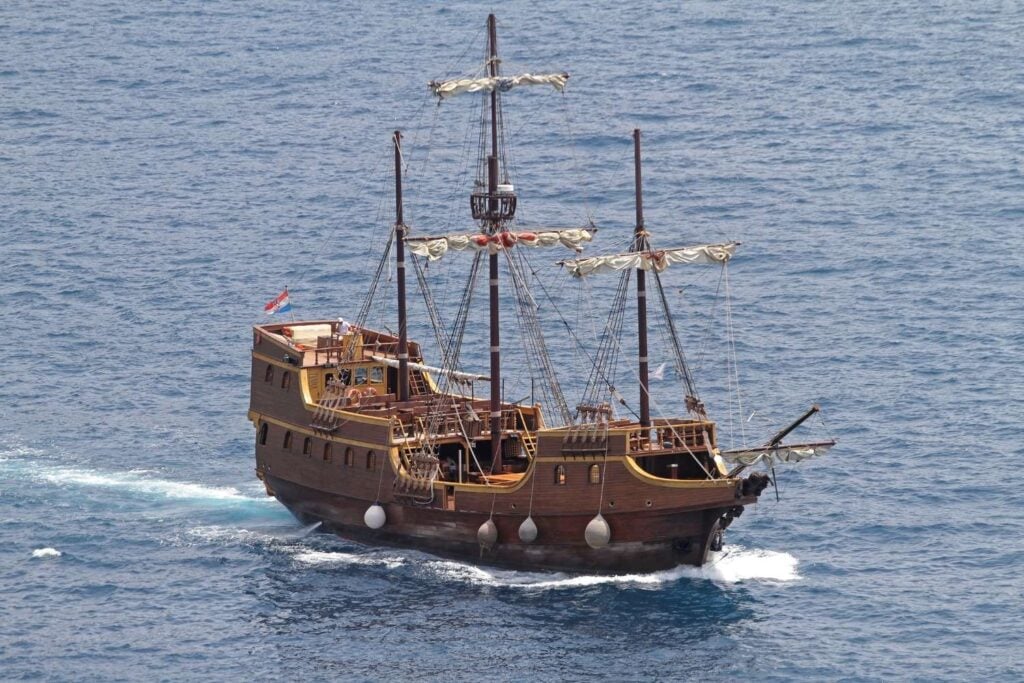
The discovery occurred within a joint venture between Advanced Digital Communications and Cuban authorities during a broader search for colonial era shipwrecks. Hundreds of Spanish vessels once crossed these routes laden with silver and gold.
Instead of treasure galleons, the instruments traced something older and far stranger. The Guanahacabibes Peninsula marks one of Cuba’s most remote marine zones. Strong currents and deep basins have kept large portions of this seabed largely unexplored until modern technology intervened.
6. Technology made this discovery possible.
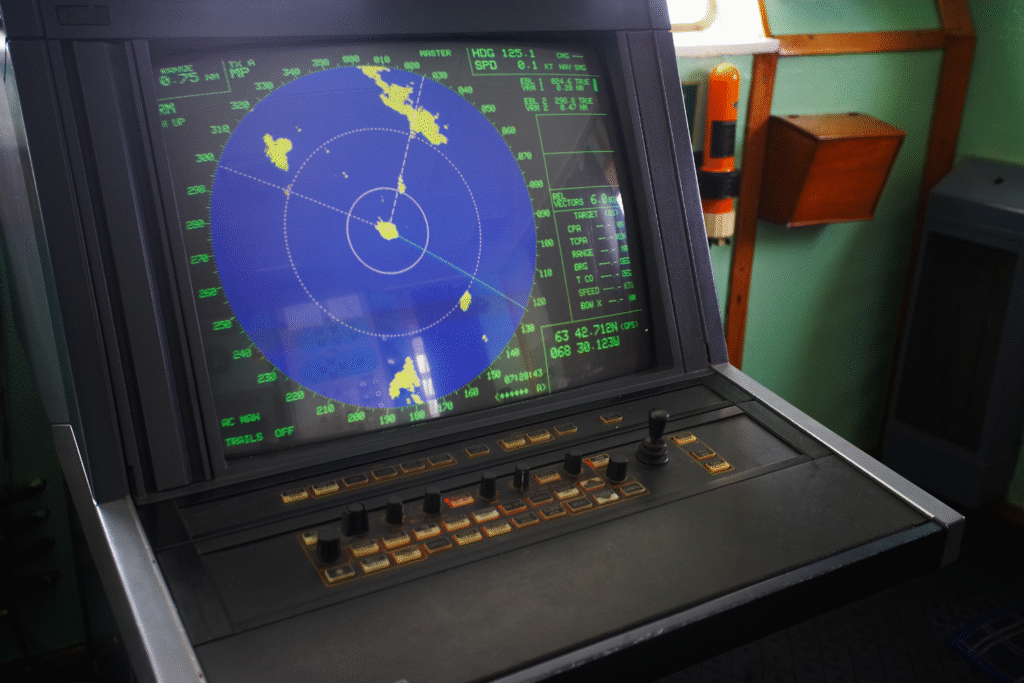
Only in recent decades has sonar mapping reached the resolution necessary to detect subtle seabed patterns at extreme depths. High frequency scans and advanced positioning systems allowed the team to chart features once invisible.
Remotely operated vehicles carried lighting arrays and stabilized cameras into an environment hostile to human divers. The machinery transformed speculation into imagery. Yet even with these tools, interpretation remains tentative. Equipment can capture shape, but not intention or age.
7. Funding and politics shaped the mission.
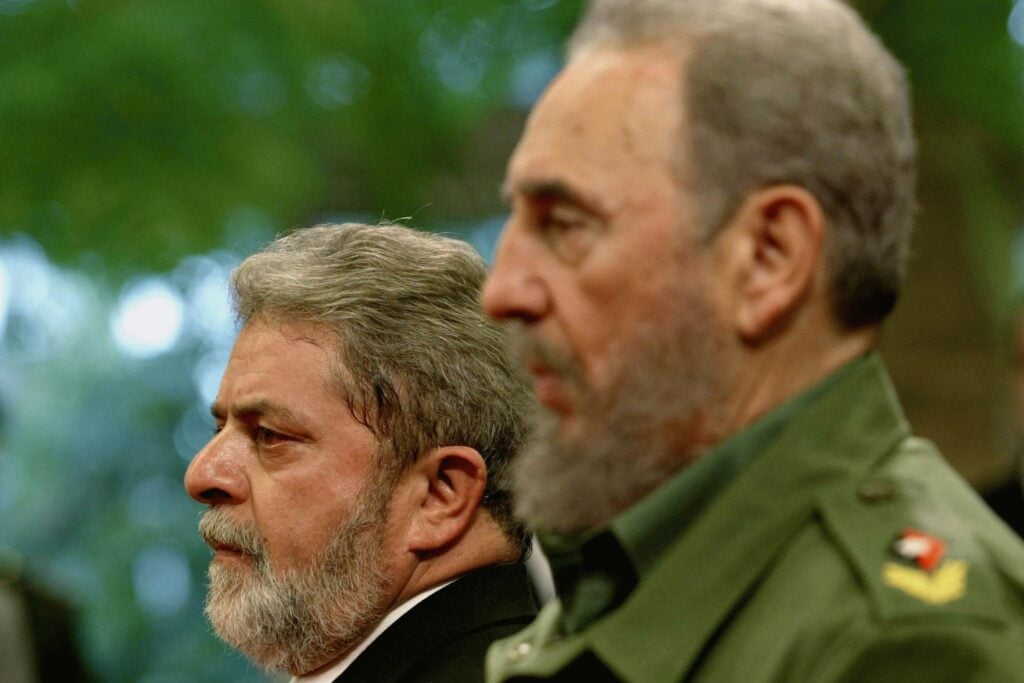
The exploration was not a lone academic venture. It unfolded within agreements tied to Cuba’s government under Fidel Castro, focused on maritime resource surveys and historical recovery. Commercial interest and scientific curiosity overlapped.
Such partnerships often complicate transparency and follow up. Limited public updates after the early 2000s left many observers questioning what further analysis revealed. The absence of definitive announcements has fueled both skepticism and fascination.
8. Archaeologists demand physical evidence before judgment.
Serious archaeological claims require artifacts, datable materials, and contextual excavation. Sonar images and video alone cannot establish cultural origin. Without recovered samples, age estimates remain speculative.
Researchers have acknowledged the need for systematic analysis before labeling the site a city. No inscriptions, tools, or human remains have been reported. Until cores are drilled and stones examined in laboratories, the structures exist in an ambiguous zone between anomaly and architecture.
9. The Caribbean seafloor still hides mysteries.
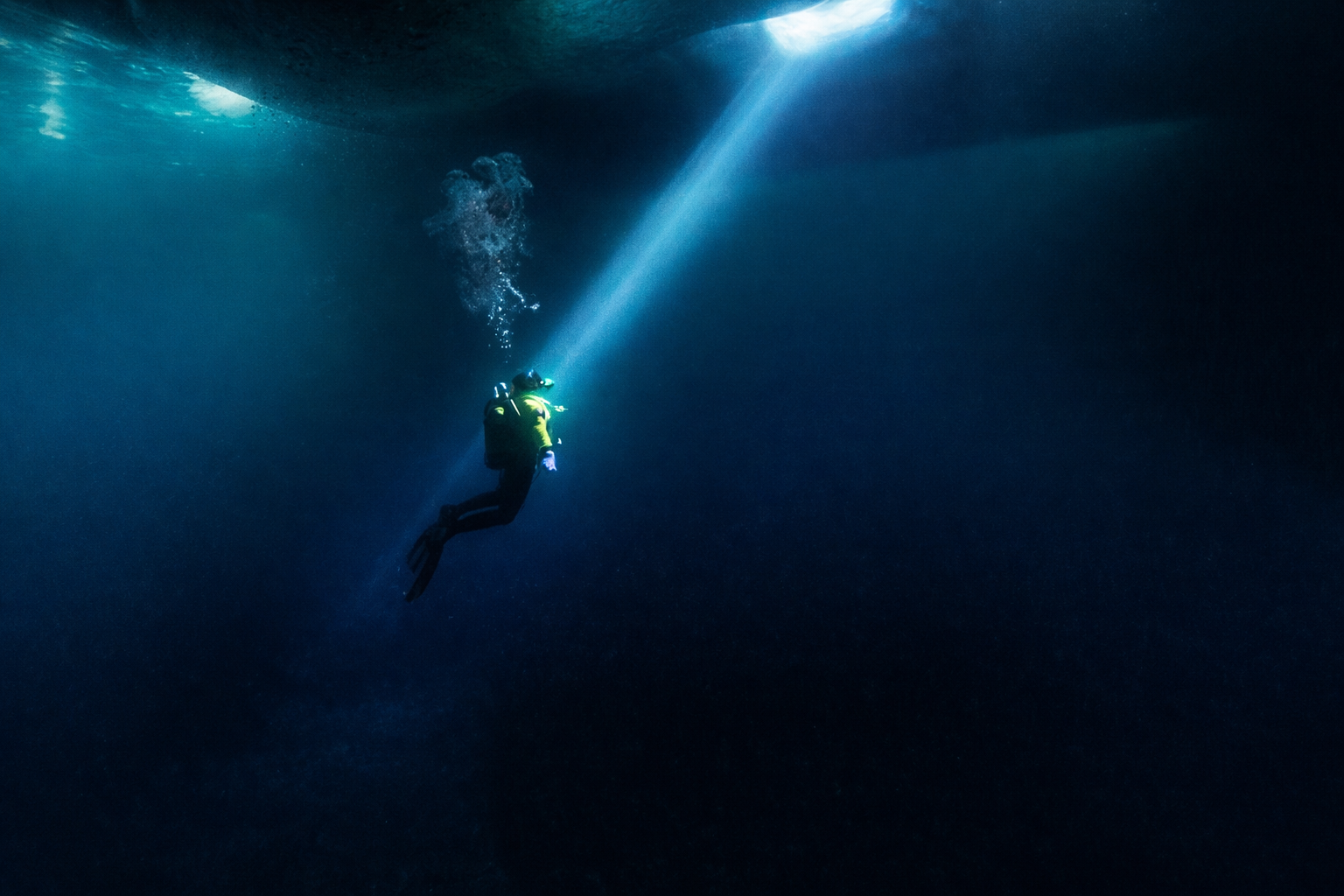
Large sections of the Gulf of Mexico and Caribbean remain insufficiently mapped at high resolution. Advances in marine exploration continue to reveal unexpected formations in deep water.
Whether the Cuban site represents geology, an ancient settlement, or something in between, it underscores how much of Earth’s surface remains unexamined. The ocean floor preserves landscapes lost to rising seas and shifting crust. Each new scan carries the potential to disrupt established narratives again.