
Friendly appearances can mask serious behavioral risks.
Small size, fluffy coats, and expressive faces often convince people that certain dogs are harmless. That assumption creates risk. Veterinarians, trainers, and emergency clinics repeatedly report incidents involving breeds widely described as sweet or family friendly. The problem is not evil dogs. It is misunderstanding behavior, genetics, and purpose. Many breeds were developed for guarding, hunting, or control, not cuddling. When expectations clash with instinct, aggression can surface suddenly. These cases tend to surprise owners most, because the warning signs were never expected to exist.
1. Chihuahuas often display defensive aggression under stress.

Chihuahuas are frequently dismissed as harmless because of their size, yet bite statistics tell a different story. Their aggression often appears sudden, especially around unfamiliar people or handling. Owners may miss warning signs because reactions seem exaggerated rather than threatening.
This breed was developed to bond closely with one person. Territorial instincts and fear responses escalate quickly when boundaries feel violated. Poor socialization increases risk, especially in busy households. Size does not reduce intensity of reaction.
2. Dachshunds were bred for confrontation underground.

Dachshunds look playful, but they were designed to confront animals larger than themselves in confined spaces. That legacy shows up as stubbornness, reactivity, and quick escalation when challenged. Many bites occur during routine handling.
Their long backs limit tolerance for restraint, increasing defensive behavior. Territorial instincts are strong, especially around food and resting areas. Without firm boundaries, aggression becomes habitual rather than situational.
3. Cocker Spaniels can develop unpredictable aggression patterns.
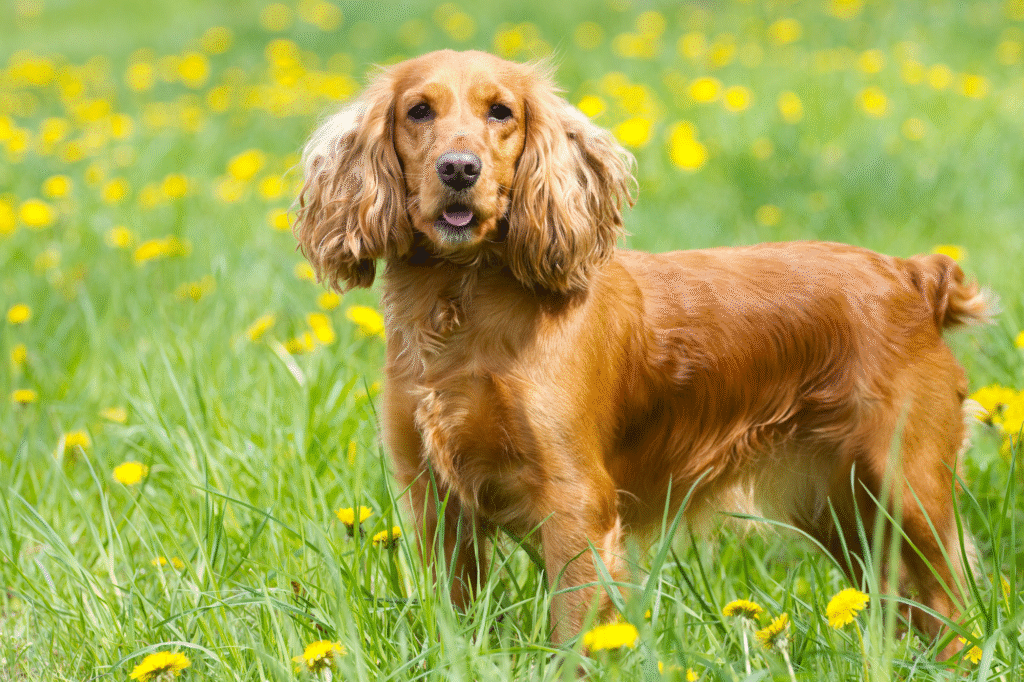
Cocker Spaniels are known for soft eyes and gentle expressions, yet behavioral aggression has been documented for decades. Some individuals display sudden rage responses without clear provocation, shocking owners.
Genetics, overbreeding, and neurological sensitivity contribute. Poor breeding practices intensified temperament instability in certain lines. Aggression often surfaces during grooming or resource guarding. Cute appearance delays recognition of warning signs.
4. Pomeranians frequently guard territory and owners intensely.

Pomeranians appear decorative, but they possess strong watchdog instincts. Aggression often emerges toward strangers, children, or other animals entering perceived territory. Their confidence exceeds their size.
Originally bred for alertness, they react quickly to stimuli. Overindulgence and lack of training amplify dominance behaviors. Owners often reinforce aggression unintentionally by laughing or comforting instead of correcting.
5. Jack Russell Terriers escalate quickly during frustration.

Jack Russell Terriers look playful, but they are intense working dogs with high prey drive. Aggression can surface when energy outlets are insufficient or boundaries unclear. Their reactions are fast and forceful.
Bred for hunting, they tolerate little restraint. Frustration builds rapidly, leading to snapping or lunging. Without structured activity and training, behavior problems escalate regardless of size or cuteness.
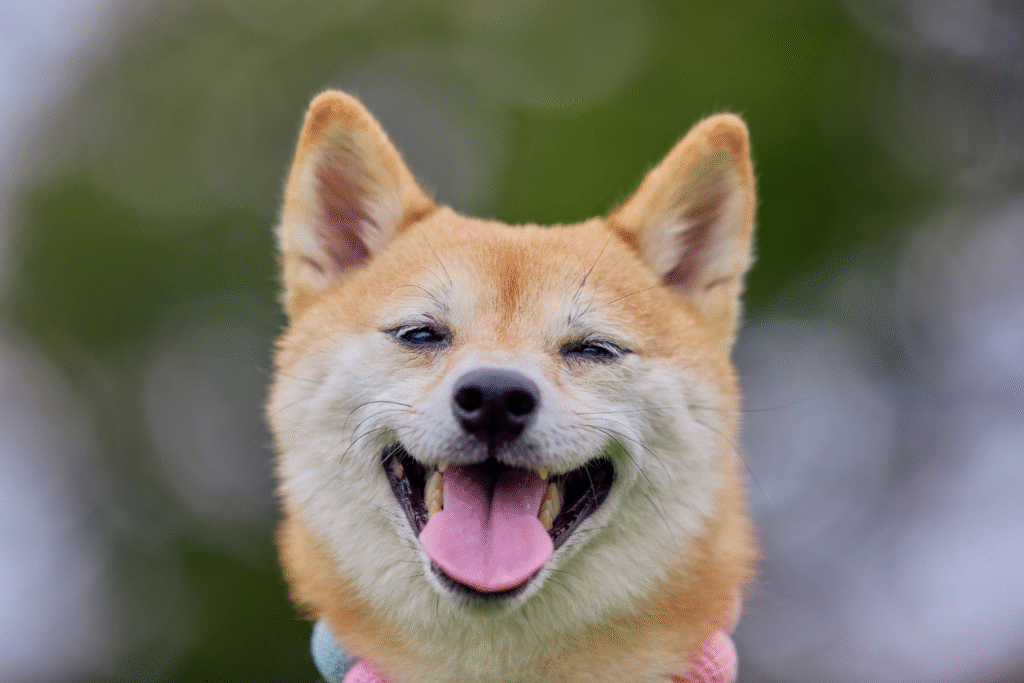
6. Shiba Inus resist handling and assert independence aggressively.

Shiba Inus resemble plush toys, yet they are famously intolerant of forced interaction. Aggression often appears during grooming, restraint, or veterinary care. Their reactions are deliberate, not impulsive.
This breed values autonomy. When pushed, resistance becomes confrontation. Lack of early socialization worsens outcomes. Owners expecting compliance face sudden pushback that feels shocking given the dog’s appearance.
7. Lhasa Apsos retain strong guarding instincts.

Lhasa Apsos were bred to guard monasteries, not entertain families. Aggression commonly appears toward strangers and during territory intrusion. Their calm demeanor masks vigilance.
They bond deeply with select people and distrust others. Protective instincts activate quickly. Without clear leadership, guarding escalates into biting behavior, often dismissed until it becomes serious.
8. Miniature Schnauzers react strongly to perceived threats.

Miniature Schnauzers appear cheerful, but they are alert, vocal, and territorial. Aggression often surfaces when boundaries are crossed or routines disrupted. Children are frequent triggers.
Their guarding instincts combine with low tolerance for chaos. Overstimulation leads to snapping. Owners expecting easygoing behavior underestimate the breed’s intensity and need for structure.
9. Chow Chows combine cuteness with deep suspicion.

Chow Chows look like teddy bears, yet they are among the most aloof breeds. Aggression often occurs when strangers approach or handling feels intrusive. Their reactions are calm but firm.
Historically used for guarding, they do not seek approval. Early socialization is critical. Without it, defensive aggression becomes ingrained, catching owners off guard.
10. French Bulldogs can show reactive aggression unexpectedly.

French Bulldogs are popular family pets, yet clinics report increasing bite incidents. Aggression often stems from pain, overstimulation, or resource guarding rather than dominance.
Their compact bodies hide health issues that lower tolerance. Respiratory discomfort and spinal pain contribute. Owners misinterpret warning signs as playfulness, allowing situations to escalate before intervention occurs.